Canada and Mexico Tariffs Starting
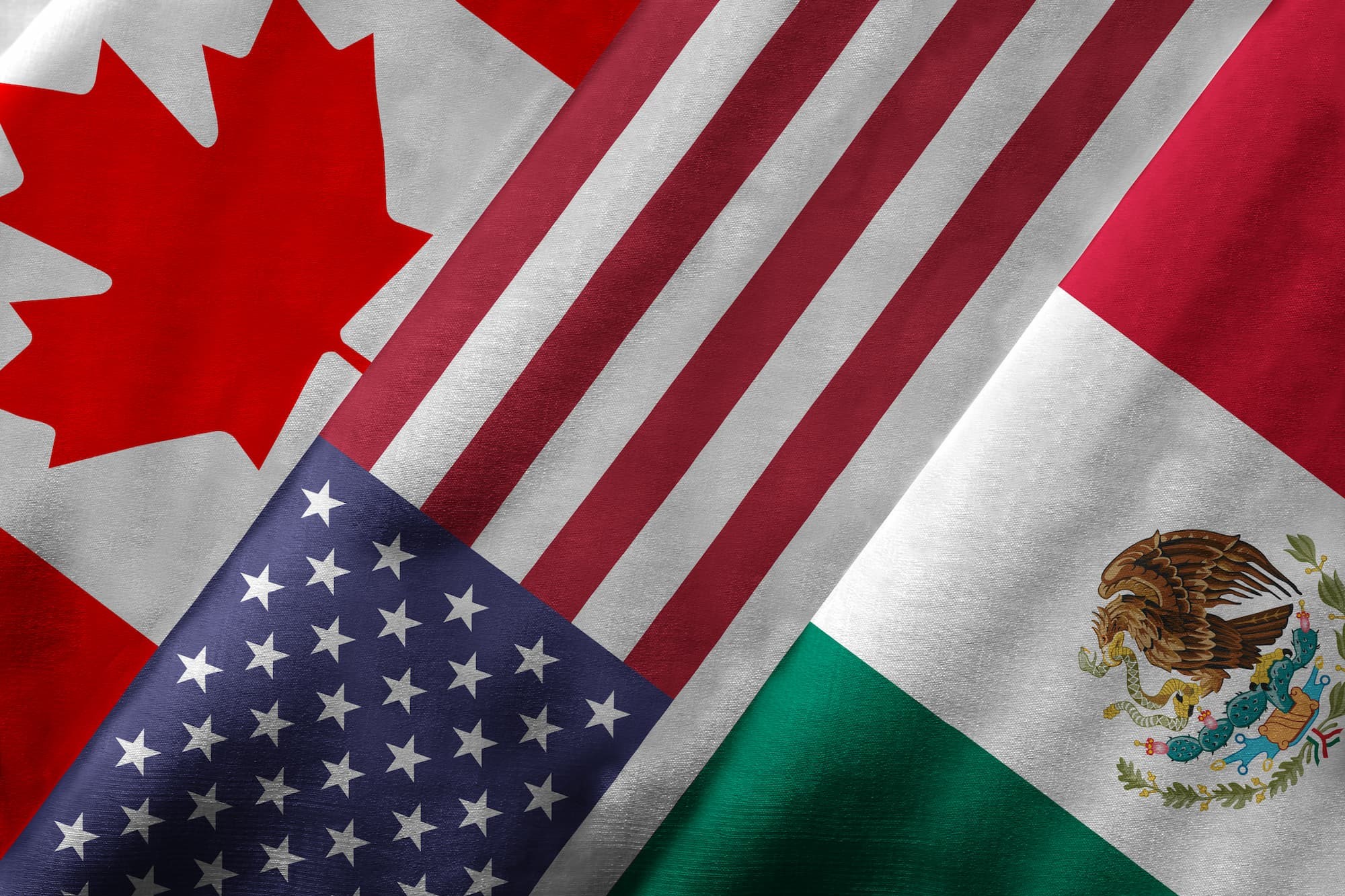
After a postponement in January, President Trump made an announcement regarding the Canada and Mexico tariffs starting next month. On February 24th, Trump said the tariffs “will go forward” and begin on March 4th. Most imports from Canada and Mexico into the U.S. will see a 25% tax hike. Energy product imports from Canada will see a reduced 10% rate. Initially, the tariffs were going to begin in February. However, agreements to enhance border security postponed the enforcement date. Imports from China have already felt a 10% tariff hike. With Canada and Mexico being the most significant trade partners of the U.S., the tariffs will directly impact international shipping.
Why Is Trump Imposing Tariffs?
The goal behind the tariffs is to address illegal immigration and drug importation into the U.S. Trump noted, “Thousands of people are pouring through Mexico and Canada, bringing crime and drugs at levels never seen before.” The majority of illegal fentanyl imports to the U.S. also come from China. Illegal immigration from Mexico was initially the reason for the postponement, to strengthen borders. Another purpose behind the tariffs is to bring manufacturing and business back to the U.S. As companies begin operating in the U.S., they believe it will stimulate the economy and create jobs. Importers and companies have a separate belief that this will hurt the economy and cause inflation.
When President Trump announced the tariffs, Canada and Mexico strongly opposed the enforcement. While the U.S. agreed to delay the tariffs, there are plans for retaliatory measures if the hikes occur. Mexico may enforce possible duties on produce, cheese, aluminum, and steel from 5% to 20%. Canada Prime Minister Justin Trudeau announced potential tariffs of 25% on up to $115 billion in U.S. imports. Trudeau noted, “We didn’t ask for this, but we will not back down.” Despite a more recent announcement by Trump regarding a longer extension to April, the White House announced that the tariffs will start next week. Trump also recently imposed a 25% tariff on steel and aluminum imports and plans to enforce reciprocal tariffs soon.
What Can Shippers Expect With Canada and Mexico Tariff Starting?
China, Mexico, and Canada are the U.S.’s biggest trading partners responsible for most imports. The 25% tariffs on the countries will significantly affect countless supply chains by raising shipping costs and leading to disruptions. Another fear is that the hikes could lead to a trade war, with the countries adding tariff hikes. U.S. Importers may begin bringing goods from other countries to avoid higher prices. Tariff hikes could positively impact domestic shipping if manufacturing returns to the U.S. due to a greater trucking demand.
When shipping cargo internationally, a shipper should be ready for anything impacting their shipment’s success. Along with monetary loss, disruptions can lead to loss of cargo, which can negatively impact a business’s relationship with customers. When bringing goods into the U.S., speaking to a customs broker is an ideal way to prepare. Brokers are licensed professionals who facilitate the clearance of imports across the country’s borders. They do this by handling documents, calculating duties, filing entries, and more. In the U.S., brokers ensure compliance with the CBP (Customs and Border Protection). Contact A1 Worldwide Logistics at info@a1wwl.com or 305-425-4956 to talk to a broker regarding importing into the U.S.