The Court of International Trade (CIT) has recently announced a class action for IEEPA refunds. On October 8, the CIT said the class action will allow refunds to importers who imported cargo under the now-illegal International Emergency Economic Powers Act (IEEPA)...
Elegir el agente de aduanas adecuado es una decisión importante para cualquier empresa o persona que importe mercancías a Estados Unidos. Su agente de aduanas puede ayudarle a preparar su declaración de aduanas, clasificar sus productos, calcular los aranceles,...
Choosing a customs broker is an important decision for any business or individual importing goods into the United States. Your broker can help prepare your customs entry, classify your goods, calculate duties, manage documentation, and communicate with U.S. Customs...
Although importing cars from Canada can benefit importers and businesses, it can be confusing for the average shipper. Canada’s proximity to the US makes cross-border vehicle transportation relatively accessible. In addition to offering easy access, Canada is an...
The Journey Towards Electric Vehicles
Share This Article
Are Fuel-Run vehicles Running out of Gas?
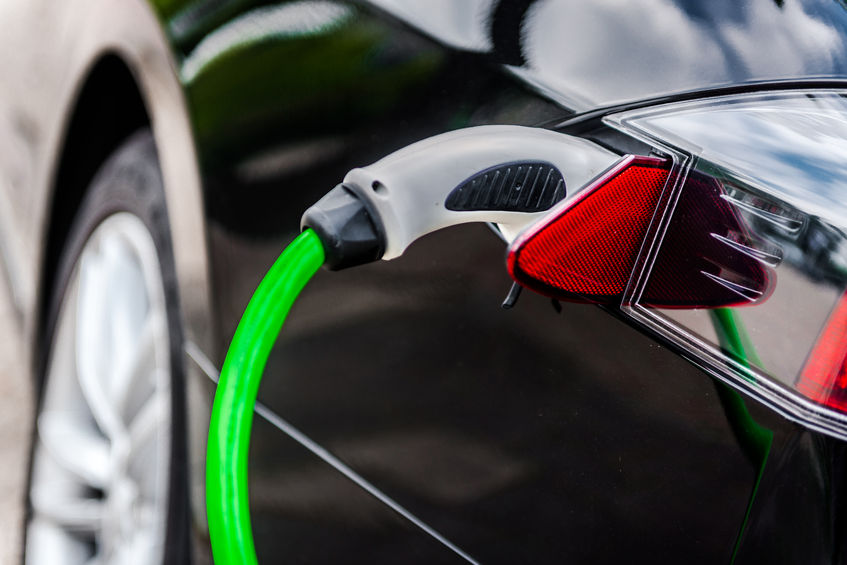
The spark that Tesla lit over a decade ago is about going off. It seems everyone in the world is finally coming together to go green in a big way. Whether or not that means we will ever live in a fuel-free world is a separate question, but it does mean we will be bringing in less fuel from other countries, possibly putting strain on their economies.
How Vehicle Manufacturers are Going Green
GM
GM has promised to bring in 20 all-electric vehicles by 2023, including two within the next 18 months. This type of first-step initiative is sought after, especially since they will be trailing behind Ford’s announcement even though they are already ebbing them out of the market with the Chevy Bolt and the Chevy Volt, which is widely-regarded as the most accessible hybrid and EV right now.
Nissan and Mitsubishi
Nissan is the leader in all-electric cars; the Nissan Leaf can be seen on the road more often than Tesla models at this point. However, Nissan, Renault, and Mitsubishi have announced a merger to launch 12 new electric-only vehicles by 2022. This will be an interesting angle to take, because Mitsubishi will undoubtedly bring a sports and competitive edge to the electric market.
Volvo
Volvo has made the most drastic initiative into the EV market. They announced that 2018 would be the last year they would offer combustion engines. From 2019 onward, all their cars will be electric or hybrid.
India vs. China
India and China are already competing to see who can get the most solar panels up by the end of the year, and while the race is close, the gap between the two is still much larger than most other countries are even attempting to install. But now they are taking their initiative out of the forests and onto the roads.
China has commissioned dozens of automotive manufacturers to create EV-only vehicles to ensure a stranglehold on the country’s market. Additionally, India is pushing to become the only EV country by 2030 to curb emissions completely.
A1WWL
All of these initiatives are doing great things for the world and are also bolstering the kind of healthy competition the world needs for positive trade. Expect some industries to starve during these times, such as gas stations and gas prices, but now is the time to get into technology and solar power.
Descubra cómo elegir una empresa de transporte internacional de mercancías, comparar opciones aéreas y marítimas, preparar documentos y calcular costos logísticos.
DDP stands for Delivered Duty Paid. Under this shipping term, the seller arranges transportation to the agreed destination and handles export and import clearance, including the applicable import duties and taxes. The goods are delivered to the buyer ready for...
CIF and FOB are shipping terms that define the buyer’s and seller’s responsibilities. Under CIF, the seller arranges and pays for ocean freight and cargo insurance to the named destination port. Under FOB, the buyer arranges and pays for the main ocean journey, and...
Ocean freight, also called sea freight, is the transportation of goods by ship. Businesses use it to move commercial cargo between countries, from a few pallets in a shared container to full-container orders and oversized equipment. For a U.S. import, the shipment...
LCL shipping, short for less than container load, lets your business move ocean freight in a container shared with other shippers. You book space for your cargo instead of reserving a whole container. For a business importing a few pallets at a time, that can make...


 GM has promised to bring in 20 all-electric vehicles by 2023, including two within the next 18 months. This type of first-step initiative is sought after, especially since they will be trailing behind Ford’s announcement even though they are already ebbing them out of the market with the Chevy Bolt and the Chevy Volt, which is widely-regarded as the most accessible hybrid and EV right now.
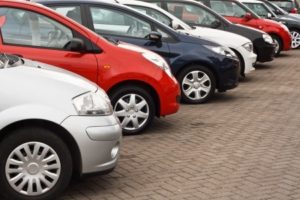 Volvo has made the most drastic initiative into the EV market. They announced that 2018 would be the last year they would offer combustion engines. From 2019 onward, all their cars will be electric or hybrid.