US-China Trade War Continues
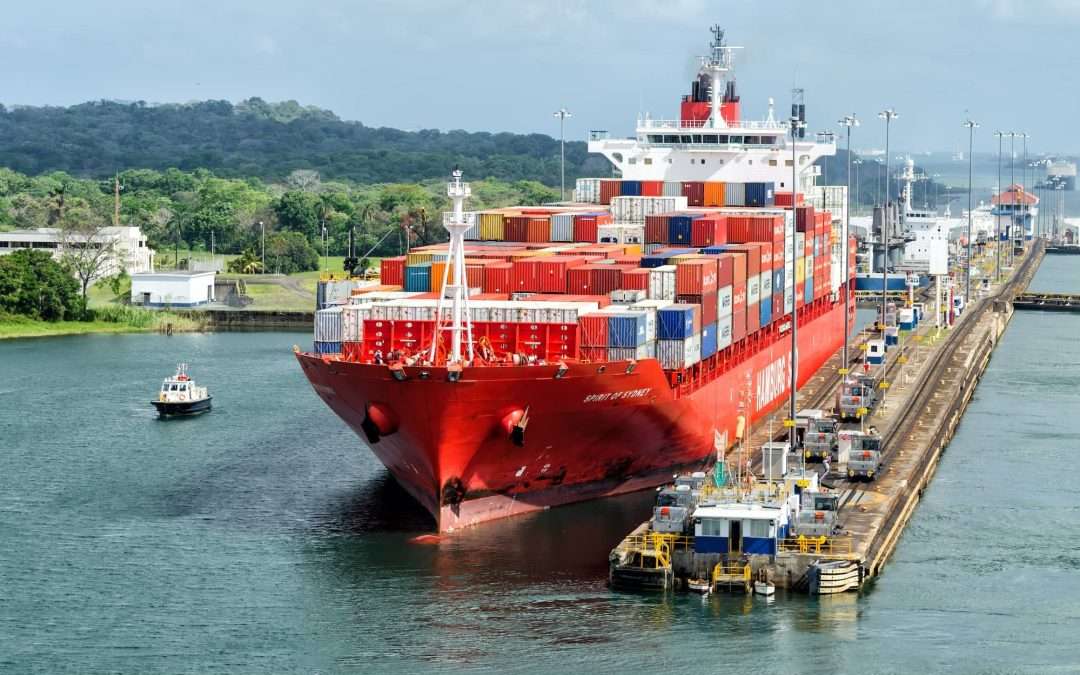
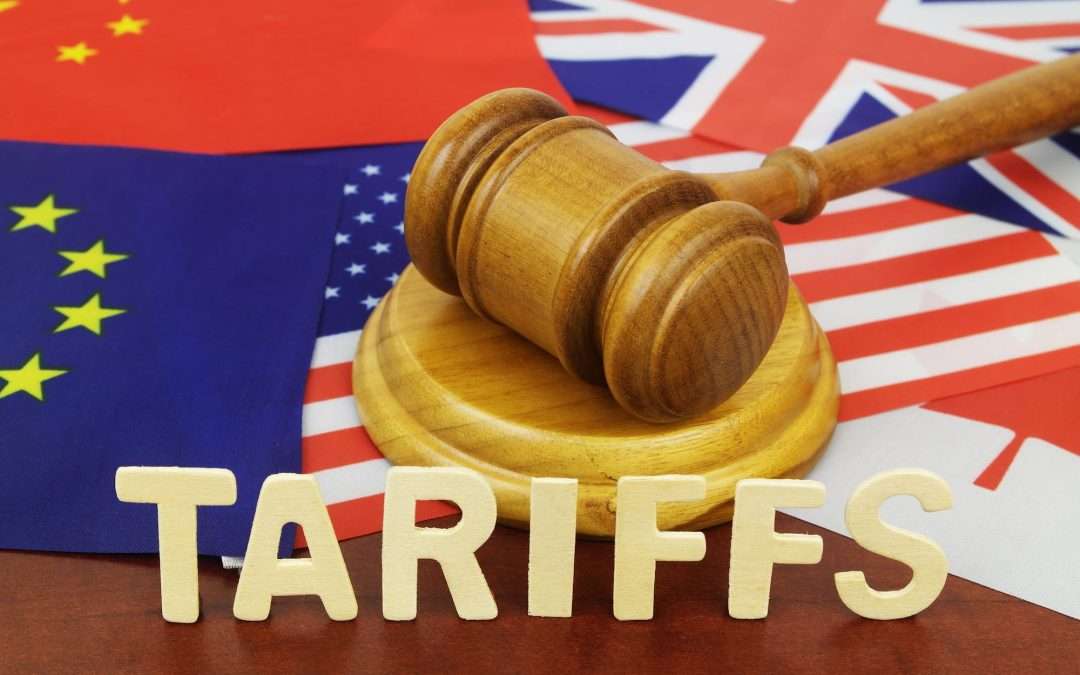
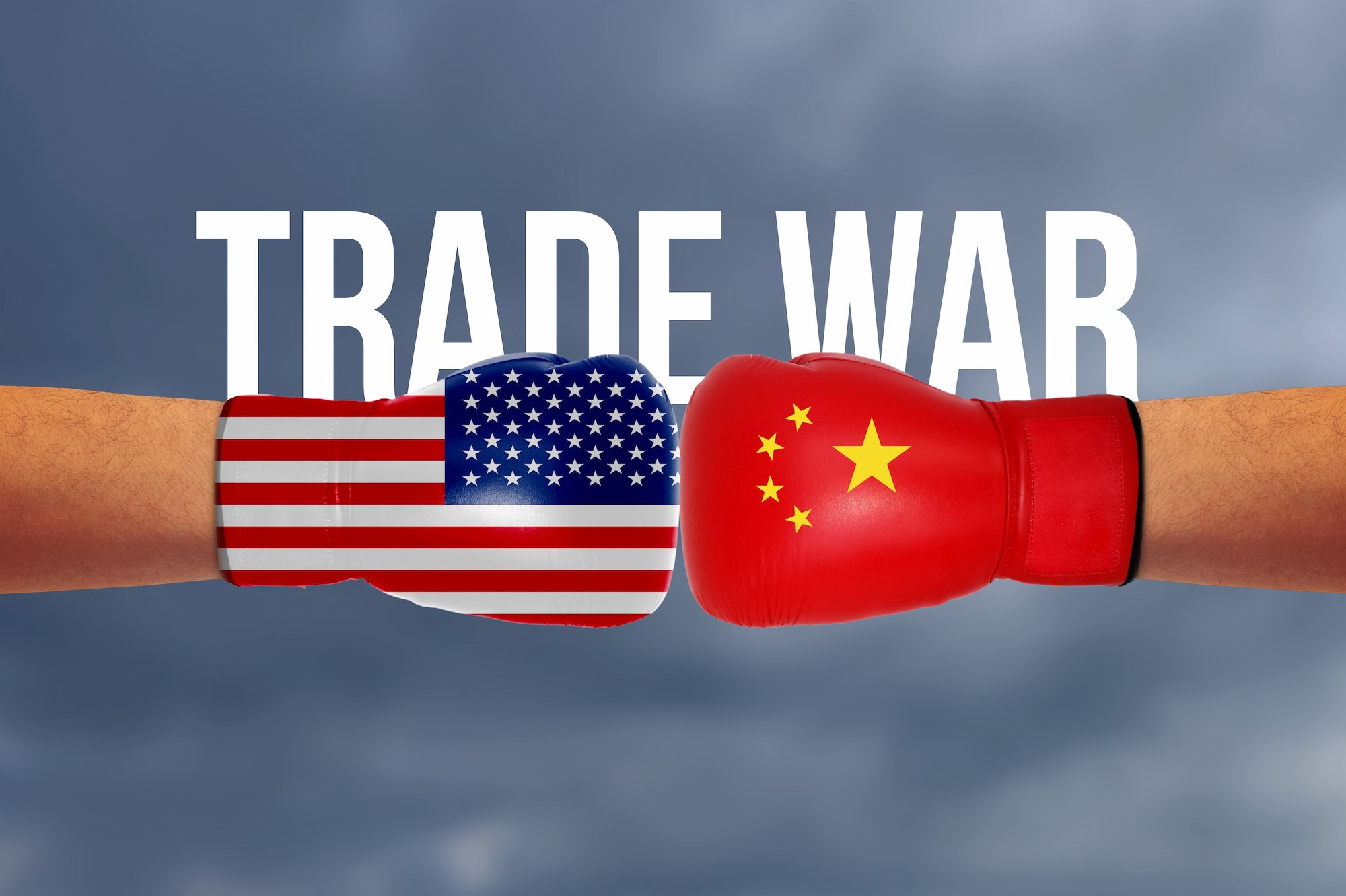
The US-China Trade War Continues, with the Chinese government recently charging port fees on US ships. On October 14, China began imposing fees on US-owned vessels docking in Chinese ports. The charges came after both countries agreed to reduce reciprocal tariffs imposed on each other. By April, the US had levies on China up to 145% while China had up to 125%. In May, the countries agreed on a 90-day truce and reduced the tariffs to 30% (US) and 10% (China). The countries extended the pause to November 10, before China retaliated with new port fees. President Trump responded by announcing that he will impose a 100% tariff on Chinese imports starting in November.
Why Are The Countries In A Trade War?
China and the US have been in a trade war for years due to issues such as trade imbalances and intellectual property (IP) theft, and both countries are trying to protect their economic interests. The US is also fighting against the inflow of drugs, with China being the most popular illegal importer of fentanyl. The US has had a significant trade imbalance due to the excess imports from China. When Trump returned to office, he addressed this by issuing numerous tariffs on China. After a few back-and-forths, the conflict escalated to the current port fees and levies. China’s fees mirror the levies set by the US trade representative.
Another goal behind the tariffs is to bring production back to the US and boost the economy by creating jobs. Economists believe it will have the opposite effect and hurt the economy by creating inflation. Trump also argues that China’s low-cost manufacturing base has lost millions of US manufacturing jobs. With China recently growing in international trade and being the US’s largest importer, it aims to counter the growth. China’s ship fees will start at $56 per net ton and rise to $90 on April 17, 2026. By April 17, 2028, the feels will be at $157. Chinese leader Xi Jinping will meet with Trump at the end of October to discuss the current conflict.
What Can Shippers Expect As The US-China Trade War Continues?
As the trade war persists, it could significantly impact international shipping. An immediate concern is that China’s fees would increase shipping costs for the shipper to the customer. Shippers of semiconductors, electric vehicles, and rare earths would particularly feel the strain. Another fear is that both countries could strain supply chains by imposing further retaliatory measures. As a result, US importers could begin looking for countries other than China to import from, like Vietnam or India. Costs could also rise for truckers who pick up cargo from ports and move it domestically.
When shipping cargo internationally, situations like conflict between two importers can result in disruptions in the transportation process. Although this shouldn’t stop cargo movement, the shipper should take the proper steps to avoid delays and monetary loss. Speaking to a 3PL (Third-Party Logistics) provider like A1 Worldwide Logistics can be beneficial when deciding on moving cargo internationally. 3PLs are service providers that offer various services for a shipper’s supply chain. These services include freight forwarding, customs clearance, warehousing, and more. They also explain what to expect and give the best action to prevent disruptions. Reach A1 Worldwide Logistics at info@a1wwl.com or 305-425-9456 to learn about our 3PL solutions for your shipment’s success.