IEEPA Tariffs Supreme Court Ruling
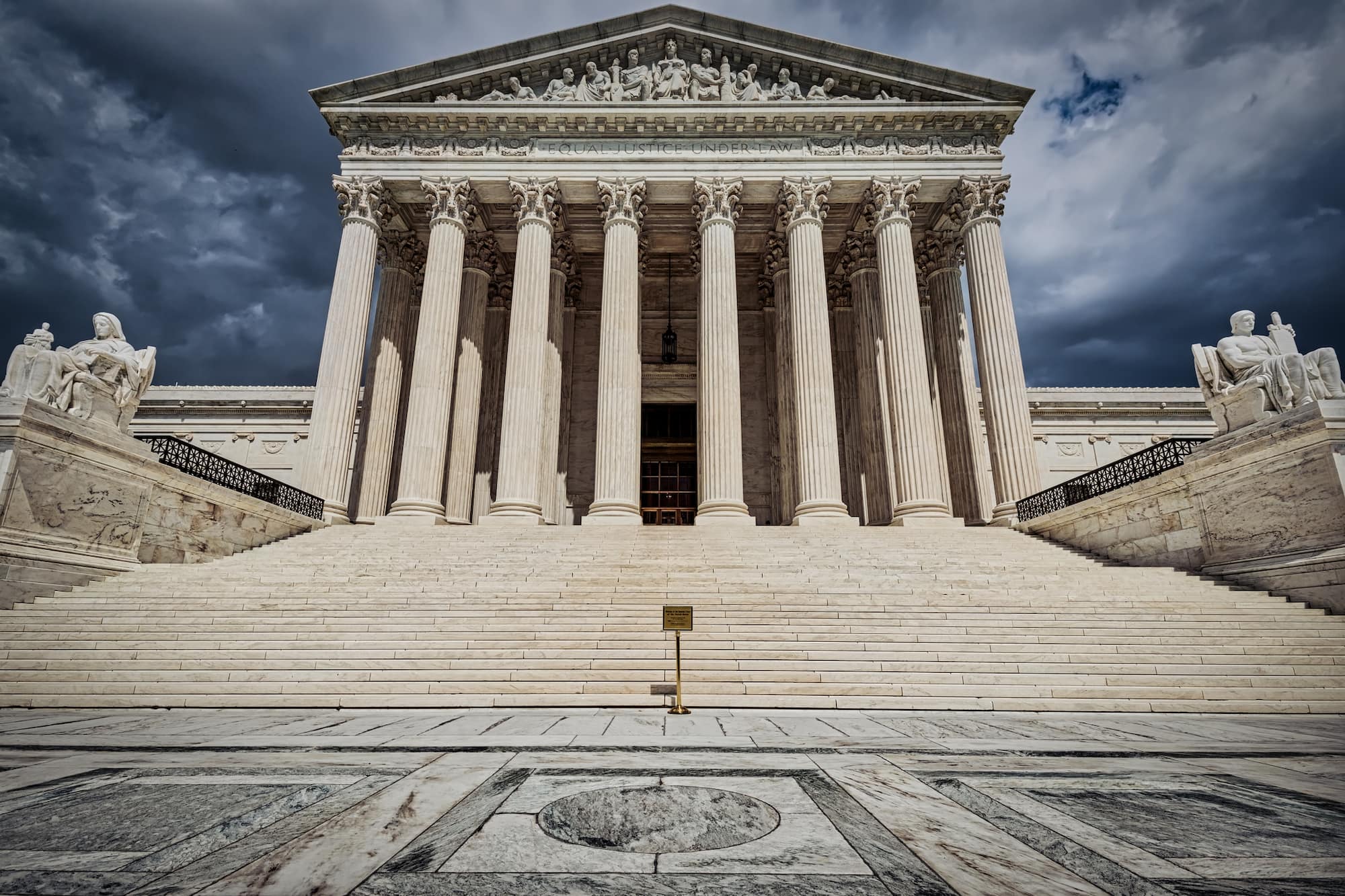
President Trump’s IEEPA tariffs Supreme Court ruling could potentially reshape international trade. On November 5, the Supreme Court will hear two consolidated cases – Learning Resources v. Trump and Trump v. V.O.S. Selections. In V.O.S. Selections vs Trump, the US Court of Appeals argues that the IEEPA does not authorize sweeping tariffs. Trump recently used the IEEPA (International Emergency Economic Powers Act) to impose reciprocal tariffs for most US importers. Due to the situation’s urgency, the Supreme Court agreed to review the case on an expedited schedule. The outcome of the ruling may significantly impact trade for shippers and the US government.
What Are The Major Risks for Trade From Trump’s IEEPA Tariffs Supreme Court Ruling?
The Supreme Court’s ruling has various risks, including redefining presidential authority over trade and policy. If the court rules against the Trump administration, the scope of what presidents can do under IEEPA may be limited. Also, if the court declares some or all of the tariffs unlawful, importers could be eligible for refunds. Even if refunds happen, only those who meet strict deadlines and compliance protocols may be eligible. For example, importers must file protests within 180 days in advance, which businesses may be unaware of. Enforcement of the tariffs may continue as the government appeals or reorganizes policy despite the court finding them illegal.
If the Supreme Court rules for Trump’s levies, the presidential powers may expand, resulting in greater unilateral tariff enforcement. Another concern is that global trade relationships will be strained if the tariffs stay. Some of the US’s largest importers, like China, Mexico, and Canada, have protested the levies. A ruling on the tariffs could lead to retaliatory measures or prompt the countries to seek other trading partners. Various supply chains could also be disrupted by the tariffs, as import costs rise significantly. The costs could fall on different parts of the supply chain, including domestic shipping, and on customers if the importer is a business.
How Importers Should Prepare
Due to the potential impact the ruling will have on shipping, the importer should prepare beforehand. Shippers must review past imports to determine if the tariffs fall under legal challenge. Being current with the court case by reading news articles is also essential. Shippers must also check liquidation dates to ensure that CBP (Customs and Border Protection) has not finalized the entry. Shippers should file protests to preserve refund rights if the Supreme Court rules against the Trump Administration. It is crucial to plan the following action if the tariffs stay in place. This can mean returning supply chains to the US, shipping in bulk to avoid excess costs, etc.
Although the Supreme Court’s ruling could significantly impact international shipping, it should not stop cargo movement. However, the shipper must take appropriate actions to prevent disruptions like delays and monetary loss. An ideal way to prepare when shipping cargo internationally is by contacting a freight forwarder. Forwarders act as the middlemen between the shipper and carrier and coordinate the cargo’s movement. They offer solutions like customs clearance, international and domestic shipping, warehousing, and more. Forwarders also provide consultation to educate the shipper on the best steps for transporting goods to the final destination. Speak to our forwarders at info@a1wwl.com or 305-425-9752 for assistance with exporting and importing into the US.