CIT Denies Section 122 Tariff Stay

CIT Denies Section 122 Tariff Stay

The legal fight over tariffs remains, as the CIT denies a Section 122 tariff stay. President Trump originally imposed the Section 122 tariffs as a response to the Supreme Court striking down the IEEPA tariffs. On May 7, the Court of International Trade (CIT) ruled...

EU Finalizes A US Trade Deal

EU Finalizes A US Trade Deal

Trade between the US and the European Union (EU) may soon benefit as the EU finalizes a US trade deal. On May 20, European Commission President Ursula von der Leyen announced a provisional agreement to remove duties on US goods. Likewise, the US agreed to maintain a...

Section 122 Tariffs Ruled Illegal

Section 122 Tariffs Ruled Illegal

Section 122 tariffs ruled illegal following a decision by the Court of International Trade (CIT). On May 7, the CIT announced that President Trump’s Section 122 tariffs were unlawful and harmful to businesses. Enacted by the Trump Administration in February 2026, the...

Tariff Refunds Starting May 12

Tariff Refunds Starting May 12

Importers into the US could soon receive payments with the first wave of tariff refunds starting May 12. Following the Court’s striking down of Trump’s International Emergency Economic Powers Act (IEEPA) tariffs, the Customs and Border Protection (CBP) began...

Supreme Court Ruled Against Trump’s Tariffs

Share This Article

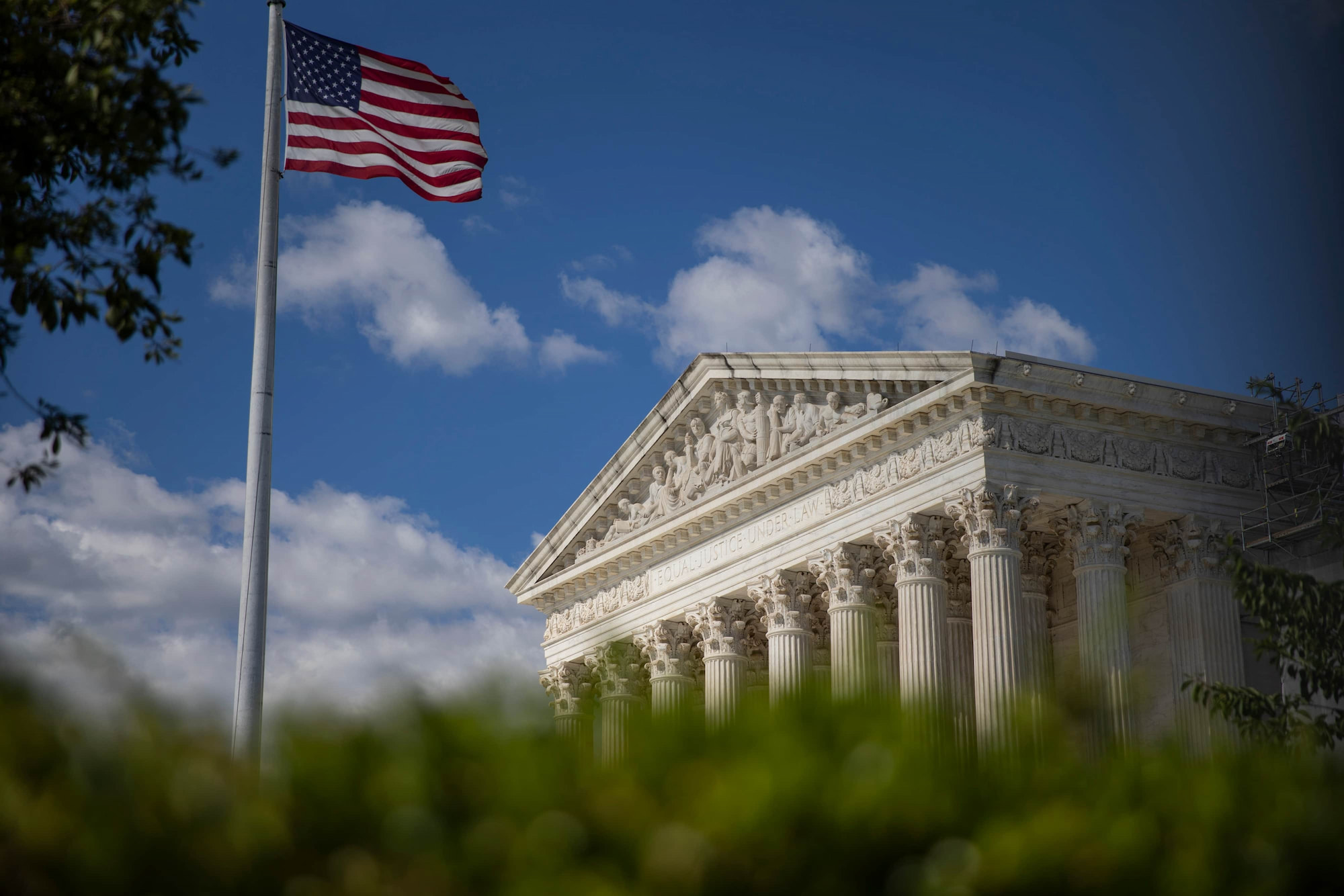
The Supreme Court ruled against Trump’s tariffs imposed under the International Emergency Powers Act (IEEPA) in a landmark decision. In April 2025, President Trump issued sweeping reciprocal tariffs on all countries importing into the US. Months after the announcement, an appeals court ruled that Trump’s tariffs were illegal in a 7-4 decision. Following the decision, the Supreme Court announced that it would hear the case, and an oral announcement began in November 2025. Due to the case’s significance, the court justices agreed to decide it on an expedited timeline. On February 20, 2026, the Supreme Court ruled that Trump exceeded his authority in imposing levies.

Why The Supreme Court Ruled Against Trump’s Tariffs.

In a 6-3 decision, the Supreme Court justices concluded that Trump could not rely on the IEEPA to impose levies. The belief is that the president cannot impose broad tariffs without definite congressional approval. This affirmation reaffirms that the power to levy taxes lies with Congress. The Trump Administration’s original argument for the levies was to address unfair practices by trading partners and boost the economy. Economists believed it would have a negative effect, hurting the economy by creating inflation. Although reciprocal tariffs issued under the IEEPA were struck down, others issued by Trump under separate laws remain. The president could also use other legal authority to reimpose tariffs.

Trump Response to Supreme Court Tariff Ruling

President Trump’s immediate response was to disapprove of the ruling and express disappointment with the justices. Trump further announced a 10% global tariff under a different legal authority (Section 122 of the Trade Act of 1974). Section 122 replaces the invalidated tariffs for up to 150 days. There is a potential that the Trump Administration may also impose Section 338 of the Tariff Act of 1930. This act allows the president to impose tariffs up to 50% on imports from countries that “discriminate” against the US.

What Can This Mean For Shipping?

Given the volume of goods entering the US, the Supreme Court’s decision will significantly impact shippers. Importing into the US could become less expensive, leading to more goods entering the country. Despite the removal of tariff pressure on international shipping, uncertainty remains in the industry. With the court declaring the tariffs unlawful, importers could be entitled to refunds. Even if refunds happen, only those who meet strict deadlines and compliance protocols may be eligible. We Pay The Tariff, a coalition of 800 small businesses, has begun demanding refunds, launching a national sign-on letter to the Trump Administration and Congress for “full, fast, and automatic” tariff refunds. Currently The Supreme Court does not provide specific guidance for a refund process.




A1 Worldwide Logistics, Inc.

📍1035 NE 125th St #320, North Miami, FL 33161, USA

🌍 a1worldwidelogistics.com

📞 305-821-8995

🕒 Hours: 8AM – 5PM

Send your request

The government has denied the CIT's motion for a Section 122 tariff stay.

CIT Denies Section 122 Tariff Stay

The tariff battle is far from over. The Court of International Trade (CIT) has denied the government’s request to pause enforcement of its ruling striking down President Trump’s Section 122 tariffs.

What should shippers understand with the first wave of tariff refunds starting May 12.

Tariff Refunds Starting May 12

Big news for importers! The first wave of tariff refunds is set to begin May 12, giving businesses a long-awaited opportunity to recover funds paid under the now-overturned IEEPA tariffs.

Freight forwarding in Miami is an excellent opportunity for shippers.

Freight Forwarding In Miami

Whether importing into or out of the US, freight forwarding in Miami can be an ideal solution for your shipment.

International shipping is feeling the affect as the Strait of Hormuz is still clogged.

Strait Of Hormuz Is Still Clogged

Global shipping is feeling the pressure as the Strait of Hormuz is still clogged amid escalating tensions involving Iran, Israel, and the United States.

movimiento de carga aereo,maritimo y domestico que usan un agente de carga.

¿Por qué es importante elegir un buen agente de carga?

Un buen agente de carga internacional puede marcar la diferencia en el éxito de sus envíos. Conozca los riesgos de no utilizar uno confiable y las cualidades que debe buscar.