Why Use Warehousing Services?

Why Use Warehousing Services?

When deciding whether to ship internationally or domestically, consider why you should use warehousing services. Warehousing is a logistics solution that involves storing goods in a specialized facility. From there, the warehouse can provide many value-added services...

How to Ship Goods Internationally: A Guide for Businesses

How to Ship Goods Internationally: A Guide for Businesses

Shipping goods internationally can mean very different things depending on what you are moving. Sending a box overseas with a parcel carrier is one process. Moving pallets, machinery, a full container, or commercial inventory between countries involves freight...

How to Choose a Freight Forwarder

How to Choose a Freight Forwarder

Choosing a freight forwarder should involve more than comparing freight rates. The company you choose may be responsible for coordinating carrier bookings, shipping documents, international transportation, customs clearance, and final delivery. When everything goes...

How to Choose the Right Customs Broker

How to Choose the Right Customs Broker

Choosing a customs broker is an important decision for any business or individual importing goods into the United States. Your broker can help prepare your customs entry, classify your goods, calculate duties, manage documentation, and communicate with U.S. Customs...

The US And Iran Reach A Deal

Share This Article

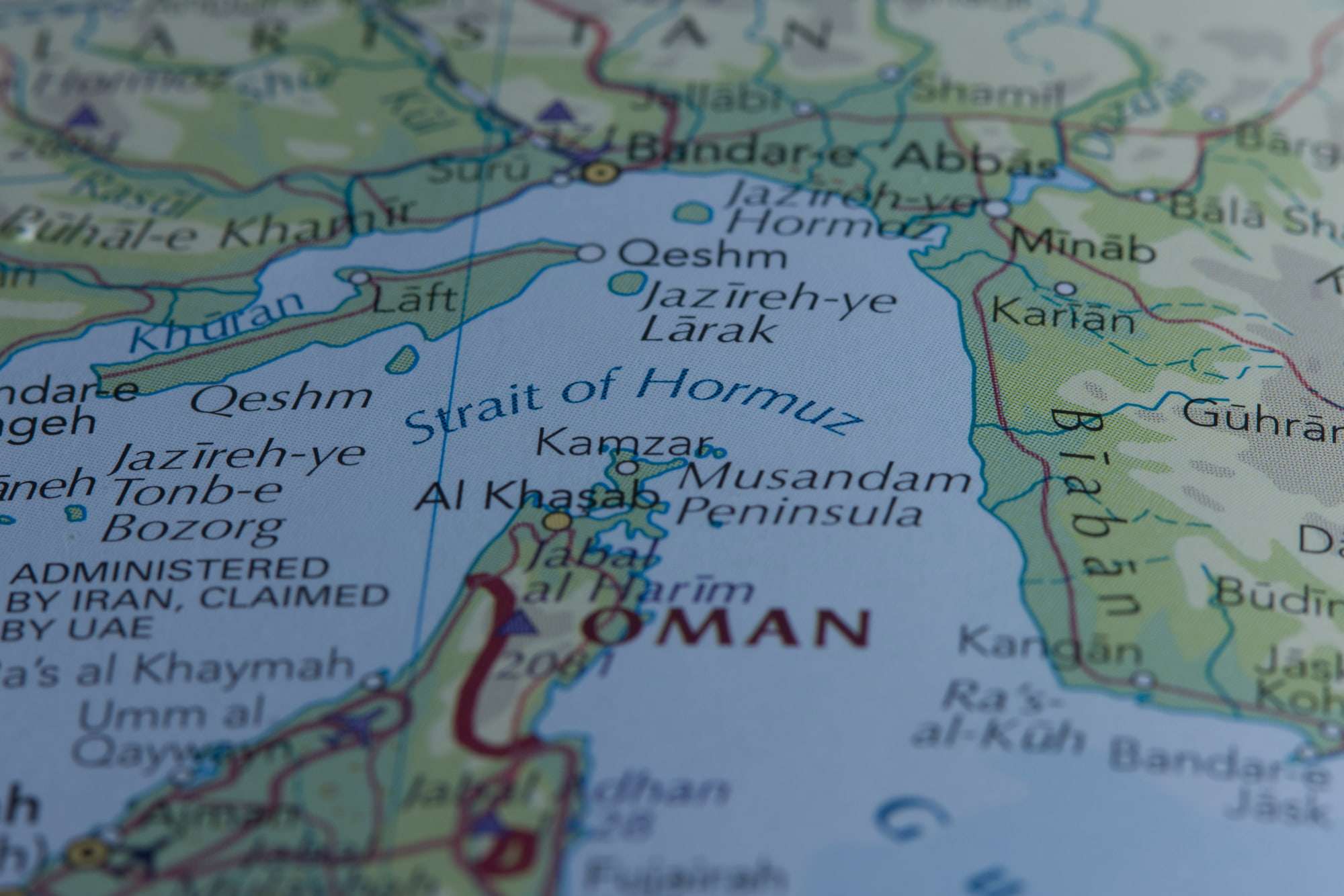
The US and Iran reach a deal to open the Strait of Hormuz following months of tension between the nations. On June 14, President Trump announced that the countries reached an agreement to end the war that closed the strait. Although Trump has not yet released the full terms of the agreement, the countries will meet to sign the deal. Some of the terms of the temporary agreement include:

  • The US will lift its blockade of the strait in 30 days.
  • The US will suspend sanctions on Iranian oil
  • Both sides will primarily end military operations on all fronts

Following the signing, the countries will have 60 days to reach a final agreement.

Why Was The Straight Closed?

The Strait of Hormuz was originally operating at limited capacity due to escalating conflict between Iran and its neighboring adversaries. Recent US involvement further increased tensions and led to a greater closure of the strait. With the waterway being responsible for nearly 20% of the world’s oil and liquefied natural gas (LNG), this left a strain on shipping. The cost of oil imports rose significantly, and these higher costs were passed on across numerous supply chains. Domestic shipping also incurred higher costs, as trucks transported the cargo to the final destination. Carriers transporting cargo were delayed or stuck, further disrupting supply chains. After months of back-and-forth, the economies reached a deal to prevent further disruptions.

What Could The Shipping Industry Expect As The US And Iran Reach A Deal?

Given the Strait of Hormuz’s importance to global shipping, a deal can positively impact the industry. As shippers export more oil through the strait, gas and other commodity prices may decline. The cost of shipping goods that pass through the strait, such as fertilizers and oil, may also decrease. In turn, costs across supply chains, including those that pass through the strait, may also go down. Ships that use the waterway as a shortcut may not need to reroute, which can lead to delays. It is important to note that the countries will still have 60 days before finalizing a deal.

As the strait reopens, it can be more beneficial to import into and from the US. Despite the benefits, shippers should understand what to expect when starting. Failure to understand can lead to delays and monetary loss. An ideal way to begin is to speak with a 3PL (third-party logistics) provider like A1 Worldwide Logistics. 3PL’s are service providers that assist with various aspects of the supply chain. Some solutions they offer include freight forwarding, customs clearance, trucking, and more. They also provide consultation services to ensure a successful shipment. Contact us at info@a1wwl.com or 305-425-9456 to learn about our 3PL solutions for shipping your cargo anywhere in the world.

A1 Worldwide Logistics, Inc.

📍1035 NE 125th St #320, North Miami, FL 33161, USA

🌍 a1worldwidelogistics.com

📞 305-821-8995

🕒 Hours: 8AM – 5PM

Submit your request

Beer Imports Surpassing Wine Imports

Importing Alcohol and Wine Into the USA: A Guide for Businesses

Before a winery dispatches a commercial order to the United States, the importing business should have its permit and product approvals in order. For bottled wine containing 7% to 24% alcohol by volume, this generally includes a TTB importer’s basic permit and a...
Customs Clearance Process & Costs

How Much Does Customs Clearance Cost in the USA?

Customs clearance costs for U.S. imports can include the broker’s fee, import duties, and government processing charges. A shipment may also need a customs bond or additional filing services. The amount depends on the goods and the work involved, so the advertised...
Importing Tobacco the USA - Customs Guide

Importing Tobacco and Cigars Into the USA: A Guide for Businesses

Commercial tobacco imports require a permit from the Alcohol and Tobacco Tax and Trade Bureau, or TTB, before the business begins importing. The products must also meet the U.S. requirements that apply to their category. A permit to operate does not establish whether...
Import and Export. IOR.

What Is an Importer of Record? A Guide for U.S. Imports

The Importer of Record, usually shortened to IOR, is the party legally responsible for the customs entry when goods are imported into the United States. For a business buying goods from an overseas supplier, this will often be the U.S. buyer. Other arrangements are...
Importing Electronics

Importing Electronics Into the USA: A Guide for Businesses

Importing electronics into the United States can involve more than arranging freight and filing a customs entry. Depending on the equipment, you may need to check FCC authorization, lithium-battery transport requirements, product-safety rules, country-of-origin...