New Regulations Reshaping Logistics
International and domestic shipping could soon see new regulations reshaping logistics industry compliance. In the last few months, two regulatory decisions have impacted five major sectors of the logistics industry. These include freight brokers, freight forwarders, Non-Vessel Operating Common Carriers (NVOCCs), customs brokers, and warehouse operators. The first development was the Montgomery v Caribe Transport II ruling that freight brokers may be sued under state law. Next, on June 3, a White House order imposed stricter requirements on the Importer of Record (IOR) and increased vetting. The order targeted misclassification, undervaluation, illegal transshipment, and forced labor. These regulatory changes have caused the five sectors to reconsider their operations and change their compliance standards.
How Are These New Regulations Reshaping Logistics Industry Compliance?
Both of these regulations have changed compliance throughout the industry, with Montgomery v. Caribe Transport II directly impacting freight brokers. In the past, brokers used the FAAA to argue against lawsuits, noting that federal law preempted state laws. Now, freight brokers can face lawsuits under state laws, meaning they will have stricter vetting processes for carriers. Freight brokers will also require increased documentation requirements, which can expose non-compliant ones. Likewise, NVOCCs are indirectly affected by the Montgomery case, and they issue their own House Bills of Lading. NVOCCs also contract with third-party trucking companies to provide drayage services upon arrival at the port. They must also have conducted stricter vetting when selecting carriers.
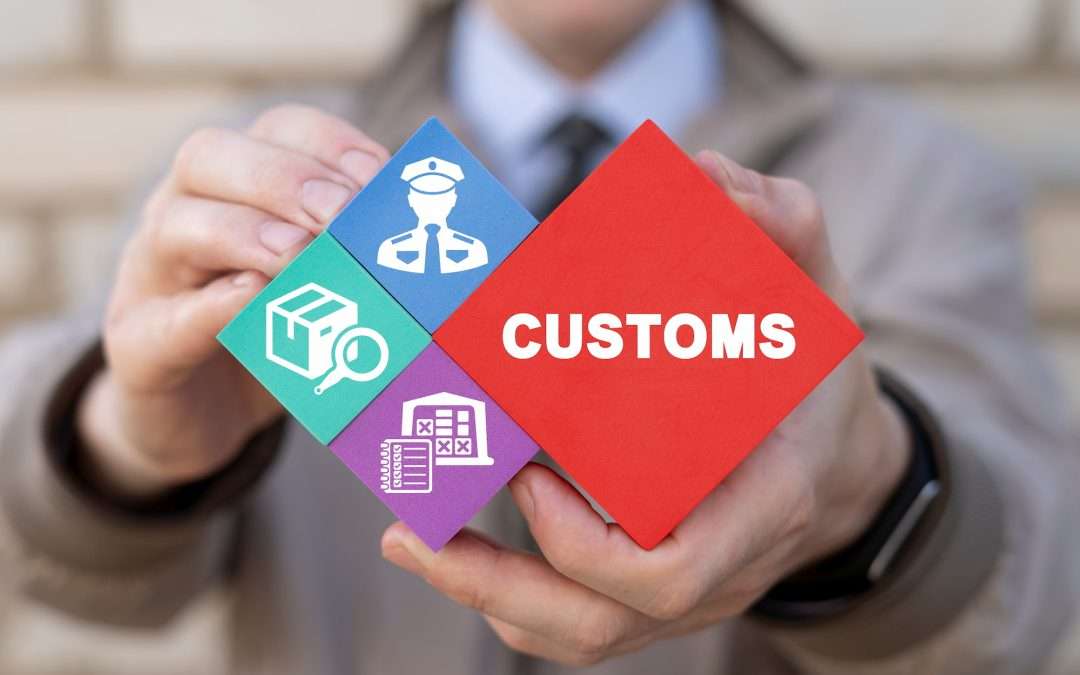
The June 3 White House order impacted customs brokers by requiring higher due diligence. Customs brokers now have to provide additional data to the Customs and Border Protection (CBP), including evidence that goods made in Xinjiang were not produced with forced labor. Failure to comply can lead to significant penalties. For freight forwarders, the June 3 order also requires additional documentation requirements and increased vetting by the CBP. The Montgomery ruling is affecting forwarders, too, including their relationships with freight brokers and carriers. Warehouse operators are also impacted by the Montgomery ruling, since a damaged shipment leaving a warehouse is part of the chain of evidence during a lawsuit against a freight broker.
A1 Worldwide Logistics
As regulations continue to reshape the logistics industry, shippers must understand how it can impact their shipments. Failure to understand can disrupt the shipping process, leading to delays, financial loss, and cargo loss. Shippers can navigate disruptions by speaking to a 3PL (third-party logistics) provider. A 3PL is a company that handles various parts of a client’s supply chain. These can include freight forwarding, customs clearance, domestic shipping, warehousing, and more. 3PLs also offer consulting services to help you navigate various regulations when shipping your cargo to and from the US. Reach A1 Worldwide Logistics at info@a1wwl.com or 305-425-9456 to ensure your cargo reaches the final destination.