Indonesia Banning Palm Oil Exports
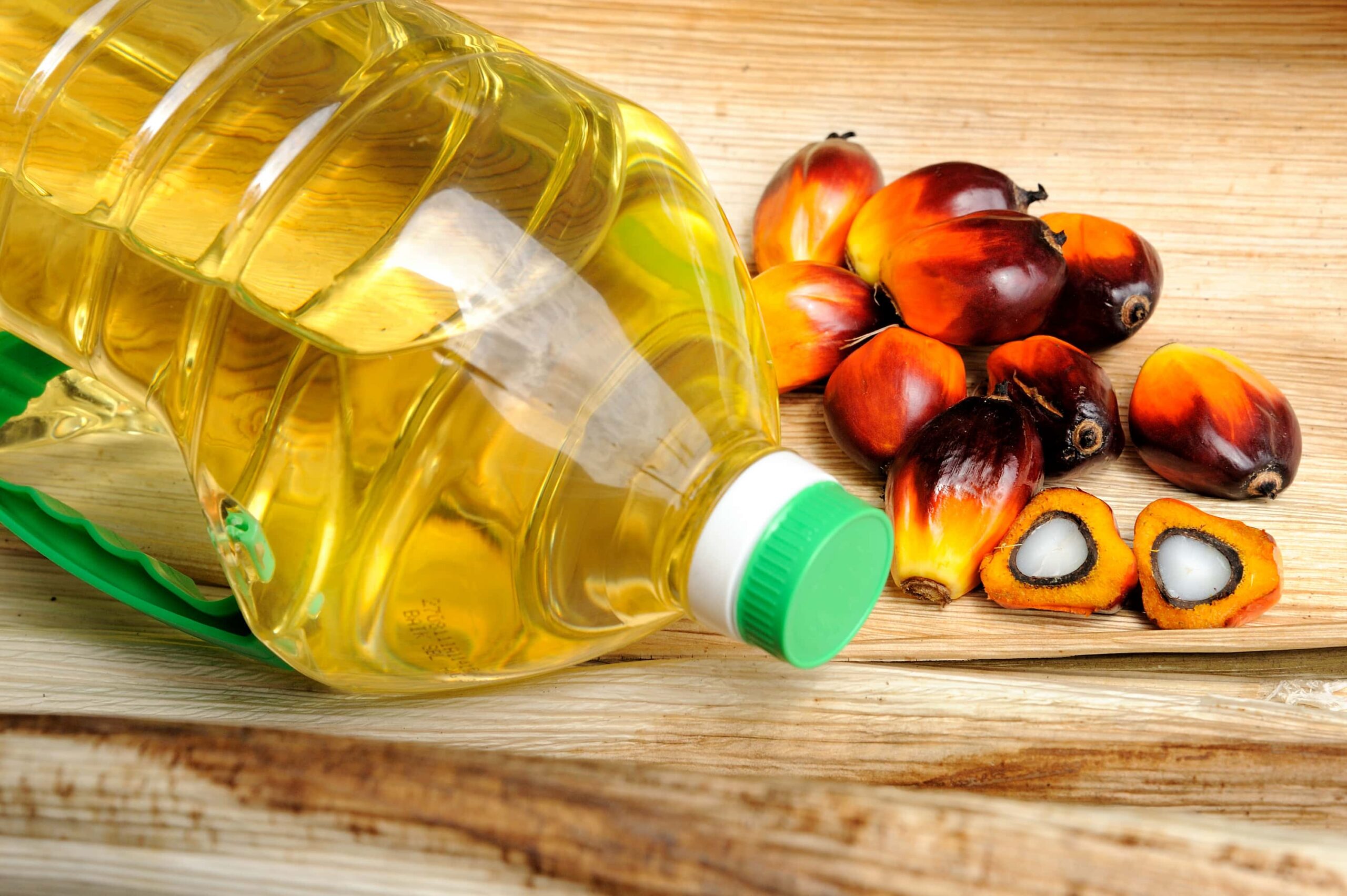
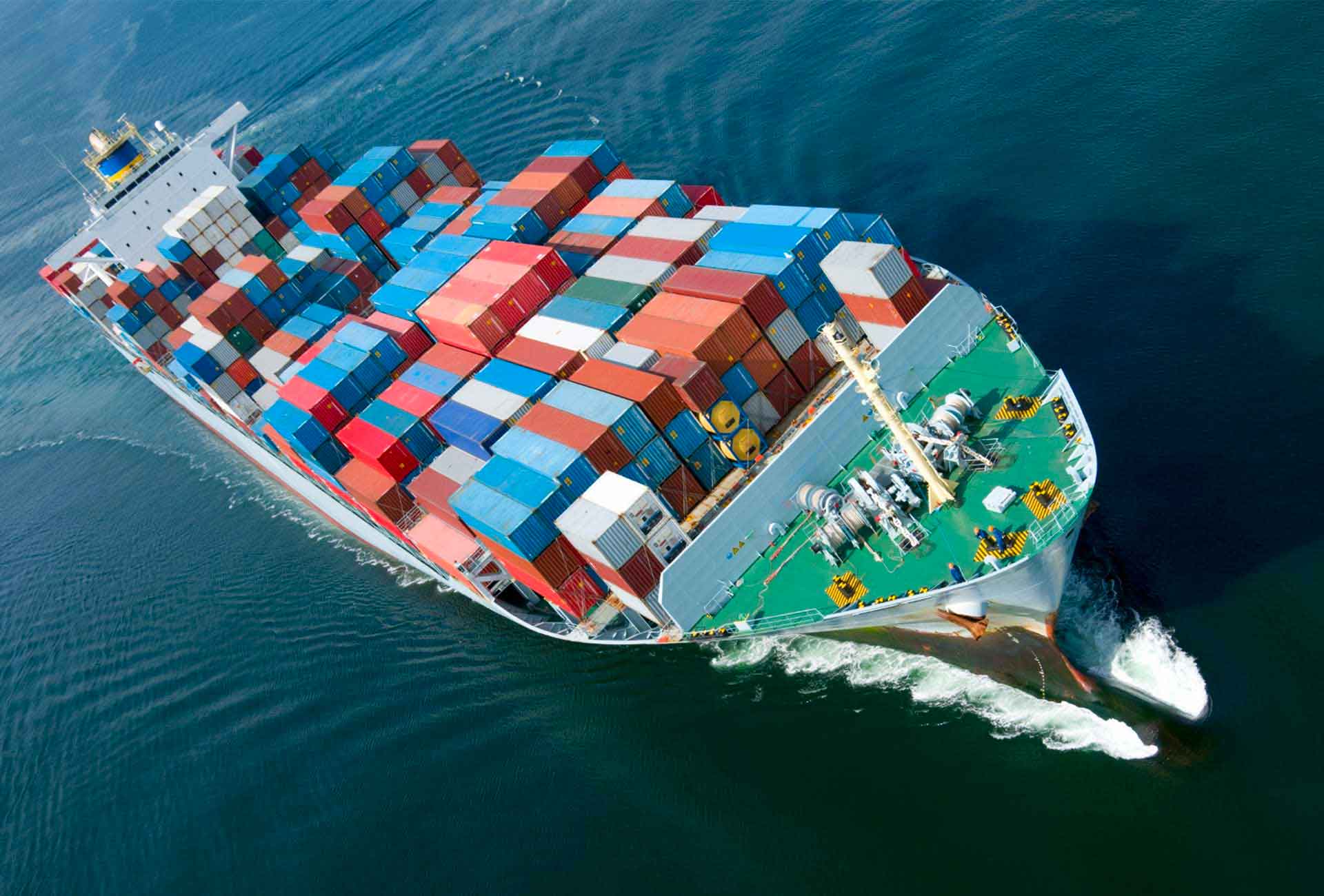
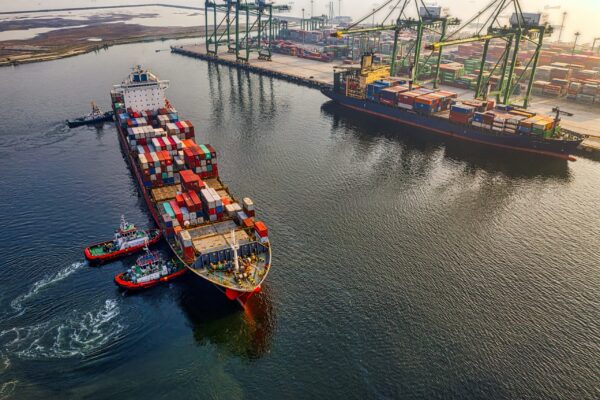
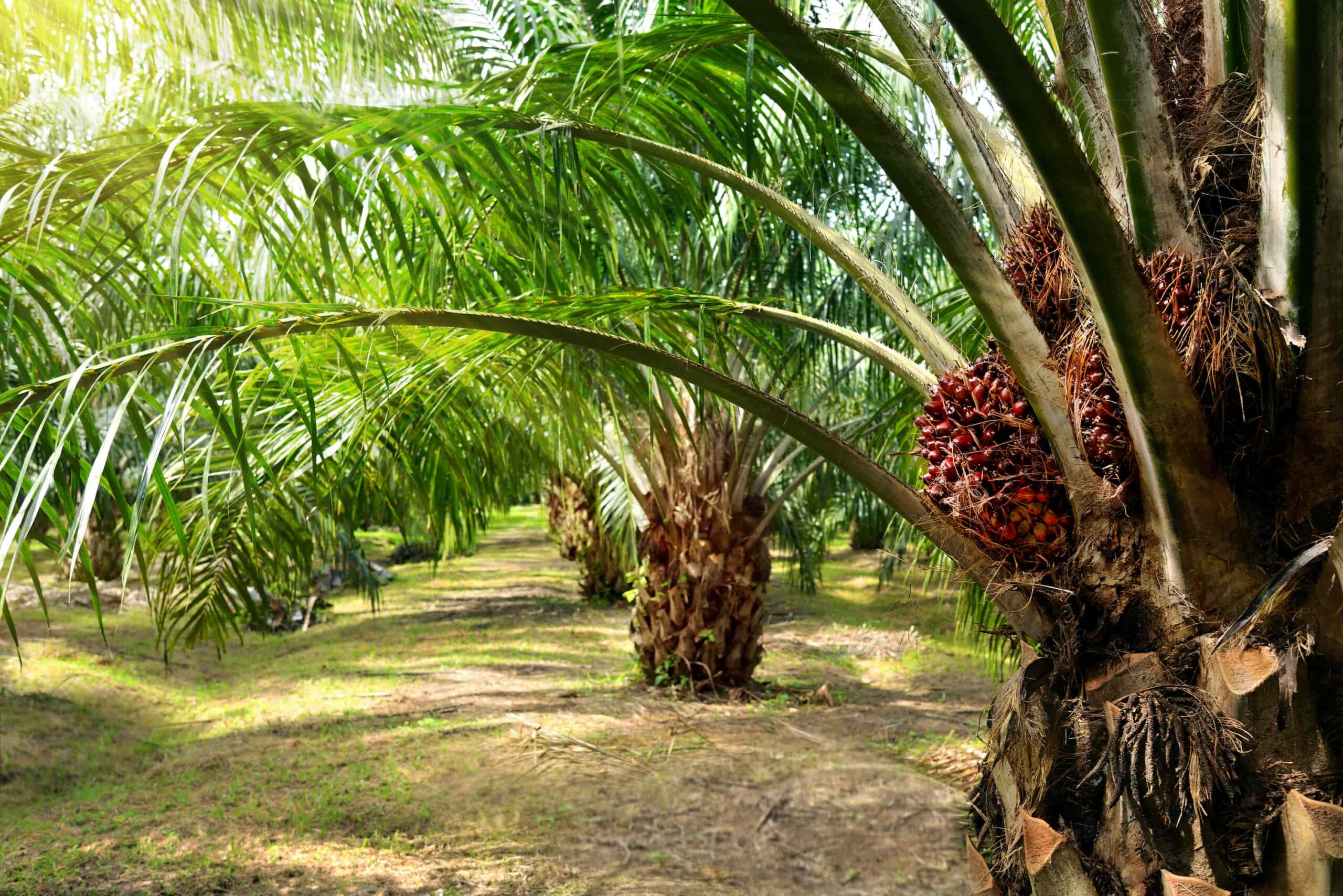
On April 28, the Indonesian government began banning palm oil export. At first, the export ban included only bleached, refined, and deodorized palm oils. However, very soon the ban got to include all types of palm oils. Palm oil is an edible oil used in many food products, detergents, cosmetics, and other products. 60% of the world’s palm oil is estimated to be produced and exported from Indonesia.
Why Is the Ban Happening
One of the main reasons Indonesia is banning palm oil exports is to boost domestic availability. The amount of palm oil available for use in Indonesia has decreased significantly due to rapidly rising prices. In a few months, the price of palm oil has increased by over 40%. Situations such as the COVID-19 pandemic and the war in Ukraine have increased demand for palm oil, as it is a substitute for sunflower oil, which Russia and Ukraine traditionally produce and are now scarce due to the war and economic restrictions. Producers in Indonesia have raised the price to a point where locals can no longer afford to buy the product. There have been protests on the streets of Indonesia due to the shortage.
Authorities in Indonesia have stated that the ban will remain in place until affordability and availability improve in the country. However, analysts predict that Indonesia could shorten the span to a few weeks. This is because palm oil is an ingredient in many food products globally (such as chips, Oreos, candy, and cereal). A short export pause can hurt Indonesia’s economy and the global food economy.
With Indonesia consuming around 33% of its palm oil production, the ban will quickly raise the availability in the country. The ban may create opportunities for countries like Colombia, Malaysia, and Thailand to export palm oil.
The Effects of Banning Palm Oil
Banning palm oil may have different effects on both local and worldwide buyers. The first of them is, obviously, a generalized edible oil inflation. The export ban will be beneficial for Indonesian citizens because it could lower the price of palm oil, but since the ban is for exporting the goods, it may negatively affect importers outside of Indonesia. As previously mentioned, countless food manufacturers use palm oil as an ingredient. The cost of palm oil is relatively cheap, making the finished product affordable for the customers. Without access, manufacturers may have to purchase more expensive oil options, increasing the price of the finished good.
Many importers have already decided to look at different countries like Malaysia to purchase palm oil. Responsible for producing 25% of the world’s palm oil, Malaysia is the second-biggest producer after Indonesia. The global demand has also moved to alternatives like soybean oil. The problem is that Argentina, the biggest producer of soybeans, is currently in a drought. Export taxes for soybean oil have also risen as a direct response to the war in Ukraine. Despite the issues presently being faced, the futures prices for soybean and palm oils have risen to record heights.
When the Indonesian government lifts the ban, the demand to export palm oil and other goods will still be existent. If you are a producer of palm oil or need to import palm oil into the U.S., Contact A1 Worldwide Logistics at 305-821-8995. Our skilled importers will guide you through the shipping process. We also offer customs brokerage services for goods coming into the U.S.
#exports #imports #COVID-19 #Indonesia #Ukraine #Russia #logistics #palmoil #exporting #customsbrokerage