Everything changes through time, that is how it survives. This is true for living animals, plants and even organizations. One such industry that is looking to change with the times is international shipping; as being responsible for about 3% of global greenhouse gas emissions has brought to light the problem the world is facing with this group.
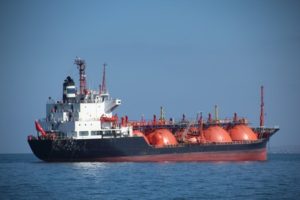
The International Maritime Organization (IMO), the global standard-setting authority for the safety, security and environmental performance of international shipping, is seeking alternative fuels. Though initially biofuels will be used, the future of water-based shipping is believed found in hydrogen.
Why Hydrogen?
Pro-Environment- Motors that run off of electricity generated from a hydrogen fuel cell produce no emissions.
Hydrogen fuel cells in shipping engines will help put a substantial dent in the number of pollutants being produced on the planet, helping clean up our atmosphere.
Easier Access- With the inclusion of batteries and a device known as an electrolyzer, the entire system can produce hydrogen from seawater. This is a naturally abundant resource and could help with maintaining an ever-present fuel supply.
What Does that mean for Shipping Costs?
Many companies may see this rise in a new fuel source as being all fine and good, but the but most businesses are looking for the bottom dollar here. Will this effect shipping costs, will I have to pay more for fuel, what about the price of converting over to these new engines?
The first hydrogen being the cleaner of the two fuels means it would limit the pollutant emissions, and thereby the company itself would not have to worry about overstepping boundaries set up and fined for their infractions.
Next to consider is fuel cost and the effectiveness of it. Seeing as the easy access to hydrogen energy via the application of an electrolyzer as stated earlier in writing. This allows for a more readily and cost-effective supply of energy. Now that being said hydrogen is not perfect, hydrogen power cells have a lower limit of energy storage than their counterparts.
And finally, with the production of fuel cells on the rise, as many more companies have already mapped out their plans to embrace the change from fossil to renewable fuel, so too will the cost of the fuel cells go down.
The Future is on its Way
We are not manning the same vessels we had one hundred years, fifty years or even in many cases ten years ago, so why should we be using the same fuel. This could be the dawning of a new era in fuel, with it becoming more efficient, cost-effective and cleaner than it has ever been. Make sure you are not left behind.
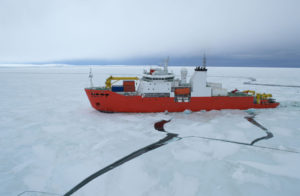
Last year, during August, the Russian Icebreaker the Christophe de Margerie burst into maritime headlines as it completed a record-setting journey of the Northern Sea Route (NSR). The Christophe de Margerie completed a 2,193-nautical mile journey through the NSR in just under seven days, nearly thirty percent faster than the traditional Suez Canal route.
But what does this mean for international transport?
This shows that there is a possible newer and faster route opening up for possible freight transport.
Let’s take a closer look at what this means as a whole for the international shipping industry.
Maritime Traffic in the Arctic
Though maritime traffic already exists within the Arctic, this primarily consists of bulk cargo vessels transporting natural resources. The Christophe de Margerie opens up many new possibilities for international transport.
Perks and Drawbacks
The benefits of using this route are pretty evident, its length. Because of its location at the northernmost part of the Earth, the traveling distance is condensed, allowing for a more direct traverse to become transported. The Northern Sea Route taken by some of the most significant manufacturing countries and continents such as the U.S., Russia, Asia and Europe. With that the amount of fuel these countries consume to transport their goods will go down, leading to a decline in fuel costs.
The drawbacks are pretty evident too. The Arctic is as unforgiving an environment as you can get. With temperatures dropping to around negative one hundred, this can damage the machinery powering a ship. This alongside much of the Arctic still being filled with thick ocean ice means the environment is doing everything it can to halt the ship’s travel. The ice floes that exist in the Arctic are unpredictable and can impede a ship’s voyage through the Arctic. All of these elements can also endanger those aboard the boat, causing injury and fatigue to be a worrisome possible side effect.
Is it Viable?
The world of technology is changing and advancing every day. With new ships being modeled and built in the same vein as the Christophe de Margerie the future of expedited maritime shipping can lead us north, to the seas of the Arctic. Commercial transportation is viable through the Northern Sea Route.
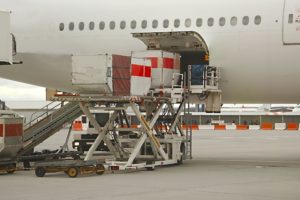
Last year saw a couple of impressive growths regarding airfreight and transportation. We saw a year over year (YOY) growth of 4.5 percent for worldwide air cargo volume. Playing off of this fact airfreight saw a 9 percent growth, which is the most significant growth since 2010. Now, this all sounds well and good for last year, but what does that mean for a year that we have only been in for a month?
An Optimistic Future
During the beginning of January, a survey done by a passenger and cargo executives for the IATA Airlines Business Confidence Index. They found that there was an improvement in the year-on-year profitability in the final quarter of the year. The
IATA expects a robust demand growth on both freight and passenger sides of the business.
There are some who believe airfreight shipping will take a hit due to the rising price of fuel, but the overall consensus is that this deficit will counteract from the from the final estimate.
There seem to be many conflicting ideas over how the profits will change throughout the year, but they seem mostly positive. The survey found that 41 percent reported an annual increase in freight yields, which was the second highest share since July 2011.
The purpose this survey has served is to identify some specific company’s profit increase over the previous year. They then run this parallel to earlier years in which the profit percentage increase mirrors that of those years. They can then see what the pro
fit increase for the following year was like, and can then make an educated estimation of how the coming year will be.
With the committee that did this research assured that this year would see an increase in air cargo profits.
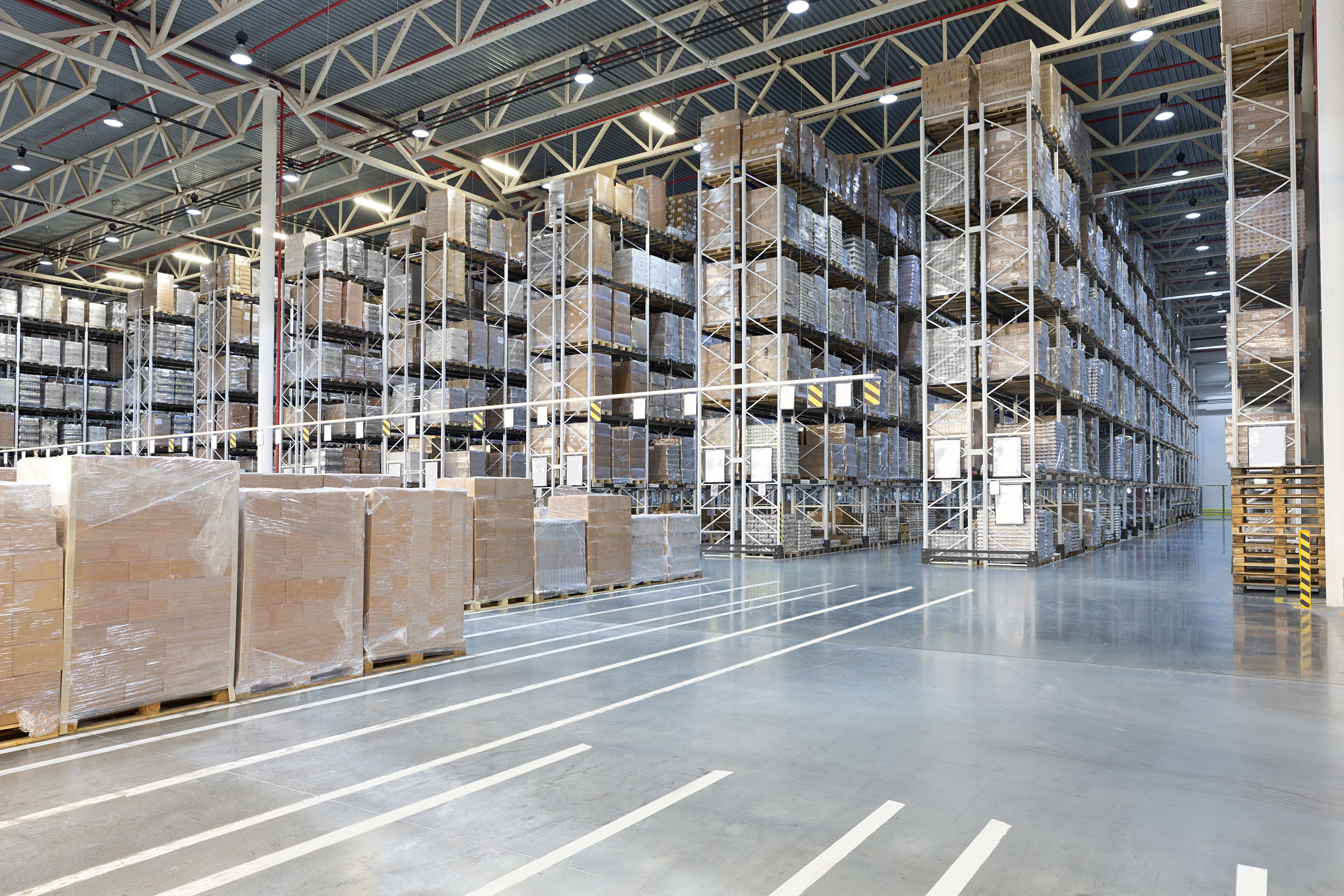
When not transporting your goods, you will need to find a location to store them. This is where a warehouse becomes a vital necessity. But, considering you are housing valuable items meant to bring in revenue to your company you may be wary, or concerned as to where you choose to store your goods. Allow us to give you some tips on things to look out for when selecting the warehouse; you wish to hold your items.
Dock Doors
Look at the doors. Get a sense of their size, the type, the number and location of the entries. These will determine the efficiency at which you will be able to transport your goods, too and from, the site.
Location and Accessibility
The location of the warehouse is essential in determining if it can be a reliable place to store goods. Does the site have freight fans or drayage expense? What is its proximity to quality labor or other resources?
Accessibility from freeways is essential, as closer proximity will allow for a more comfortable time regarding picking up and dropping off of goods. This goes into their availability to rail as well; this could potentially bring in rail carrier and interchange expenses.
Ceiling Height
This may sound silly, but it has to be taken into account. It must be appropriate for the commodities to be stored. The ceiling is too high can increase the cost of real estate, taxes, utilities, etc., and also low can reduce storage efficiencies.
Make sure that the offering price established for the warehouse matches the current market price of it. Do not let the warehouse owner have the ability to take advantage of you.
As the times change, so too does our technologies advance as well, where once there were wagons pulled by horses, now we have automobiles. Where there was coal powered trains, now many trains run on a combination of diesel and electricity. Everything changes, so the question examined, what is the future of transporting goods? We’ve seen an advance in trains and planes, but what about automobiles? Well, let’s take a look and answer “What is the future of truckload transportation?”
The Factors of the Future
There have been a lot of reasons rising lately as to what the future of shipping holds. Here are a few of the more substantial reasons as to why so much thought and concern brought to this discussion.
Capacity Concerns
Because of many carriers going bankrupt during the recession and others downsizing their fleets, there has been a reduction in capacity. This has not been an issue as of yet, but judging from the potential economic pickup, many shippers are concerned that truckload capacity will significantly tighten.
Fuel
With the constant shifts in the price of diesel, it is quite hard to judge if the fuel prices will benefit from hinder the transportation companies. As last reported, there appears to be an increase in the cost of diesel fuel as of this month.
Sustainability
Many companies are showing renewed interest in sustainability these days, and they are taking action on various fronts to improve the sustainability of supply chains.
What Happens Next?
Due to these issues, many shippers have moved a significant volume to intermodal, rail, and private fleets, and are making changes to packaging and investing in load optimization software to fit more products per case, pallet, and trailer, which results in fewer truckload shipments.



 Is Arctic Maritime Travel a Possibility?
 distance is condensed, allowing for a more direct traverse to become transported. The Northern Sea Route taken by some of the most significant manufacturing countries and continents such as the U.S., Russia, Asia and Europe. With that the amount of fuel these countries consume to transport their goods will go down, leading to a decline in fuel costs.

 Dock Doors
 This may sound silly, but it has to be taken into account. It must be appropriate for the commodities to be stored. The ceiling is too high can increase the cost of real estate, taxes, utilities, etc., and also low can reduce storage efficiencies.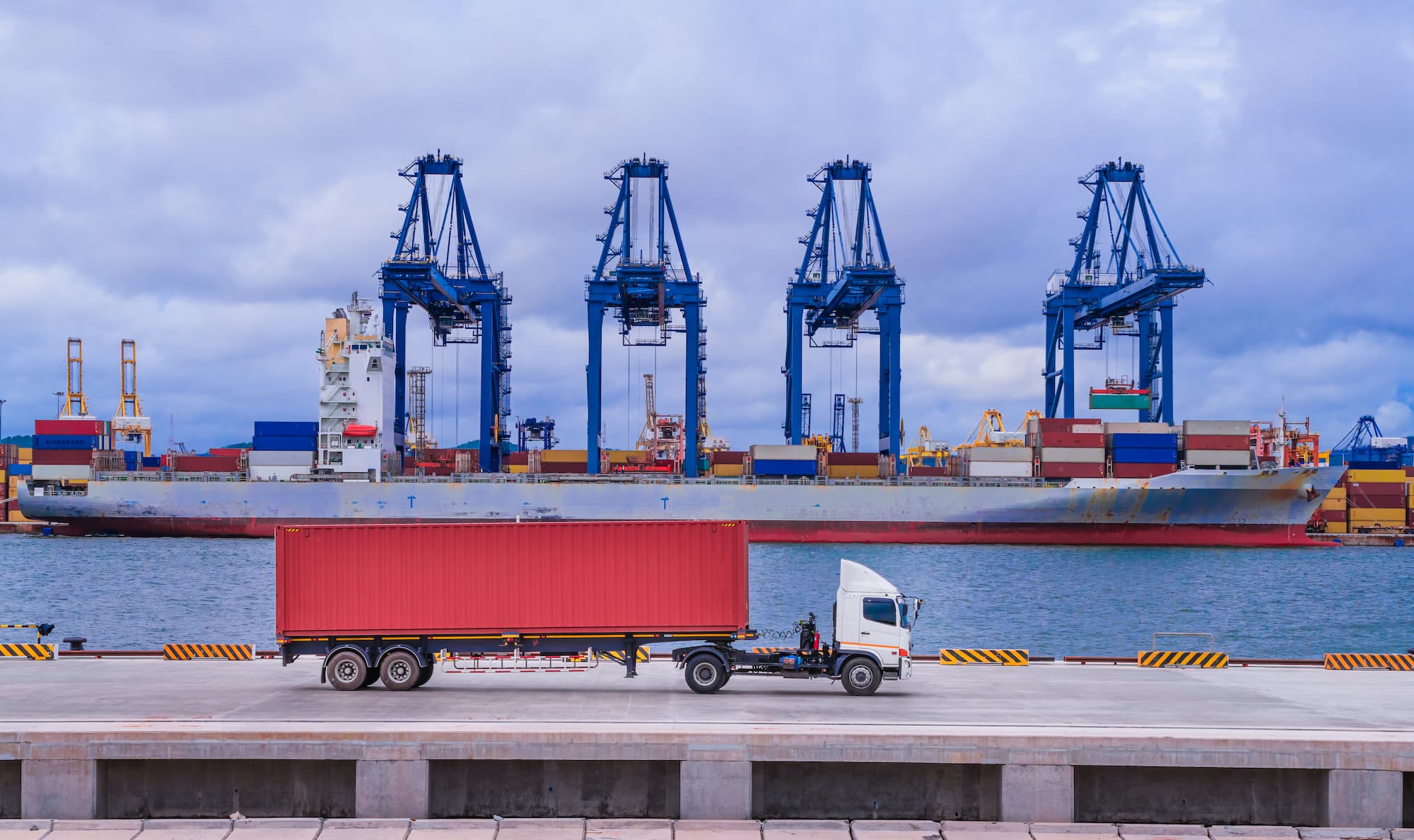

 1035 NE 125th St Suite #320, North Miami, FL 33161.
 a1worldwidelogistics.com
 (305) 821-8995
 Hours: 8AM - 5PM