
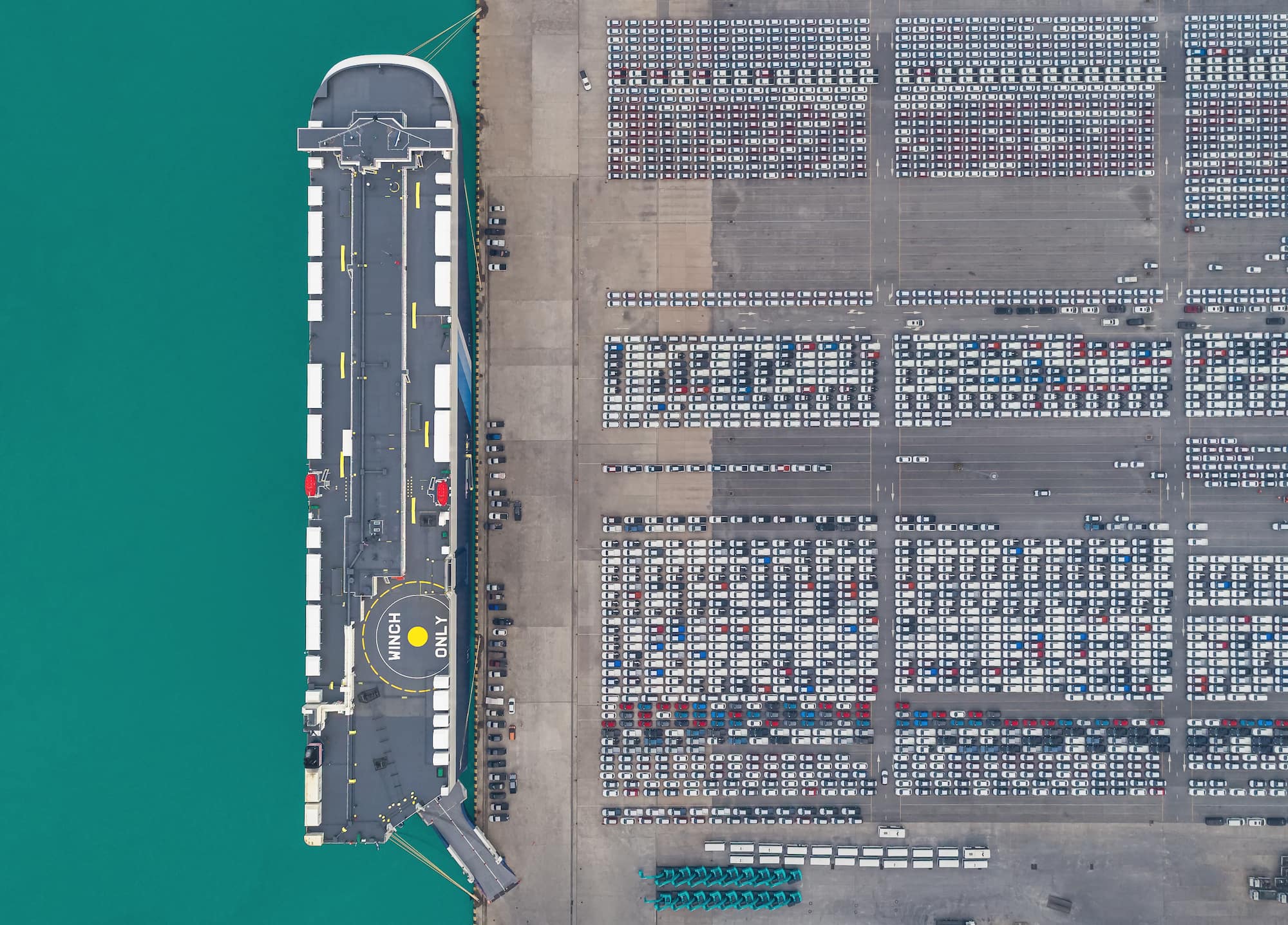
Importing Cars from Japan
Although importing cars from Japan can bring numerous benefits for importers, it can be challenging initially. Importers must follow many laws and regulations, and failure to do so can result in monetary loss. In particular cases, it may also result in shipment loss. Despite this, shippers consider Japan one of the biggest importers of cars internationally. In 2023, the Japan Automobile Manufacturers Association (JAMA) reported nearly 4.42 million vehicle exports from the country. In the same year, Japan brought over 1.2 million into the U.S. This article will introduce how to start the importation process.
What To Know Before Importing Cars From Japan?
Understanding the regulations for bringing Japanese cars into the U.S. is essential. For example, almost all 1997 or newer Japanese Domestic Market (JDM) cars are illegal to import into the U.S. JDMS are vehicles designed for the Japanese market. These types of cars are prohibited because they do not meet U.S. emission control and safety standards. There are ways to bypass these laws legally. It is also crucial that the importer prepares the car before shipping it. The U.S. Department of Agriculture requires that the undercarriage be sprayed and cleaned thoroughly before entering the country. The reason is that the undercarriage may contain foreign soil, which can contain dangerous pests.
Before importing cars from Japan, shippers should understand the costs involved. The shipping price usually starts around $1895; however, this number can increase based on the make and model. Other considerations include your shipping destination, transportation method, and departure port. Foreign-made automobiles are also subjected to 2.5% dutiable entry charges, whether new or used. All commercial imports into the U.S. require customs bonds valued at $2500 or more, including duty-free items. Importers should also know fees like storage, cleaning, and vendor costs.
What Is The Process For Importation?
When shippers are ready to import, they arrange transportation by contacting individual carriers or freight forwarders. Forwarders coordinate the movement of your shipment by finding ideal rates from a network of carriers. A standard method is by RoRo, a vessel that rolls cars on and off. The timeframe to transport a vehicle from Japan is roughly 4 to 6 miles, depending on various factors. Before the import reaches the U.S., the shipper must send the appropriate paperwork to the CBP. Some of the standard documents required for importation into the U.S. include:
- Bill of Lading
- Packing List
- Commercial Invoice
- Customs Bond
- ISF Filing
Other documents specific to vehicles include the EPA Form 3520-1 and the NHTSA Form HS-7. Since paperwork tends to be one of the most challenging parts of the process, shippers usually hire a customs broker. Customs brokers coordinate with CBP and provide documentation, payments, and other transactions on your behalf. Once customs releases the vehicle, the importer can use a freight broker’s assistance to transport it to the final destination.
While importing cars from Japan may seem attractive for companies and individual importers, things can still go wrong when starting. For example, not filing an ISF or filing it late can result in a $5000 fine per violation. There are also situations like congestion and cargo damage that are out of your control. Having assistance from a forwarder or broker is the best way to ensure the success of your shipment. Contact A1 Worldwide Logistics at info@a1wwl.com or 305-821-8995 to speak to our freight forwarders and customs brokers when beginning.

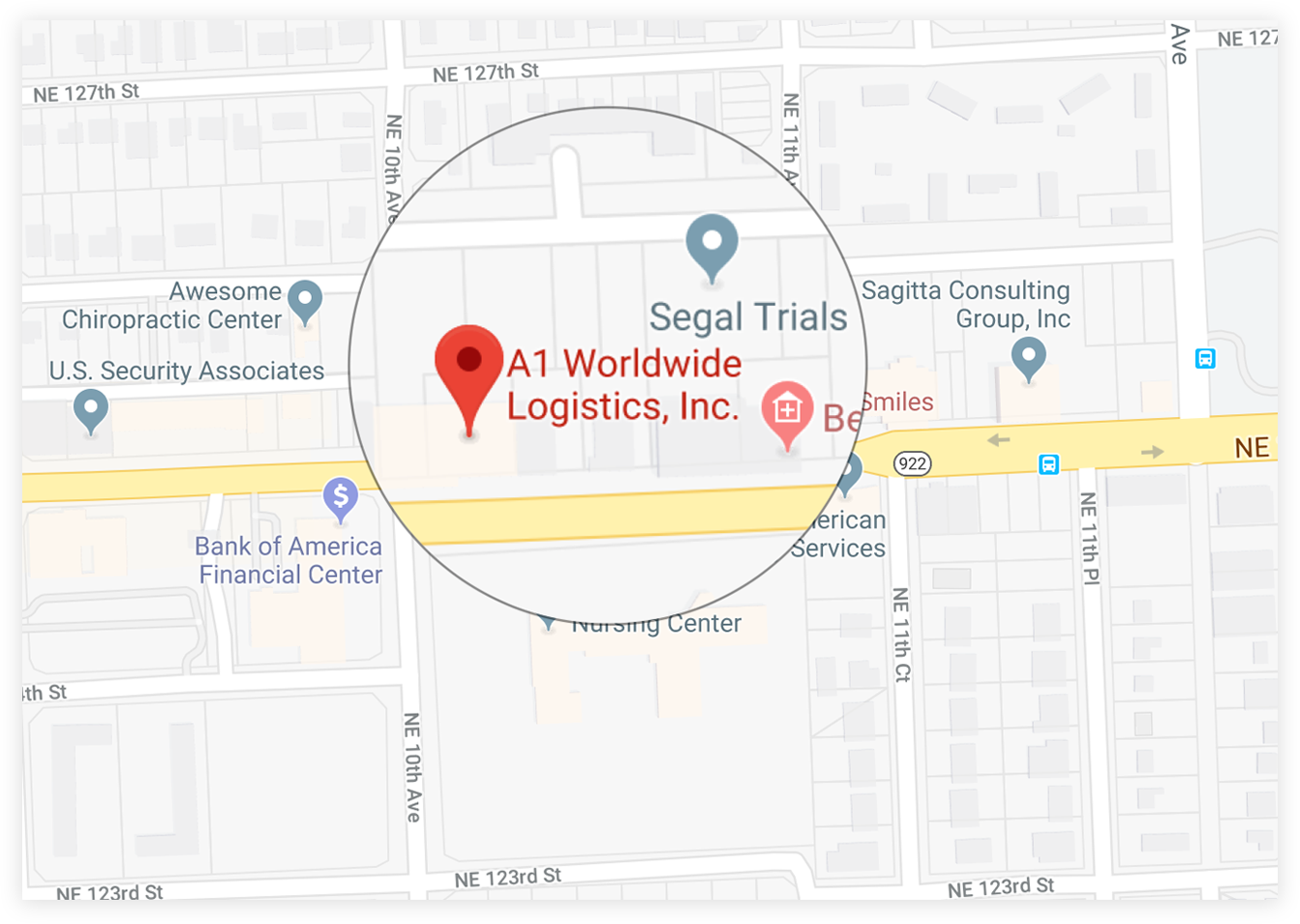
 1035 NE 125th St Suite #320, North Miami, FL 33161.
 a1worldwidelogistics.com
 (305) 821-8995
 Hours: 8AM - 5PM