We’ve only recently realized the first time the United States sees a written response from the European Union about retaliatory measures. The European Union has warned the U.S. that if they impose tariffs on the automotive industry, not only will it hurt their economy, but the EU will impose taxes of their own.
Initially, the taxes they announced would take place were toward $3.2 billion of products. The goods include motorcycles, boats, whiskey, and peanut butter. This was only enforced after the U.S. announced taxes on imported steel and aluminum products. If the tariffs go through, the U.S. can expect to feel the repercussions as well.
Between the United States and the European Union, they trade just over $1.2 trillion each year in goods and services. The second round of 160 products of American exports includes sunbeds, paper towels, corduroy pants, and porcelain tableware. Those goods are expectedly worth $4.3 billion a year could be next on the chopping block if there’s nothing quickly resolved. Other exports like jeans and bourbon will experience a 25% tariff from the EU along with cranberries, orange juice, sweetcorn, and peanut butter.
The repercussions of the ongoing disagreements between the U.S. and the European Union would include harm against trade, growth, and jobs in the U.S. and abroad. EU Trade Commissioner Cecilia Malmström says the EU isn’t seeking any issues with the United States; they are merely responding to what Trump is announcing from Washington, D.C.
The EU could retaliate against products worth up to $300 billion of U.S. products. The United States automotive sector could be facing a loss of 4 million jobs. There is a meeting set in the future to happen with the EU commission president traveling to Washington D.C. organized by the Department of Commerce on July 19th.
Experts within the industry have warned that the European Union’s retaliation tactics could encourage Trump’s administration to strike with more taxes resulting in another round of acceleration. The relations between the U.S. and the European Union could have a ripple effect on trade, growth, and jobs in the United States.
With many moving parts in the logistics industry, managing today’s supply chains are becoming more multifaceted with each passing day. Luckily, blockchain provides advantages that make the line of communication and transaction between business’s smoother than ever.
What is Blockchain and How Does It Work?
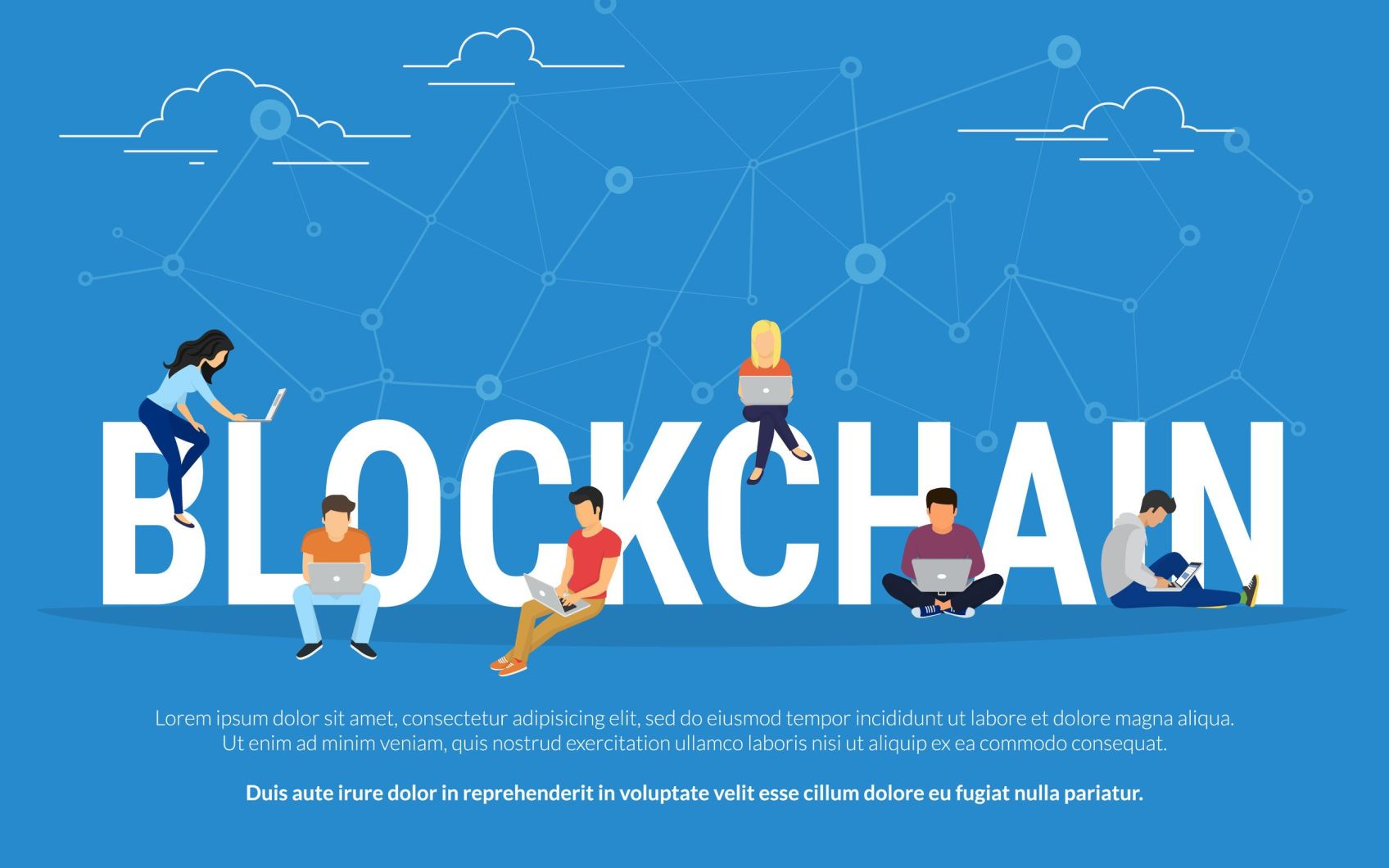
Essentially, blockchain is a chain of blocks that are linked together and containing information. It is a digit ledger that is distributed globally and is open to anyone. Distribution of blockchain for everyone is another way to keep the blockchain secure, called a P2P network. When someone new joins the network, they receive a full copy of the entire blockchain. If a new block is made, it is sent to everyone else in the system, and it is thoroughly examined to make sure nothing has tampered. When everything is approved, that block is added onto everyone’s chain.
The information stored inside depends on the type of blockchain. For instance, bitcoin will show the sender, receiver, and the amount of money transacted. Hash is like a fingerprint for the block. It is unique to each block and identifies the contents of the block. Once the hash is established, it will have its exclusive code. However, if something is changed, the hash will change along with it, making it easier to notice when modifications are made. Each block contains the hash from the previous one, which makes the chain incredibly secure.
How Can Blockchain Improve Supply Chains?
Blockchain has the chain of command built inside, making it easier for supply chains to increase their efficiency and smoothen the process from the warehouse up to the delivery of payment. Information will not have room to be interpreted or disputed because everyone involved will have the same digital ledger.
Because blockchain is available to everyone, it makes it incredibly accessible for global users. According to Forbes, companies in the food industry enjoy using blockchain for their business because they can keep a record of where their food is coming from, how it’s being processed, stored, and its sell-by-date. Communication alone will be massively impacted because there is ultimate transparency when using blockchain.
A1 Worldwide Logistics
Our company is continually looking toward the future of logistics. With blockchain becoming so well-known over the last ten years, it is one of the most effective ways to keep information and money secure. At A1 Worldwide Logistics, we’re educated on the inner workings of blockchain, and we know this will increase the productivity of supply chain logistics in the future and so on.
The logistics and shipping industry is progressively depending on the advancement of technology to cut costs, increase transparency, and improve processes throughout many aspects. Through the use of smart contracts, blockchain technology may serve as a problem-solver for many of the issues within the trade.
What is a Blockchain Smart Contract?
One of the most recent developments for blockchain is the use of a smart contract. The only difference these contracts hold from normal ones we see every day is that they’re digital. The arrangements are stored on the blockchain and can be used to exchange coins based on specific conditions. Essentially, a smart contract cuts out the middleman, a third-party company.
Smart contracts are immutable. That means that once the contract is created, the code cannot be tampered with and no one can ever make changes to it again. Because it is distributed to everyone involved, a consensus must be formed before any funds are dispersed. No single person can force the funds to be given to them exclusively. Ethereum is a version of blockchain that was explicitly designed to support smart contracts.
How Does This Technology Help in Logistics?
Logistics companies can use smart contracts from anywhere all over the world without any miscommunications. Companies will have the ability to program the purchasing process, therefore, reducing costs and saving time. Businesses will also be able to improve the transaction flow and secure the supply chain.
They secure the supply chain by tagging each product. Information like the origin, the place of storage, authenticity, property certificates, and records will all be stored on one primary ledger. The main benefits include creating a more transparent supply chain that is easily accessible and lessening the amount of cargo theft that can occur. Businesses around the world are researching ways to integrate and apply this technology within their company.
A1 Worldwide Logistics
The ultimate success rate of blockchain is still being tested by large corporations like Walmart, Blockchain in Transport Alliance (BiTA), and UPS. As more and more companies adopt this form of currency, the logistics, and supply chain industry should be looking forward to the exciting advancements to come. A1 Worldwide Logistics is ready to gear our company toward a technologically forward-thinking future continually.
What exactly is cloud computing? It’s a distribution of computing resources on-demand throughout the internet on a pay-for-use basis. Cloud-based technology has moved its way through the world of supply chain management. Cloud computing provides an advantage to be responsive and predict possible disruptions within the supply chain. The three types of cloud service include Software as a Service (SaaS), Platform as a Service (PaaS), and Infrastructure as a Service (IaaS).
Why Incorporate Cloud Computing?
Shippers need visibility over their movement of international trade, regulatory rules, and compliance requirements. The cloud offers businesses a way to enable the flow of data throughout the entire company resulting in more convenient and smooth communication between several departments. Cloud-based technology should be carefully examined and researched before implemented into the unique business to ensure that its abilities will benefit the company overall.
There are three basic levels of the cloud; the first level entails an incorporated transactional system with dashboards, immediate visibility, and alarms that go off when an issue transpires. The second level analyzes data to find the cause or the problem and provides simulations of what could happen and mostly see the right solution to each situation. The third level assists users to make administrative decisions, improve Key Performance Indicators (KPI), and get management insights.
Who’s Already Utilizing Cloud Technology?
Companies that are the most cloud-friendly are sales and operating planning, spare parts management, store shelf optimization, and transportation management systems. Pharmaceutical Corporations like Pfizer have already shifted into cloud computing because the 500 plus suppliers that are associated with the company needed to implement a durable framework to exchange information.
A1 Worldwide Logistics
The basics have to be understood and supported by management to keep the cloud technology cultivating. Innovation can only happen as quickly as the customer understands the purpose. With A1 Worldwide Logistics, incorporating cutting-edge technology is a large part of how we’re going to surpass our competition in the industry. Cloud-based technology is gaining more and more popularity in many business sectors and is continually useful within the world of logistics.
Are you sending a (1) package to someone anywhere in the world? You will use a courier. Do you have a cargo shipment that needs to be shipped? You need a Freight Forwarder.
While this is a rudimentary explanation of the differences between the two, it does provide a quick answer to one of the most common questions we receive. For the most part, freight forwarders are better for businesses to ship to each other while couriers are better for people to send to each other.
While the black and white answer comes down to size, there is a gray area that is worth exploring in depth, so if you are a business owner wondering whether it’s easier to choose a freight forwarder vs courier, this is the blog for you.
What does a courier Do?
Carriers are short for mail carriers. This means that they are an intricate network of people sending packages to other people. Examples of Mail Carriers are going to be FedEx, UPS, USPS and DHL.
What does a Freight Forwarder Do?
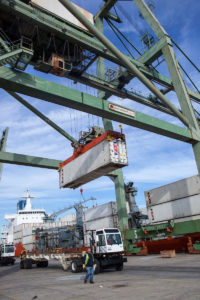
While they will work with companies like those listed above, they are also more inclined to work with private companies that specialize in large-scale shipping services.
The Freight Forwarder can personally own intermodal shipping services, but most of the time they simply act as a broker between the client and the different air, land, and sea carriers to find the optimal price and speed for moving getting your products to their destination.
A1
Working with a Freight Forwarding Company is simply about communicating your wants and needs with the people who can provide the service necessary. If you want to ship something small, then you will want ship that package with a courier.
But if you have cargo or a large scale shipment you will want to use a freight forwarder who will use their connections and their knowledge of the business to find the best route, speed, and price to service your specific needs.
A1 worldwide logistics knows that every business in the world, be it a traditional brick and mortar or an only online retail store, has to manage numerous tasks and events every day to ensure its effective and efficient growth. As you know, a company that is managed well is capable of filling the expectations of all its customers and clients and satisfying and delighting its customers. Among the of everyday tasks and functions that every retail outlet operating online has to worry about, customs clearance and hiring a customs broker are some of the most common. Logistics management deals with the transportation of goods and materials from warehouses to the to businesses where they are stored and or sold. Logistics is also tasked with transporting e-commerce products to the address of customers who order the products online anywhere in the world.
Logistics challenges
Logistics and it’s management is one of the most complex tasks a business can face today; However, at A1 Worldwide Logistics, we make it straightforward and easy. Transportation of items and goods from one place to another is highly challenging since they are subject to frequent climatic fluctuations, storage of products and maintaining their quality, deadlines and a lot more. Therefore, the logistics management services we provide for online businesses are vital for the success of every e-commerce business. The logistics services we offer are provided by our expert and experienced logistics operations partners all over the world. These service partners understand the unique challenges and obstacles that your business faces in the transportation of goods and products. We these challenges in mind, we have come up with practical and efficient solutions to tackle them.
The right network for you
Our vast network of logistics services providers all over the world is very experienced in the ever-changing world of business, retail, and e-commerce. These logistic partners have strong networks that are entirely dedicated to helping companies to reach every corner of the world to deliver your products on time and thus ensure the satisfaction of your customers. After all, every customer expects to obtain the products they ordered on time and as quickly as possible. The higher the satisfaction of a customer, the higher the chance of business success, growth and profit potential of your business.
What we do
A1 worldwide logistics offers professional & easy logistics services for e-commerce businesses of all sizes. We specialize in providing logistics and transportation services that are complemented by several other essential services that contribute to the growth and effectiveness of a business. For instance, our retail businesses logistics services also include customer integration with new and existing stores and warehouses, store management, warehouse fulfillment and last mile services, pick up and drop for clients, tracing and tracking of products, etc.
Thus, using effective and professional e-commerce logistics services like the ones provided by A1 Worldwide Logistics can help your business to grow and also improve your reputation in the competitive market. As the premier freight forwarder in Miami, we will help manage all of your logistics and custom clearance needs.
Questions
Questions about how we can help streamline your logistics management needs? Call us at (305) 821-8995 or send us an email at info@a1wwl.com






 cs
cs

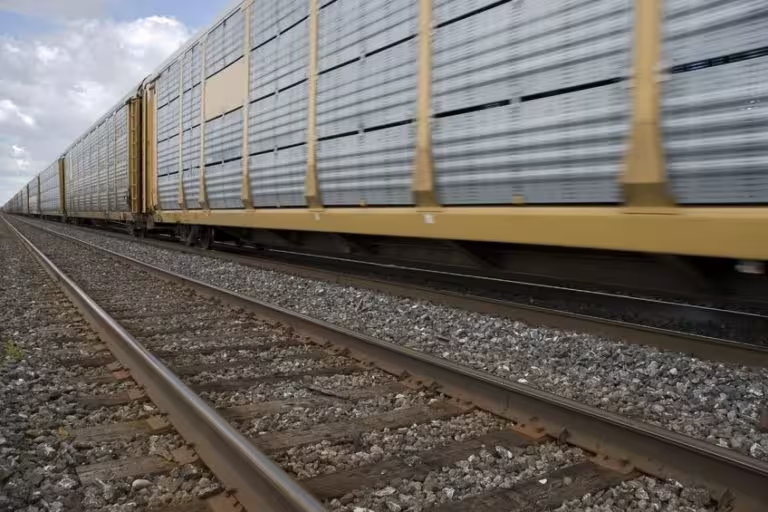
 Are you sending a (1) package to someone anywhere in the world? You will use a courier. Do you have a cargo shipment that needs to be shipped? You need a Freight Forwarder.
 What does a Freight Forwarder Do?
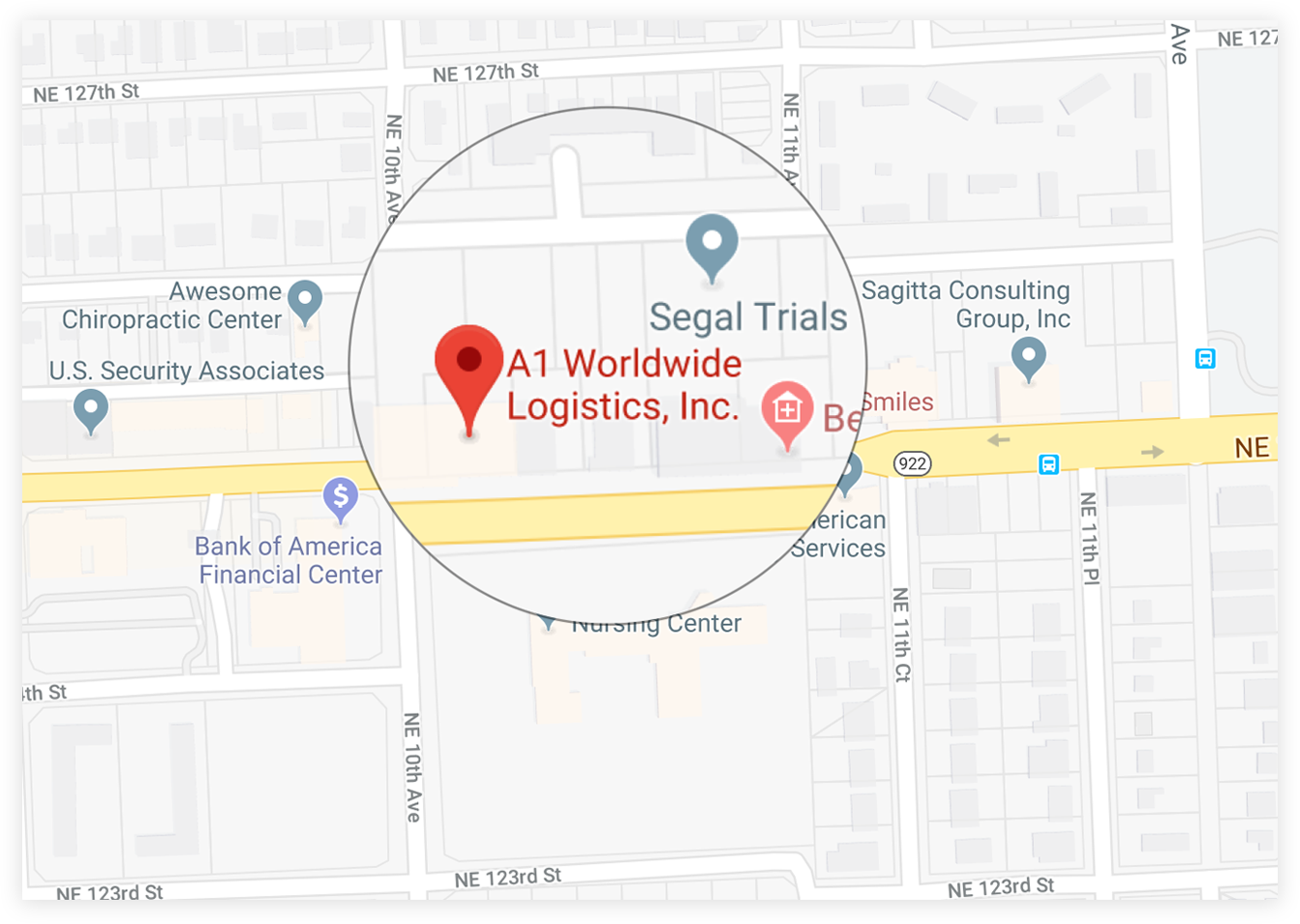
 1035 NE 125th St Suite #320, North Miami, FL 33161.
 a1worldwidelogistics.com
 (305) 821-8995
 Hours: 8AM - 5PM