Transportar mercancías a nivel internacional puede implicar procesos muy diferentes según el tipo de carga que se necesite movilizar. Enviar una caja al extranjero mediante una empresa de mensajería es un proceso. Trasladar pallets, maquinaria, un contenedor...
Shipping goods internationally can mean very different things depending on what you are moving. Sending a box overseas with a parcel carrier is one process. Moving pallets, machinery, a full container, or commercial inventory between countries involves freight...
Choosing a freight forwarder should involve more than comparing freight rates. The company you choose may be responsible for coordinating carrier bookings, shipping documents, international transportation, customs clearance, and final delivery. When everything goes...
International and domestic shipping could soon see new regulations reshaping logistics industry compliance. In the last few months, two regulatory decisions have impacted five major sectors of the logistics industry. These include freight brokers, freight forwarders,...
Will Smart Contracts in Logistics Revolutionize Supply Chains?
Share This Article
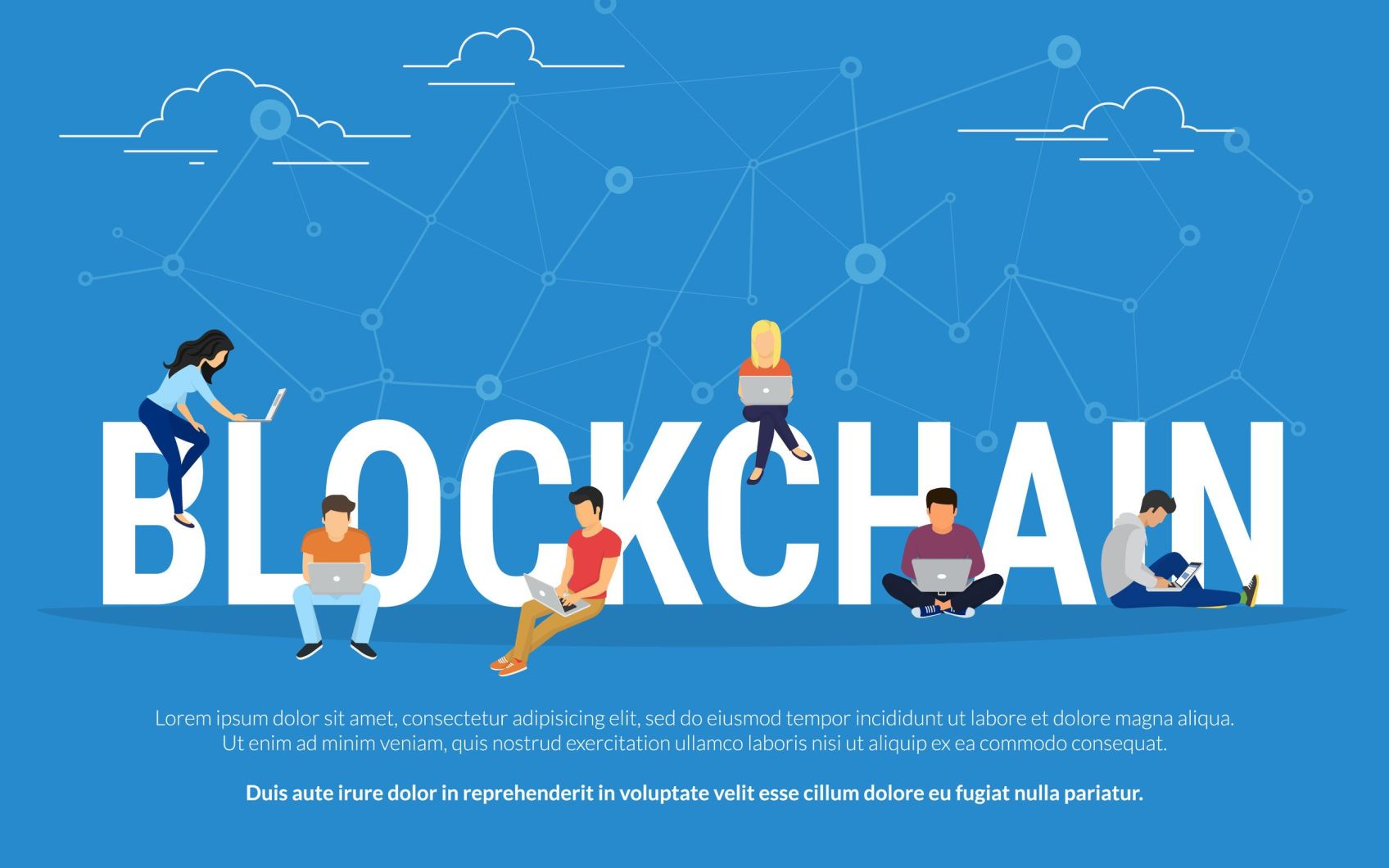
The logistics and shipping industry is progressively depending on the advancement of technology to cut costs, increase transparency, and improve processes throughout many aspects. Through the use of smart contracts, blockchain technology may serve as a problem-solver for many of the issues within the trade.
What is a Blockchain Smart Contract?
One of the most recent developments for blockchain is the use of a smart contract. The only difference these contracts hold from normal ones we see every day is that they’re digital. The arrangements are stored on the blockchain and can be used to exchange coins based on specific conditions. Essentially, a smart contract cuts out the middleman, a third-party company.
Smart contracts are immutable. That means that once the contract is created, the code cannot be tampered with and no one can ever make changes to it again. Because it is distributed to everyone involved, a consensus must be formed before any funds are dispersed. No single person can force the funds to be given to them exclusively. Ethereum is a version of blockchain that was explicitly designed to support smart contracts.
How Does This Technology Help in Logistics?
Logistics companies can use smart contracts from anywhere all over the world without any miscommunications. Companies will have the ability to program the purchasing process, therefore, reducing costs and saving time. Businesses will also be able to improve the transaction flow and secure the supply chain.
They secure the supply chain by tagging each product. Information like the origin, the place of storage, authenticity, property certificates, and records will all be stored on one primary ledger. The main benefits include creating a more transparent supply chain that is easily accessible and lessening the amount of cargo theft that can occur. Businesses around the world are researching ways to integrate and apply this technology within their company.
A1 Worldwide Logistics
The ultimate success rate of blockchain is still being tested by large corporations like Walmart, Blockchain in Transport Alliance (BiTA), and UPS. As more and more companies adopt this form of currency, the logistics, and supply chain industry should be looking forward to the exciting advancements to come. A1 Worldwide Logistics is ready to gear our company toward a technologically forward-thinking future continually.
Descubra cómo elegir una empresa de transporte internacional de mercancías, comparar opciones aéreas y marítimas, preparar documentos y calcular costos logísticos.
DDP stands for Delivered Duty Paid. Under this shipping term, the seller arranges transportation to the agreed destination and handles export and import clearance, including the applicable import duties and taxes. The goods are delivered to the buyer ready for...
CIF and FOB are shipping terms that define the buyer’s and seller’s responsibilities. Under CIF, the seller arranges and pays for ocean freight and cargo insurance to the named destination port. Under FOB, the buyer arranges and pays for the main ocean journey, and...
Ocean freight, also called sea freight, is the transportation of goods by ship. Businesses use it to move commercial cargo between countries, from a few pallets in a shared container to full-container orders and oversized equipment. For a U.S. import, the shipment...
LCL shipping, short for less than container load, lets your business move ocean freight in a container shared with other shippers. You book space for your cargo instead of reserving a whole container. For a business importing a few pallets at a time, that can make...




 cs
cs


