Transportar mercancías a nivel internacional puede implicar procesos muy diferentes según el tipo de carga que se necesite movilizar. Enviar una caja al extranjero mediante una empresa de mensajería es un proceso. Trasladar pallets, maquinaria, un contenedor...
DDP stands for Delivered Duty Paid. Under this shipping term, the seller arranges transportation to the agreed destination and handles export and import clearance, including the applicable import duties and taxes. The goods are delivered to the buyer ready for...
CIF and FOB are shipping terms that define the buyer’s and seller’s responsibilities. Under CIF, the seller arranges and pays for ocean freight and cargo insurance to the named destination port. Under FOB, the buyer arranges and pays for the main ocean journey, and...
Ocean freight, also called sea freight, is the transportation of goods by ship. Businesses use it to move commercial cargo between countries, from a few pallets in a shared container to full-container orders and oversized equipment. For a U.S. import, the shipment...
What is Third Party Logistics and What are the Advantages?
Share This Article
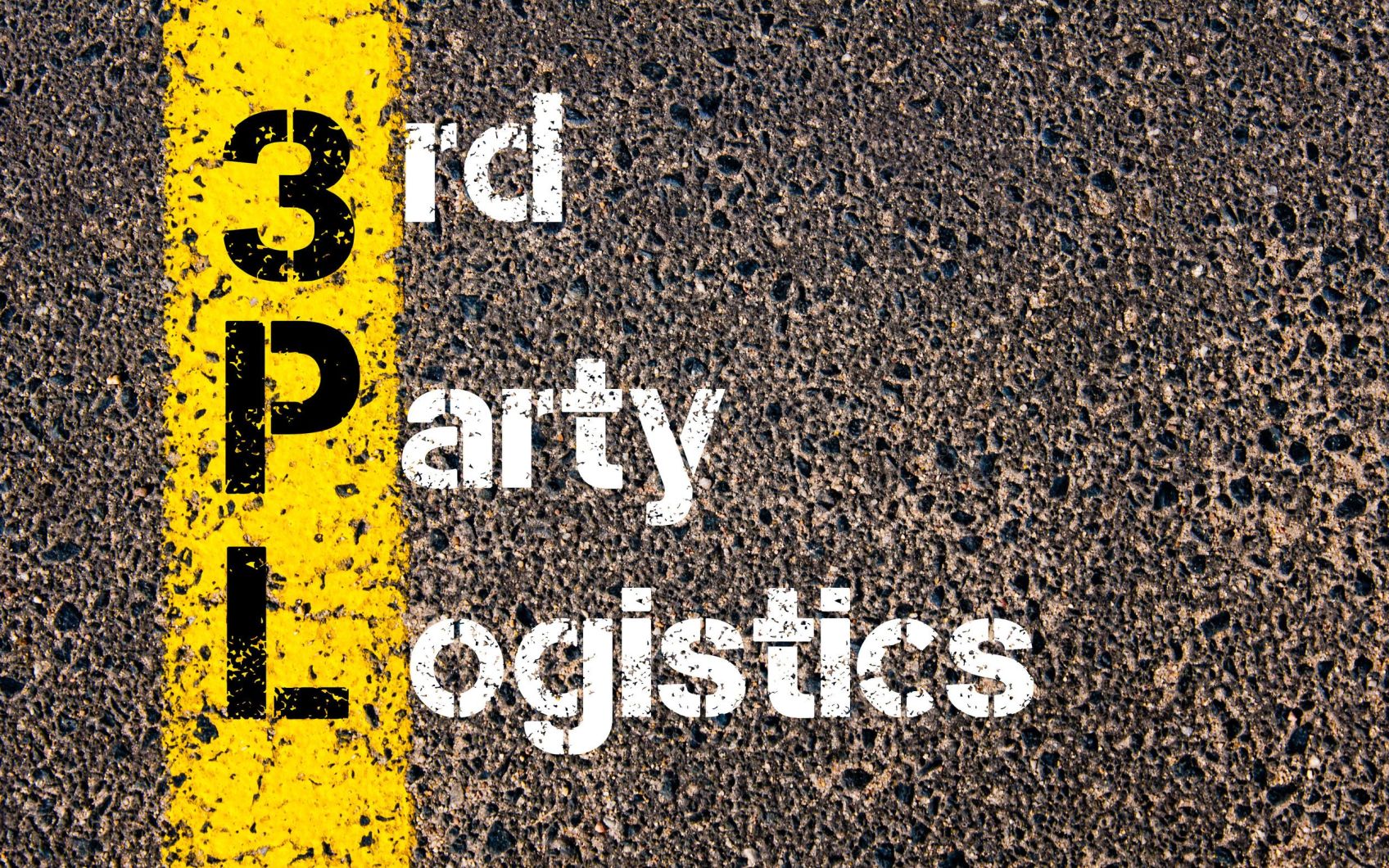
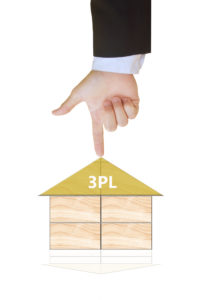
Third Party Logistics (3PL) is businesses that provide one or more varieties of amenities associated with logistics. These services include public and contract warehousing, transportation and distribution management, and freight merging. Third Party Logistics companies stock your product within a warehouse and then ship it to the customer on your behalf. If you’re an e-commerce business, you will want to look for a 3PL that is an expert in inventory management, fulfillment, and returns.
Third Party Logistics play a vital role in the supply chain. From raw materials processed and made by a manufacturer, to packaging and transportation by air, land, or sea, to being stored in a warehouse to be shipped to a user, there are many moving parts. That entire process runs smoothly because of logistics companies working behind the scenes communicating, planning, and coordination. Companies that choose to work with a logistics business will not need to be bothered with the challenges that often arise like customs regulations and the right transportation methods.
Advantages:
• Working with a Professional – The primary focus of a 3PL is to optimize how a company handles their shipments. They are knowledgeable about everything that involves distribution management, warehousing, and shipping.
• Behind-The-Scenes – One of the obstacles of cultivating worldwide is dealing with global fulfillment. Outsourcing the responsibility of documentation, customs, duties, and other issues that arise when dealing with overseas sales will make it easier overall to sell within your country, rush time to delivery and lower shipping prices.
• Cost Efficiency – Because 3PLs specialize in logistics, they have specific expertise compared to their clients. Logistics firms can strategize and lessen a company’s overall delivery and inventory costs, and improve management. 3PLs specialize in meeting the technical requirements to keep IT systems updated more budget and time economically.
A1 Worldwide Logistics
Third Party Logistics companies help businesses maintain their focus on their product or service and help expand your reach across the globe. The expertise in supply chain management, warehousing, transportation, and other operations is of substantial value to various companies. Maximize efficiency, eliminate weak spots that end in lost profits, and guarantee maximum success and profitability with a 3PL. If you have any more questions, comments, or concerns, please give us a call today at (305) 821 – 8995.
Descubra cómo elegir una empresa de transporte internacional de mercancías, comparar opciones aéreas y marítimas, preparar documentos y calcular costos logísticos.
DDP stands for Delivered Duty Paid. Under this shipping term, the seller arranges transportation to the agreed destination and handles export and import clearance, including the applicable import duties and taxes. The goods are delivered to the buyer ready for...
CIF and FOB are shipping terms that define the buyer’s and seller’s responsibilities. Under CIF, the seller arranges and pays for ocean freight and cargo insurance to the named destination port. Under FOB, the buyer arranges and pays for the main ocean journey, and...
Ocean freight, also called sea freight, is the transportation of goods by ship. Businesses use it to move commercial cargo between countries, from a few pallets in a shared container to full-container orders and oversized equipment. For a U.S. import, the shipment...
LCL shipping, short for less than container load, lets your business move ocean freight in a container shared with other shippers. You book space for your cargo instead of reserving a whole container. For a business importing a few pallets at a time, that can make...



 de Logistics


