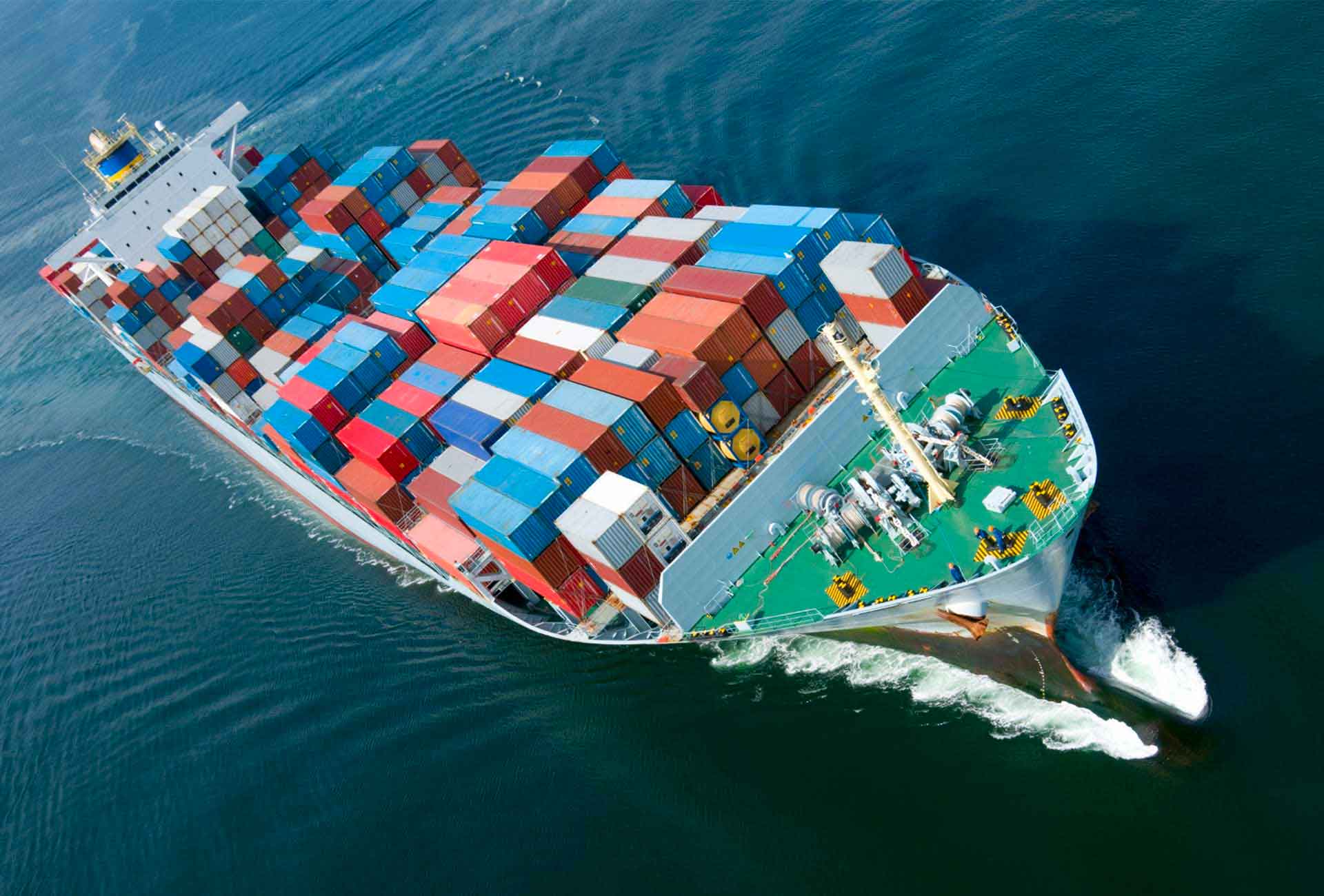
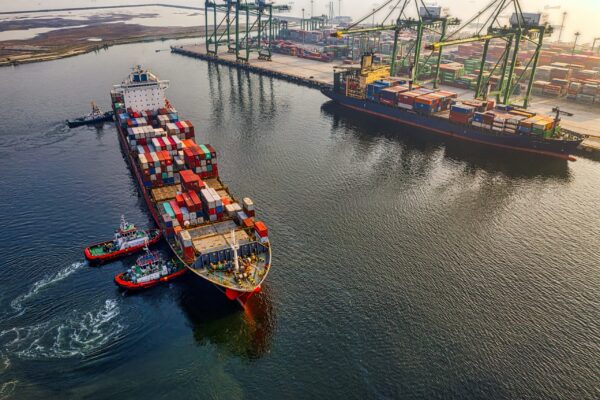
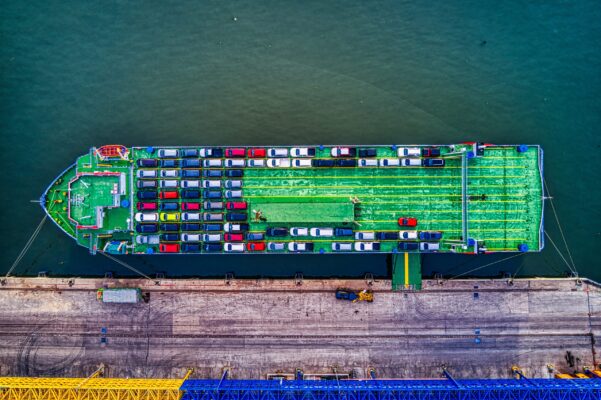
Transportar mercancías a nivel internacional puede implicar procesos muy diferentes según el tipo de carga que se necesite movilizar. Enviar una caja al extranjero mediante una empresa de mensajería es un proceso. Trasladar pallets, maquinaria, un contenedor...
DDP stands for Delivered Duty Paid. Under this shipping term, the seller arranges transportation to the agreed destination and handles export and import clearance, including the applicable import duties and taxes. The goods are delivered to the buyer ready for...
CIF and FOB are shipping terms that define the buyer’s and seller’s responsibilities. Under CIF, the seller arranges and pays for ocean freight and cargo insurance to the named destination port. Under FOB, the buyer arranges and pays for the main ocean journey, and...
Ocean freight, also called sea freight, is the transportation of goods by ship. Businesses use it to move commercial cargo between countries, from a few pallets in a shared container to full-container orders and oversized equipment. For a U.S. import, the shipment...
How Do Logistics and Supply Chain Management Build Off of Each Other?
Share This Article
Everything You Need to Know About Supply Chain Management
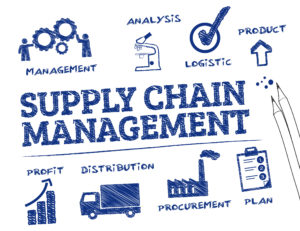
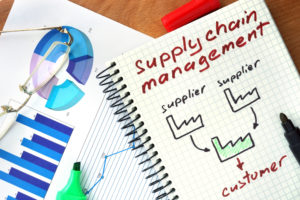
Supply chain management (SCM) is like an umbrella of activities that include sourcing, procurement, conversion, and logistics management. It encompasses the coordination and collaboration with suppliers, liaisons, distributors, and customers. Supply Chain Management is a broader term referring to the connection from the suppliers to the end consumer.
The objective of supply chain management is to gain a competitive advantage and is a modern concept with multiple organizations involved. Ultimately, supply chain management is a fresher version of logistics management. SCM is the operational framework of a cycle from a supplier, manufacturer, wholesaler, and retailer and back again.
What is Logistics Management and How Does It Work?
Logistics management is the part of supply chain management that plans, implements, and controls the efficient-effective forward and reverse flow of storage of goods, services, and information between the points of origin and consumption to meet customer requirements. The primary purpose of logistics is to meet the customers’ requirements flawlessly.
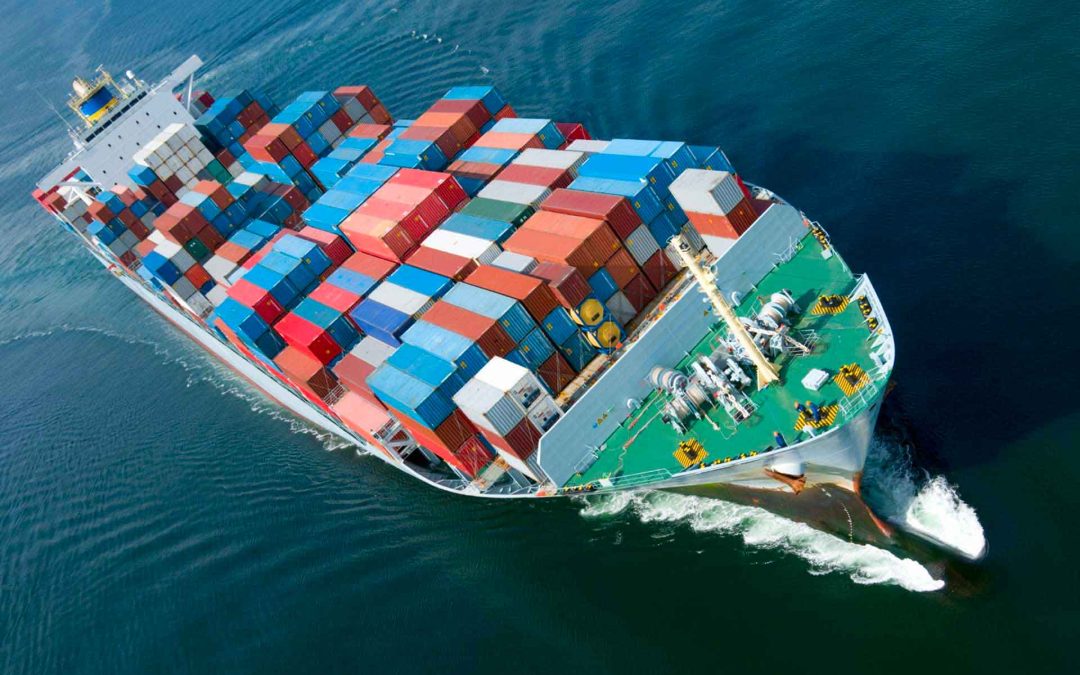
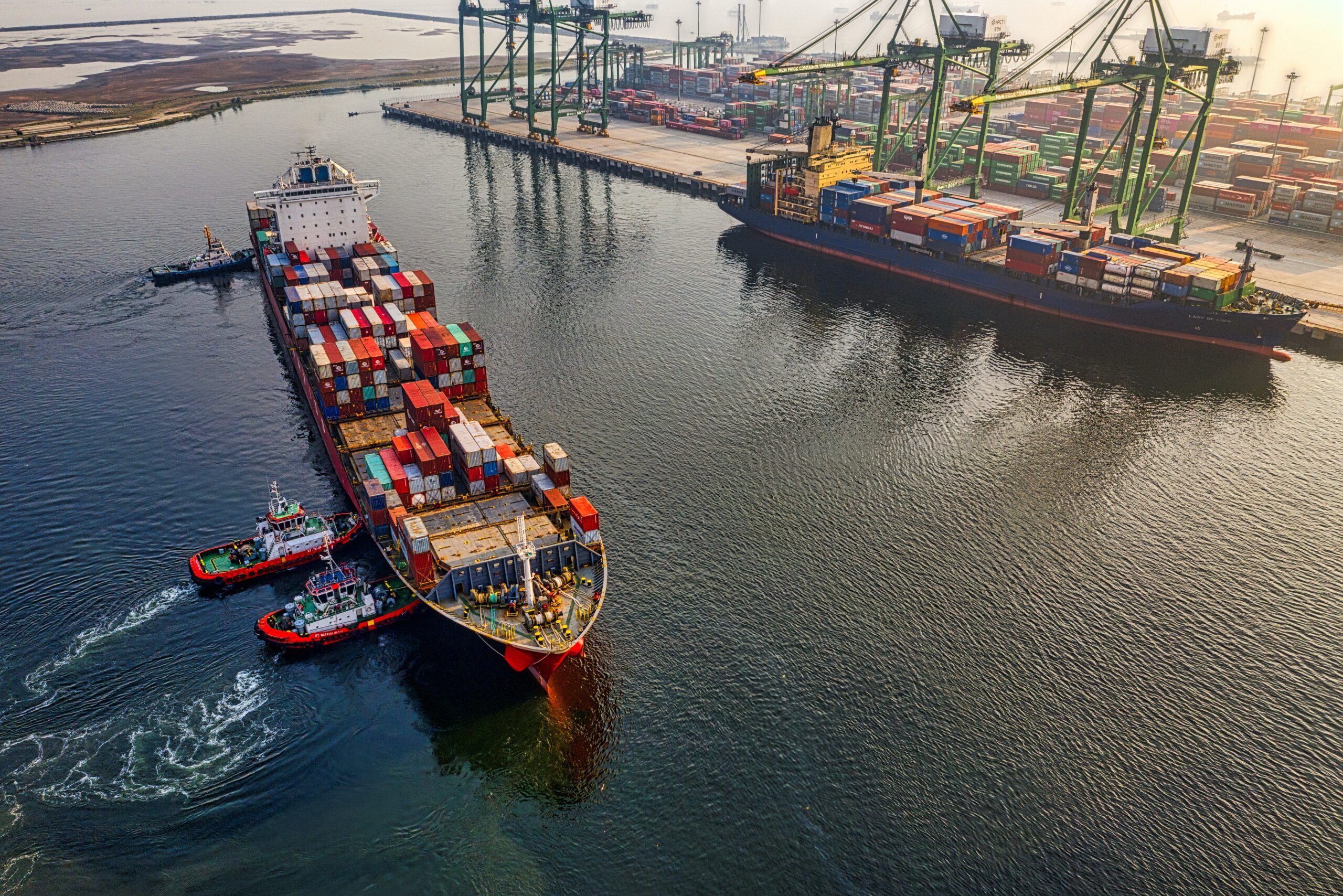
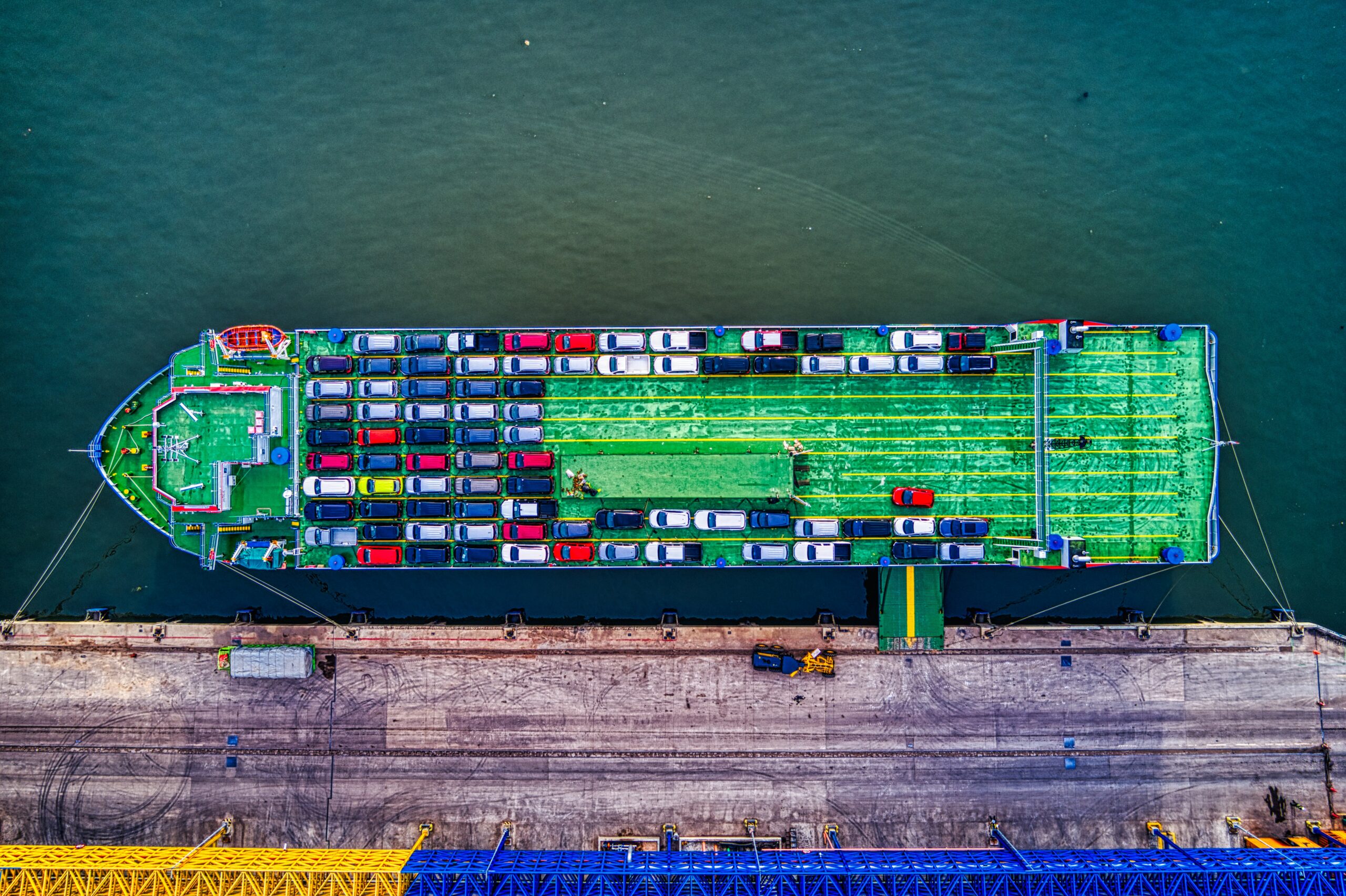
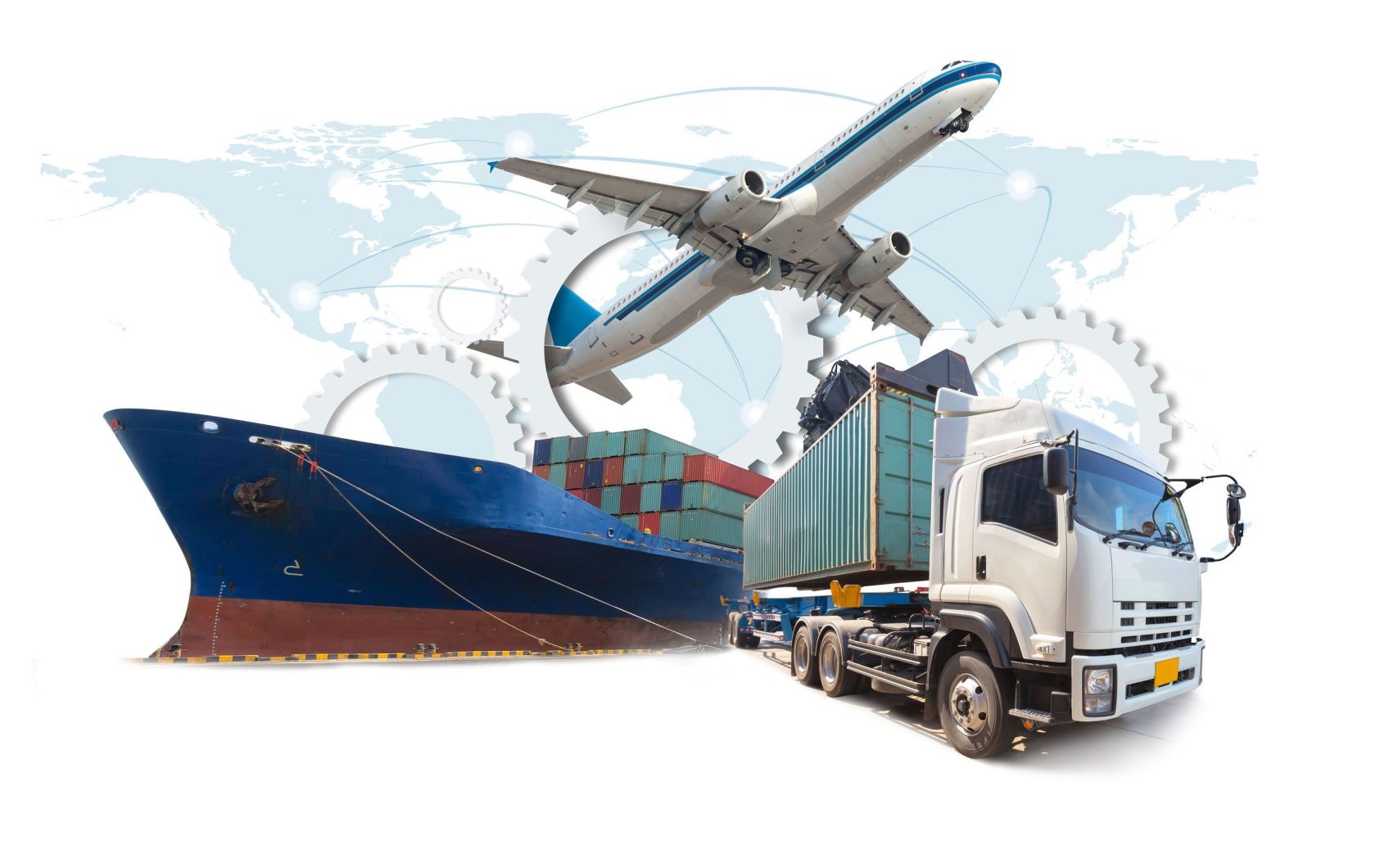
The first step after manufacturing the goods is transporting those goods to the next location. How will they get from point A to point B? Well, the job of a logistics company is to manage a combination of transportation that is the most effective at creating a high value for customers to reach those two points as smoothly as possible. The modes of transportation of materials play a critical role in the movement of supplies throughout the supply chain. The most common methods of transporting goods are through airplanes, trucks, trains, and ships.
The purpose for a warehouse is for when any goods that have been manufactured but do not have a set destination need a place to be housed until they’re ordered. When the products are stored in a warehouse, the logistics company steps in to manage pick and pack, container loading and unloading, and cargo manipulation. Logistics keeps your warehouse working efficiently so you can get back to the core of your business.
A1 Worldwide Logistics
We always provide personalized services for our clients and create a seamless experience through constant communication. Logistics within supply chain management is ever evolving to meet the needs of the customer. Logistics help the supply chain accelerate order fulfillment to meet the expectations of overnight and 2-day shipping etc. A1 Worldwide Logistics has years of experience in the industry and continues to push the boundaries of the capabilities of a logistics business.
Descubra cómo elegir una empresa de transporte internacional de mercancías, comparar opciones aéreas y marítimas, preparar documentos y calcular costos logísticos.
DDP stands for Delivered Duty Paid. Under this shipping term, the seller arranges transportation to the agreed destination and handles export and import clearance, including the applicable import duties and taxes. The goods are delivered to the buyer ready for...
CIF and FOB are shipping terms that define the buyer’s and seller’s responsibilities. Under CIF, the seller arranges and pays for ocean freight and cargo insurance to the named destination port. Under FOB, the buyer arranges and pays for the main ocean journey, and...
Ocean freight, also called sea freight, is the transportation of goods by ship. Businesses use it to move commercial cargo between countries, from a few pallets in a shared container to full-container orders and oversized equipment. For a U.S. import, the shipment...
LCL shipping, short for less than container load, lets your business move ocean freight in a container shared with other shippers. You book space for your cargo instead of reserving a whole container. For a business importing a few pallets at a time, that can make...

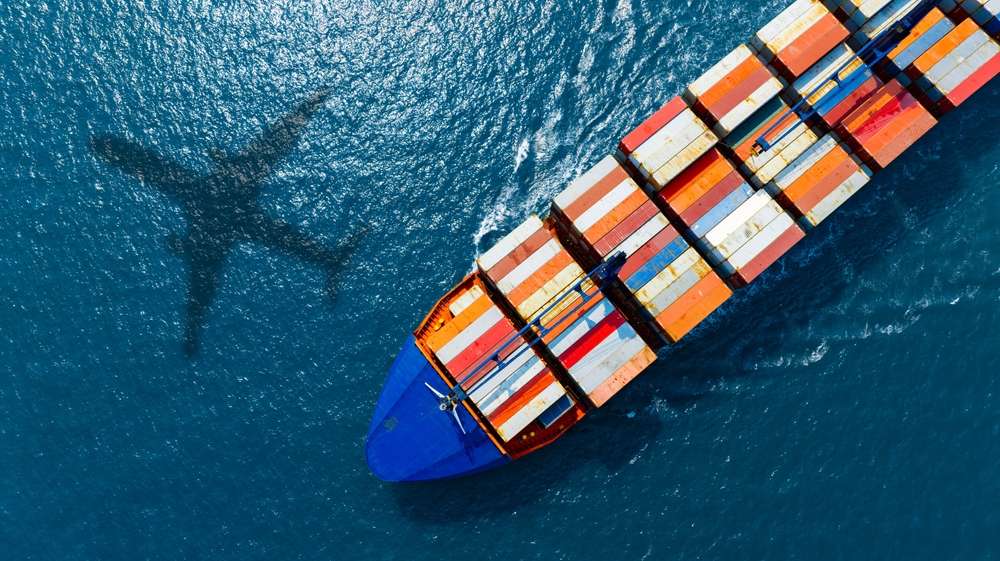
 The purpose for a warehouse is for when any goods that have been manufactured but do not have a set destination need a place to be housed until they’re ordered. When the products are stored in a warehouse, the logistics company steps in to manage pick and pack, container loading and unloading, and cargo manipulation. Logistics keeps your warehouse working efficiently so you can get back to the core of your business.