The Court of International Trade (CIT) has recently announced a class action for IEEPA refunds. On October 8, the CIT said the class action will allow refunds to importers who imported cargo under the now-illegal International Emergency Economic Powers Act (IEEPA)...
Transportar mercancías a nivel internacional puede implicar procesos muy diferentes según el tipo de carga que se necesite movilizar. Enviar una caja al extranjero mediante una empresa de mensajería es un proceso. Trasladar pallets, maquinaria, un contenedor...
Elegir el agente de aduanas adecuado es una decisión importante para cualquier empresa o persona que importe mercancías a Estados Unidos. Su agente de aduanas puede ayudarle a preparar su declaración de aduanas, clasificar sus productos, calcular los aranceles,...
Shipping goods internationally can mean very different things depending on what you are moving. Sending a box overseas with a parcel carrier is one process. Moving pallets, machinery, a full container, or commercial inventory between countries involves freight...
Logistics and Blockchain: A Match Made in Bliss
Share This Article
With many moving parts in the logistics industry, managing today’s supply chains are becoming more multifaceted with each passing day. Luckily, blockchain provides advantages that make the line of communication and transaction between business’s smoother than ever.
What is Blockchain and How Does It Work?
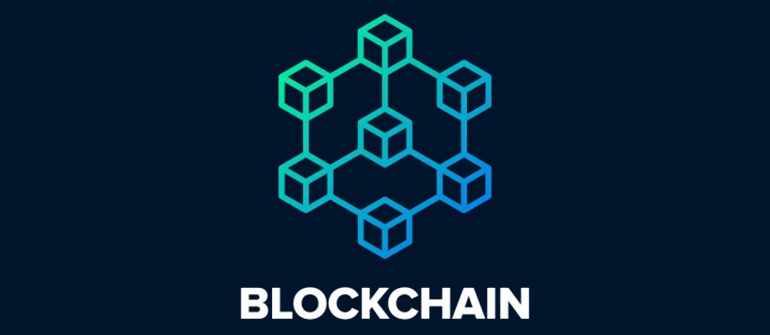
Essentially, blockchain is a chain of blocks that are linked together and containing information. It is a digit ledger that is distributed globally and is open to anyone. Distribution of blockchain for everyone is another way to keep the blockchain secure, called a P2P network. When someone new joins the network, they receive a full copy of the entire blockchain. If a new block is made, it is sent to everyone else in the system, and it is thoroughly examined to make sure nothing has tampered. When everything is approved, that block is added onto everyone’s chain.
The information stored inside depends on the type of blockchain. For instance, bitcoin will show the sender, receiver, and the amount of money transacted. Hash is like a fingerprint for the block. It is unique to each block and identifies the contents of the block. Once the hash is established, it will have its exclusive code. However, if something is changed, the hash will change along with it, making it easier to notice when modifications are made. Each block contains the hash from the previous one, which makes the chain incredibly secure.
How Can Blockchain Improve Supply Chains?
Blockchain has the chain of command built inside, making it easier for supply chains to increase their efficiency and smoothen the process from the warehouse up to the delivery of payment. Information will not have room to be interpreted or disputed because everyone involved will have the same digital ledger.
Because blockchain is available to everyone, it makes it incredibly accessible for global users. According to Forbes, companies in the food industry enjoy using blockchain for their business because they can keep a record of where their food is coming from, how it’s being processed, stored, and its sell-by-date. Communication alone will be massively impacted because there is ultimate transparency when using blockchain.
A1 Worldwide Logistics
Our company is continually looking toward the future of logistics. With blockchain becoming so well-known over the last ten years, it is one of the most effective ways to keep information and money secure. At A1 Worldwide Logistics, we’re educated on the inner workings of blockchain, and we know this will increase the productivity of supply chain logistics in the future and so on.
Descubra cómo elegir una empresa de transporte internacional de mercancías, comparar opciones aéreas y marítimas, preparar documentos y calcular costos logísticos.
DDP stands for Delivered Duty Paid. Under this shipping term, the seller arranges transportation to the agreed destination and handles export and import clearance, including the applicable import duties and taxes. The goods are delivered to the buyer ready for...
CIF and FOB are shipping terms that define the buyer’s and seller’s responsibilities. Under CIF, the seller arranges and pays for ocean freight and cargo insurance to the named destination port. Under FOB, the buyer arranges and pays for the main ocean journey, and...
Ocean freight, also called sea freight, is the transportation of goods by ship. Businesses use it to move commercial cargo between countries, from a few pallets in a shared container to full-container orders and oversized equipment. For a U.S. import, the shipment...
LCL shipping, short for less than container load, lets your business move ocean freight in a container shared with other shippers. You book space for your cargo instead of reserving a whole container. For a business importing a few pallets at a time, that can make...