by A1 WorldWide Logistics | Oct 10, 2024 | Customs Broker, Importing, Supply Chain
Recent noncompliance has the CBP enforcing cargo descriptions more strictly. The CBP (U.S. Customs Borders and Protection) is an agency in charge of facilitating lawful international trade in the U.S. One of its responsibilities is managing the flow of goods coming in and out of U.S. borders. Recently, the CBP has become more stringent in how shippers describe the merchandise they are importing. On April 1st, CBP announced implementing cargo messages for vague, noncompliant cargo descriptions for entry filings.
In particular, the CBP notes in the message, “Carriers and other parties electing to file electronic cargo information data to CBP are required to provide a precise description of the cargo.” More recently, the CBP released a list of acceptable and unacceptable import cargo descriptions. The list is on the CBP webpage and will continue to expand as they add more descriptions.
Why is the CHB Enforcing Cargo Descriptions?
The CBP has become stricter on cargo descriptions to ensure precision when describing the cargo. This helps identify the cargo’s physical characteristics like shape, size, and packaging. Proper descriptions ensure compliance with CBP regulations and create a smoother customs clearance process. It also helps find the freight’s correct HTS (harmonized Tariff Schedule) code. The HTS code is a 10-digit number that identifies and classifies goods that importers bring into the U.S. Customs use it to determine the duties and fees associated with the import. Correct descriptions also prevent illegal goods from entering the U.S.
Consequences Of Not Having The Correct Cargo Description
Due to the CBP’s strict nature of monitoring imports and exports, incorrect cargo descriptions have various consequences. Unacceptable or “vague” cargo descriptions can result in the CBP rejecting the submission and pausing shipment movement. If customs hold the shipment, it can result in delays in the supply chain. Delays may look unfavorable for importers that have customers expecting a product. Other consequences include fines, cargo seizures, and, in some cases, criminal penalties.
Unacceptable VS Unacceptable Descriptions
Some of the examples of acceptable vs unacceptable descriptions that the CBP mentions in the list include:
- Just brand names themselves are unacceptable. An example of an acceptable description is “Bubbles Brand” Laundry detergent.
- The word “Appliances” by itself is unacceptable. Describing the appliances like stoves, ovens, or coffee machines is acceptable.
- “Auto Parts” is an unacceptable description. The importer must describe the actual part, such as Automotive Brakes or Automotive Windshield Wipers.
- “Electronic Goods” is an unacceptable description. The importer must specify the goods, for example, Computers, Telephones, Televisions, Video Game Consoles, etc.
- The word “Metal” by itself is an unacceptable description. The importer must describe the metal more specifically. For example, Plates (of metal), Pipes (of metal), Sheets (of metal), and Expanded metal are acceptable descriptions.
To see the complete list, visit the webpage here: https://www.cbp.gov/trade/basic-import-export/e-commerce/examples-unacceptable-vs-acceptable-cargo-descriptions.
While the list explains how to describe imports, specific descriptions may confuse shippers. Contact a customs broker for a clear idea of what to expect when bringing goods into the U.S. Brokers handle the importation process for the shipper while educating them along the way. They offer solutions like preparing documentation, processing payments, and ensuring importers comply with regulations. For assistance clearing your goods through customs, please contact our customs brokers at 305-425-9513 or info@a1wwl.com.

by A1 WorldWide Logistics | Oct 4, 2024 | East Coast Protests, Shipping Logistics, Supply Chain
The ILA port strike ends after days of protests across East and Gulf Coast ports. Since October 1st, nearly 45,000 International Longshoremen’s Association (ILA) dockworkers walked out of ports and protested for better contracts. Their previous six-year contract with the United States Maritime Association (USMX) ended on September 30th with no resolution. Disagreements on wages and use of automation at ports have stalled talks for months. On the days leading up to the deadline, both parties made offers to prevent the strike, but to no success. When the ILA started walking out of their jobs, ports began shutting down. As a result, this significantly impacted the international shipping industry.
On October 3rd, the ILA and USMX reached a tentative agreement to extend the contract until January 15th, 2025. The agreement was a 61.5% pay raise and a $4 an-hour yearly wage increase for the next six years. Despite the ILA’s fight for a 77% wage increase, this is more than the USMX’s previous 50% offer. A final master contract will have to be negotiated by the parties before the extension date. In a statement released by the White House, Biden notes, “I want to applaud the International Longshoremen’s Association and the United States Maritime Alliance for coming together to reopen the East Coast and Gulf ports.”
What Can The Shipping Industry Expect As The ILA Port Strike Ends?
Despite an extension of the contract, the international and domestic shipping industry has already felt the impact of the strike. Once the strike occurred, containerships started piling up at ports without dockworkers there to unload them. As a result, this created congestion that may lead to supply chain delays soon. While the temporary agreement resumed operations, it could take weeks for ports and supply chains to return to normality. To mitigate against delays, shippers rerouted to West Coast ports weeks before the strike occurred. Once ports shut down, importers of perishables like agriculture began fearing food spoilages from delays leading to loss and shortages.
Consumers reacted to the potential shortages by panic buying goods from stores. As the protest ends, the overall monetary loss could be less than anticipated by the shipping industry and the economy. The amount is still significant to the U.S. economy, with analysts reporting that a strike can cause a loss of nearly $5 billion daily. Ports across the East and Gulf Coast have begun opening and resuming operations. North Carolina Ports resumed normal operations at 8 am ET, while Port Houston will reopen at 1 pm CT. The Department of Transportation will work with supply chain stakeholders to ensure an orderly operation for the ports.
Is It Safe To Ship Cargo?
With the protest ending for the time being, shippers may find it safer to move cargo internationally. It is essential to understand that it may take time to clear the complete impact of the strike. When starting, it can be beneficial to use the assistance of a 3PL (Third-Party Logistics) provider. 3PLs help you navigate the world of international shipping by providing services like freight forwarding and customs brokering. They also guide you through the entire process and give you an idea of what to expect. Reach A1 Worldwide Logistics at info@a1wwl.com or 305-425-9752 for assistance with shipping goods in and out of the U.S. We have freight forwarders and customs brokers that ensure the success of your shipment.

by A1 WorldWide Logistics | Oct 3, 2024 | East Coast Protests, Shipping Logistics, Supply Chain
Conflicts between the International Longshoremen’s Association and United States Maritime Alliance are resulting in the East Coast port protest continuing. On midnight, October 1st, ILA dockworkers across East and Gulf Coast ports left work on a strike. Negotiations with the USMX for a new contract have been unsuccessful, and the deadline has passed. The new contract they are fighting for includes fairer wages that reflect the cost of living and less port automation. A push for port automation has been an issue for the ILA since it threatens job security. As the strike continues, the impact on international and domestic shipping and various industries is rapidly growing.
What Is The Impact Of The East Coast Port Protest Continuing?
On Wednesday, 45 container ships were outside east and west coast ports, unable to unload due to port shutdowns. On Sunday, this number was three; however, the 45 vessels could double by the end of the week. The most significant impact of the protests is that global supply chains will feel the disruptions. Some of these goods affected by the strikes are produce products, with the ILA handling nearly 75% of banana imports and 90% of cherries. East and Gulf Coast ports also hold approximately 62% of machinery importers bring. As the backlog of ships continues to rise, delays will have other effects on supply chains, such as scarcity.
Consumers have recently begun buying goods from stores in fear of shortages in the near future. A shortage in everyday products could also cause inflation due to scarcity pushing prices higher. For importers and exporters, shipping costs can increase as shippers look for alternatives for moving their cargo. A popular alternative for moving cargo both domestically and internationally has been rerouting their shipments. This can lead to longer, more costly routes, and the cost goes directly to the customer. While choosing other conveyance has also been an alternative, it has its benefits and drawbacks. For example, switching to air can cut shipping time to a few days but may increase the overall cost.
How Long Could The Strike Continue?
The length of the protest depends on how long the ILA and USMX will take to find a resolution. A strike of one week can cost the U.S. economy over $2 billion, and a strike lasting over three weeks may take until 2025 to clear. Port employers reportedly offered the ILA a 50% wage increase over the next six years; however, they rejected it. The reason is that the union is seeking a contract with a higher yearly wage hike. Although no negotiations are currently in place, the USMX is willing to continue talks. Companies from various industries have been pleading for the Biden administration to intervene.
In response, Biden supported the dockworkers and scolded carrier companies for not paying them fairly. The administration notes that it will not invoke the Taft-Hartley Act to suspend the protests. Due to the severity of the protests, shippers must be up-to-date on the current situation. Importers and exporters should not stop transporting their shipments; however, they should take proper steps to mitigate disruptions. Contact A1 Worldwide Logistics at 305-425-9456 or info@a1wwl for updates and assistance moving your cargo. We educate you on the steps to take while constantly being with you throughout your shipment’s journey.

by A1 WorldWide Logistics | Sep 25, 2024 | East Coast Protests, Supply Chain
Finding solutions for navigating a port strike is becoming increasingly essential, with a coastwide ILA protest nearly a week away. The International Longshoremen’s Association (ILA) plans to strike on October 1st when their six-year contract ends. Talks with the United States Maritime Association (USMX) about new contracts have stopped, and the deadline is quickly approaching. Supply chains that import into East and Gulf Coast ports may soon feel disruptions from port shutdowns. Over 43% of all imports into the U.S. go through these ports, resulting in billions in revenue. This article will explain some ways to mitigate the effects of a potential strike.
What is the Impact of a Coastwide Strike?
The ILA is a union of over 65,000 members handling cargo at nearly 40 East and Gulf Coast ports. With the size of the ILA, a protest can bring more than half of U.S. port operations into pause. A supply chain analyst notes that ports may not clear a two-week strike until 2025. Key industries that the strike will significantly impact include manufacturing, agriculture, retail, energy, and petrochemicals. In particular, a complete shutdown of ports will lead to delays for import and export shipments. Once a carrier enters a port, it could stay days at the dock, not being unloaded by workers. Shippers have already begun rerouting their cargo to West Coast ports to avoid potential slowdowns.
Rerouting to West Coast ports may also lead to longer transport shipper transport times and higher costs. Another impact of an international strike is that fees for international shipping can drastically increase. These expenses include capacity costs, per diem, storage, demurrage chassis, pre-pull, etc. Shippers, carriers, and clients feel the effects of a port strike. For example, clients can view carriers negatively if they have to increase costs and reroute shipments. With the amount of revenue the U.S. generates from exports and imports, a strike could cause extensive economic damage.
The Best Solutions for Navigating A Port Strike
Due to the substantial effect of a potential strike, finding solutions for protecting your cargo is critical. This can mean delaying the shipment until the protest is over. Freight leaving from a port of origin after September 20th will likely be affected by the strike. For goods that are already in transit, redirecting to West Coast ports may be the best solution. It is crucial to understand that West Coast ports are already at high volumes due to the number of shippers rerouting, so you may experience higher transit times. Using other methods of conveyance, like shipping by land or air, can be beneficial for crucial shipments.
With the strike approaching quickly, shippers must be current by constantly checking the news. Another way to protect your cargo is by shipping with the assistance of a freight forwarder. Forwarders ensure the transport of your goods in the most effective, safest, and cost-effective way. They educate the shipper on what to expect and find the best action for your cargo’s transport. A1 Worldwide Logistics has freight forwarders, along with an extensive number of solutions for navigating a potential strike. Speak to us at 305-425-9513 or info@a1wwl.com for assistance importing or exporting in and out of the U.S.
by A1 WorldWide Logistics | Sep 19, 2024 | East Coast Protests, Shipping Logistics, Supply Chain
As a potential ILA protest approaches on October 1st, a recent impact is the strike lowering spot rates. The International Longshore Association (ILA) Is planning to halt operations next month when their six-year contract terminates on September 30th. Along with higher wages and pensions, the ILA is protesting for better labor conditions and opposing port automation. Ongoing talks between the ILA and the United States Maritime Association (USMX) stopped weeks ago without a contract resolution. A strike could affect international and domestic shipping in various ways, including pausing cargo movement and causing congestion. A potential port stoppage has already impacted shipping with a significant decline in East Coast spot rates.
How Is A potential Strike Lowering Container Rates?
Spot rates for containers going towards East Coast ports have declined due to the potential ILA strike. The Drewry’s World Container Index (WCI) noted a 21% decrease in rates from Shanghai to New York. During the week of September 9-13, the WCI decreased 13% to $4168 per 40ft container. The recent decline is resulting in shippers rerouting to West Coast ports to avoid the strike. As a result, demand for shipping to East Coast ports is decreasing, resulting in lower rates. While this has been the third consecutive week of decline, it is 282% higher than the pre-covid average. The Drewry index expects rates to fall faller in the next few weeks.
Containers going to West Coast ports had the opposite effect, with a one percent increase for 40ft containers. Along with increasing and decreasing rates, rerouting can have other effects, such as congestion due to higher volumes. The Los Angeles and Long Beach Ports are already the busiest in the U.S. regarding volume. An increase in traffic could lead to delays in supply chains for importers and exporters to the U.S. Another way shippers mitigate the impact of a potential strike is by shipping earlier than usual. Some even look for other conveyance methods like air and land to avoid delays.
The White House Will Not Block Potential Strike.
On September 17th, the National Retailers Federation (NRF) sent a letter to the Biden administration regarding stopping the potential strike. The message says, “A strike at this point in time would have a devastating impact on the economy, especially as inflation is on the downward trend.” NRF is a group of 177 trade associates that rely on East and Gulf Coast ports for importing and exporting. Despite the letter from the NRF, the White House replied that it was not intervening in the protest. U.S. presidents may invoke the Taft-Hartley If necessary. This act forces dockworkers back to work for an 80-day cooling-off period if the disputes potentially threaten national security.
Despite not being involved, a White House representative said, “We encourage all parties to remain at the bargaining table and negotiate in good faith.” While lower rates may be attractive to shippers, it is due to a potential protest that can affect international shipping. A way to protect your goods is by using the help of a freight forwarder. A forwarder is the middleman who coordinates cargo movement on behalf of the shipper. They find solutions for navigating situations like port closures. Contact A1 Worldwide Logistics at info@a1wwl.com to speak to a forwarding regarding transporting your shipment internationally.
by A1 WorldWide Logistics | Sep 6, 2024 | Economic trends, Importing, Supply Chain
Unresolved negotiations are resulting in ILA strike threats continuing as the October 1st deadline is quickly approaching. The International Longshoreman’s Association (ILA) have been discussing a new contract with the United States Maritime Alliance (USMX). These talks have been unsuccessful as the current six-year contract ends on September 30th. A potential strike will shut down East and Gulf Coast ports and significantly impact international trade. It may also have a disastrous ripple effect through the U.S. economy, as numerous supply chains rely on these ports. With the U.S. import industry worth trillions of dollars, the pressure to find a deal before October 1st is rising.
Why Are The ILA Strike Threats Continuing?
The continuing threats are due to the unresolved resolutions between the ILA and USMX. A primary reason behind the negotiations is for a contract with a higher wage increase similar to the ILWU. In 2023, the ILWU (International Longshore and Warehouse Union) received a 32% hike after weeks of protests. Like their West Coast counterparts, the ILA is fighting for a similar wage increase. The ILA president, Harold Daggett, recently took to social media in a video expressing their displeasure. He notes, “If the employers don’t understand what his members are seeking, I have to go into the street, and we have to fight for what we deserve.”
Harold also believes that the USMX should adequately compensate the ILA for working continuously during the pandemic. Along with better pay, a significant issue has been pensions. While the ILWU has a single coast-wide retirement, part of the ILA does not have one. The workers that do have lower pensions compared to the ILWU. Terminals at the Port of Mobile in Alabama have also used an Auto Gate system that automatically processes trucks. The ILA notes that this system violates the current contract by removing the dockworker’s jobs. Vice President Dennis Daggett says, “We’re not going to allow that cancer to come here on the East Coast”.
Cargo Shifting To The West Coast?
East and Gulf Coast ports are responsible for nearly 43% of all U.S. imports and are critical for trade. With strike threats affecting many supply chains, shipments have already begun moving to West Coast ports. This is similar to the 2022 ILWU protests, where West Coast port imports switched to East Coast ports. The fear is that a potential strike can lead to port congestion due to a volume increase. Imports that come into the U.S. already tend to rise during this period because of the holiday season. Analysis reports that a two-week walkout could result in a slowdown that will take until 2025 to clear.
Port congestion can have numerous other challenges in shipping. Volume increases that come from strikes lead to delays that disrupt supply chains. Delays also look unfavorable for companies with customers that rely on imports. Along with supply chain disruptions, congestion can increase overall costs to ship cargo, such as demurrage. Demurrage is a fee the shipper must pay for containers that remain at the port past the allotted time. Container rates may continue to rise further from the protests since they rose over the last year. Various importers and exporters relying on East Coast ports are urging both sides to continue negotiations. Reach A1 Worldwide Logistics at 305-440-5156 or visit our website to keep up to with the current situation.

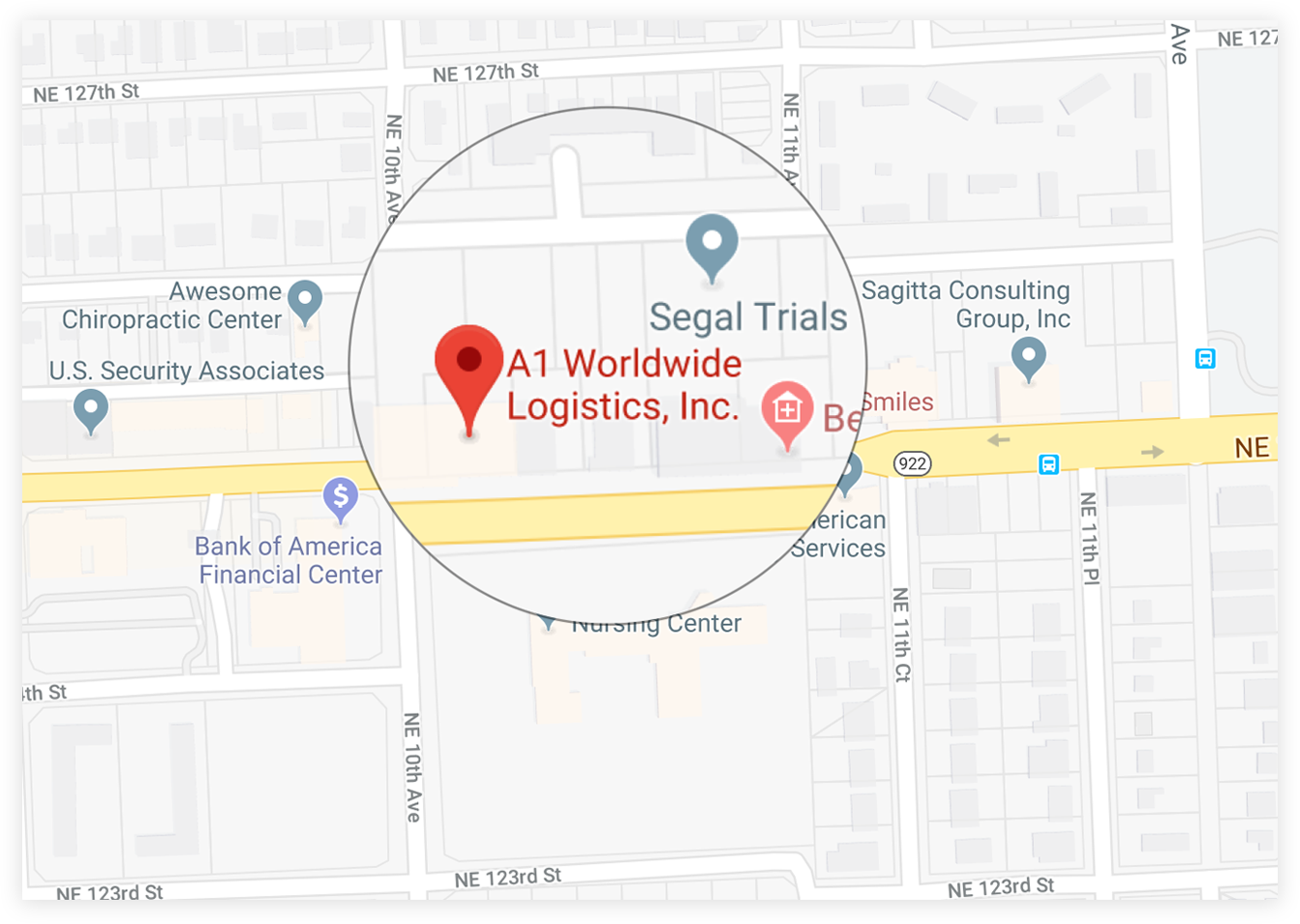
 1035 NE 125th St Suite #320, North Miami, FL 33161.
 a1worldwidelogistics.com
 (305) 821-8995
 Hours: 8AM - 5PM