
by A1 WorldWide Logistics | Nov 14, 2024 | Shipping Logistics, Supply Chain, Transportation
With electronics being a popular U.S. import, optimizing logistics for electronics imports can be an excellent opportunity for shippers. In 2023, the U.S. brought approximately $463.36 billion in electrical and electronic goods. Since there is such a high demand for these types of goods, it may be attractive to importers. However, there are many steps that a shipper should be aware of. Failure to prepare correctly can lead to disruptions, which result in delays and monetary loss. Understanding shipping logistics is especially crucial for businesses that ship large volumes of electronics yearly. This article will explain what to expect when bringing in electronics and how to improve the importation process.
What Should You Know Before Importing Electronics Into The U.S.?
Before importing electronics, it is essential to understand that there are various laws and regulations. Organizations such as the Customs and Border Protection (CBP) and the Federal Declaration of Conformity (FCC) determine the requirements for importation. The Food and Drug Administration (FDA) regulates all radiation-emitting devices humans use. Each organization can have its requirements for importation. For example, the CBP requires specific paperwork for goods entering the U.S. These documents include a commercial invoice, customs bond, bill of lading, etc. It is also essential to note the regulations can depend on the type of electronic. Electronics is a broad term that includes consumer products, medical equipment, digital technology, etc.
Classifying the type of electronic is necessary to determine the product’s HTS code. The HTS (Harmonized Tariff Schedule) code is a 10-digit number that defines the duties that the importer has to pay. Classifying the goods incorrectly can result in non-compliance penalties, delays, and product seizure. Understanding the type of electronics is also vital for knowing the registration process. Before beginning the importation of medical devices, the shipper must register with the FDA. The FDA also requires listing the device along with the premarket notification and approval. Similarly, importing products like televisions, radios, or telephones requires registration with the FCC by a Declaration of Conformity or certification.
How Can You Optimize Logistics For Electronics Imports?
Once you are ready to ship your electronics, optimizing logistics for importation can be advantageous for your supply chain. There are various ways to optimize, such as choosing the appropriate conveyance method. If the shipper wants to move their products quickly, shipping by air could be ideal. Likewise, sea transport would be suitable if the shipper wants to move large quantities at a lower rate. Shippers can talk to a freight forwarder or customs broker to complete paperwork and comply with regulations. A forwarder coordinates the shipment’s movement while a broker ensures compliance with the CBP.
For regular supply chains, the logistics for importing electronics continue after they reach the U.S. Importers typically look for warehousing to store their cargo, and customs-bonded warehouses are an ideal choice. A bonded warehouse is a facility where importers can store freight for up to 5 years without payment of duties. This allows the importer to save money and find customers before they must pay taxes for the shipment. A1 Worldwide Logistics has a bonded warehouse and numerous other optimization solutions. Reach us at info@a1wwl.com or 305-425-9513 to learn more about our custom bonded warehousing solutions. We also have freight forwarders and customs brokers to ensure your shipment’s success.

by A1 WorldWide Logistics | Nov 7, 2024 | Importing, Shipping Logistics, Transportation
While it is an excellent opportunity for shippers, there are numerous considerations to understand before importing tea into the U.S. Tea is one of the most commonly consumed beverages in the U.S., and over 159 million Americans drink it daily. Nearly 80% of all American households have tea products. While typical, bringing tea to the U.S. has many regulations and steps importers should know. Failure to comply with these guidelines can result in customs holding your goods and cargo loss. This article will explain what to be aware of beforehand and what to expect during the importation process.
What Should You Know Before Importing Tea Into The U.S.
Before deciding to import tea into the U.S., it is essential to understand the regulations involved. The Food and Drug Administration (FDA) is the primary federal agency that regulates tea importation. When importing, it gives specific food safety standards you must follow before bringing it to the U.S. According to the FDA, all food facilities must register and provide advanced notice to the department before importing tea. The Food Safety Modernization Act (FSMA) further states that facilities that manufacture, process, or pack foods like tea must submit additional information and allow the FDA to inspect registered facilities. Tea-producing facilities must renew registration with the FDA every other year.
Along with filing a notice to the FDA before importation, tea must have proper labeling before importing. The Nutrition Labeling and Education Act (NLEA) provides information on what the FDA package label should contain. Some of the info includes the tea name, quantity, nutrition facts, ingredient statement, allergen declaration, etc. To assist the FDA in determining if your tea abides by requirements, shippers can provide Affirmation of Compliance Codes. While not necessary for importation, providing A of C codes can help quicken the screening process.
Documents Required For Importation
For all cargo coming into the U.S., a shipper must provide necessary documentation to the Customs and Border Protection (CBP). Not filing the paperwork correctly can lead to delays and financial penalties for the importer. Some of the documents that the CBP requires for importation include:
- Bill of Lading
- Commercial Invoice
- Packing List
- Certificate of Origin
Shipments arriving in the U.S. by ocean must also submit an Import Security Filing (ISF). The ISF explains the content of the cargo, who is importing it, the product, and more. Along with having the proper documentation, the shipper must have the correct HTS Code. A Harmonized Tariff Schedule (HTS) code determines the appropriate duty rate for the cargo. Tea has specific codes depending on the package, type, origin, and intended use. You can find the proper HTS code using an online lookup tool or speaking to a customs broker.
How To Start?
Once the tea arrives in the U.S., it may also be vital to arrange domestic shipping and warehousing. With all the requirements to bring tea into the U.S., it can be challenging for inexperienced importers. An ideal way to begin is by using the assistance of a customs broker. A broker is a company or individual that clears goods that enter a country on behalf of an importer. They do this by ensuring the shipment complies with regulations, preparing documentation, calculating duties, etc. Reach A1 Worldwide Logistics at 305-425-9456 or info@a1wwl.com to speak to a customs broker regarding importation.

by A1 WorldWide Logistics | Oct 31, 2024 | Freight, Shipping Logistics, Transportation
Analysts have recently reported a continuing trend of LNG freight rates plunging to record lows. LNG (Liquified Natural Gas) rates for Atlantic and Pacific basins fell $20,750 and $36,000 daily on Friday, October 25th. For reference, this is the lowest for this period, with rates down 87% in the Atlantic and 78% in the Pacific since 2019. LNG pricing agencies have noted that rates for LNG tankers may remain low until late 2025. Spot prices for the UP World LNG Shipping Index (UPI) fell 3.54% last week. What is causing the sharp decline in rates, and how could this affect international shipping?
Why Are LNG Freight Rates Plunging To Record Lows?
The recent plunge in freight rates is due to the number of new tankers entering the market. By early October, there were 45 newbuild tanker deliveries, with more arriving in the next few months. Approximately 70 new LNG carriers will enter the global fleet of 800 by the end of this year. An LNG pricing agency noted, “We don’t see this pace of additions slowing significantly until mid-2026.” The issue is that manufacturers are producing tankers at a quicker rate than LNG production. As the amount of shipping capacity continues to rise, demand for LNG exports remains stagnant. Milder weather conditions worldwide also contribute to the weaker demand as winter approaches.
LNG production has been growing slowly due to a labor and equipment shortage, causing delays. In 2022, LNG supplies from Russia plunged from a conflict with Ukraine. With Russia being one of the largest producers and shippers of natural gas globally, the market felt the impact. As a result, shippers began looking at other countries like the U.S. for LNG exports. In anticipation of the rise in exports, manufacturers began building tankers rapidly, more than the demand to ship internationally. Instead of an increase in international shipping, customers began sourcing LNG locally, lowering freight rates. Traders also have no incentive to store LNG on vessels, which helps lower tankers on the market.
What Can This Mean For International Trade?
When LNG rates decline, it can significantly impact international trade, including the global energy market. For importers, this can lead to greater savings and make LNG more attractive than other fuels. As a result, price-sensitive markets like Southeast Asia could see a growing demand for this fuel. While lower LNG rates can benefit buyers, producers may feel low profit margins from plunging rates. Ship owners will also feel the impact of lower profits. To compensate, they may delay fleet expansions and invest in LNG infrastructure. Based on market conditions, producers could shift export destinations to high-paying markets or sell more at more competitive prices.
While the LNG market may be cyclical, keeping current with any situation affecting shipping is essential. Along with natural gas, this can include any cargo, and shippers can do this by speaking to a freight forwarder. Forwarders act as the middlemen between the shipper and carrier and coordinate the cargo’s movement. They also give shippers an idea of what to expect during the shipment’s journey and offer other solutions. Contact A1 Worldwide Logistics at 305-440-5156 or info@a1wwl.com for shipping to and from the U.S. Whether you need to ship LNG or any other cargo internationally, our forwarders can guide you through the process.

by A1 WorldWide Logistics | Oct 24, 2024 | Shipping Logistics, Supply Chain, Transportation
When shipping cargo internationally, it can be very beneficial to understand what is multimodal transport. Multimodal transport uses various modes of transportation to move cargo from the origin to the final destination. For example, this can include a shipment moving by vessel to a country before a truck transports it domestically. The conveyance can consist of air, ocean, road, and rail; however, a shipper uses a single contract and house bill. A single Multimodal Transport Operator (MTO) manages the entire journey despite the multiple transportation methods that the transporter can involve. This article will explain the benefits of multimodal transport and how it differs from intermodal transport.
Why Is It Essential To Know What Is Multimodal Transport?
Because of the components involved in moving goods internationally, understanding multimodal transport can benefit the shipper in numerous ways. A significant advantage is the increased flexibility in the overall supply chain. International shipping tends to be volatile with changing circumstances like demand and disruptions influencing cargo movement. Having different modes of transportation allows for adaptability when situations arise. For example, if a shipment becomes time-sensitive, a shipper can quickly switch to a transportation mode like air. Adaptability from various conveyance methods is also effective for timely deliveries since shippers can avoid situations like congestion. This is increasingly essential for businesses that must ship products to their customers.
Another benefit of multimodal transport is that it can decrease the overall costs of the transportation process. Since the shipper uses one contract with multiple methods of transport, the price tends to be less than using various agreements. The MTO can find the least costly solution for the shipper. Reducing the cost of shipping goods internationally becomes beneficial when moving large volumes of shipments constantly. It can simplify the logistics process for companies with complex supply chains that require managing multiple supply chains. Since a single MTO handles the entire process, the responsibility for damages and delays goes to the handler.
How Does Multimodal Differ From Intermodal Transport?
While multimodal and intermodal transport uses multiple conveyance methods, they differ in various ways. Due to the differences, freight forwarders play a different role based on the type of shipping. Intermodal transportation is the movement of goods to their final destination using various modes of transport with multiple contracts. For example, a truck, vessel, and rail carrier have their own contractors and issue separate Bill of Ladings. Due to the differences, these two transportation methods can have separate advantages based on the shipper’s needs. Intermodal transport lets the shipper choose carriers that fit their expenses and goals. Although multimodal transport may lessen choice freedom, it alleviates responsibility and may simplify scheduling.
A1 Worldwide Logistics
Since multimodal transport uses multiple modes of transport to ship, a key aspect is freight forwarding. Forwarders coordinate the movement of goods for the shipper by contracting one or more carriers. They act as intermediaries between shippers and carriers, ensuring the cargo reaches its final destination. A1 Worldwide Logistics has forwarders that can provide multimodal transport services for moving shipments internationally and domestically. For assistance with transporting cargo internationally, reach A1 Worldwide Logistics at info@a1wwl.com or 305-425-9752. We have solutions like freight forwarding, customs clearance, warehousing, and more to ensure the success of your supply chain.
by A1 WorldWide Logistics | Jul 18, 2024 | Economic trends, Shipping Logistics, Transportation
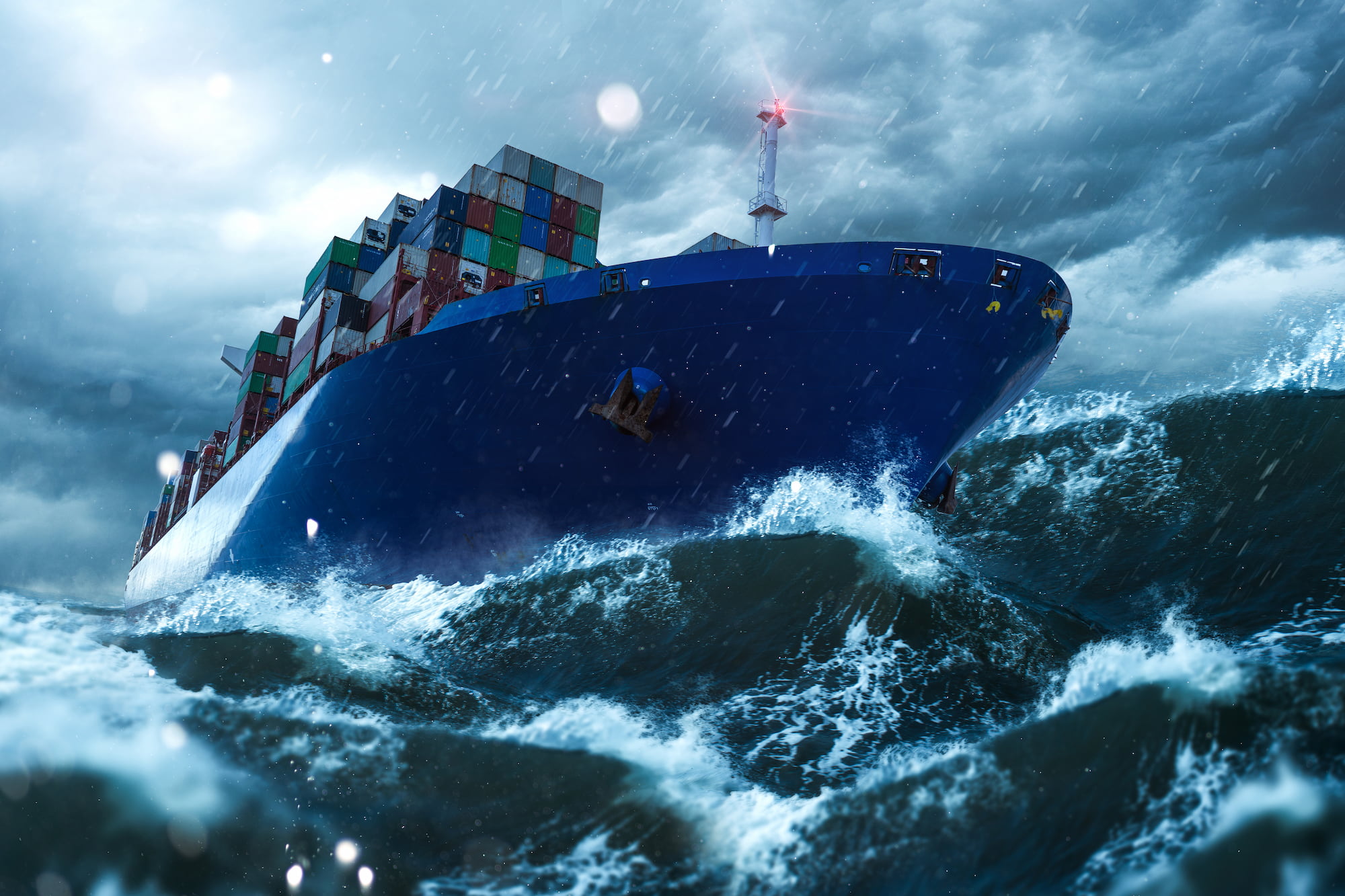
Severe weather over the last week has resulted in harsh shipping around Africa. Containerships are halting their journeys around the Cape of Good Hope due to the current conditions. Vessels are currently seeking shelter from more than 30-foot-high waves and high-speed winds. The storms are due to a cyclone that passed through the region over the last few days. Weather reports indicate another hurricane will pass through South Africa later this week. There are reportedly over 600 containerships currently routing around the location that may feel the impact. The amount of traffic, which is still growing, will directly impact international cargo movement.
Why Has The Cape Of Good Hope Increased Traffic?
Since the beginning of 2024, vessels that pass The Cape of Good Hope have been rising. Compared to the 1,800 ships that passed through the location in December of 2023, that number was 2,728 by February. By May 2024, maritime trade around the region increased by over 125%. The reason for the surge is due to the ongoing Israel-Hamas conflict that has been present over the last year. Nearby Houthi attacks around the Red Sea are causing ships to reroute their directions from the Suez Canal. Since approximately 30% of the world’s container volume passes through the Suez Canal, rerouting sends massive traffic to other locations.
One of the central locations that the ships rerouted to is the Cape of Good Hope. While longer and more costly, this route had more significant perceived safety advantages for shippers. Particularly for shipping between ports in Europe, Asia, and the U.S. East Coast. This was before the extreme weather, which had already taken its toll on vessels passing through. Along with ships having to halt, dozens of containers are falling overboard and damaged by the storms. Transits across the cape have returned on July 10th after a three-day pause from July 7th to July 9th.
What Can Harsh Shipping Around Africa Mean For Shippers?
The high volume of cargo vessels has switched to Africa, which can have significant implications for shippers. A primary concern is that shipping delays will persist. When carriers originating rerouted ships from the Suez Canal, they added an extra 14% days to the journey for some shipments. Having to halt due to a storm can add more delays to the cargo transport. Further congestion from vessel stoppage also adds to transportation time. Adding nearly 3,500 nautical miles on a trip also requires almost $1 million in extra fuel, which may lead to higher costs for the shipper. If the exporter is a business with customers, delays and price increases can look unfavorable to the company.
While the current conditions may seem daunting, they should not stop you from shipping your goods. A shipper should take the necessary steps, however, to prevent any issues like delays from arising. It is essential to be current with any situations that can affect your supply chain and act accordingly. An ideal way to ensure the success of your shipment is by using a freight forwarder. They coordinate the transportation process for the shipper while educating them on the best course of action to take. Reach A1 Worldwide Logistics at 305-440-5156 to speak with a freight forwarder and get assistance moving your cargo internationally.
by A1 WorldWide Logistics | Jul 11, 2024 | 3PL, Supply Chain, Transportation
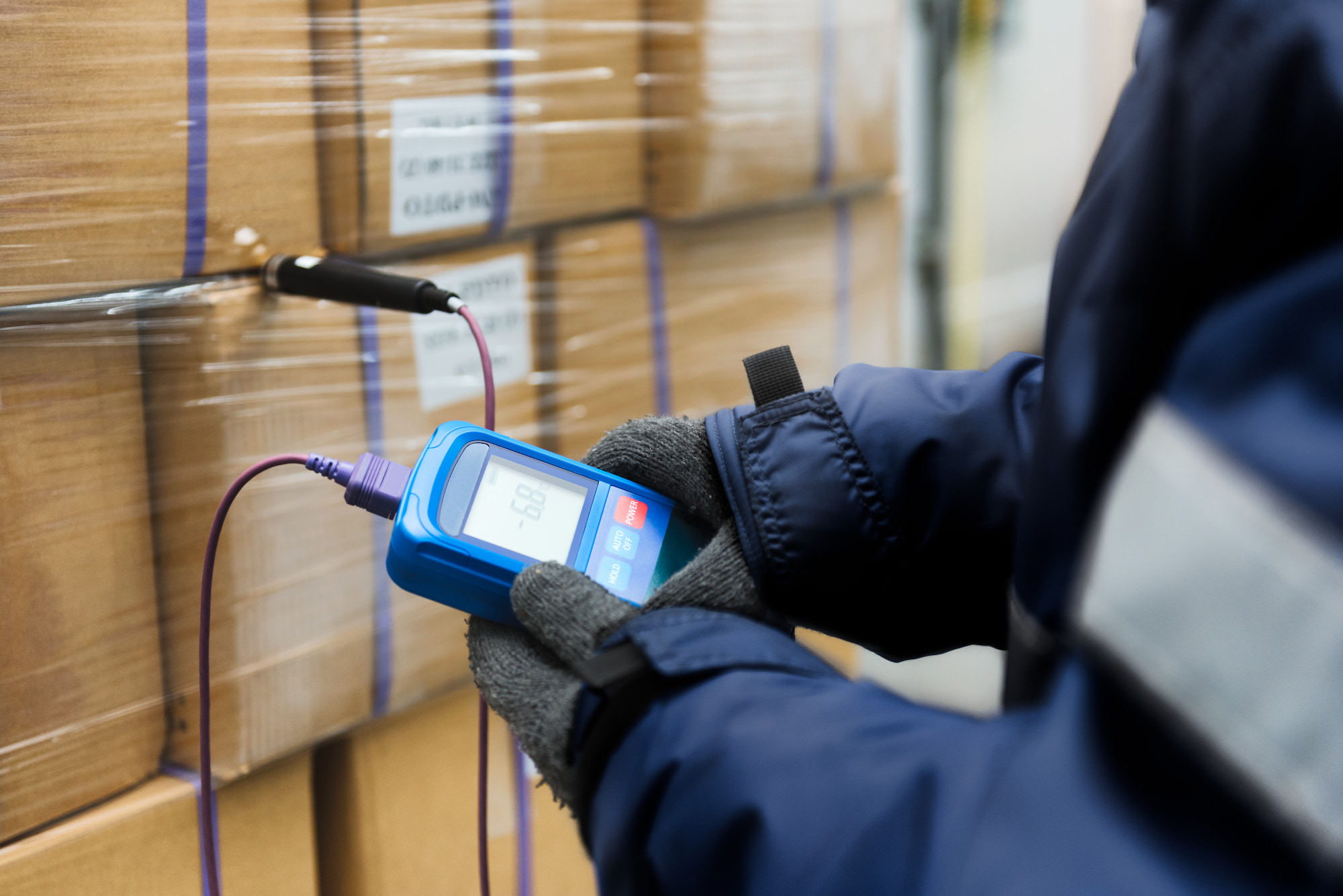
An essential consideration a shipper should make when moving temperature-sensitive cargo is understanding cold chain shipping logistics. A cold chain is a supply chain for transporting freight that has to remain under a specific temperature to prevent damage. These goods include perishable foods, beverages, pharmaceuticals, flowers, chemicals, cosmetics, etc. The process has the parts of a regular supply chain, like transportation and warehousing, but the temperature must remain constant. Cold chains have existed for hundreds of years, but technological advancements helped streamline the potential for more capabilities. While this article will focus on moving shipments internationally, the cold chain can also include domestic cargo transport.
What Are The Main Challenges To Cold Chain Shipping Logistics?
There can be various challenges and things that shippers should be aware of when starting a cold chain. This is due to the numerous components involved in the process. A common challenge is that the cargo has to remain at the same temperature throughout the journey. Even a tiny decimal point fluctuation in temperature can result in spoilage. Fluctuations can be the result of human error or equipment failure. Another challenge is that there are multiple standards and regulations that shippers have to adhere to in a cold chain. Regulators like the Federal Drug and Food Administration (FDA), the Department of Transportation (DOT), the International Air Transport Association, and U.S. Customs set the requirements.
Some regularity requirements include packaging, product stability, temperature transportation, and more. A lack of proper documentation is another issue that the shipper should be aware of. Depending on the type of shipment, the shipper must document data like storage temperature and conditions to prevent errors. Documents also include the paperwork needed for import and export. Failure to provide the correct papers can lead to delays in the shipping process due to holdups at customs. Delays are unfavorable for cold chains, with technologies like dry ice being temperature-sensitive.
What Is The Cold Chain Supply Chain Process?
The cold chain process starts long before the cargo leaves the location of origin. Before exportation, the cargo may be stored in a warehouse facility at the correct temperature to prevent spoilage. The same rule applies to the packaging, which should maintain the quality and prevent contamination before going on the carrier. Refrigerants can include dry ice, gel packs, EPS (expanded polystyrene) panels, and more. Shippers can use various methods of conveyance, like ships, airplanes, and trucks, to move the shipment. However, the transportation method has temperature-controlled systems. Examples include reefers (refrigerated containers) that keep the goods at the correct coldness during the journey.
When the cargo enters the destination port, the paperwork must be correct to prevent holdups. Once customs releases the shipment, a carrier delivers it to a warehouse or another location at the appropriate temperature. Despite the multiple components involved with transporting cold cargo, there can be numerous benefits for businesses and individual shippers. You can ensure the success of your cold chain by starting with the help of a 3PL (Third-party logistics) provider. 3PLs handle various parts of a supply chain, such as transporting, warehousing, and brokering, on behalf of the shipper. Contact A1 Worldwide Logistics at 305-821-8995 or info@a1wwl.com to speak to a 3PL provider regarding your cargo shipment.

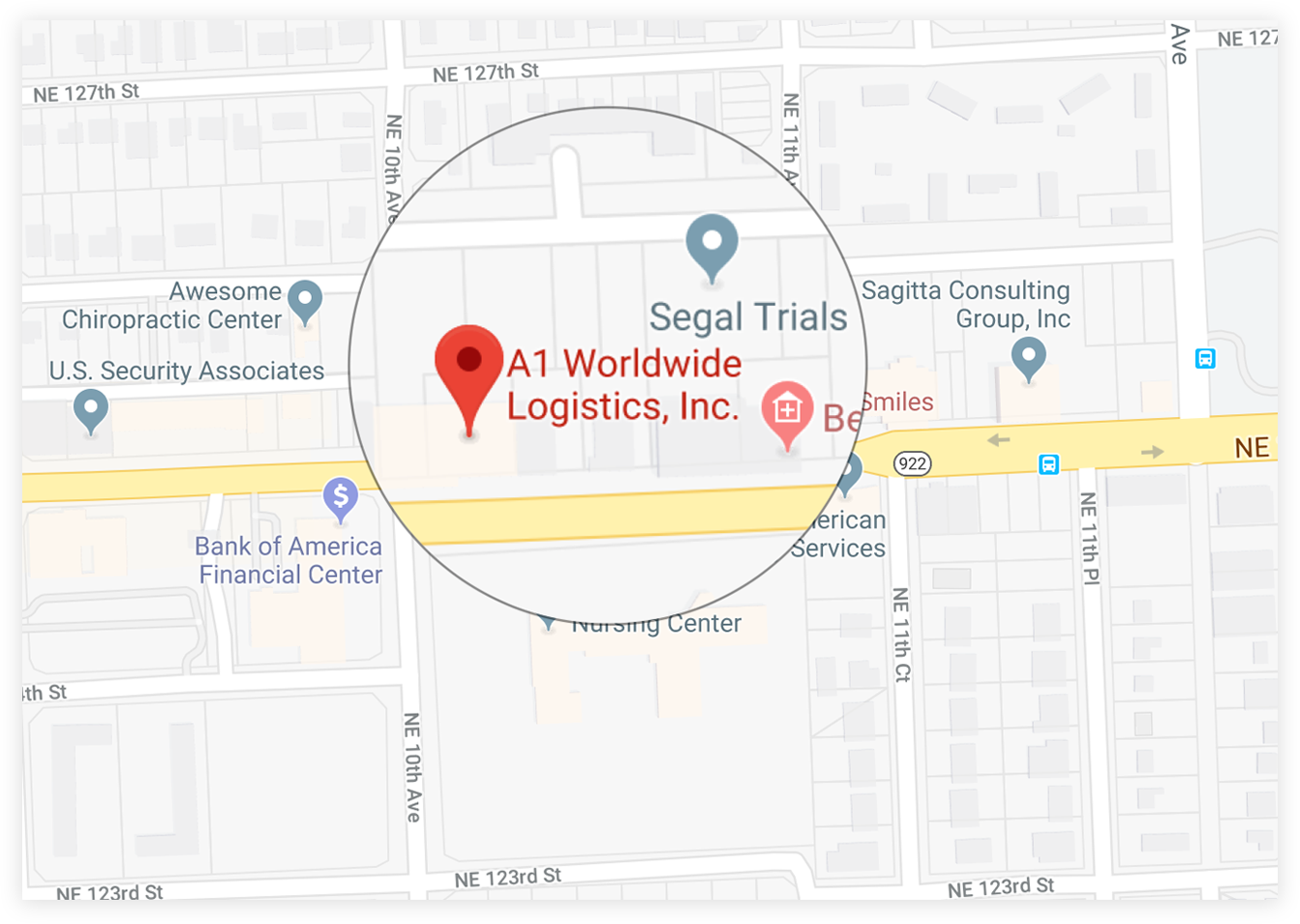
 1035 NE 125th St Suite #320, North Miami, FL 33161.
 a1worldwidelogistics.com
 (305) 821-8995
 Hours: 8AM - 5PM