In a Landmark decision, the Supreme Court ruled against Trump’s tariffs imposed under the International Emergency Powers Act (IEEPA).
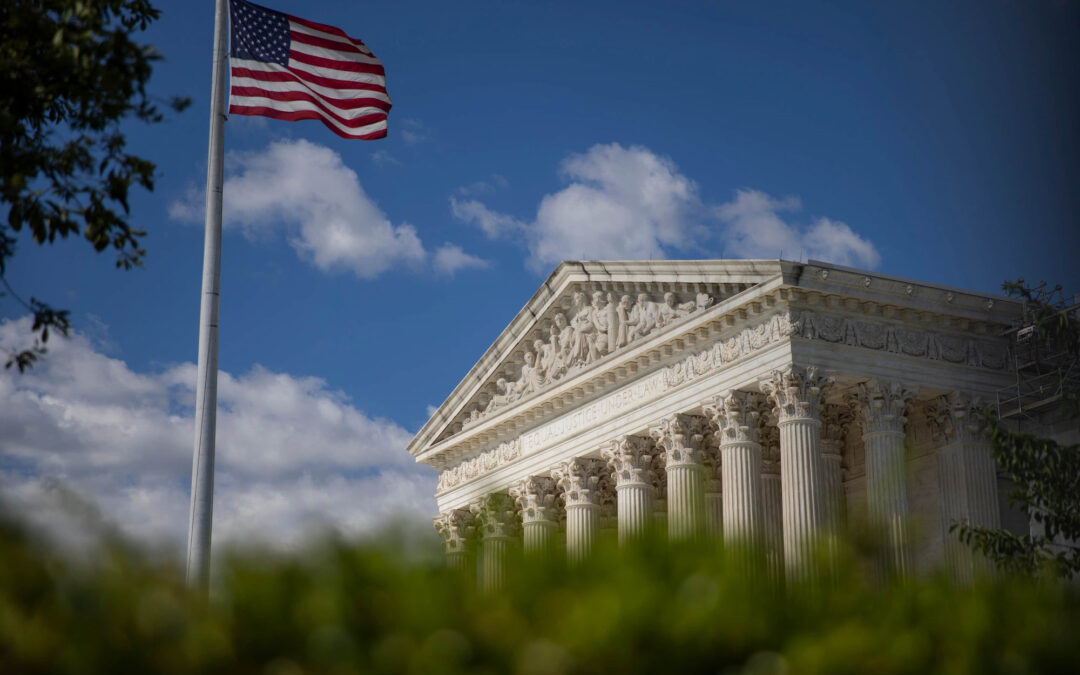

In a Landmark decision, the Supreme Court ruled against Trump’s tariffs imposed under the International Emergency Powers Act (IEEPA).

The Chinese New Year isn’t just a celebration — it’s a major moment for global supply chains 🌏🚢 With factories and families celebrate, international shipping can slow dramatically.

The ILA port strike ends after days of protests across East and Gulf Coast ports. Since October 1st, nearly 45,000 International Longshoremen’s Association (ILA) dockworkers walked out of ports and protested for better contracts. Their previous six-year contract with the United States Maritime Association (USMX) ended on September 30th with no resolution. Disagreements on wages and use of automation at ports have stalled talks for months. On the days leading up to the deadline, both parties made offers to prevent the strike, but to no success. When the ILA started walking out of their jobs, ports began shutting down. As a result, this significantly impacted the international shipping industry.
On October 3rd, the ILA and USMX reached a tentative agreement to extend the contract until January 15th, 2025. The agreement was a 61.5% pay raise and a $4 an-hour yearly wage increase for the next six years. Despite the ILA’s fight for a 77% wage increase, this is more than the USMX’s previous 50% offer. A final master contract will have to be negotiated by the parties before the extension date. In a statement released by the White House, Biden notes, “I want to applaud the International Longshoremen’s Association and the United States Maritime Alliance for coming together to reopen the East Coast and Gulf ports.”
Despite an extension of the contract, the international and domestic shipping industry has already felt the impact of the strike. Once the strike occurred, containerships started piling up at ports without dockworkers there to unload them. As a result, this created congestion that may lead to supply chain delays soon. While the temporary agreement resumed operations, it could take weeks for ports and supply chains to return to normality. To mitigate against delays, shippers rerouted to West Coast ports weeks before the strike occurred. Once ports shut down, importers of perishables like agriculture began fearing food spoilages from delays leading to loss and shortages.
Consumers reacted to the potential shortages by panic buying goods from stores. As the protest ends, the overall monetary loss could be less than anticipated by the shipping industry and the economy. The amount is still significant to the U.S. economy, with analysts reporting that a strike can cause a loss of nearly $5 billion daily. Ports across the East and Gulf Coast have begun opening and resuming operations. North Carolina Ports resumed normal operations at 8 am ET, while Port Houston will reopen at 1 pm CT. The Department of Transportation will work with supply chain stakeholders to ensure an orderly operation for the ports.
With the protest ending for the time being, shippers may find it safer to move cargo internationally. It is essential to understand that it may take time to clear the complete impact of the strike. When starting, it can be beneficial to use the assistance of a 3PL (Third-Party Logistics) provider. 3PLs help you navigate the world of international shipping by providing services like freight forwarding and customs brokering. They also guide you through the entire process and give you an idea of what to expect. Reach A1 Worldwide Logistics at info@a1wwl.com or 305-425-9752 for assistance with shipping goods in and out of the U.S. We have freight forwarders and customs brokers that ensure the success of your shipment.
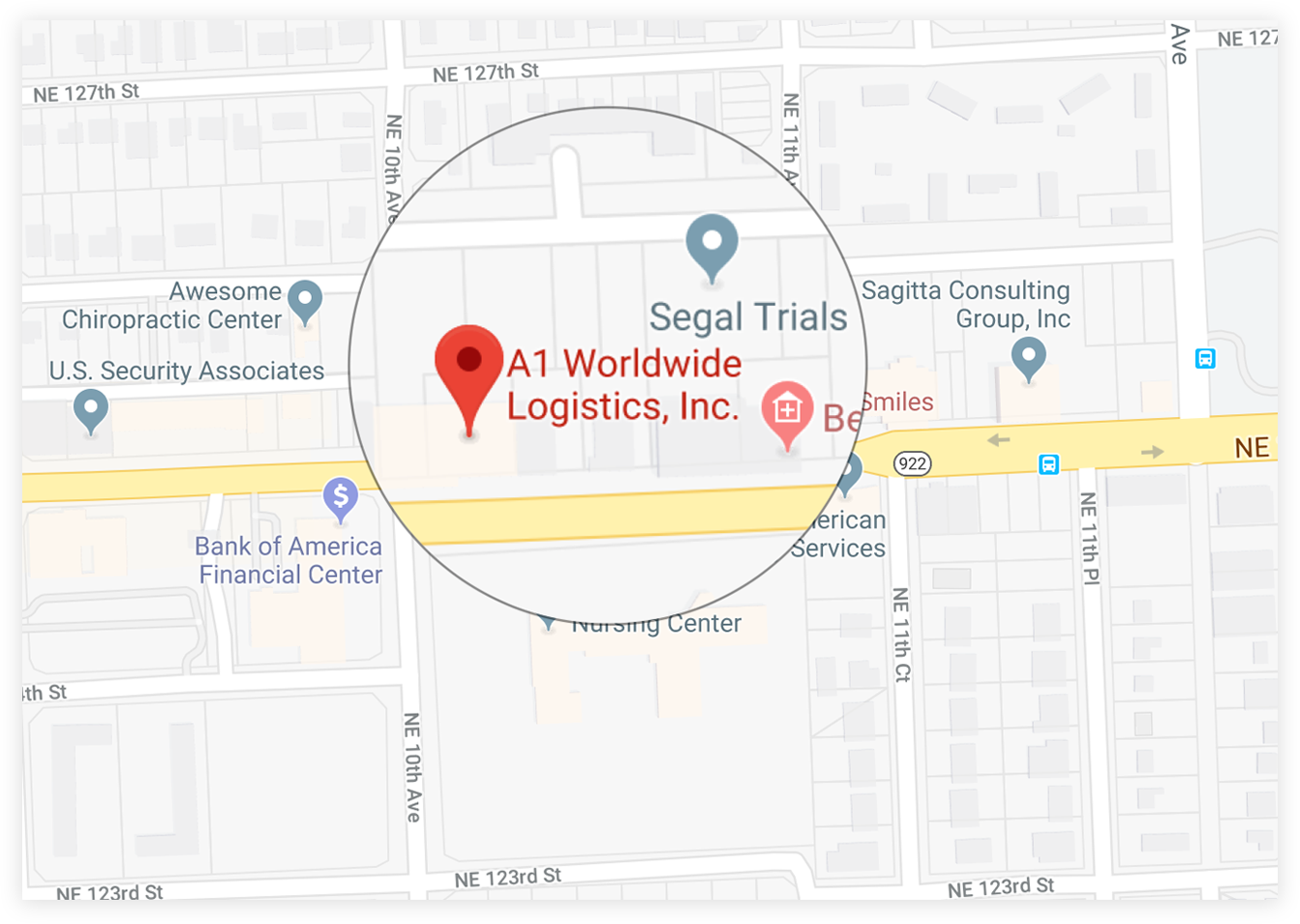
 1035 NE 125th St Suite #320, North Miami, FL 33161.
 a1worldwidelogistics.com
 (305) 821-8995
 Hours: 8AM - 5PM