Más del 14% de las importaciones de frutas en EE. UU. corresponden al aguacate. Descubre qué se necesita para llevar este producto desde Latinoamerica hasta los consumidores estadounidenses.
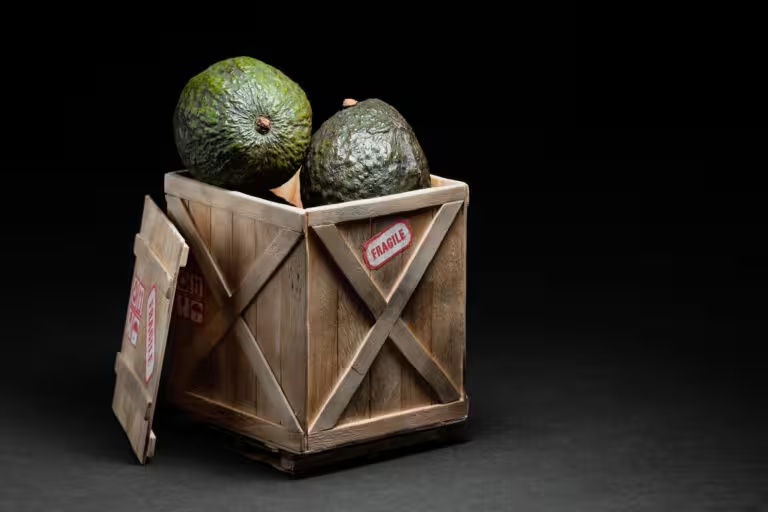

Más del 14% de las importaciones de frutas en EE. UU. corresponden al aguacate. Descubre qué se necesita para llevar este producto desde Latinoamerica hasta los consumidores estadounidenses.

The trade war is heating up, and wine lovers might feel the impact! President Trump has threatened a 200% tariff on wine, champagne, and other alcoholic beverages from the EU.
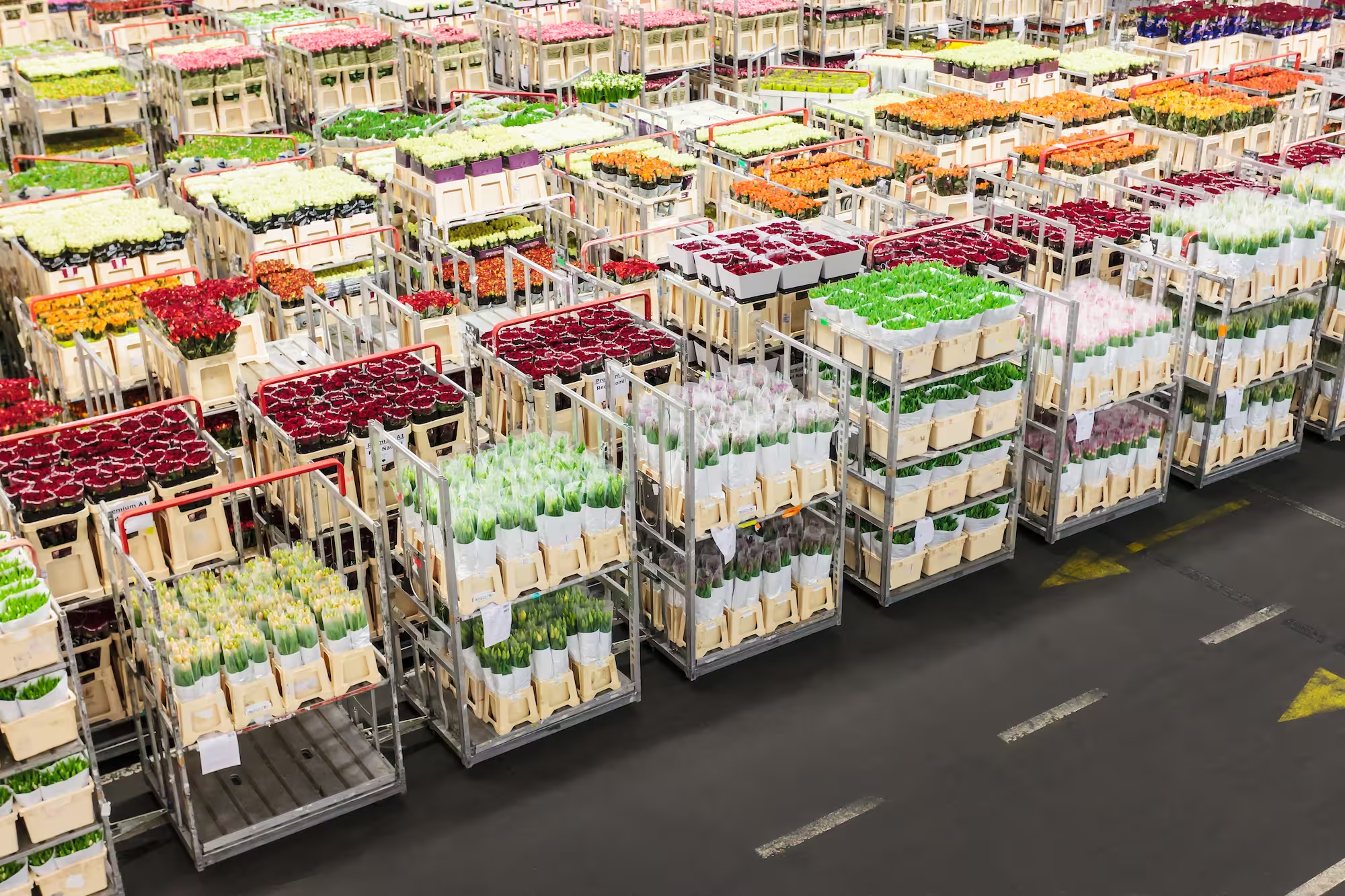
The popularity of fresh flowers has been increasing in recent years. In 2023, the total value of flowers imported into the U.S reached over $2.5 billion, with $1.5 billion coming from Colombia. This highlights Colombia’s importance to the U.S. flower market. This article outlines the requirements to successfully import flowers from Colombia into the U.S. to ensure a smooth operation in your supply chain.
Flowers are highly regulated by the United States Department of Agriculture (USDA) enforced by U.S. Customs and Border Protection. These regulations aim to prevent the introduction of harmful pests and diseases into the U.S. market. To start with the import process, first, you need to apply for an Animal and Plant Health Inspection Service (APHIS) permit which will allow the company to import plants and plant products. This permit needs to be obtained prior shipping.
Upon arrival in the U.S., your flower shipment will be inspected by APHIS. This inspection verifies compliance with all applicable USDA regulations. During this inspection, the USDA will request the APHIS permit and the phytosanitary certificate, which must be obtained from the appropriate agency in Colombia. Depending on the specific type of flower, duties and tariffs may apply. To determine the exact duty rate, the appropriate Harmonized Tariff Schedule (HTS) code must be used to classify the flowers, which is essential for proper assessment and clearance.
However, there are benefits to importing flowers from Colombia. Flowers grown in Colombia may qualify for benefits under the Free Trade Agreement that is currently in effect. This agreement provides duty-free treatment for products that meet the origin requirements. To claim this duty-free treatment, the importer must provide a Certificate of Origin along with the required documentation.
To ensure efficient and compliant operation during the customs clearance and logistics process, A1 Worldwide Logistics offers comprehensive services as both a customs broker and freight forwarder. Our expertise in navigating the complexities of international trade regulations and logistics ensures your floral shipments are handled with the utmost care and efficiency. We can assist with all aspects of the import process, from documentation preparation and customs clearance to transportation and delivery. Contact us today to learn more about how we can streamline your flower import operations.
*This article was also published in Metroflor Magazine, a prestigious Colombian medium specialized in floriculture.
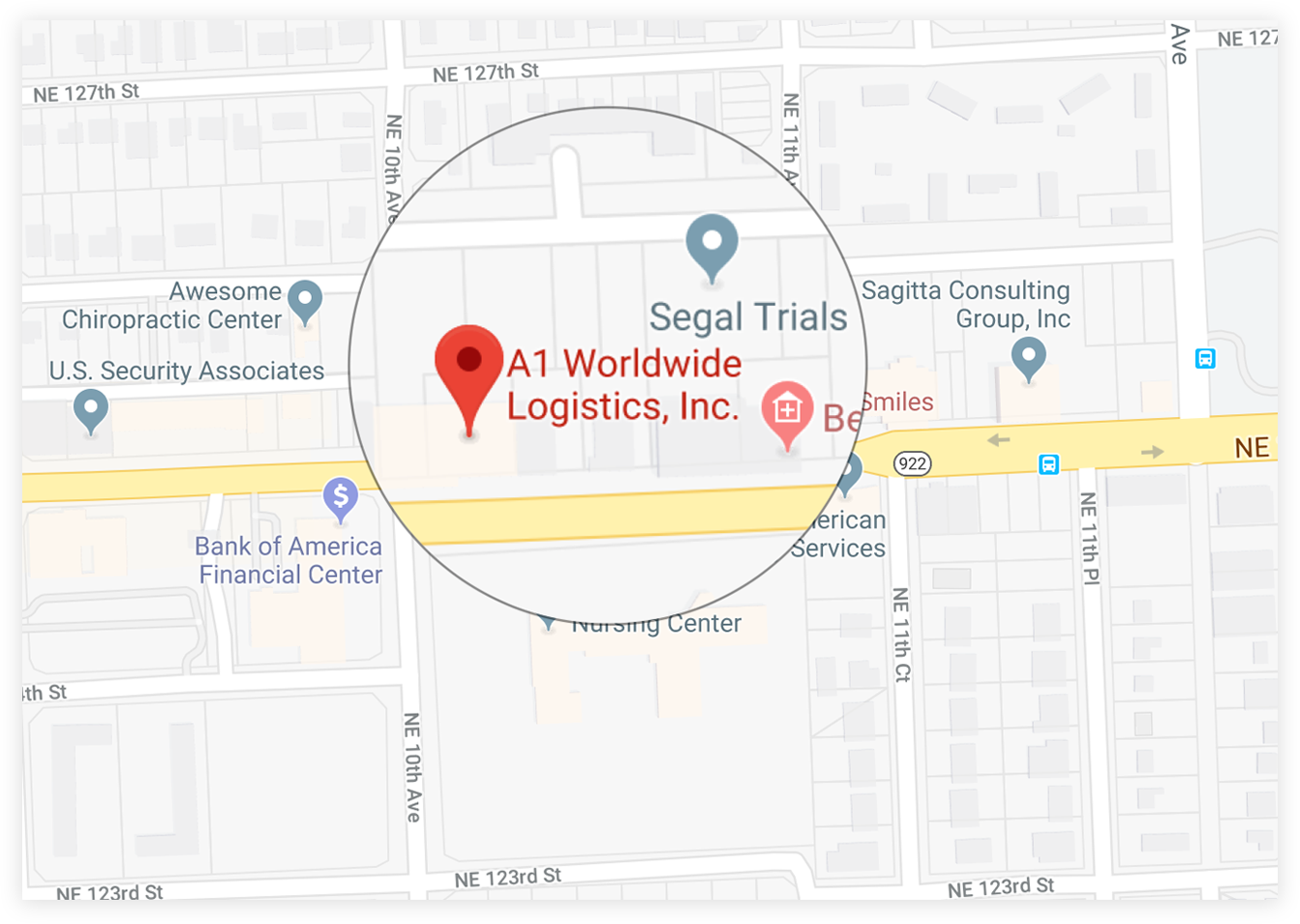
 1035 NE 125th St Suite #320, North Miami, FL 33161.
 a1worldwidelogistics.com
 (305) 821-8995
 Hours: 8AM - 5PM