The Court of International Trade (CIT) has recently announced a class action for IEEPA refunds. On October 8, the CIT said the class action will allow refunds to importers who imported cargo under the now-illegal International Emergency Economic Powers Act (IEEPA)...
Elegir el agente de aduanas adecuado es una decisión importante para cualquier empresa o persona que importe mercancías a Estados Unidos. Su agente de aduanas puede ayudarle a preparar su declaración de aduanas, clasificar sus productos, calcular los aranceles,...
Choosing a customs broker is an important decision for any business or individual importing goods into the United States. Your broker can help prepare your customs entry, classify your goods, calculate duties, manage documentation, and communicate with U.S. Customs...
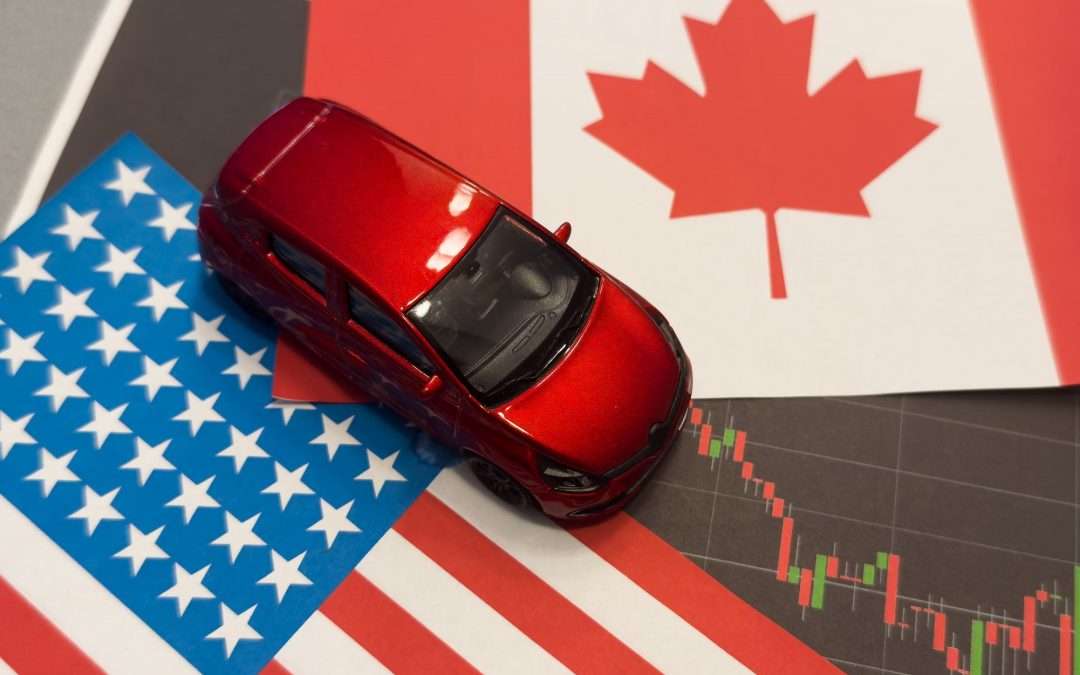
Although importing cars from Canada can benefit importers and businesses, it can be confusing for the average shipper. Canada’s proximity to the US makes cross-border vehicle transportation relatively accessible. In addition to offering easy access, Canada is an...
Self Piloting Ships and the Long-Term Investment of the Future
Share This Article
Self Piloting Ships and the Long-Term Investment of the Future
Google and Rolls-Royce are Partnering for Self Piloting Ships
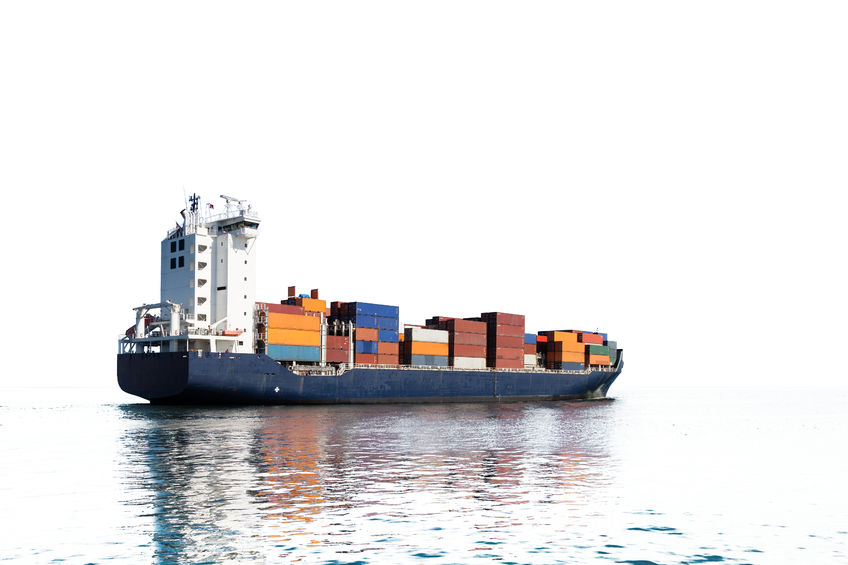
One of the most popular stories to come out in recent weeks has been that Rolls Royce and Google are partnering up for a line of personal, self-piloting ships for the future. This has come as a major turn because while Rolls Royce has created some ships in the past and Google has some experience with self-piloting cars; this is a mutual breach of territory for both parties involved.
Atop that, it has become an increasingly exciting endeavor for many people who want to own ships but simply don’t know how to operate them. Considering how many people buy ships and the usual investment they make, this could prove to be a huge market changer for Google and Rolls.
But one of the more interesting tidbits about this story is not the fact that Rolls Royce is making a ship, but that they are choosing Google to be their partner. One of the hotter options would have been to partner with Tesla, and additionally, there are countless self-piloting startups that are existing out there, so why would you choose Google?
Why is Google the Best Choice for Self Piloting Ships?
Not only does Google bring wealth, experience, and name recognition to the plate, but they also bring Blockchains. (Read more about our article on blockchains.)
We mentioned in the last article that block chains are packets of information sent between multiple computers to manually automate each step that goes along with automating a process.
Not only can blockchains bring a form of currency with it, but it also brings an extra level of validation. Many people who want to invest in automation are also wanting to invest in a blockchain to go with it. When it comes to automation and packet switching, Google is the best people in the game.
Can you create an autonomous ship without blockchains?
Self Piloting and autonomous processes need block chains because that’s simply how the bots that run the system work. There isn’t one bot in a boat steering and acting as captain. There is one coordinating thousands of little processes that are constantly reporting things such as time, speed, location, chop, water conditions, and so on and so forth.
Knowing that blockchains are the future of automation only proves that as more people are getting into automation, there will be in essence, fewer blockchain companies with larger networks within their system.
Descubra cómo elegir una empresa de transporte internacional de mercancías, comparar opciones aéreas y marítimas, preparar documentos y calcular costos logísticos.
DDP stands for Delivered Duty Paid. Under this shipping term, the seller arranges transportation to the agreed destination and handles export and import clearance, including the applicable import duties and taxes. The goods are delivered to the buyer ready for...
CIF and FOB are shipping terms that define the buyer’s and seller’s responsibilities. Under CIF, the seller arranges and pays for ocean freight and cargo insurance to the named destination port. Under FOB, the buyer arranges and pays for the main ocean journey, and...
Ocean freight, also called sea freight, is the transportation of goods by ship. Businesses use it to move commercial cargo between countries, from a few pallets in a shared container to full-container orders and oversized equipment. For a U.S. import, the shipment...
LCL shipping, short for less than container load, lets your business move ocean freight in a container shared with other shippers. You book space for your cargo instead of reserving a whole container. For a business importing a few pallets at a time, that can make...

 Atop that, it has become an increasingly exciting endeavor for many people who want to own ships but simply don’t know how to operate them. Considering how many people buy ships and the usual investment they make, this could prove to be a huge market changer for Google and Rolls.