
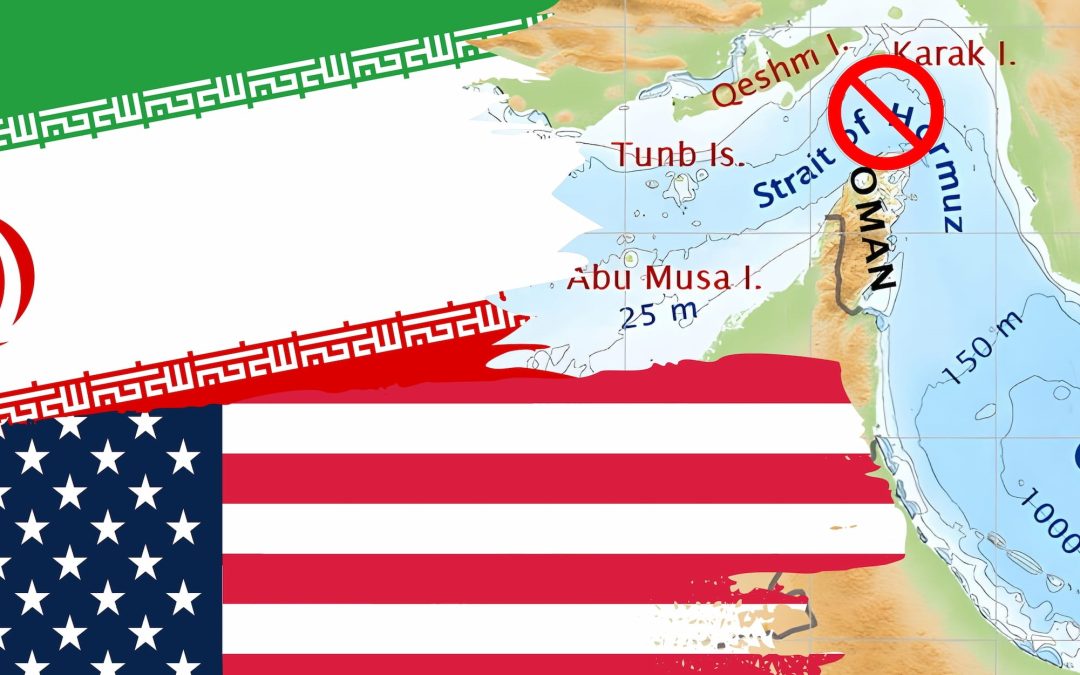
The Strait of Hormuz is still closed as an ongoing conflict in Iran continues. US involvement has escalated a war between Iran and Israel in recent times. As the countries involved escalated the conflict, Iran closed most of the strait on February 28, 2026. Since then, the Strait of Hormuz has operated at limited capacity. The US responded to the blockade by enforcing a naval blockade restricting traffic around the region. Despite claims that the Strait of Hormuz is open after the blockade, Iran noted that it remains mostly closed. Due to the strait’s importance, shippers have felt and could continue to feel the impact of the closure.
How Has The Strait’s Closure Impacted Shipping?
Along with being an important waterway for international trade, the Strait of Hormuz is responsible for nearly 20% of the world’s oil and liquefied natural gas (LNG). When Iran closed the Strait, gas prices surged in the US, reaching a national average of $4.14 by April. Higher oil prices increased costs across various supply chain components, including fuel costs, which in turn raised ocean freight rates. The closure also negatively affected food supply chains, as ships carrying fertilizer and sugar couldn’t pass through. The waterway working at limited capacity resulted in greater congestion in US ports as well, due to off-schedule vessels.
How Can Shippers Prepare While The Strait Of Hormuz Is Still Closed?
While the Strait of Hormuz remains at limited capacity, shippers must take action to avoid supply chain disruptions. With the waterway serving as a shortcut for shippers, this can mean rerouting around the Cape of Good Hope. However, rerouting may be more costly and extend the shipping process. If possible, switching to air or land can help avoid delays. Importing or exporting before the closure escalates further may be essential in preventing greater disruptions. Shippers can also prepare by transporting cargo to and from other countries unaffected by the conflict. If the importer can source their cargo domestically, it may alleviate shipping disruptions and also prevent transport delays.
Despite the current conflict affecting shipping, it should not stop international cargo movement. Shippers should, however, understand the affect their shipment and take the proper precautions. In addition to staying current with regulations, shippers can do so by speaking with a freight forwarder like A1 Worldwide Logistics. Forwarders are third-party companies that act as intermediaries between the shipper and the carrier transporting the goods. They do this by offering solutions like providing paperwork, coordinating cargo movement, negotiating rates, warehousing, and more. forwarders also offer consultation for navigating disruptions that can affect their shipments. Contact us at info@a1wwl.com or 305-423-9456 to speak with our forwarder about importing or exporting anywhere in the world.