by A1 WorldWide Logistics | Jun 6, 2024 | Economic trends, Shipping Logistics, Supply Chain
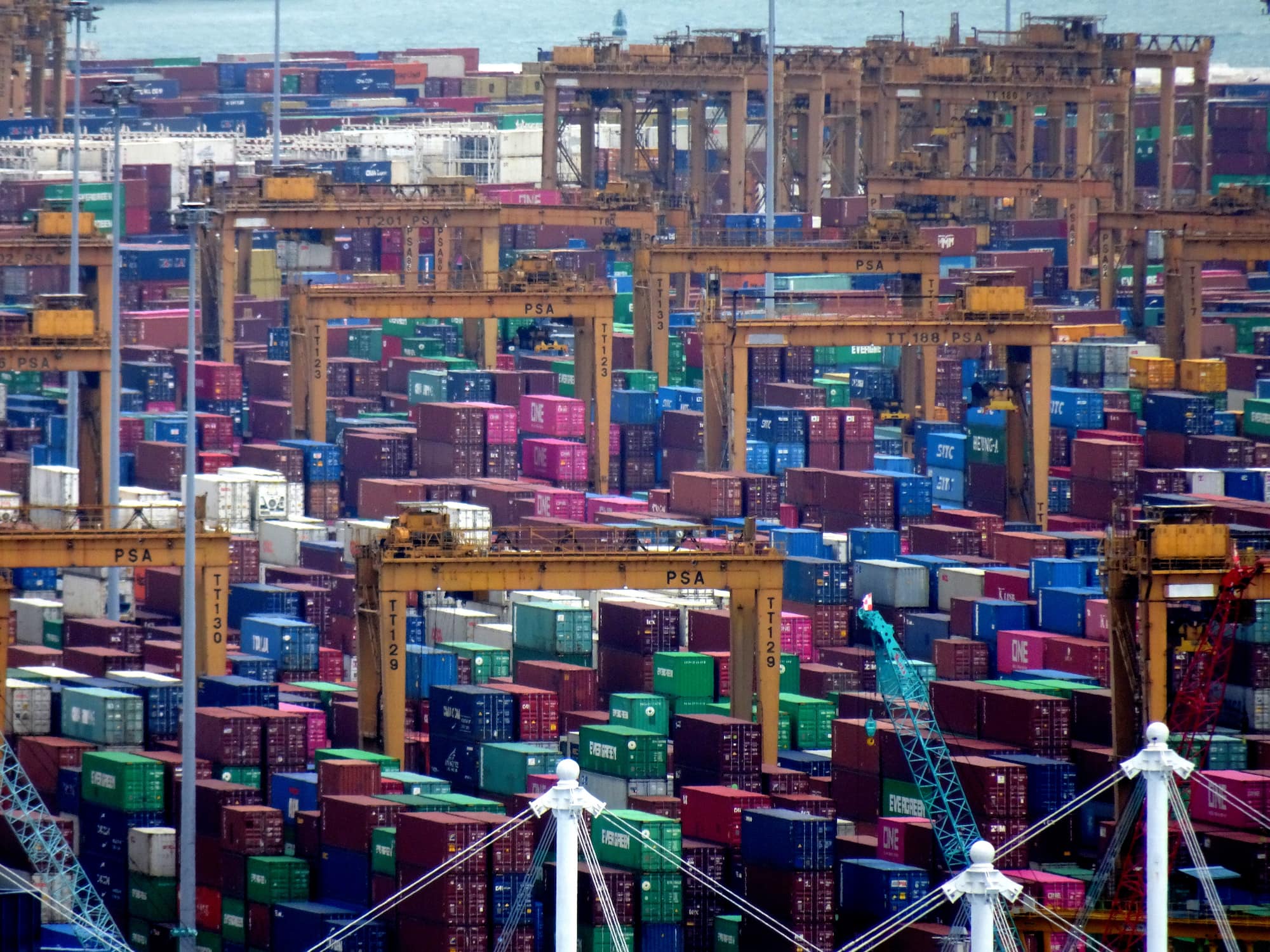
Over the last few weeks, an increase in container volumes has resulted in growing Singapore port congestion. The Port of Singapore is the 2nd largest seaport internationally, handling over 591.7 million tons of freight in 2023. Various international shipping circumstances have recently caused global backlogs across ports, with the Singapore port being an epicenter. A market intelligence firm report noted that nearly 450,000 TEU (Twenty-foot equivalents) are in the queue. For reference, this is a greater volume than the coronavirus pandemic. Shipping delays in the port have also doubled nearly in May, with vessels waiting almost seven days for a berth. What can the congestion mean for shipping as the peak season quickly approaches?
What Is Causing The Growing Singapore Port Congestion?
While different contributors are resulting in current port congestion, the Red Sea Crisis is one of the primary issues. In 2023, the Iseral-Hamas conflict in Gaza made its way to the Red Sea as militants struck multiple vessels. The sea connects to the Suez Canal, one of the significant artificial pathways for international shipping responsible for nearly 30% of the world’s container volume. As a result, containerships began rerouting to locations, such as the Cape of Good Hope in South Africa. A side effect of the conflict was an increase in off-schedule arrivals to ports like the Port of Singapore. When carriers arrive off-schedule, at the same time, it creates a vessel-bunching effect.
As more containerships remain outside the Port of Singapore, berth wait times increase. Vessels typically wait around half a day to dock at the port but currently take up to seven days. As a result, several ships have canceled their shipment to the port. However, that may create congestion for nearby ports. The Singapore port has responded to the jam with plans to open three additional berths later this year. Congestion has become a growing concern globally, with Asian and Mediterranean ports feeling a significant strain. The market intelligence firm also notes that nearly seven percent of global port capacity is currently congested. Usually, the number is between two to four percent.
What Will This Mean For International Shipping?
Geopolitical events like the Red Sea crisis have significantly affected shippers’ supply chains that move goods internationally. Along with rising transit times, another effect is that freight rates have increased over the last few months. The global container freight index has risen over 30% in May 2024 alone. Asia-North America West Coast spot rates have increased by over 70% since the end of April. If the existing trend continues, container rates could reach over $15,000 by the end of the year. Other situations affecting the rising prices include sudden demand increases, capacity constraints, equipment shortages, and rising fuel prices.
Although the current situation can seem intimidating, it should not stop the movement of cargo internationally. It is, however, essential that you are informed and protect your supply chain. Using the assistance of a 3PL (Third Party Logistics) provider is an ideal way to begin. 3PLs handle various parts of a shipper’s supply chain, including international and domestic shipping, storing, customs brokering, etc. 3PLs also offer consulting services to ensure you take the best actions for your supply chain. Reach A1 Worldwide Logistics at 305-425-9513 to find out about our numerous solutions for moving your shipment. We help you navigate the shipping world and move your goods to the final destination.
by A1 WorldWide Logistics | Feb 8, 2024 | Shipping Logistics, Supply Chain, Transportation
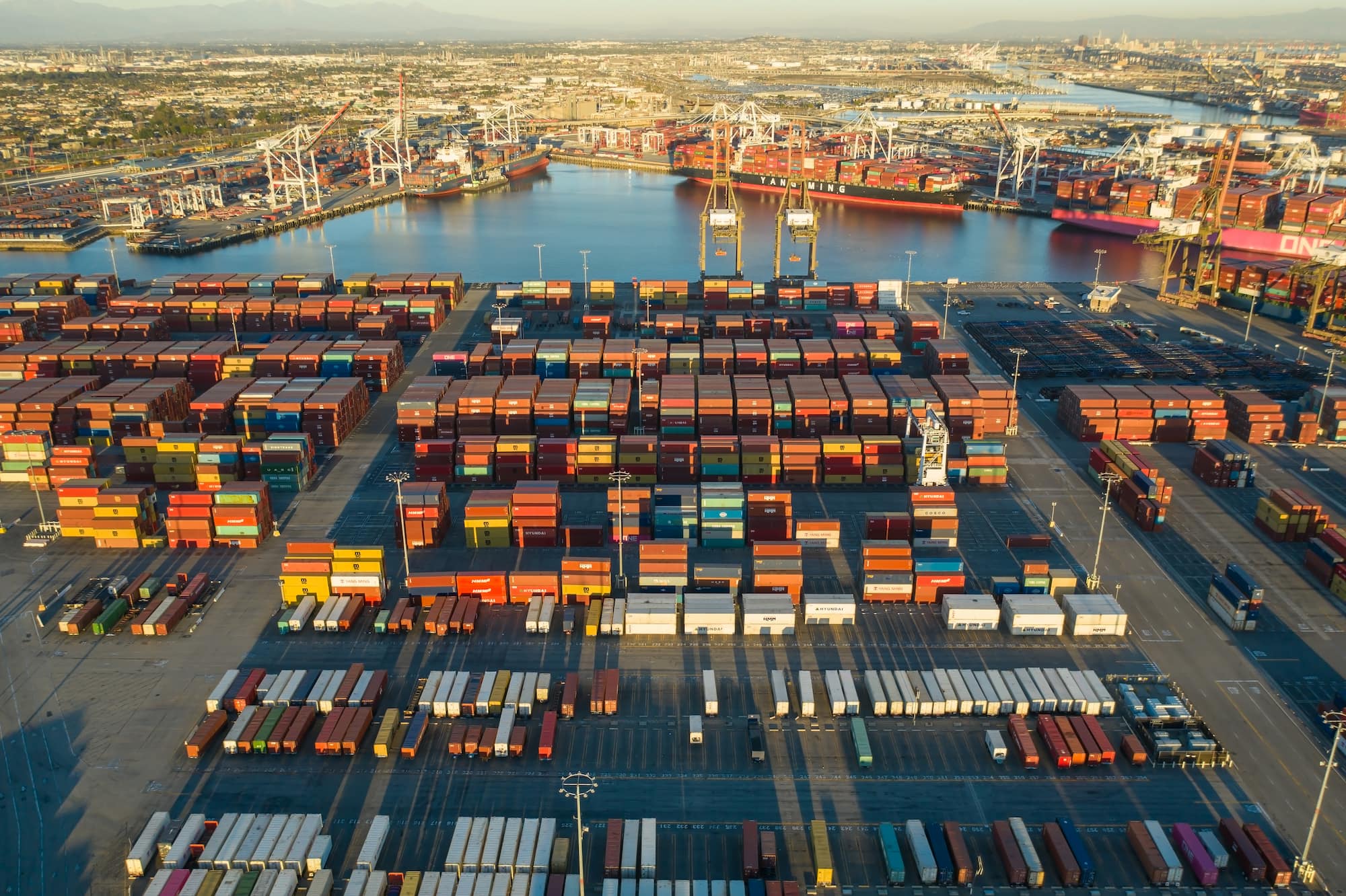
Different situations internationally are causing many to expect a cargo surge in U.S. ports in the coming weeks. Particularly on the West Coast, Long Beach and Los Angeles ports may soon receive extraordinary volumes. A primary reason is the Gaza war, which has a direct effect on the containers passing through the Red Sea. The U.S. Department of Transportation (DOT) has been monitoring the situation, and stakeholders expect increased congestion across ports. With the number of shippers that rely on the ports, potential delays can adversely affect their supply chains. Despite the predicted shipment surge, ports and inland transportation services are more prepared for the volumes than the COVID-19 pandemic.
What Is Causing The Cargo Surge In U.S. Ports?
The issues between Israel and the Hamas militant group have escalated to a war in 2023. Shippers moving cargo to and from the Red Sea to the Suez Canal were affected by potential delays and attacks. The Suez Canal is one of the most significant artificial canals, with more than 12% of global trade passing through. As the conflict reached the canal, numerous shippers began rerouting to safer locations to protect their shipments. As carriers began switching routes, places like the U.S. West Coast rose in popularity. Instead of going the long route through the Cape of Good Hope in Africa, Asia-U.S. shipments can cut time by nearly 14 days by going to the West Coast.
Along with the conflict in the Red Sea, the Panama Canal has been facing a drought. Over the last year, the Panama Canal Authority (ACP) set restrictions on carriers that must pass through. This meant the number of containerships that move through daily went from approximately 40 to nearly 32. A decrease in daily transits led to a backlog of over 100 ships waiting for entry, leading to significant delays. The Panama Canal water shortage initially rerouted cargo going to the U.S. West Coast to the Suez Canal. Now, the situation in the Suez Canal is redirecting ships again to the U.S. West Coast, increasing cargo volume.
How Can You Prepare Your Shipment From Congestion And Delays
With U.S. ports potentially experiencing congestion in the coming weeks, you must prepare your shipment beforehand. Looking at the news or reading shipping web pages could protect your goods from delays by giving you a warning. When your cargo is on the journey to the port, proactive communication with your carrier or logistics provider is critical. Knowing the time expectations beforehand helps you plan your supply chain accordingly and warn your customers about setbacks. Having the documentation ready before the goods enter the port may prevent further delays and demurrage charges. If possible, you can look for alternate nearby ports to import your shipment.
As the West Coast ports get more congested in the coming weeks, protecting your shipment is increasingly essential. While delays can be unfavorable for your supply chain, you can take steps to prevent them from happening. Another way to do this is by speaking to a logistics provider. Logistics companies have various services like freight forwarding and customs brokerage for ensuring the movement of your cargo. Reach A1 Worldwide Logistics at 305-821-8995 or info@a1wwl.com for assistance with importing or exporting to or from the U.S. We have customs brokerage and freight forwarding services to help you navigate the world of international shipping.
by A1 WorldWide Logistics | Jan 25, 2024 | Importing, Shipping Logistics, Supply Chain
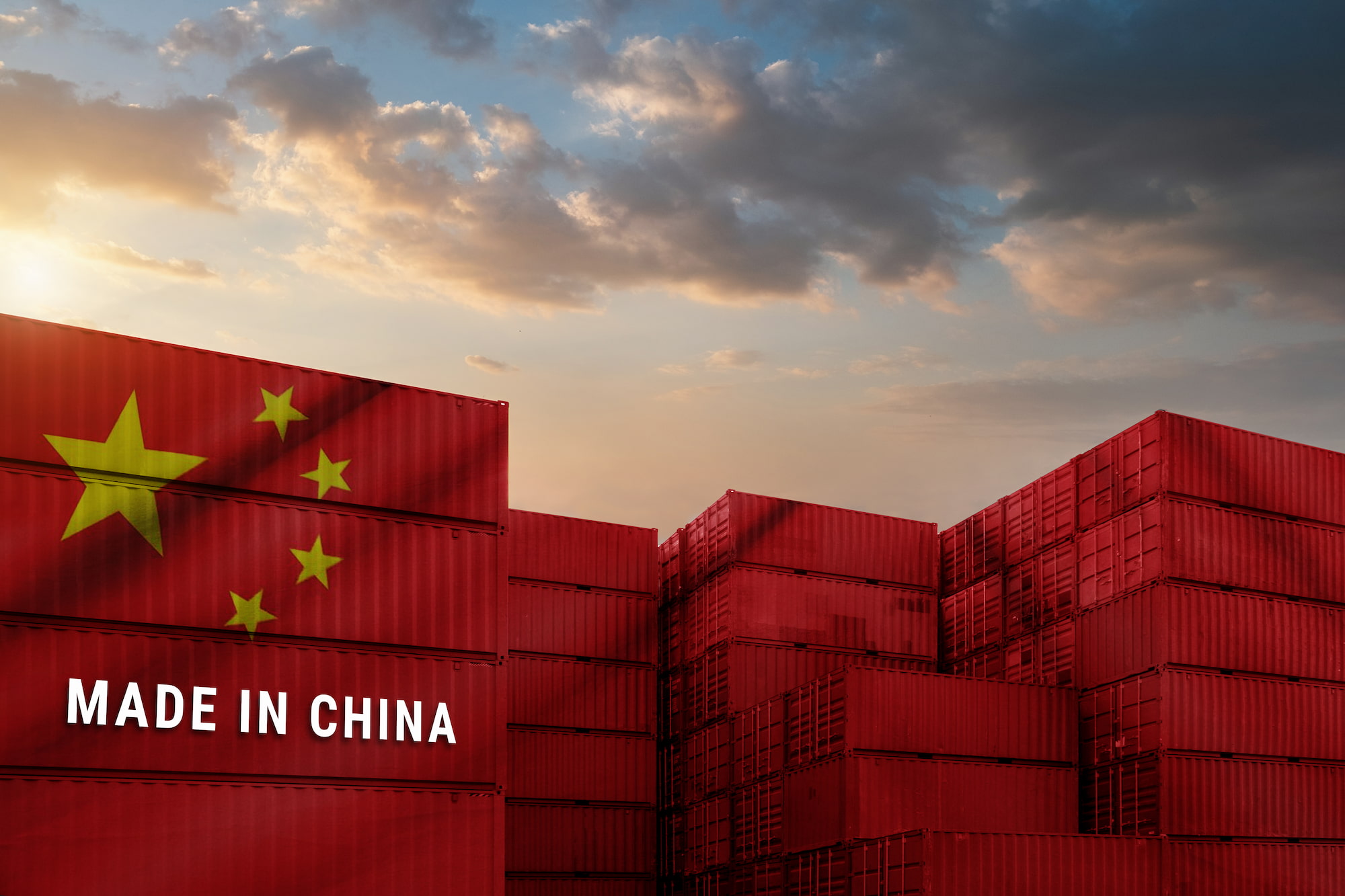
Due to China’s significance for international trade, shippers may face challenges when importing during Chinese New Year. Making up roughly 14% of the world’s total exports, China is the largest exporter of goods globally. The Chinese New Year is a festival that celebrates the start of a new year in a lunisolar Chinese calendar. This year, the Chinese New Year will start on February 10th, 2024, and finish on February 24th, 2024. During the holiday, ports, shipping companies, and factories limit operations or shut down, which can cause supply chain disruptions. This article will explain how the Chinese New Year affects shipping and how to prevent delays when moving cargo.
What Should You Know When Importing During Chinese New Year?
Chinese New Year is a 15-day period where business and production in the country decrease. With China being a powerhouse in world trade, a slowdown has a significant impact internationally. A major impact is that supply chain disruptions can grow during this period. Along with factories closing for more than weeks, a considerable part of China’s population is on vacation. Companies that import goods from China may experience delays and unavailability. Meanwhile, there is an increase in demand in the weeks leading up to the holiday, which can mean port congestion. This is at a time when the ports are already operating at limited capacity.
Congestion is not only felt at the ports; trucking services for moving the cargo to its final location also feel the bottleneck. The increase in demand can mean higher shipping costs since there is limited capacity to match it. Along with increased freight rates, carriers may add charges like peak season surcharge. There is also a shortage of containers due to the demand during the holiday. Even after Chinese New Year finishes, businesses and manufacturers do not return to normal immediately. It can take over four weeks for companies to return to normal production levels. Shippers can feel the majority of the impact between mid to late February.
How Can You Protect Your Supply Chain
Because of the impact of the holiday, shippers that have to move their cargo internationally must be ready to prepare. Preparing for the Chinese New Year should be done weeks in advance. Planning ahead can mean booking container space beforehand or communicating your needs with your logistics provider. Using more than one supplier or supplier in different countries can also help. In a scenario where prices increase, using LCL (less than Container Load) is beneficial for your shipment. LCLs keep prices down and can help prevent delays since full container loads are necessary before the cargo can move. Using different methods of conveyance, like air or land, can also assist in avoiding delays.
As the Chinese New Year quickly approaches, it is essential that international shipping is not disrupted by delays or other issues. Another way to protect your supply chain is by talking to a logistics company. Using the help of a dedicated and experienced logistics provider can help you navigate the Chinese New Year. Reach A1 Worldwide Logistics at 305-440-5156 for a quote to move your cargo Internationally. We also provide customs brokerage services to clear your cargo when it reaches the U.S.
by A1 WorldWide Logistics | Sep 21, 2023 | Freight Forwarding, Shipping Logistics, Supply Chain
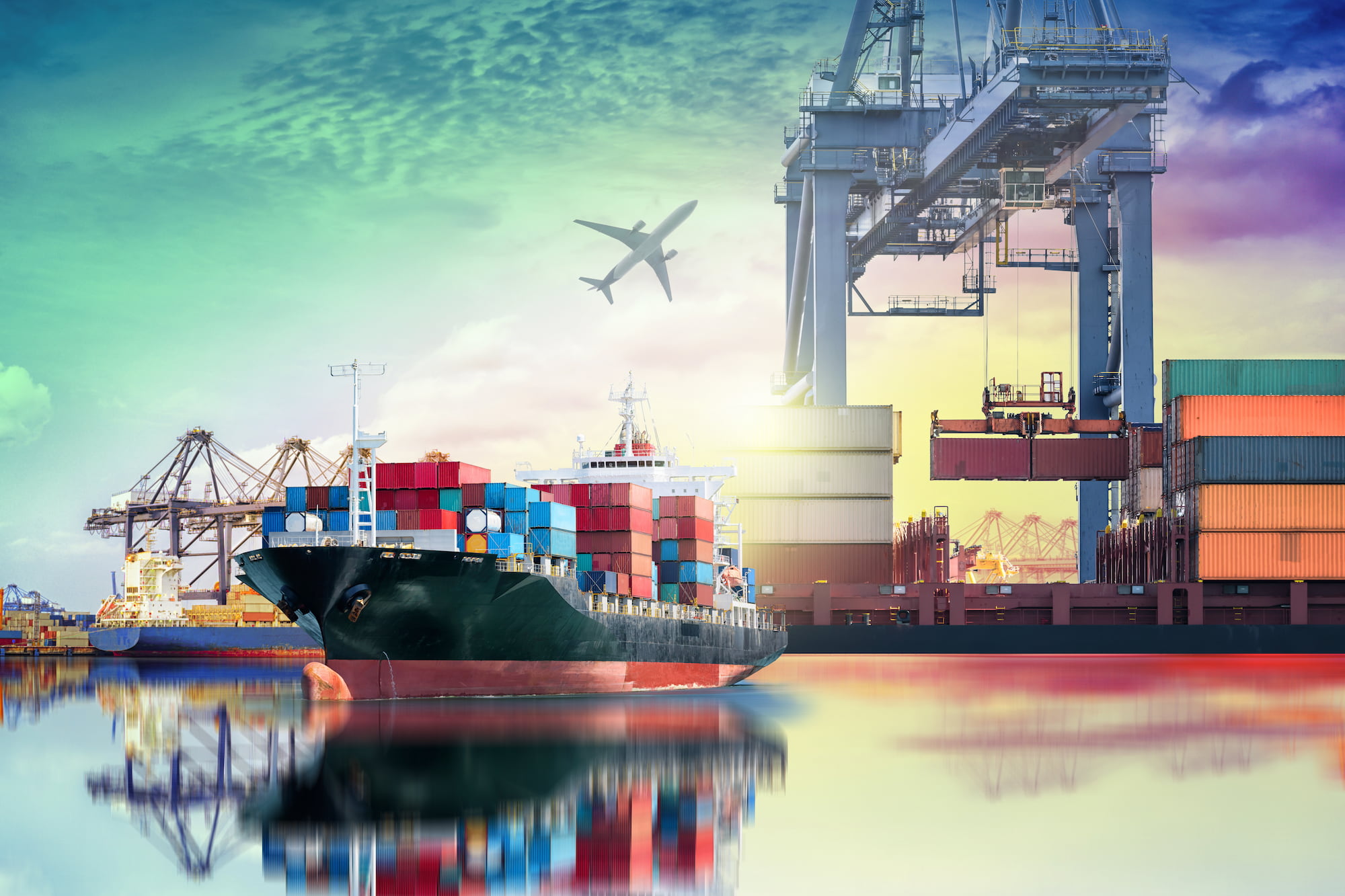
A question that shippers ask themselves when moving goods internationally is whether they should start shipping by air or ocean. Beginning shippers with limited experience tend to be unfamiliar with the two methods of transport. It is essential that importers and exporters fully understand these methods of conveyance and know how they compare and contrast. Failure to understand their differences can result in monetary loss and supply chain disruptions. There are many factors like contents, weight, size, content, and supply chain goals to consider when choosing. This article will introduce shipping freight by air and ocean and explain the differences when choosing between the two.
Moving Cargo By Air
Air shipping is when an air carrier transports freight internationally. The aircraft may be commercial or chartered, with the sole purpose of shipping. This method of conveyance was the last to grow compared to sea shipping but is equally essential for shippers. The most significant benefit is the fast transit times, ideal for time-sensitive cargo. Examples of goods that tend to move by are perishables, high-value commodities, and pharmaceuticals that carriers must deliver quickly. Retail companies with global customers also benefit from air shipping due to the demand for speed. Another benefit is the high level of reliability that air freight offers.
A significant number of supply chain disruptions are due to congestion and traffic. Since freight volumes tend to be smaller at airports, congestion is less common. There also tend to be multiple flights to a city daily, meaning A shipment can be moved to another plane when an issue arises. Airports also tend to have strict regulations for cargo, leading to higher security than other transportation methods. An effect of the benefits is that shipping costs for air transport are usually more expensive than other conveyances.
Moving Cargo by Ocean
Ocean or maritime shipping is the process of moving cargo internationally by sea. A vessel like a containership transports the freight to a seaport. One of the greatest advantages is the significant amount of cargo that carriers can move by ocean. With nearly 80% of the world’s shipments transported by sea, it is an integral part of international trade. Individuals and companies transporting large amounts of goods benefit from this conveyance method. Ships also allow the movement of many types of cargo since a container can fit many items. A shipment larger than containers, like construction equipment, can still go on a vessel.
Compared to other transportation methods, containerships also allow for transporting heavier goods. For example, ships can offer roll-on/roll-off services to bring cars onboard. Another advantage of sea shipping is that it is usually more cost-effective than other conveyances. The freight that benefits the most are bulk goods like raw materials and non-perishable products. Businesses that ship large volumes of cargo also benefit. Since the load is moving by ocean, the transit times may be longer than other ways of transport.
Should I Begin Shipping by Air or Ocean?
While both methods can be equally valuable to a supply chain, specific shipments benefit from one. When choosing to ship by air or ocean, you should have the end goal in mind. For example, ocean shipping is ideal if you plan on moving large amounts of cargo. If your goal is to move goods quickly, shipping by air can be the best solution. To begin your international shipping journey, contact A1 Worldwide Logistics at 305-821-8995. We have freight forwarders to help you find the ideal transport method for your shipment.

by A1 WorldWide Logistics | Aug 23, 2023 | Freight Forwarding, Shipping Logistics, Supply Chain
Weeks of drought have resulted in congestion in the Panama Canal for carriers passing through. Many consider this backlog the “world’s worst traffic jam,” with over 125 ships currently waiting outside. The numbers reportedly reached a height of 200+ in the last few days. The Panama Canal is a significant shortcut in international trade for the Atlantic and Pacific oceans. Yearly, the Panama Canal generates nearly $2 billion in revenue and close to $800 million for Panama’s economy. Certain shippers save billions a year using the canal instead of taking a longer route. With the amount of importers and exporters that rely on the passageway, a drought significantly impacts cargo movement.
Canal Authority Responds to Drought by Placing Restrictions
Although different factors led to a traffic jam in the Panama Canal, the leading cause is a recent drought. The drought is due to a weather phenomenon called El Niño, which lower the rainfall for various locations. This year, in particular, Panama has seen a more substantial decrease in rain than usual. Along with El Niño, the rainy season in Panama has been less than average in the last few years. The issue is that the canal relies on rainwater to transport containerships between the two oceans. To combat the problem, canal authorities have recently placed restrictions on the number of ships that go through at a time.
Last week, the authorities lowered the range of daily containerships passing through to 32 from an average of 36 ships. Other restrictions include a reduction of the draft limit of the canal from 50ft to 44ft. The draft is the distance between a boat’s waterline and the deepest point of the ship. A vessel must reduce the number of containers on board to meet the limit. As a result, larger containerships and dry bulk carriers experience longer wait times. The factors mentioned combine to create a significant traffic jam in the canal. Along with affecting Panama’s economy, it substantially affects the global economy.
How Are Shippers Affected by the Congestion in the Panama Canal?
The importance of the Panama Canal is shown by the extensive number of supply chains that rely on it. With the number of ships stuck in the traffic jam, the main impact is shipping delays. This is especially true with the number of containerships still sailing to the canal. With the holiday season quickly approaching, this amount may soon grow. A consequence of the wait times is that the costs incurred are also rising for the shipper. Supply chain disruptions may reportedly increase prices for goods like imported groceries in the near future. Panama Canal authorities have already placed higher premiums for larger vessels that must pass through.
When disruptions like a canal backlog typically occur, shippers tend to look for alternative routes to move their cargo. This may lead to an increase in transport times and costs. Talking to a freight forwarder is an ideal way to protect your supply chain. They help by finding the best solutions for transporting your goods. Contact A1 Worldwide Logistics at 305-821-8995 to speak to a forwarder regarding the movement of your shipment internationally. Whether there is a backlog or other issues that may arise, we help you navigate the world of shipping.

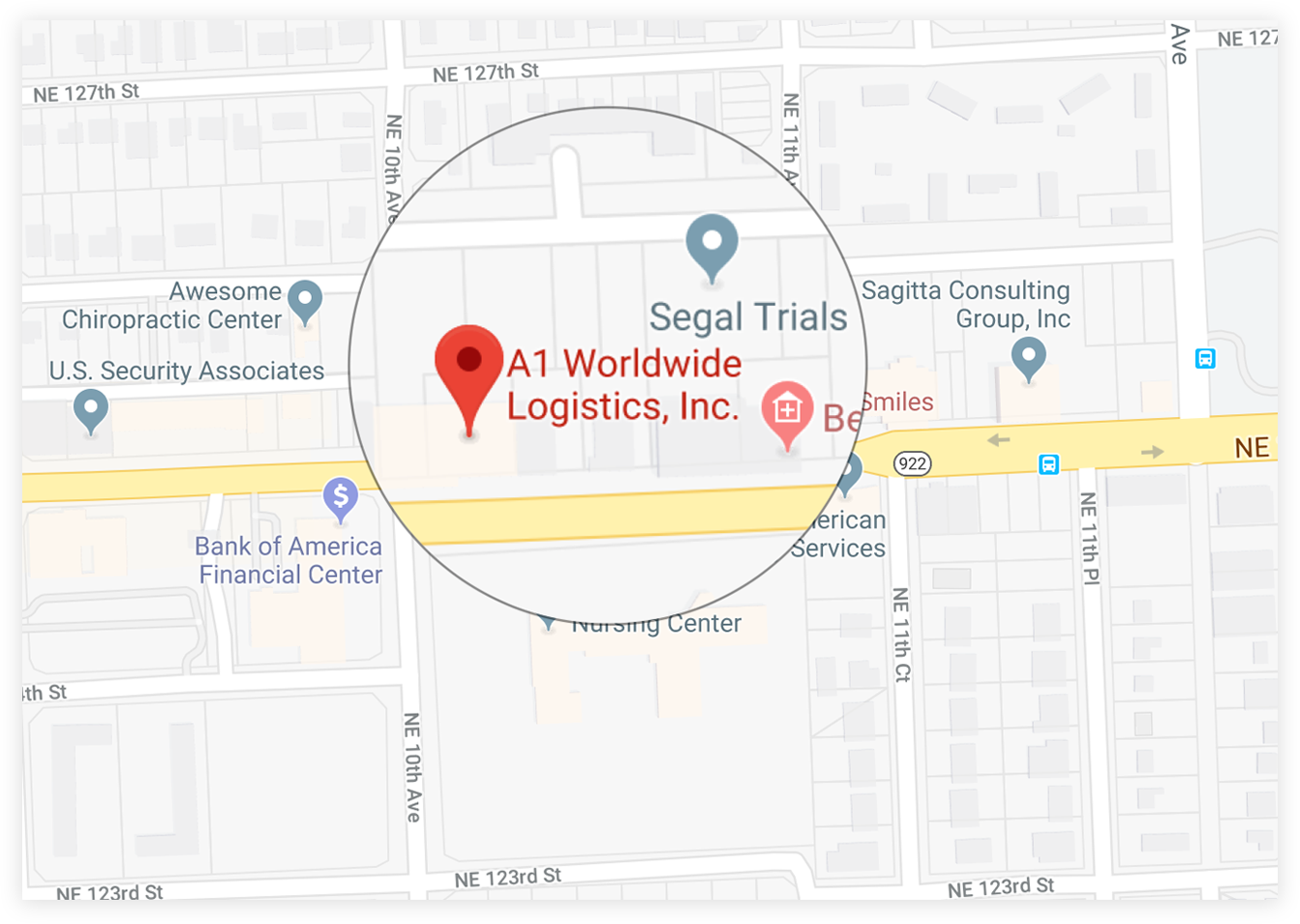
 1035 NE 125th St Suite #320, North Miami, FL 33161.
 a1worldwidelogistics.com
 (305) 821-8995
 Hours: 8AM - 5PM