
by A1 WorldWide Logistics | Nov 21, 2024 | Freight, Shipping Logistics, Supply Chain
An essential consideration for shippers of high-value items is understanding how to ship luxury goods internationally. Knowing the logistics for shipping this cargo type is necessary whether you are exporting or importing to the U.S. A general definition of luxury cargo is anything with significant monetary worth that requires secure and specialized handling during transport. Some examples can include jewelry like expensive watches, precious metals, rare artworks, exotic items, high-end vehicles, etc. Due to the value of these shipments, the transportation process must require careful planning, precision, and security. This article will explain what to expect when transporting luxury freight internationally and how to prevent disruptions from occurring.
The Importance Of Knowing How To Ship Luxury Goods.
It is crucial to know how to transport luxury goods because of the consequences of not shipping them correctly. The most significant consequence is the monetary risk taken by the shipper, carrier, and receiver. For carriers, damages can result in high claim payouts they must give the shipper. However, claim payouts to shippers may still not be enough to cover the cost of the cargo. If the exporter is a business with customers, damages or lost high-value goods look highly unfavorable to the company. The value of this type of shipment also makes it vulnerable to cargo theft. Another consequence of incorrect shipping is delays in transportation. If the item is a construction machine worth over $100,000, delays can stall the project.
What Is The Process?
The process begins before the luxury goods are in transit and starts with understanding the regulations for these cargo types. Due to the value of these shipments, they may have strict import rules. Before transporting, the shipper must also pay meticulous attention to the packaging to prevent damage. For items like expensive jewelry, discrete packaging reduces theft risk. The shippers must label the packages correctly and ensure they have the proper HS (Harmonized System) code. HS codes are used by customs to correctly identify and classify imports for taxation purposes. Incorrect codes can result in delays and customs seizing the luxury item.
When deciding on a carrier, the shipper must find one with experience and knowledge handling luxury goods. This can depend on the type of item and urgency of delivery. For example, trusted air carriers with high security can move rare paintings promptly, and vessels with experience, while qualified vessels with ro-ro services can handle expensive vehicles. It is also essential to have the proper insurance coverage to protect against damages or loss. The importer should have their paperwork prepared before the goods arrive at the port of entry to prevent delays. Speak to a customs broker to understand and provide the necessary documentation for customs clearance.
A1 Worldwide Logistics
Once the cargo reaches the destination country, the shipper must move it to the final destination. Choosing an ideal carrier that takes measured steps ensures a successful delivery. While shipping luxury items may seem daunting, shippers can provide the shipment’s success using a freight forwarder. Forwarders understand the importance of this cargo type and focus on utilizing the best practices throughout the supply chain. They also educate the shipper through the journey and connect them to trusted and vetted carriers. Contact A1 Worldwide Logistics at 305-440-5156 or info@a1wwl.com to speak to a broker regarding transporting your luxury goods internationally.

by A1 WorldWide Logistics | Nov 7, 2024 | Importing, Shipping Logistics, Transportation
While it is an excellent opportunity for shippers, there are numerous considerations to understand before importing tea into the U.S. Tea is one of the most commonly consumed beverages in the U.S., and over 159 million Americans drink it daily. Nearly 80% of all American households have tea products. While typical, bringing tea to the U.S. has many regulations and steps importers should know. Failure to comply with these guidelines can result in customs holding your goods and cargo loss. This article will explain what to be aware of beforehand and what to expect during the importation process.
What Should You Know Before Importing Tea Into The U.S.
Before deciding to import tea into the U.S., it is essential to understand the regulations involved. The Food and Drug Administration (FDA) is the primary federal agency that regulates tea importation. When importing, it gives specific food safety standards you must follow before bringing it to the U.S. According to the FDA, all food facilities must register and provide advanced notice to the department before importing tea. The Food Safety Modernization Act (FSMA) further states that facilities that manufacture, process, or pack foods like tea must submit additional information and allow the FDA to inspect registered facilities. Tea-producing facilities must renew registration with the FDA every other year.
Along with filing a notice to the FDA before importation, tea must have proper labeling before importing. The Nutrition Labeling and Education Act (NLEA) provides information on what the FDA package label should contain. Some of the info includes the tea name, quantity, nutrition facts, ingredient statement, allergen declaration, etc. To assist the FDA in determining if your tea abides by requirements, shippers can provide Affirmation of Compliance Codes. While not necessary for importation, providing A of C codes can help quicken the screening process.
Documents Required For Importation
For all cargo coming into the U.S., a shipper must provide necessary documentation to the Customs and Border Protection (CBP). Not filing the paperwork correctly can lead to delays and financial penalties for the importer. Some of the documents that the CBP requires for importation include:
- Bill of Lading
- Commercial Invoice
- Packing List
- Certificate of Origin
Shipments arriving in the U.S. by ocean must also submit an Import Security Filing (ISF). The ISF explains the content of the cargo, who is importing it, the product, and more. Along with having the proper documentation, the shipper must have the correct HTS Code. A Harmonized Tariff Schedule (HTS) code determines the appropriate duty rate for the cargo. Tea has specific codes depending on the package, type, origin, and intended use. You can find the proper HTS code using an online lookup tool or speaking to a customs broker.
How To Start?
Once the tea arrives in the U.S., it may also be vital to arrange domestic shipping and warehousing. With all the requirements to bring tea into the U.S., it can be challenging for inexperienced importers. An ideal way to begin is by using the assistance of a customs broker. A broker is a company or individual that clears goods that enter a country on behalf of an importer. They do this by ensuring the shipment complies with regulations, preparing documentation, calculating duties, etc. Reach A1 Worldwide Logistics at 305-425-9456 or info@a1wwl.com to speak to a customs broker regarding importation.
by A1 WorldWide Logistics | Aug 8, 2024 | Customs Clearance, Importing, Shipping Logistics
When purchasing goods from Temu, it is essential to understand the customs clearance for Temu orders. Temu is an online marketplace recently gaining popularity due to its discounted customer goods. Most of the products on the website are made and shipped directly from China to the U.S. Despite the potential for cost savings and other benefits of importing from Temu, it doesn’t come without its challenges. Since workers make most of the items in factories and warehouses in China, customs clearance is required when importing them. This article will explain what can go wrong in the customs clearance process and how to prevent holdups from happening.
What Is the Customs Clearance Process?
The customs clearance process begins when a buyer purchases goods in Temu that they will import into the U.S. The order will include necessary documentation like the customs declaration form and other documents provided by Temu. Shippers will also be responsible for essential import duty payments; however, some retailers offer a pre-paid duty option. Once the shipment reaches the destination port, customs authorities may inspect if the goods comply with regulations. They may also check for prohibited or restricted items entering the U.S. Once everything is correct, Temu will give a “Customs Clearance Completed” status update, and customs will release the cargo. A local carrier will then move it to the final destination or a distribution center.
While the clearance process may seem more straightforward since the goods are from an online marketplace, many things can still go wrong. Temu has recently been getting a reputation for late or disappearing shipments. A reason why this is happening is due to the cargo being stuck at customs. Holdups happen for various reasons, including incorrect import value and inaccurate shipment information. The importation of illegal items can also lead to holdups. For example, the CBP prohibits certain dangerous toys and animal products from China from entering the U.S. It is crucial to understand that goods held up at a port after a specific time lead to detention charges.
How Can You Ensure A Smooth Customs Clearance For Temu Orders?
Due to the numerous things that can go wrong during importing, shippers should take the necessary steps to prevent holdups. While a Temu order differs from a regular import, customs delays can still happen. The shipping details must be accurate to avoid delays in the importation process. The shipper should also be ready to pay any required duties to prevent delays. Importers must also understand the various regulations for bringing freight into a country. Customs clearance can take longer than expected, even if everything is fine with the shipment. This may be due to peak season or shipping during times of high volume.
Another way to prevent holdups at customs is by using the assistance of a customs broker. Brokers coordinate cargo release from customs by ensuring it complies with the laws and regulations. They do this by handling the necessary documentation, permits, duties, classification, and more on behalf of the shipper. Along with the clearance of regular imports, brokers also can help clear Temu orders. Reach A1 Worldwide Logistics at 305-423-9513 or info@a1wwl.com to speak to a customs broker regarding clearing your shipment. Whether you are an individual bringing in online purchases or a business importing products, we help with the clearing process.
by A1 WorldWide Logistics | Jul 3, 2024 | Agricultural imports, Importing, Supply Chain
Businesses and individual shippers can benefit from understanding the process for importing avocados into the U.S. Avocados are the most imported fruit in the U.S., making up over 14% of all fruit imports in 2023. Nearly 90% of the avocado imports come from Mexico. However, Peru, Chile, and Colombia are popular alternatives. Approximately 80% of the Mexican avocado imports from the U.S. are from Michoacan. This is because Michoacan is the only region that can export the fruit to the U.S. Despite its popularity, avocados can be challenging to import since they’re perishable. This article will introduce the importation process and what to expect when starting.
What To Know Before Importing Avocados into the U.S.?
Before bringing avocados into the U.S., a shipper must understand that they must follow various rules and regulations. The U.S. Department of Agriculture (USDA) Fruit and Vegetable Division regulates avocado imports and has its smaller departments. For example, the Animal and Plant Health Inspection (APHIS) regulates plant imports to prevent the introduction of diseases and pests. For avocados, they enforce the phytosanitary requirements. All avocado shipments more significant than 55 lbs. must be inspected by the USDA for grade and maturity. The USDA requires that all avocados be grade two before coming in, which has its varietal characteristic. There are also maturity requirements like color, weight, and size to be aware of.
It is essential to understand the risks associated with shipping avocados and how to avoid them. Since avocados are a perishable fruit, they are susceptible to spoiling. Before leaving the place of origin, the exporter should package correctly to prevent exposure to heat or moisture. Packing crates and clean boxes are typically used by shippers to avoid damage and expose them to air. The shipper must set the entire avocado supply chain at a specific temperature before leaving the storage facility and afterward. It is also crucial to understand that there are duties for importing to the U.S. For avocados, the amount is 11.2 cents per kilogram.
What Is The Process?
When the shipper is ready to transport the avocados, they should use a refrigerated carrier to keep them from spoiling. Various methods of conveyance, like air, land, and sea, can bring avocados into the U.S.; however, the temperature must be correct. This is done by using a reefer container for shipping internationally. Paperwork should also be prepared beforehand by the importer. Examples of documentation are:
- Commercial Invoice
- Phytosanitary Certificate
- Bill of Lading or Airway Bill
- Certification of Origin
Once the avocados arrive at the port of entry, CBP and APHIS officials will inspect the shipment to ensure compliance. A customs broker can help in the clearance process by guaranteeing the shipper meets federal requirements. Brokers also provide other services like preparing documentation, paying duties, and classifying products. When customs clears the shipment, the shipper may use a carrier to move the avocados to their final destination.
With all the rules and regulations the U.S. requires for importing avocados, the process can be challenging for inexperienced shippers. Shippers typically use a freight forwarder to handle the shipment. Forwarders are the intermediaries between the shipper and the shipping company coordinating the cargo movement. They make sure that the carrier efficiently transports the avocados. Speak to a freight forwarder and customs broker at 305-425-9456 or info@a1wwl.com to begin importing into the U.S.
by A1 WorldWide Logistics | Apr 25, 2024 | Customs Broker, Freight Forwarding, Importing
Whether you are a new or experienced shipper, ensuring a successful importation is essential when bringing cargo into the U.S. The U.S. is the most significant importer globally and brought in over $3 trillion of freight in 2023. It may be attractive when starting because of its numerous benefits for businesses and shippers. However, you should take special precautions to avoid potential disruptions during the process. Many things may go wrong during importing which can result in monetary loss or loss of the cargo. This article will explain what can go wrong when importing and give tips to ensure a successful shipment when starting.
What Can Go Wrong During The Importation Process?
Due to the complexity of importing into the U.S. or elsewhere, many components can go wrong. A common issue that arises when moving cargo is delays in customs clearance. Numerous problems can lead to delays like incorrect documentation, unpaid fees, not following packing or label regulations, etc. Holds can be especially bad for businesses that are shipping goods to customers. Another scenario that can go wrong is bringing goods into the U.S. with the incorrect tariff code. Having the wrong code can lead to shipment seizure and other non-compliance penalties. Once customs clears the cargo, late container pickup and drop-off can lead to demurrage or detention charges.
What Are Some Tips For Ensuring A Successful Importation?
Although scenarios like cargo damage can be unavoidable, there are parts of the process that an importer can control. Some of the ways that a shipper can ensure a successful shipment include:
- Have the correct paperwork – There are numerous documents that a shipper may require when importing into the U.S. Some examples include the bill of lading, packing list certificate of origin, arrival notice, commercial invoice, etc. Importers also should verify the correct filing of the paperwork. Incorrect documentation can result in goods staying at customs and extra costs.
- Understand the rules and regulations for importation – Countries that bring in cargo internationally have regulations that shippers must follow, and the U.S. is no different. Before shipping, importers must understand these guidelines and ensure their shipment follows them. An example is not importing illegal freight like absinthe, dog, or cat fur.
- Determine the correct tariff code – Similar to documentation, a shipper must ensure they have the correct HS tariff code. The HS (Harmonized Tariff) is a method for classifying traded goods. These codes help customs assess taxes along with other tasks. Use a tariff database or help from a customs broker when looking up your code.
- Prepare for risk – Importing internationally into the U.S. can have numerous risks, especially when starting. In addition to the tips in the article, the shipper should take extra steps, such as using reputable carriers to protect their goods. Having cargo insurance can be useful for unavoidable scenarios like the shipment falling into the ocean.
How To Get Started?
With all the tips in the article, starting may still be challenging for beginner importers. An ideal way to begin is by using a freight forwarder and customs broker to streamline the shipping process. Freight forwarders act as the middlemen coordinating your cargo’s movement into and out of the U.S. Brokers assist in the customs clearance when the shipment enters the U.S. Both professions handle part of the importation, allowing the shippers to focus on other parts of their supply chain. Contact A1 Worldwide Logistics at 305-821-8995 or info@a1wwl.com to start importing from anywhere internationally. We have forwarders, brokers, and different solutions to ensure the success of your import.

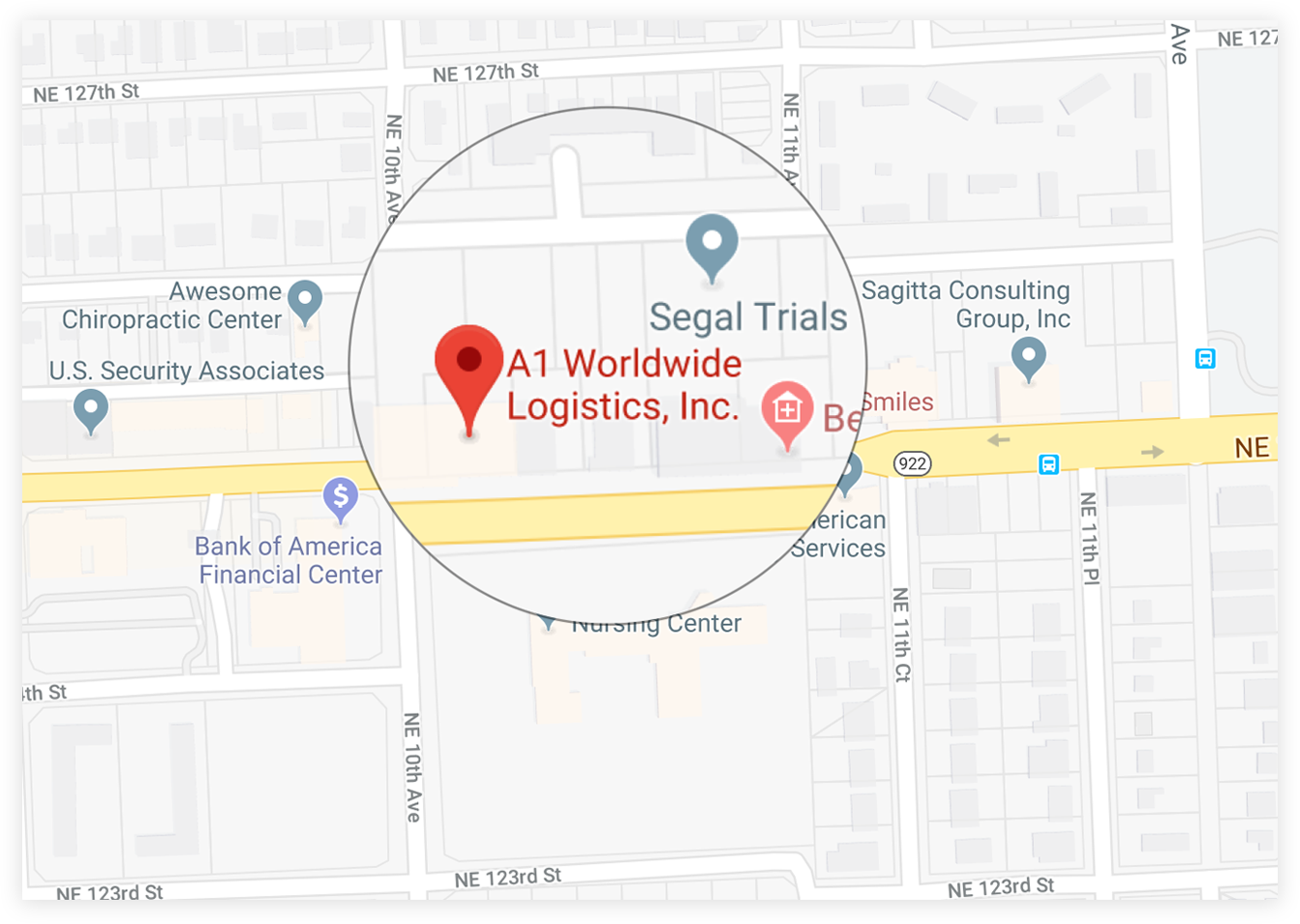
 1035 NE 125th St Suite #320, North Miami, FL 33161.
 a1worldwidelogistics.com
 (305) 821-8995
 Hours: 8AM - 5PM