by A1 WorldWide Logistics | Dec 31, 2025 | Exporting, Shipping Logistics, Supply Chain
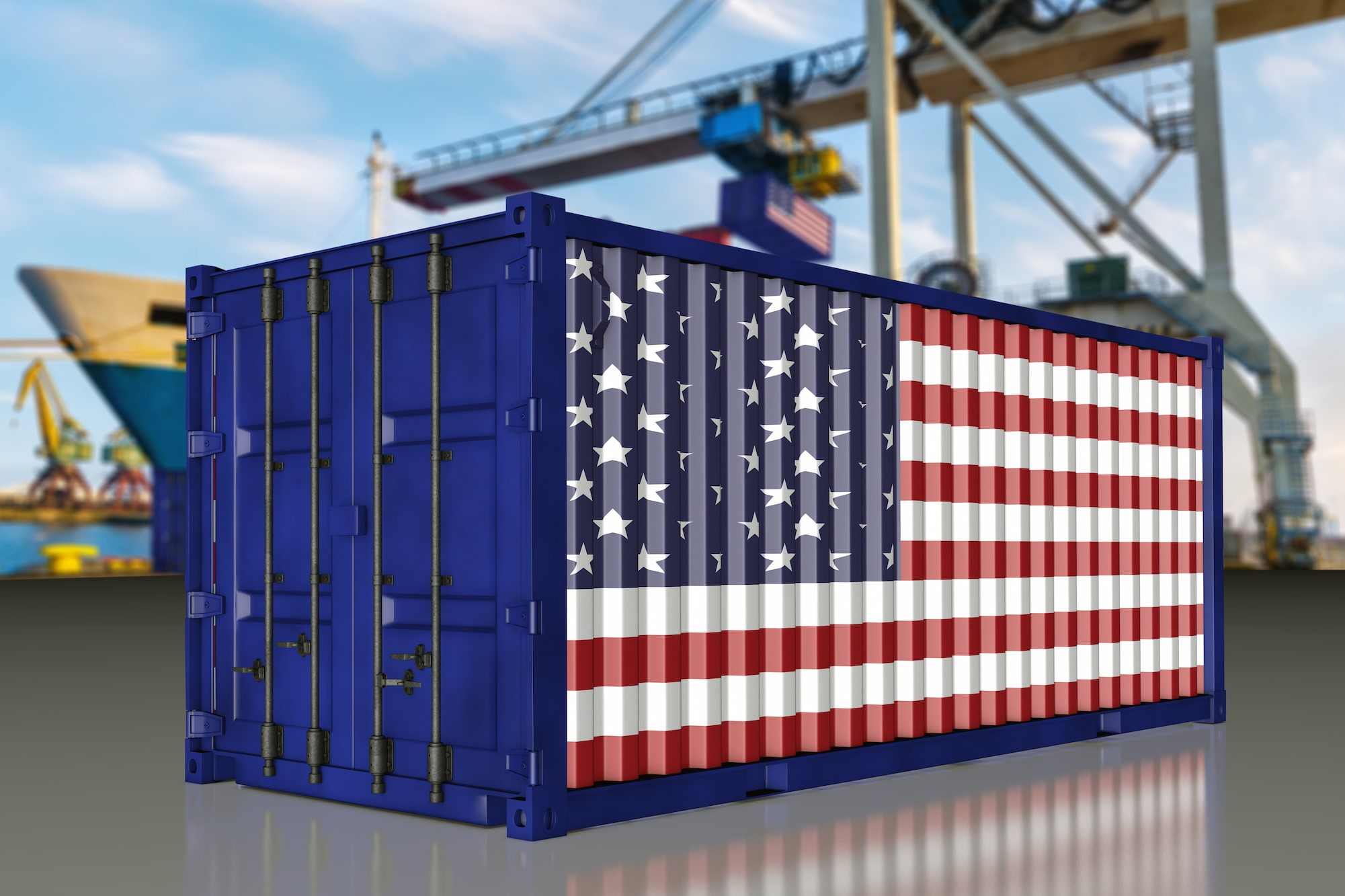
While it is an excellent opportunity for shippers, there are numerous challenges associated with exporting out of the US. The US is one of the world’s largest exporters and an ideal location for reaching other markets. Due to its popularity, US manufacturing companies and individual shippers have benefited from shipping internationally. Despite the benefits, exporting can pose obstacles for both experienced and inexperienced shippers. Failure to understand what to expect and how to prepare can lead to delays, financial losses, and cargo losses. This article explains the challenges of exporting from the US and how to avoid these disruptions.
What Are The Challenges Associated When Exporting Out Of The US?
One of the most significant challenges a shipper can face when exporting from the US is regulatory compliance. There are numerous agencies governing exportations. Examples include the US Customs and Border Protection (CBP) and the Bureau of Industry and Security (BIS). Exporters must ensure compliance with export control laws, sanctions programs, and licensing requirements. Compliance is essential when shipping sensitive goods, including technology, machinery, and dual-use items. Even unintentional violations can result in severe penalties, shipment delays, or denial of export privileges. In turn, this can lead to greater costs and longer exportation times. Another challenge exporters should be aware of is the range of trade policies that can affect their shipments.
A recent example is the trade war the US has been engaged in with multiple countries since President Trump returned to office. In response to reciprocal tariffs, countries such as China imposed levies on US goods. In turn, export costs may rise, and exporters may have to adjust target markets and pricing to offset the impact. Exporters should also be aware of potential logistics issues, including port congestion that can cause delays. Congestion can also make it harder for shippers to secure containers and lead to vessel cutoffs. Packaging and labeling also must meet international standards to prevent rejections on vessels.
How Can Shippers Prepare?
Given the challenges of exporting from the US, shippers must prepare accordingly. Before starting, exporters must understand the requirements of governing agencies such as CBP. The requirements depend on the cargo that the shipper is transporting. An example is medical devices, which require Food and Drug Administration (FDA) approval before being exported from the US. Speaking with a freight forwarder can provide an idea of what to expect, including the required paperwork. Standard documents necessary for exportation include:
- Commercial Invoice
- Bill of Lading
- Packing List
- Certificate of Origin
Certain exports, such as hazardous materials and pharmaceuticals, may also require specialized permits. Minor documentation errors can lead to customs holdups, fines, and port rejections. Shippers must also choose their mode of transport, typically by sea, air, or land. It is beneficial to use drayage services when transporting goods to a port for international shipment.
Exporting from the US typically involves multiple components of the supply chain. Preparation includes additional parts not mentioned in the article. Reaching out to a 3PL (Third-Party Logistics) provider like A1 Worldwide Logistics is an ideal way to get started. A 3PL is a company that handles various supply chain functions for a client. These include freight forwarding, customs clearance, domestic shipping, warehousing, and more. 3PLs also offer consulting services to help you navigate challenges when exporting your shipment. Contact A1 Worldwide Logistics at info@a1wwl.com or 305-425-9456 to learn about our 3PL services for ensuring your export’s success.

by A1 WorldWide Logistics | Jun 19, 2025 | Importing, Shipping Logistics, Supply Chain
Due to the limited shelf life, a shipper should be aware of common mistakes when importing perishables. Perishable cargo refers to any item that can spoil, deteriorate, or lose quality if not shipped under proper conditions. Some examples include fresh produce, such as fruits and vegetables, meat, dairy products, bakery items, and frozen items. Along with foods, it can also include pharmaceuticals, chemicals, cosmetics, and flowers. Due to the cargo type, they must be stored, handled, and transported with temperature and time sensitivity in mind. Along with importing, this can also include domestic shipping. This article will explain the top mistakes shippers face when importing perishables and how to prevent them from occurring.
What Are Common Mistakes Made By Shippers That Import Perishables?
As previously mentioned, the shipper must handle perishables properly throughout the entire shipping process. One of the biggest mistakes importers make is not having proper cold chain management. From the start of the journey to the final delivery, it is crucial that the cargo remains at a continuous, suitable temperature. Even brief periods away from the optimal temperature can result in spoilage or contamination. Spoilage can be particularly detrimental if the importer is a business with a large customer base. Not only can it lead to monetary loss, but it also looks bad on the importer. Another common mistake shippers face when importing perishables is failing to understand its time-sensitive nature.
Perishables are goods that have a limited and specified shelf life, depending on the item. After the date passes, they become unsuitable for consumption or use. Importers tend to underestimate transit time by choosing cheaper routes, which can extend the importation time. The extension can come from port congestion, leading to delays. In turn, the delays can reduce the shelf life and make the product unusable. Another common mistake shippers can face when importing perishables is having incorrect documentation. Due to the nature of this cargo type, specific documents may be required, such as import permits, health certificates, and FDA prior notices. Failure to provide them can result in fines, customs delays, and even the confiscation of the shipment.
How To Prevent These Mistakes When Importing Perishables?
With the various ways that mistakes can negatively impact perishable imports, there are methods to prevent them from occurring. To ensure proper temperature control throughout the journey, the shipper should use trusted carriers that specialize in this cargo type. Using reefer containers with temperature monitoring devices is also essential in preventing spoilage. Shippers must also be aware of the shelf life of their cargo and plan their supply chains accordingly. The importation routes should be speedy, reliable, and factor in wait time for customs clearance. Along with understanding the regulations and paperwork for importing specific perishable the shipper munt ensure that the packaging is correct.
When importing perishables into the US, shippers must understand what can go wrong to mitigate potential problems. Failing to prepare correctly can lead to significant disruptions in the supply chain. Another way to avoid making mistakes when importing perishables is to consult a customs broker. Brokers act as intermediaries between the importer and the customs of the country to which they are importing. In the US, it’s CBP (Customs and Border Protection), and brokers help with clearing goods from customs. They achieve this by offering solutions such as filing entries, calculating duties, and providing paperwork, among others. Contact A1 Worldwide Logistics at 305-425-9752 or info@a1wwl.com to speak with a broker about the success of your shipment.

by A1 WorldWide Logistics | May 1, 2025 | Economic trends, Importing, Supply Chain
The White House released plans for Trump to ease auto tariffs on U.S. car imports. On April 3, President Trump imposed a 25% tariff on cars and light-duty trucks entering the U.S. The automobile tariff was separate from the 10% duty that the president enforced on all U.S. trading partners. Trump then paused tariffs on automobile imports from Mexico and Canada for one month. The pausing was to give automakers time to prepare before the duties took effect on May 3. President Trump is now announcing plans to provide tariff relief for carmakers. This article will explain the policy changes and how they could impact importers bringing foreign-made cars into the U.S.
How Is Trump Easing Auto Tariffs?
Beginning on May 3, a portion of the automobile and auto part tariff will see a reimbursement of the costs. The new policy states that automakers assembling their vehicles domestically can apply to offset up to 3.75% of tariff fees. Trump’s offset rate was calculated by applying the 25% import duty to 15% of the value of U.S.-assembled vehicles. These costs will be for auto imports that automakers use to assemble cars in the U.S. for one year. The offset rate will fall to 2.5% in the second year before the Trump administration phases it out completely. The Commerce Department will have 30 days to create a process for automakers to provide documentation to obtain the offset.
Trump’s new policy will not conflict with the 25% auto tariff the administration enacted earlier this month. It will also prevent tariffs from stacking on each other, including those on aluminum and steel imports. The goal behind easing the levies is to bring manufacturing back to the U.S. Trump said, “We just wanted to help them during this little transition. If they can’t get parts, we didn’t want to penalize them.” He believes bringing production to the U.S. will stimulate the economy by creating jobs. Analysts predict the opposite effect will happen, and manufacturing costs will rise, hurting the economy.
The Response Of Automakers And Shippers To The Tariffs
Despite the new policy easing auto tariffs for importers, there have been concerns about the long-term impact of the tariffs. Automakers believe bringing business back to the U.S. will be timely and costly. The higher costs could fall on customers purchasing vehicles. Job cuts have already started for automaker companies, bringing production back to the U.S. Companies in the automaking industry have been pushing for leniency from Trump’s tariffs for months. Trump’s policy changes are a response to the concerns of automakers and shippers. While tariffs could negatively impact international shipping, many believe that production may potentially positively affect the movement of goods domestically.
When importing into the U.S., it is essential that you are aware of anything that can affect your shipment. Failure to prepare can result in delays, monetary loss, and cargo loss. One of the best ways to ensure successful importation is by speaking to a customs broker. Customs Brokers are individuals or corporations that facilitate cargo movement through international borders. They do this by ensuring that the shipment complies with the laws and regulations of the country of import. Brokers also provide other services like documentation, calculating duties, filing ISFs, etc. Contact A1 Worldwide Logistics at 305-425-9513 or info@a1wwl.com to speak to a broker regarding the importation of your goods.

by A1 WorldWide Logistics | Feb 13, 2025 | Customs Clearance, Importing, Shipping Logistics
Due to its popularity, importing chocolate into the U.S. can be an excellent opportunity for shippers. Especially during holidays like Valentine’s Day, Easter, and Halloween, chocolate imports usually increase due to the demand. While beneficial, the process can be complex for importers due to the steps involved. Failure to import correctly can result in delays, monetary loss, and cargo loss. Disruptions can especially be harmful if the shipper has customers expecting chocolate products. This article will explain the process for importing chocolate and what to expect when starting.
What To Know Before Importing Chocolate Into The U.S.
Before bringing chocolate into the U.S., a shipper must understand the rules and regulations for importation. Chocolate is regulated by the U.S. Food and Drug Administration (FDA) and must follow its requirements. The FDA separates the requirements by chocolate types, including bittersweet chocolate, buttermilk chocolate, chocolate liquor, milk chocolate, white chocolate, mixed dairy product chocolate, skim milk chocolate, and sweet chocolate. Each type has its formulation that shippers must follow, and failure to do so may result in customs holding the goods. The FDA requires that the importer files a Prior Notice before the shipment arrives in the U.S. A Prior Notice includes vital information like shipper, importer, manufacturer information, product details, carrier and arrival information, and more.
The deadline for filing a Prior Notice depends on the method of conveyance. Importers by air have a deadline of four hours before arrival, while importers by sea have eight hours before arrival. It is also essential to understand that chocolate imports have duties and taxes based on the type. A shipper can determine the tariff amount by finding the HTS (harmonized Tariff Schedule) code related to the cargo. When packaging, the labeling should contain the ingredients, nutritional facts, and allergen warnings, like if the chocolate contains peanuts.
The Journey Begins
Once ready to ship the chocolate internationally, shippers can use various conveyance methods, like air, sea, or land. Air can be ideal for speed, while sea is beneficial if you are shipping a large volume. The importer must keep the chocolate at a specific temperature during the journey to prevent melting or spoilage. Before the cargo enters the U.S., shippers must provide the necessary paperwork to the CBP (Customs and Border Protection). Some of the documentation required for customs clearance includes:
- Bill of Lading or Airway Bill
- Commercial Invoice
- Packing List
- Arrival Notice
Importations into the U.S. by sea must also have the importer submit an ISF (Import Security Filing). ISFs detail the content of the cargo, who is importing it, the seller/buyer address, and more. Failure to provide the appropriate documentation can lead to financial penalties and customs seizing the cargo. Once customs releases the shipment, you can contact a freight broker with carriers to move it to the final destination.
When bringing chocolate into the U.S., the shipper must be ready for anything that could affect the shipment. An ideal way to avoid disruptions when importing is by using the help of a customs broker. Brokers are licensed individuals or companies that coordinate the clearance of shipments through customs. They do this by providing paperwork, filing customs entries, paying duties, and more. Brokers also communicate with their clients through customs clearance, educating them. Contact A1 Worldwide Logistics at 305-435-9456 or info@a1wwl.com to begin importing chocolate to the U.S. Along with brokers, we also have freight forwarders, domestic transport, warehousing, and more services for ensuring your shipment’s success.
by A1 WorldWide Logistics | Jul 25, 2024 | Air Freight, Importing, Shipping Logistics
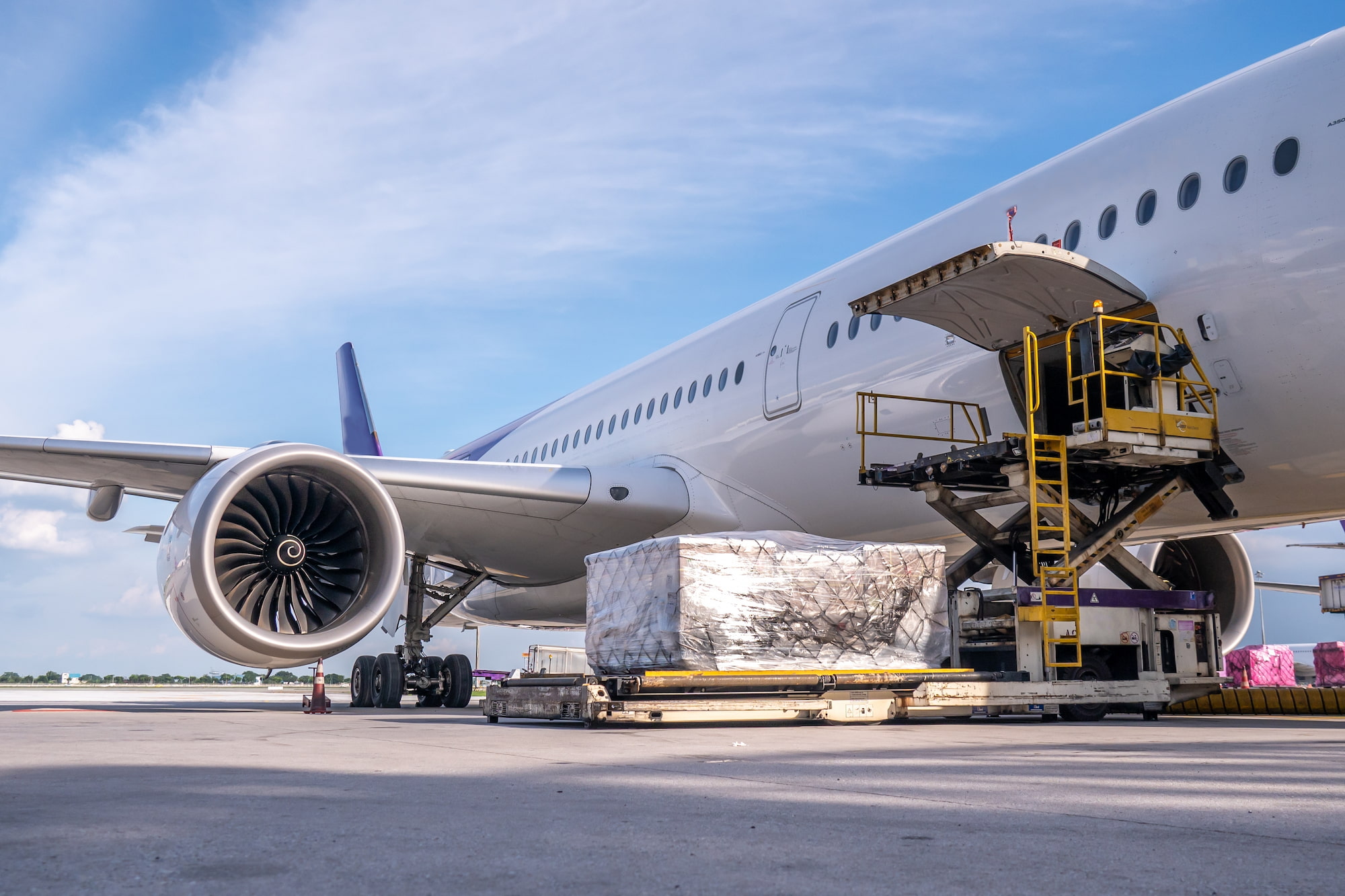
Saving costs on airfreight can be valuable when shipping cargo internationally by air. While moving goods by air is one of the most convenient methods of transport, it may be costly. Over the last decade, the demand for this method has skyrocketed. The coronavirus pandemic further increased demand since customers bought more products online and rose imports. Expenses like fuel prices and other expenditures have further raised costs. Because of this, Shippers have found it increasingly beneficial to find strategies to increase savings. This article will explain the various costs of transporting freight by air and how you can save when starting.
Understanding The Costs Involved In Shipping Cargo By Air
Due to the numerous components involved in international shipping, there are different costs a shipper should be aware of. Before the air carrier transports the cargo, trucks typically move it to the loading port. This means that domestic transport can add to the entire cost of an air shipment. Other costs include the base rate, which covers the airline’s operational fees. Various factors affect the base rate, including volume, route, weight, season, etc. Other costs include security screening, customs clearance, peak season surcharge, etc. Fuel surcharges are fees included in airfreight and can account for over 30% of the total rate.
What Are Common Ways That Shippers Are Saving Costs On Airfreight?
Some of the most common ways that shippers can save on air shipping include:
- Consolidating Shipments – Consolidation is a process where a carrier combines smaller shipments into a single shipment. For airfreight, this can considerably reduce costs for shippers by paying only for the space you use. Other fees like handling also decrease with the grouping of cargo. Consolidation allows for faster transit times, too.
- Shipping Off-Peak Times – Demand for transporting cargo internationally can determine the shipping cost. The peak season is when the demand for moving goods is at its highest. During this time, the price to ship tends to hike due to scenarios like limited capacity. Transporting freight during periods of low demand may result in lower rates and smoother operations.
- Optimizing Packaging – A way to save on airfreight that shippers tend to overlook is using efficient packaging. Since air carriers have less space than vessels, they charge extra on volumetric weigh and space. It can be critical to optimize packing by removing packaging materials or using different crating to minimize bulk.
Using A Freight Forwarder
Another way to save when shipping cargo by air is using a freight forwarder. Freight forwarders are the middleman between the shipper and the carrier. Along with coordinating the movement of goods, they ensure the success of the shipment while finding cost-saving solutions. For example, they can offer the various saving methods mentioned in the article. Forwarders also have established relationships with carriers and can negotiate rates on the shipper’s behalf. Call A1 Worldwide Logistics at 305-821-8995 to speak to our expert freight brokers regarding your shipment’s success. Whether the transport method is air, land, or sea, we help streamline the transportation process.

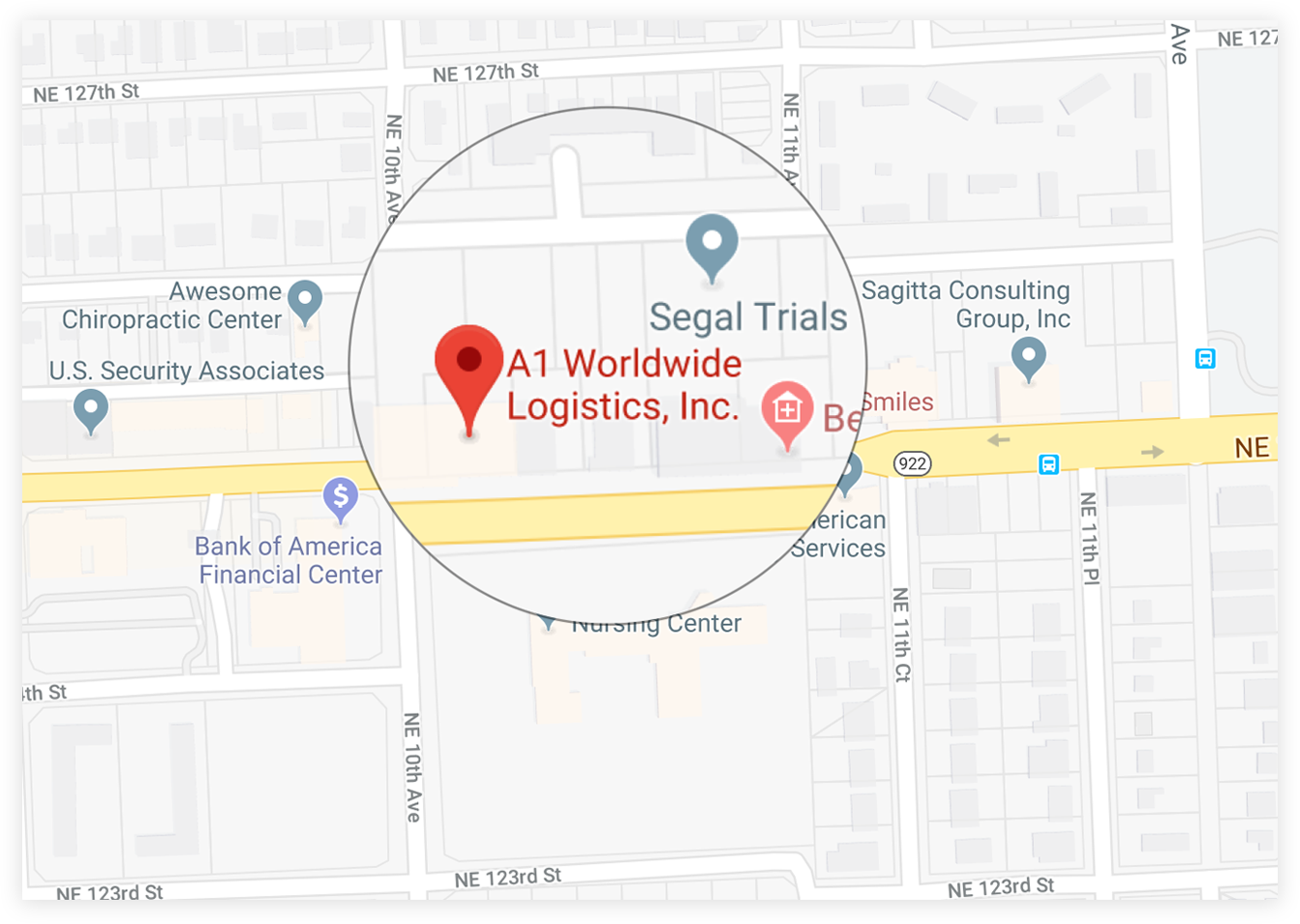
 1035 NE 125th St Suite #320, North Miami, FL 33161.
 a1worldwidelogistics.com
 (305) 821-8995
 Hours: 8AM - 5PM