by A1 WorldWide Logistics | Sep 11, 2024 | East Coast Protests, Economic trends, Shipping Logistics
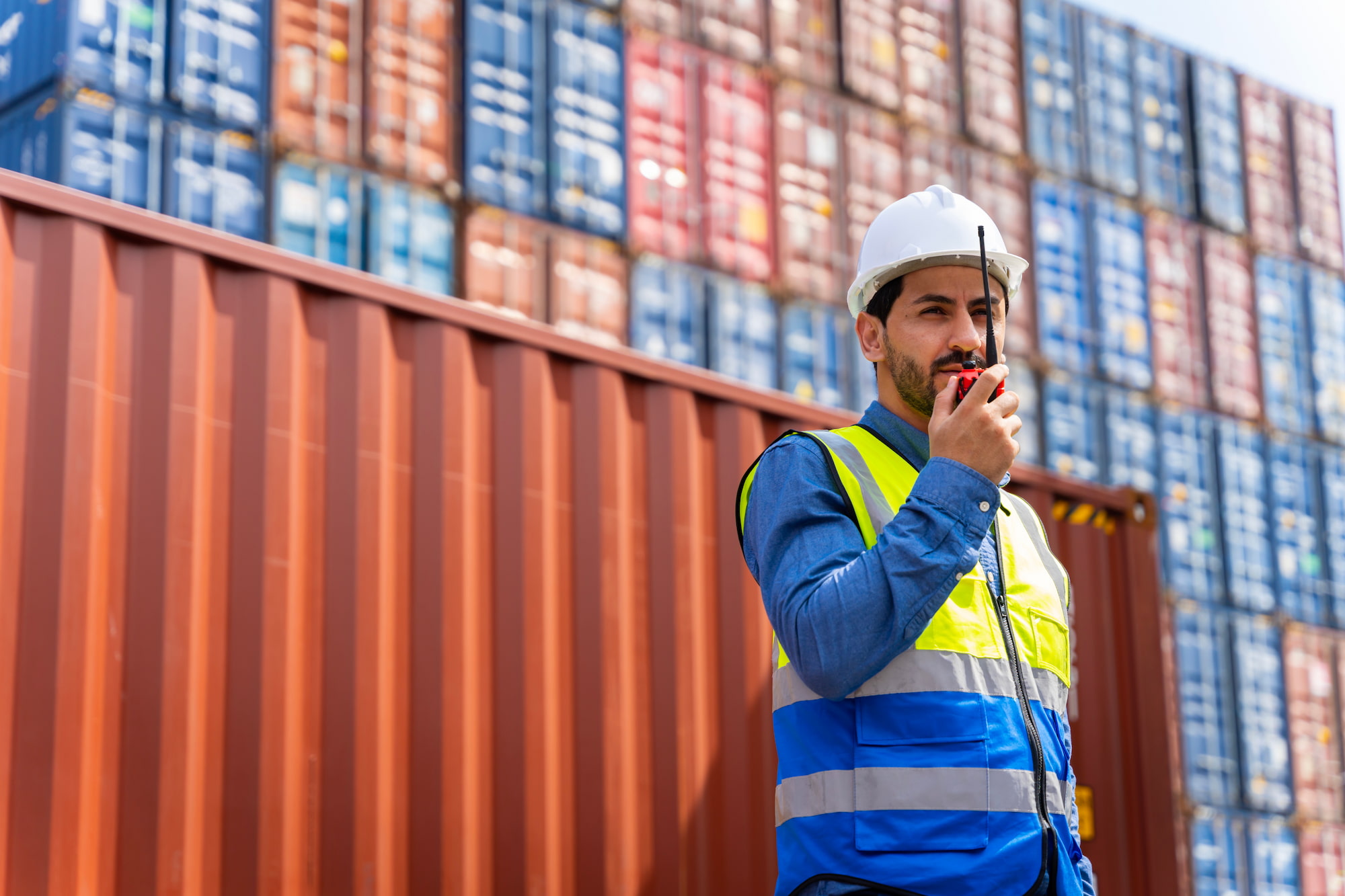
An unsolved resolution is resulting in ILA doubling down on threats to strike on October 1st. Conflict between the ILA and USMX for a new contract agreement has escalated over the last few weeks. In particular, the ILA is fighting for a new contract with a 32% wage hike and higher pensions. Automation in ports is also an issue that resulted in a pause in negotiations in early June. Terminals at the Port of Mobile began using an Auto Gate system that autonomously processes trucks. After ILA released a video with its president, Harold Daggett, discussing the current situation last week, the USMX posted an update.
The main point of the update was to announce an unchanging current contract offer. Some of the offerings of the existing contract noted in the update include:
- The continuation of the current health care coverage.
- An increase to employment retirement fund contributions.
- Higher starting wages and industry-leading wage increases.
Another offer is to retain the existing technology language in the current contract agreement. The agreement formalizes that there will be no fully automated port terminals or use of semi-automated equipment. This is unless agreed upon by both USMX and ILA. Despite the disagreement, the update notes USMX’s willingness to reach a new deal by September 30th.
ILA Doubling Down on Threats Despite The USMX’s Update.
In response to USMX’s update, the ILA wrote a letter of opposition, calling the statement misleading. The ILA believes that the claim of leading wages is false due to inflation. Compared to six years ago, living prices significantly increased when they entered the contract. Another response in the letter was due to USMX’s use of automation. Despite the contract requiring that the USMX does not use automation unless both parties agree, the ILA never agreed. ILA replies, “They continue to sneak in automated programs and eliminate our clerical functions behind our backs.” The letter then goes on to oppose USMX’s current healthcare coverage.
The new contract states that the ILA’s healthcare coverage will remain unchanged despite their desire for better coverage. Along with enhanced benefits, they want a hardship provision for severe cases for members who risk losing their benefits. ILA’s current pension plan has also been an area of concern that the letter addresses. They have constantly talked with USMX about increasing the current benefit amount. The belief is that their man-hour assessment is insufficient to cover the current funds. MILA (Managed Health Care Trust) also collects the first five dollars of the assessment, decreasing the amount. Cameras in the ports that monitor workers are another concern since they reportedly create a hostile work environment.
The Shipping Industry’s Response To The Situation.
As the strike date closely approaches, the shipping industry has responded in various ways. Shippers have already started rerouting their shipments to ports on the West Coast to avoid delays. They also are moving their cargo at earlier times and switching methods of conveyance if possible. With the situation potentially affecting supply chains internationally, it is essential to be informed of the latest updates. Contact A1 Worldwide Logistics at 305-440-5156 or info@a1wwl.com to protect your shipment during this period. We find the best action to take while keeping you informed through the process.
by A1 WorldWide Logistics | Sep 6, 2024 | Economic trends, Importing, Supply Chain
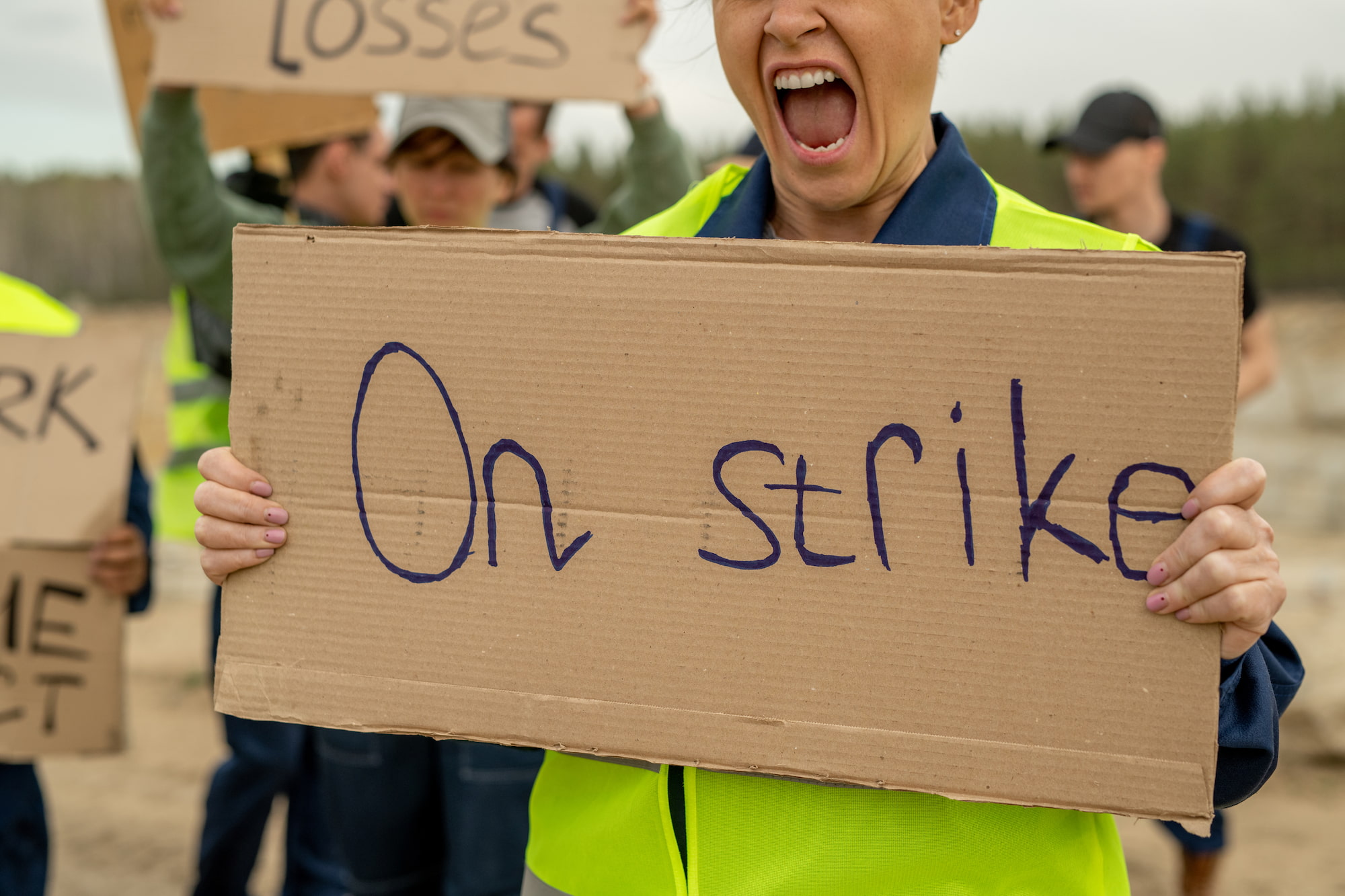
Unresolved negotiations are resulting in ILA strike threats continuing as the October 1st deadline is quickly approaching. The International Longshoreman’s Association (ILA) have been discussing a new contract with the United States Maritime Alliance (USMX). These talks have been unsuccessful as the current six-year contract ends on September 30th. A potential strike will shut down East and Gulf Coast ports and significantly impact international trade. It may also have a disastrous ripple effect through the U.S. economy, as numerous supply chains rely on these ports. With the U.S. import industry worth trillions of dollars, the pressure to find a deal before October 1st is rising.
Why Are The ILA Strike Threats Continuing?
The continuing threats are due to the unresolved resolutions between the ILA and USMX. A primary reason behind the negotiations is for a contract with a higher wage increase similar to the ILWU. In 2023, the ILWU (International Longshore and Warehouse Union) received a 32% hike after weeks of protests. Like their West Coast counterparts, the ILA is fighting for a similar wage increase. The ILA president, Harold Daggett, recently took to social media in a video expressing their displeasure. He notes, “If the employers don’t understand what his members are seeking, I have to go into the street, and we have to fight for what we deserve.”
Harold also believes that the USMX should adequately compensate the ILA for working continuously during the pandemic. Along with better pay, a significant issue has been pensions. While the ILWU has a single coast-wide retirement, part of the ILA does not have one. The workers that do have lower pensions compared to the ILWU. Terminals at the Port of Mobile in Alabama have also used an Auto Gate system that automatically processes trucks. The ILA notes that this system violates the current contract by removing the dockworker’s jobs. Vice President Dennis Daggett says, “We’re not going to allow that cancer to come here on the East Coast”.
Cargo Shifting To The West Coast?
East and Gulf Coast ports are responsible for nearly 43% of all U.S. imports and are critical for trade. With strike threats affecting many supply chains, shipments have already begun moving to West Coast ports. This is similar to the 2022 ILWU protests, where West Coast port imports switched to East Coast ports. The fear is that a potential strike can lead to port congestion due to a volume increase. Imports that come into the U.S. already tend to rise during this period because of the holiday season. Analysis reports that a two-week walkout could result in a slowdown that will take until 2025 to clear.
Port congestion can have numerous other challenges in shipping. Volume increases that come from strikes lead to delays that disrupt supply chains. Delays also look unfavorable for companies with customers that rely on imports. Along with supply chain disruptions, congestion can increase overall costs to ship cargo, such as demurrage. Demurrage is a fee the shipper must pay for containers that remain at the port past the allotted time. Container rates may continue to rise further from the protests since they rose over the last year. Various importers and exporters relying on East Coast ports are urging both sides to continue negotiations. Reach A1 Worldwide Logistics at 305-440-5156 or visit our website to keep up to with the current situation.
by A1 WorldWide Logistics | Aug 30, 2024 | Economic trends, Shipping Logistics, Supply Chain
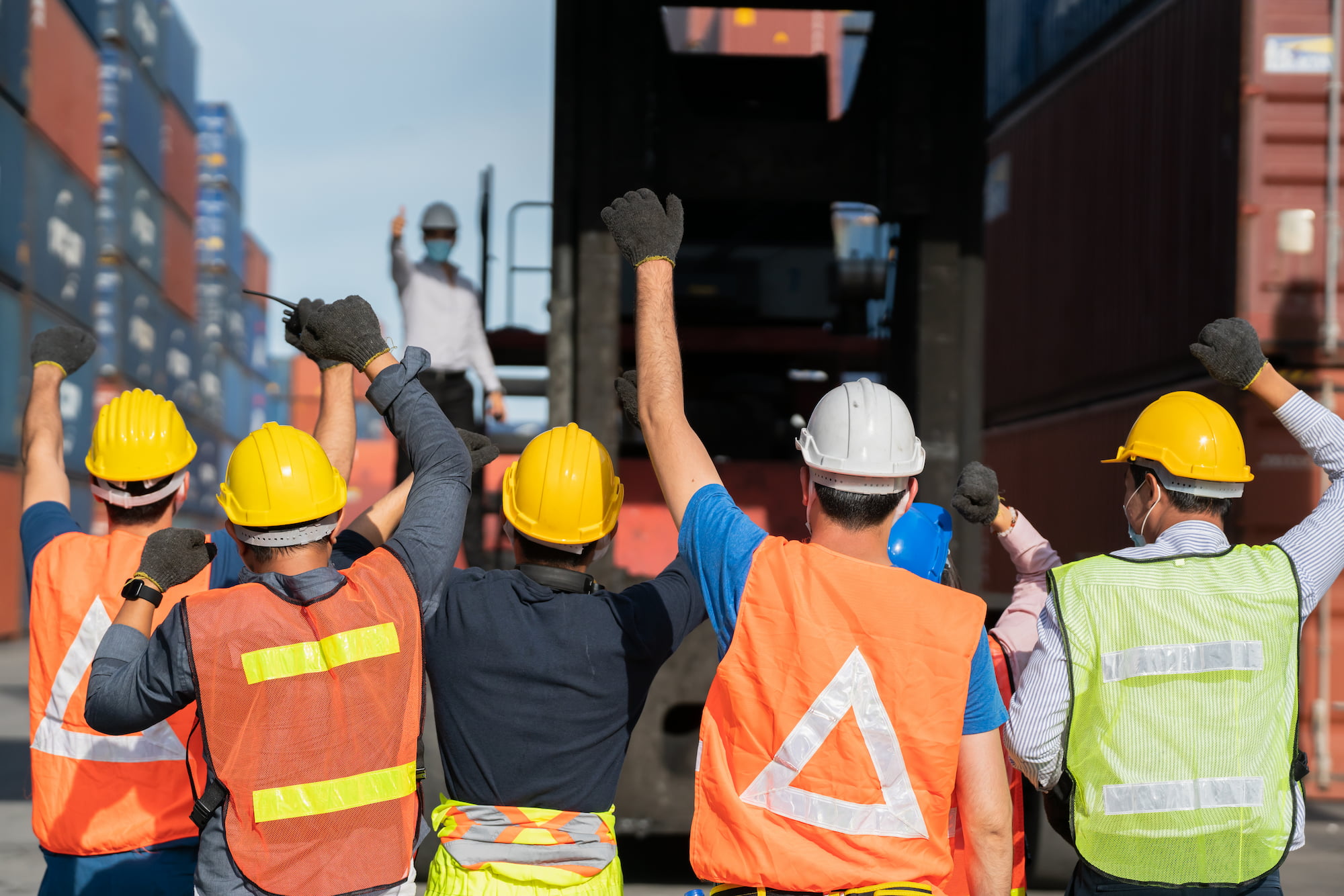
Union contracts for East and Gulf Coast port dockworkers are ending, potentially resulting in ILA workers going on strike. On September 30th, the current six-year contract between the International Longshoreman Association (ILA) and United States Maritime Alliance (USMX) expires. ILA is a union of 85,000 longshore workers spread out amongst 56 ports in the U.S., including Puerto Rico. The ILA president recently noted that its members are fully onboard with going on strike on October 1st if the USMX does not meet their demands. In the last strike that happened in 1977, workers walked off for almost seven weeks.
Over the last year, East and Gulf Coast port workers of the ILA have pushed for a new master contract when their current one finishes. In particular, one with a wage increase above the 32% hike West Coast ILWU dockworkers received in 2022. They are also pushing for higher pensions, with the ILWU having a higher single coast-wide pension. Negotiations paused in early June because of a dispute regarding automation at the Port of Mobile. Terminals at the port used an Auto Gate system that autonomously processes trucks, replacing ILA jobs. The ILA’s Wage Scale Committee will meet on September 4th and 5th to review contract demands when negotiations do return.
What Do ILA Workers Going On Strike Mean For International Shipping?
A strike by ILA dockworkers may significantly impact shippers who must move cargo internationally. Especially with more than half of the U.S. imports going through East and Gulf Coast ports. Market research company Sea-Intelligence reported that a strike lasting one day could take approximately three days to clear. They also note that a strike of two weeks could result in slowdowns to 2025. Despite the two largest ports by TEU being on the West Coast, the East Coast has the following five busiest. Companies are already diverting shipments from East Coast ports or shipping early to avoid potential delays. Along with congestion and delays, a strike can affect shippers in other ways.
For supply chains, this can lead to inventory disruptions, which can be unfavorable if the shipper has customers. Closed ports also may cause traffic for domestic shipping, with carriers having to reroute to other locations. Another concern is that supply chain issues from protests will contribute to the current inflation crisis. With rising prices already being an area of concern in the U.S., a strike will also grow shipping costs. Container rates have increased since the beginning of the year, which may add to the rise. Situations like the Panama Canal drought and the Red Sea crisis have already contributed to surging rates.
A1 Worldwide Logistics
Although situations like a potential port strike can be stressful, it should not stop you from shipping internationally. A shipper should, however, take steps to protect their supply chain. They must prepare for delays and disruptions in their shipping schedule and stay current with news reports and updates. You can also get help from a 3PL (third-party logistics) provider like A1 Worldwide Logistics. 3PLs offer various transportation services while determining your cargo’s best course of action. Reach A1 Worldwide Logistics at 305-425-9456 or info@a1wwl.com for assistance with your shipping journey. We help your global supply chain by providing transparency and solutions regardless of the situation.
by Jontrey Aimes | Mar 27, 2024 | 3PL, Shipping Logistics, Supply Chain
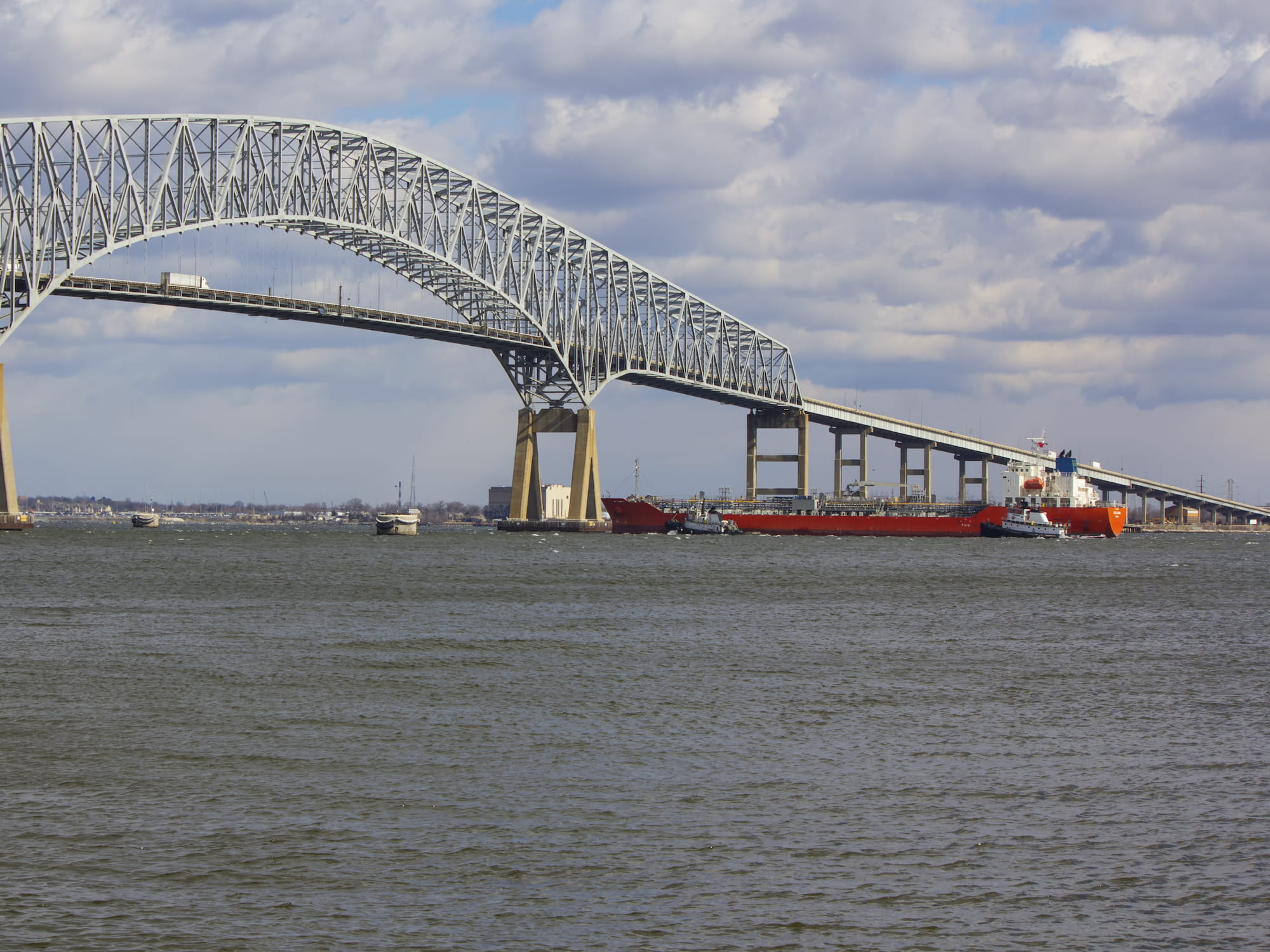
Early Tuesday morning, the 1.6-mile-long Baltimore Key bridge collapsed into the Patapsco Rover. Around 1:30 am, a massive container ship crashed into one of the bridge’s support beams, causing it to fall. The Francis Scott Key Bridge is a central transportation hub on the East Coast of the U.S. It is also an entry point to the Port of Baltimore, a significant East Coast port. During the collapse, vehicles with people were on the bridge. At the current time, there are no reported casualties. However, rescuers are still looking for people in the waters. The director of communications in the Baltimore City Fire Department notes that up to 20 people may be in the river.
What Can The Baltimore Key Bridge Collapse Mean For Shipping?
Nearly 35,000 people use the port daily, meaning the collapse can significantly impact shipping. Since the passage is the main entrance to the Port of Baltimore, it directly affects the international cargo movement. The Port of Baltimore handles the highest volume of autos and light truck imports in the U.S. It is also one of the biggest importers of gypsum and sugar in the U.S. One of the main effects is that port operations will halt, leading to potential bottlenecks in supply chains. Along with cargo entering the U.S., exporters using the port to ship to other countries will also feel the strain.
Due to the significance of the Port of Baltimore, closure may result in an increase in West Coast port imports. The collapse of the Francis Scott Key Bridge also has an impact on domestic shipping. Drayage services for moving containers to and from the port relied on the bridge for decades. Since its opening in 1977, truckers used the causeway to link transport between Baltimore, Washington, Philadelphia, and New York. Overall delays and traffic will increase around the accident area as drivers look for alternative routes. Traffic increases delivery time, which is unfavorable for truckers with clients who expect their goods to move late.
How Can You Protect Your Shipment?
With the volume of cargo that goes into and out of the Port of Baltimore, you must take steps to protect your shipments. To start, a shipper should know of any occurrences affecting their shipment. This could mean watching the news or checking a trusted online source for updates. Knowing where the traffic is excessive is essential in preventing backlogs for a scenario like a bridge collapse. Communicating efficiently with other parts of your supply chain is crucial to ensure a smooth flow.
The most proven way to protect your shipment is to get assistance from a 3PL (Third Party Logistics) company. 3PLs offer extensive services to create an efficient supply chain for their client. Examples include freight forwarding, customs brokering, transportation, distribution, etc. Forwarders coordinate cargo transportation internationally, and brokers clear imported shipments from U.S. customs. Freight forwarders, in particular, help shippers navigate situations like the collapsing of a high-traffic bridge or port shutdowns. Reach us at 305-821-8995 or info@a1wwl.com to find out how we ensure the success of your supply chain. A1 Worldwide Logistics is a 3PL with experience finding solutions for your imports/exports.

by A1 WorldWide Logistics | Feb 29, 2024 | 3PL, Shipping Logistics, Supply Chain
There have been growing talks of strikes in East Coast ports, with labor contracts expiring later this year. Near the end of September, agreements between the International Longshoremen’s Association (ILA) and the United States Maritime Alliance (USMX) expire. The ILA is an alliance of nearly 70,000 port workers, and the USMX represents 36 coastal port employers. Out of the dozens of ports, USMX workers are at the three busiest East and Gulf Coast ports. The last East Coast port strikes happened in 1977, which led to a labor action that lasted for two months. With recent talks of potential strikes rising, what can this mean for international shipping, and how can you prepare?
Why Have Talks Of Strikes In East Coast Ports Increased?
Since the strike in 1977, the USMX and ILA have negotiated ten contracts lasting several years. The parties signed the last six-year contract in September of 2018. Talks of strikes later this year have increased due to issues with current agreements. ILA workers noted that they are pushing for wage increases of nearly 30% or higher, plus benefits. Another issue has been the growing use of automation at ports, threatening the jobs of ILA workers. The ILA also has a $300 million lawsuit against USMX and two carriers over a hybrid labor model. The argument is that the model at the Port of Charleston violates the existing agreement.
On November 7th, 2023, the ILA president Harold Daggett told ILA members to prepare for a strike in October 2024. In 2023, Pacific Maritime Association (PMA) West Coast port workers reached a long-term contract agreement after 11 months of uncertainty. This was during the post-Covid import boom, and traffic coming into the U.S. shifted to East and Gulf coast ports. Unlike the expired PMA contract, the current ILA situation may result in protests once the contract ends later this year. Associations like the National Retail Federation (NRF) have expressed their desire to facilitate talks between the ILA and USMX.
What Does This Mean For Shipping?
Along with the strike’s impact on the ILA and USMX, international shipping will feel the ramifications. Various situations, like a conflict in Gaza and a drought in the Panama Canal, have already affected global cargo movement. If workers are on strike, it can lead to cargo congestion, which causes shipment delays. It is crucial to note that East and Gulf Coast ports have more diverse import locations than West Coast ports. While West Coast ports mainly get cargo from Asia, East Coast ports get cargo from Europe, Asia, and South America. Protests may also cause importers from different countries to switch to West Coast ports.
While moving goods internationally can sometimes be complex, there are ways to ensure the success of a shipment. Along with staying up-to-date with current news, importers and exporters should act early to prevent delays or extra costs. A standard method that shippers use is using the assistance of a third-party logistics (3PL) provider. In addition to shipping, 3PLs have various services to streamline your supply chain while educating you through the process. Reach A1 Worldwide Logistics at 305-821-8995 or info@a1wwl.com for a quote to begin your shipping journey. We help your global supply chain by providing transparency and solutions for you to reach your goals.

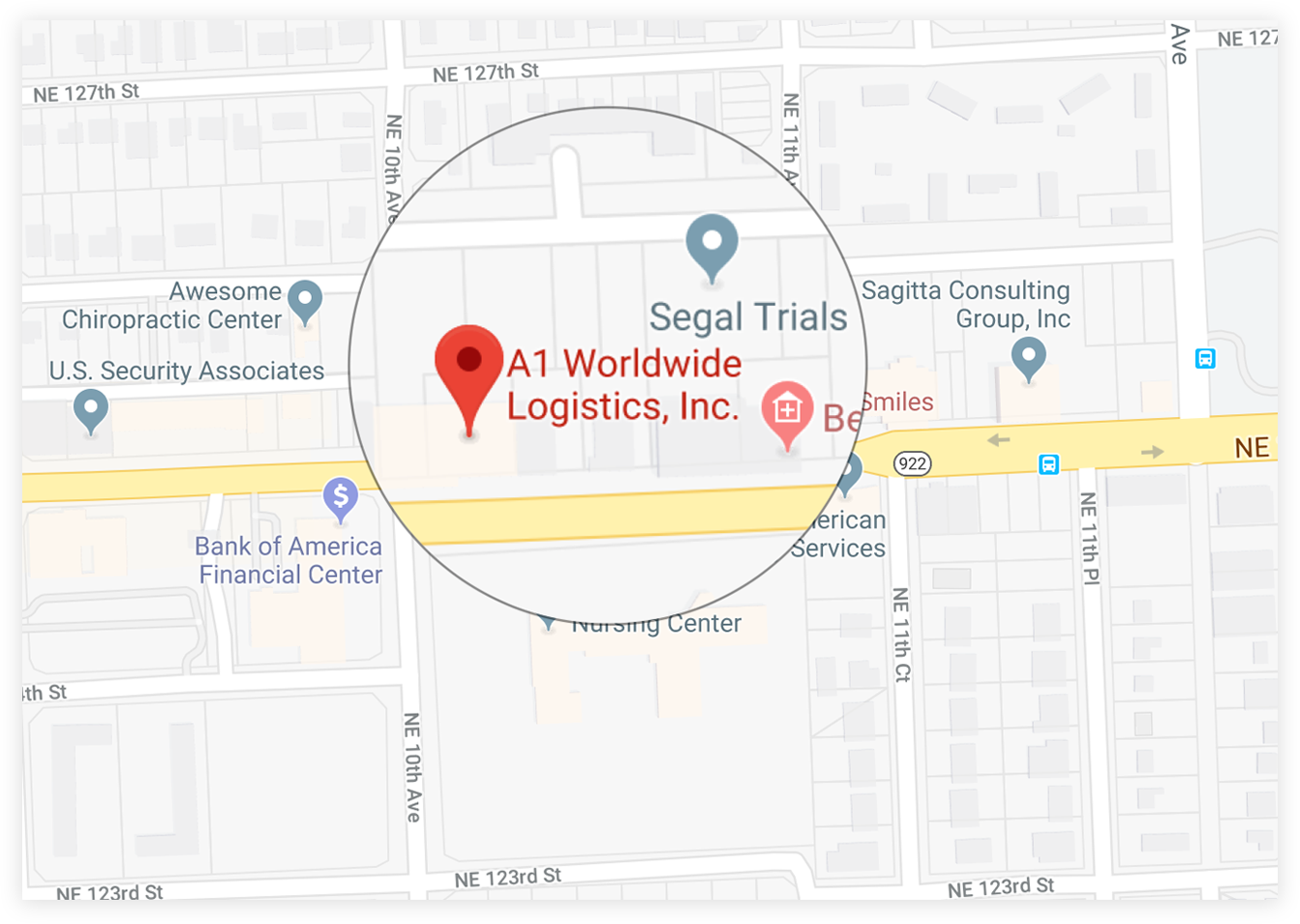
 1035 NE 125th St Suite #320, North Miami, FL 33161.
 a1worldwidelogistics.com
 (305) 821-8995
 Hours: 8AM - 5PM