by A1 WorldWide Logistics | Dec 5, 2024 | Air Freight, Shipping Logistics, Transportation
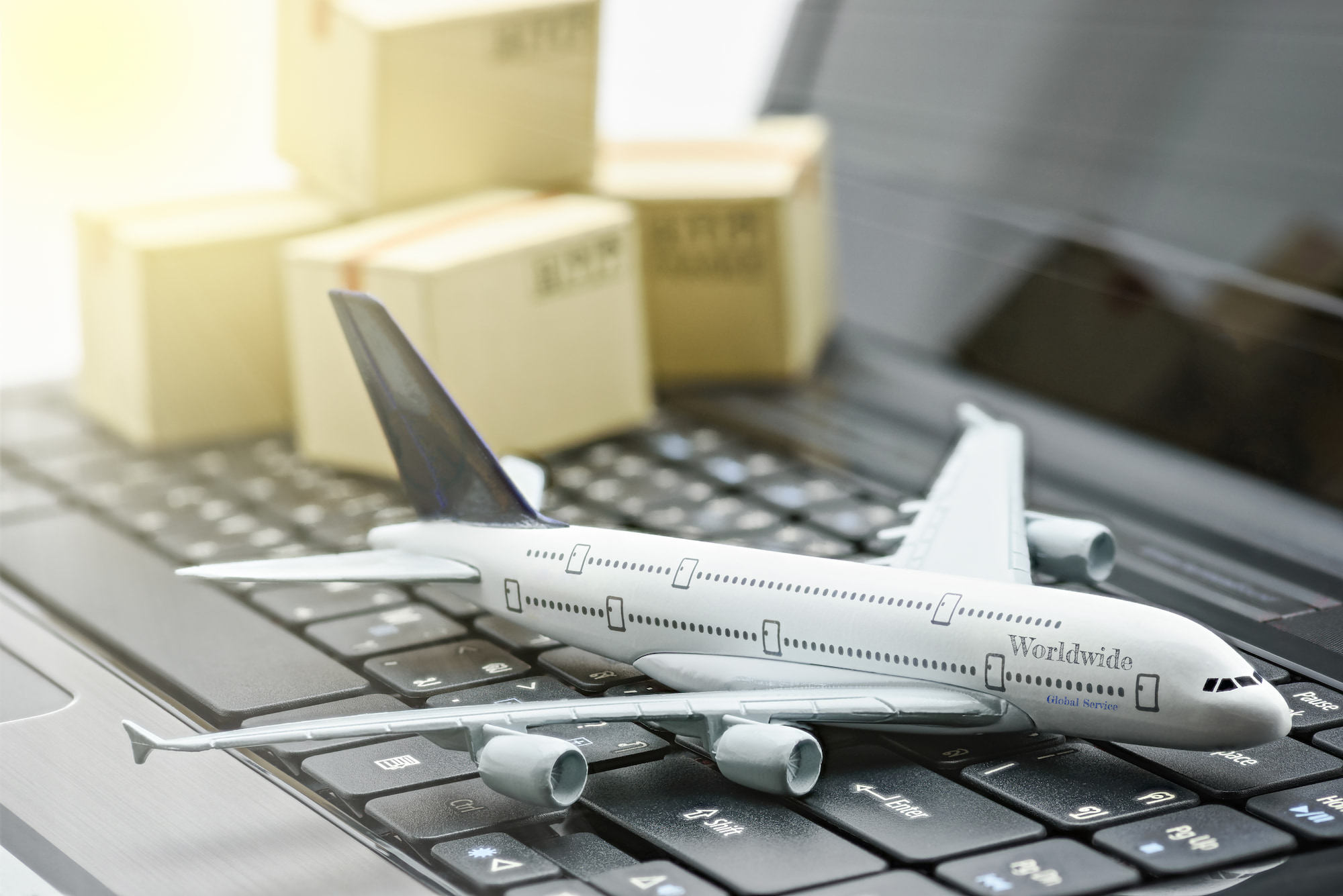
The Boeing aerospace company has released an outlook showing e-commerce growing express cargo in the future. By 2043, express cargo could outpace general cargo by approximately 33% based on an annual rate of 4%. The airfreight industry has nearly doubled over the last few decades and will continue to grow, with air traffic potentially doubling again in the next 20 years. Currently, express carriers account for nearly 45% of global air cargo revenues, while airlines focusing on general cargo generate 10%. Passenger airlines with carriers that can store freight and luggage generate another 10%. A primary reason behind the growth is the surge in demand for e-commerce over the last few decades.
What Is The Difference Between Express Cargo and General Cargo?
Air cargo shipping is the transportation of goods internationally using an air carrier. Two of the most common types of airfreight are general cargo and express shipments. The airfreight industry defines general cargo as more significant, bulkier shipments, while express cargo is smaller and focused on speed. Transportation by express has become popular due to its benefits on supply chains. While it can be costly compared to general cargo, many consider it a preferred choice due to its benefits. For example, it is the fastest transportation mode, allowing for global reach and reliable delivery times. Freight forwarders typically assist with both these transportation methods.
How Is E-commerce Growing Express Cargo?
As the e-commerce industry rose in popularity, so did the amount of businesses that sold goods internationally. Customers who purchased goods online began expecting quicker shipments, which resulted in a demand for express cargo. While e-commerce has grown the air cargo industry since its beginnings, the coronavirus pandemic helped expedite its growth. During that time, brick-and-mortar stores began declining, and there was a surge of goods brought online. Along with the surge was a demand for express cargo services, which has continued to grow since. Globalization and supply chains shifting to other countries besides China have expedited the demand. Today, e-commerce platforms normalize next-day and same-day deliveries.
Coinciding with the rise of express cargo, there has been an interest in factory-built cargo jets. There are currently many carriers that are under production to meet the shipping demand. Compared to regular passenger airlines that transport freight, these carriers allow for flexibility and more reliability. A significant portion of them will be solely for express services. Boeing predicts the global air cargo fleet to ride from 2,340 in 2023 to 3,900 units in 2043. The reason for the number of new carriers also depends on the region. For example, the majority of aircraft deliveries in North America will be to replace current aircraft.
A1 Worldwide Logistics
Deciding on shipping by air can be complicated for inexperienced shippers due to the process, which includes various parts. For example, importing into the U.S. requires customs clearance and regulatory compliance. Speaking to a freight forwarder when starting is ideal to avoid disruptions. Forwarders handle various aspects of a supply chain, including coordinating cargo movement. They also provide other solutions like handling documentation, warehousing, consolidation, customs compliance, etc. Contact A1 Worldwide Logistics at 305-440-5156 or info@a1wwl.com to talk to a freight forwarder about shipping your cargo internationally. Whether you are transporting goods by air, sea, or domestically, we ensure that you meet your goals.

by A1 WorldWide Logistics | Nov 21, 2024 | Freight, Shipping Logistics, Supply Chain
An essential consideration for shippers of high-value items is understanding how to ship luxury goods internationally. Knowing the logistics for shipping this cargo type is necessary whether you are exporting or importing to the U.S. A general definition of luxury cargo is anything with significant monetary worth that requires secure and specialized handling during transport. Some examples can include jewelry like expensive watches, precious metals, rare artworks, exotic items, high-end vehicles, etc. Due to the value of these shipments, the transportation process must require careful planning, precision, and security. This article will explain what to expect when transporting luxury freight internationally and how to prevent disruptions from occurring.
The Importance Of Knowing How To Ship Luxury Goods.
It is crucial to know how to transport luxury goods because of the consequences of not shipping them correctly. The most significant consequence is the monetary risk taken by the shipper, carrier, and receiver. For carriers, damages can result in high claim payouts they must give the shipper. However, claim payouts to shippers may still not be enough to cover the cost of the cargo. If the exporter is a business with customers, damages or lost high-value goods look highly unfavorable to the company. The value of this type of shipment also makes it vulnerable to cargo theft. Another consequence of incorrect shipping is delays in transportation. If the item is a construction machine worth over $100,000, delays can stall the project.
What Is The Process?
The process begins before the luxury goods are in transit and starts with understanding the regulations for these cargo types. Due to the value of these shipments, they may have strict import rules. Before transporting, the shipper must also pay meticulous attention to the packaging to prevent damage. For items like expensive jewelry, discrete packaging reduces theft risk. The shippers must label the packages correctly and ensure they have the proper HS (Harmonized System) code. HS codes are used by customs to correctly identify and classify imports for taxation purposes. Incorrect codes can result in delays and customs seizing the luxury item.
When deciding on a carrier, the shipper must find one with experience and knowledge handling luxury goods. This can depend on the type of item and urgency of delivery. For example, trusted air carriers with high security can move rare paintings promptly, and vessels with experience, while qualified vessels with ro-ro services can handle expensive vehicles. It is also essential to have the proper insurance coverage to protect against damages or loss. The importer should have their paperwork prepared before the goods arrive at the port of entry to prevent delays. Speak to a customs broker to understand and provide the necessary documentation for customs clearance.
A1 Worldwide Logistics
Once the cargo reaches the destination country, the shipper must move it to the final destination. Choosing an ideal carrier that takes measured steps ensures a successful delivery. While shipping luxury items may seem daunting, shippers can provide the shipment’s success using a freight forwarder. Forwarders understand the importance of this cargo type and focus on utilizing the best practices throughout the supply chain. They also educate the shipper through the journey and connect them to trusted and vetted carriers. Contact A1 Worldwide Logistics at 305-440-5156 or info@a1wwl.com to speak to a broker regarding transporting your luxury goods internationally.
by A1 WorldWide Logistics | Oct 31, 2024 | Freight, Shipping Logistics, Transportation
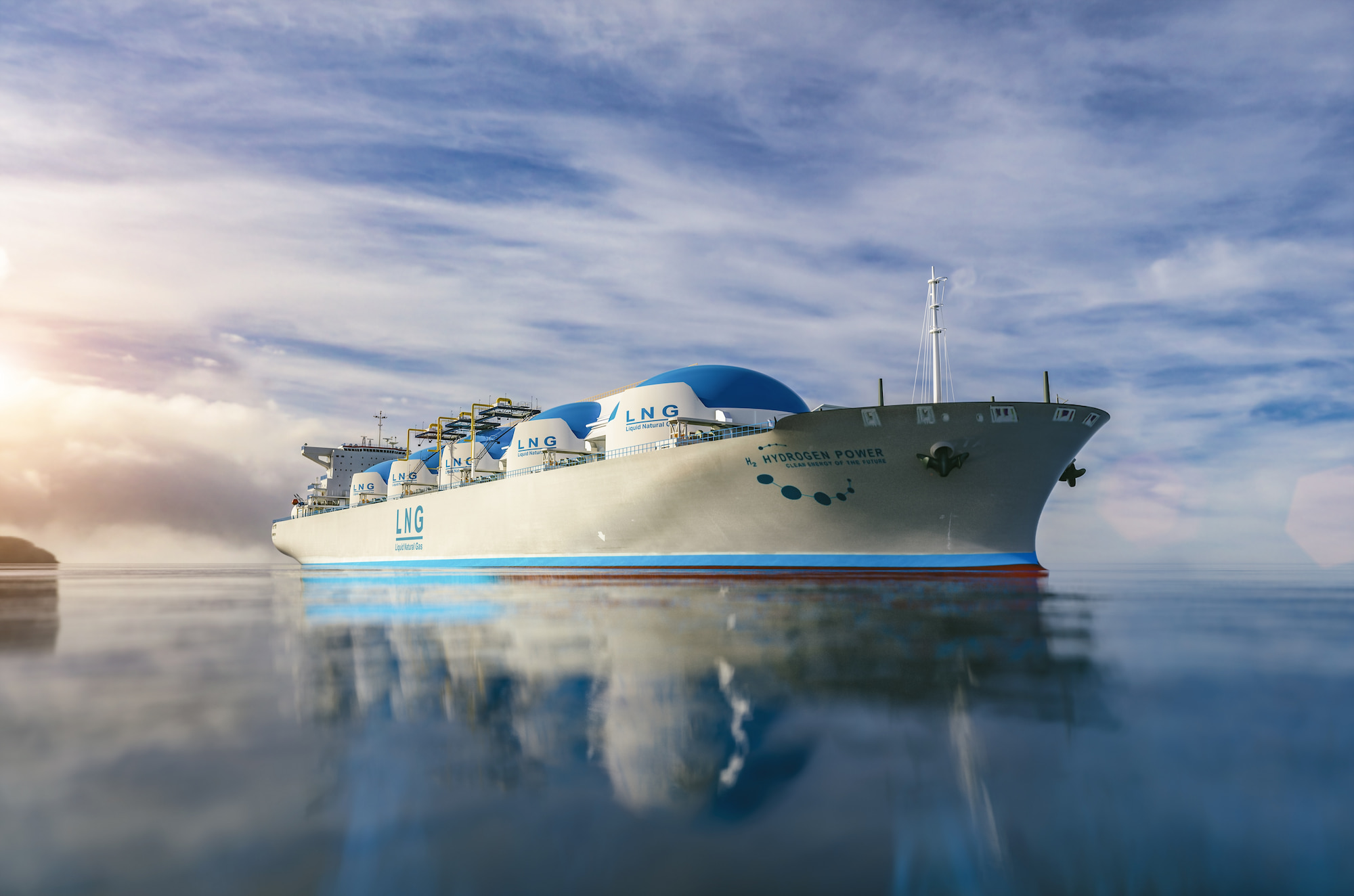
Analysts have recently reported a continuing trend of LNG freight rates plunging to record lows. LNG (Liquified Natural Gas) rates for Atlantic and Pacific basins fell $20,750 and $36,000 daily on Friday, October 25th. For reference, this is the lowest for this period, with rates down 87% in the Atlantic and 78% in the Pacific since 2019. LNG pricing agencies have noted that rates for LNG tankers may remain low until late 2025. Spot prices for the UP World LNG Shipping Index (UPI) fell 3.54% last week. What is causing the sharp decline in rates, and how could this affect international shipping?
Why Are LNG Freight Rates Plunging To Record Lows?
The recent plunge in freight rates is due to the number of new tankers entering the market. By early October, there were 45 newbuild tanker deliveries, with more arriving in the next few months. Approximately 70 new LNG carriers will enter the global fleet of 800 by the end of this year. An LNG pricing agency noted, “We don’t see this pace of additions slowing significantly until mid-2026.” The issue is that manufacturers are producing tankers at a quicker rate than LNG production. As the amount of shipping capacity continues to rise, demand for LNG exports remains stagnant. Milder weather conditions worldwide also contribute to the weaker demand as winter approaches.
LNG production has been growing slowly due to a labor and equipment shortage, causing delays. In 2022, LNG supplies from Russia plunged from a conflict with Ukraine. With Russia being one of the largest producers and shippers of natural gas globally, the market felt the impact. As a result, shippers began looking at other countries like the U.S. for LNG exports. In anticipation of the rise in exports, manufacturers began building tankers rapidly, more than the demand to ship internationally. Instead of an increase in international shipping, customers began sourcing LNG locally, lowering freight rates. Traders also have no incentive to store LNG on vessels, which helps lower tankers on the market.
What Can This Mean For International Trade?
When LNG rates decline, it can significantly impact international trade, including the global energy market. For importers, this can lead to greater savings and make LNG more attractive than other fuels. As a result, price-sensitive markets like Southeast Asia could see a growing demand for this fuel. While lower LNG rates can benefit buyers, producers may feel low profit margins from plunging rates. Ship owners will also feel the impact of lower profits. To compensate, they may delay fleet expansions and invest in LNG infrastructure. Based on market conditions, producers could shift export destinations to high-paying markets or sell more at more competitive prices.
While the LNG market may be cyclical, keeping current with any situation affecting shipping is essential. Along with natural gas, this can include any cargo, and shippers can do this by speaking to a freight forwarder. Forwarders act as the middlemen between the shipper and carrier and coordinate the cargo’s movement. They also give shippers an idea of what to expect during the shipment’s journey and offer other solutions. Contact A1 Worldwide Logistics at 305-440-5156 or info@a1wwl.com for shipping to and from the U.S. Whether you need to ship LNG or any other cargo internationally, our forwarders can guide you through the process.

by A1 WorldWide Logistics | Sep 30, 2024 | East Coast Protests, Economic trends, Shipping Logistics
A port strike is imminent at midnight September 30th with International Longshoremen Association (ILA) dockworkers. The ILA has been in talks with the United States Maritime Alliance (USMX) over a new contract. This contract includes higher wages and limits the use of automated technology at ports. These efforts have been unsuccessful and have stopped with the current six-year agreement, which will soon expire. A potential strike would shut ports along the East and Gulf Coasts, severely disrupting domestic and international trade. This could trigger a ripple effect across the U.S. economy, as many supply chains rely heavily on these ports. With the U.S. import industry valued in the trillions, a strike may significantly impact international shipping.
What Can This Mean For Shipping?
Along with shutting down East and Gulf Coast ports, a strike could cause delays in numerous supply chains. This is because East and Gulf Coast ports are responsible for nearly 43% of all U.S. imports. Delays can lead to monetary loss and look unfavorable for importers that have customers. In addition to delays, shipping costs are likely to surge. Port closures often lead to higher freight rates due to constrained capacity, demurrage, and detention fees. Some shippers have already begun rerouting to West Coast ports, though this solution risks overburdening those ports, creating new delays. Shippers are also exploring alternatives like land and air, though they could raise costs even further.
Industries such as retail and manufacturing have been calling for both parties to resolve, hoping to avoid a multibillion-dollar disruption. With the holiday season approaching, many companies have preemptively shifted goods or brought in products early to avoid shortages. Retailers fear that shelves may not be fully stocked for the holidays. Manufacturers risk production slowdowns if carriers don’t deliver critical materials. Other industries, like construction, automotive, and farming, will also feel the impact of a strike on their supply chains.
Since A Port Strike Is Imminent, How Can You Prepare?
Due to the impact of a strike, it is essential to take steps to prepare for what may occur. An option is to delay shipments until the strike ends. Freight leaving its origin after September 20th will likely be affected, so rerouting to West Coast ports could be the best solution for goods in route. However, it’s important to note that West Coast ports are already congested, meaning longer transit times may occur. Alternative conveyance methods, such as land or air transport, could help ensure timely delivery for high-priority shipments. Ports across the U.S. East and Gulf Coast have already been preparing for a potential strike in various ways. Some of the ways include extending gate hours for trucks before the strike occurs.
As the strike deadline nears, staying informed is vital, and you can do this by regularly checking news updates. Another effective strategy is working with a freight forwarder. Forwarders ensure the transport of your cargo efficiently and safely while minimizing costs. They also provide valuable guidance, helping you navigate disruptions and choose the best shipment plan. A1 Worldwide Logistics offers freight forwarding services and a range of solutions to handle the effects of a potential strike. Contact us at 305-425-9513 or info@a1wwl.com for assistance with your imports and exports.

by A1 WorldWide Logistics | Sep 25, 2024 | East Coast Protests, Supply Chain
Finding solutions for navigating a port strike is becoming increasingly essential, with a coastwide ILA protest nearly a week away. The International Longshoremen’s Association (ILA) plans to strike on October 1st when their six-year contract ends. Talks with the United States Maritime Association (USMX) about new contracts have stopped, and the deadline is quickly approaching. Supply chains that import into East and Gulf Coast ports may soon feel disruptions from port shutdowns. Over 43% of all imports into the U.S. go through these ports, resulting in billions in revenue. This article will explain some ways to mitigate the effects of a potential strike.
What is the Impact of a Coastwide Strike?
The ILA is a union of over 65,000 members handling cargo at nearly 40 East and Gulf Coast ports. With the size of the ILA, a protest can bring more than half of U.S. port operations into pause. A supply chain analyst notes that ports may not clear a two-week strike until 2025. Key industries that the strike will significantly impact include manufacturing, agriculture, retail, energy, and petrochemicals. In particular, a complete shutdown of ports will lead to delays for import and export shipments. Once a carrier enters a port, it could stay days at the dock, not being unloaded by workers. Shippers have already begun rerouting their cargo to West Coast ports to avoid potential slowdowns.
Rerouting to West Coast ports may also lead to longer transport shipper transport times and higher costs. Another impact of an international strike is that fees for international shipping can drastically increase. These expenses include capacity costs, per diem, storage, demurrage chassis, pre-pull, etc. Shippers, carriers, and clients feel the effects of a port strike. For example, clients can view carriers negatively if they have to increase costs and reroute shipments. With the amount of revenue the U.S. generates from exports and imports, a strike could cause extensive economic damage.
The Best Solutions for Navigating A Port Strike
Due to the substantial effect of a potential strike, finding solutions for protecting your cargo is critical. This can mean delaying the shipment until the protest is over. Freight leaving from a port of origin after September 20th will likely be affected by the strike. For goods that are already in transit, redirecting to West Coast ports may be the best solution. It is crucial to understand that West Coast ports are already at high volumes due to the number of shippers rerouting, so you may experience higher transit times. Using other methods of conveyance, like shipping by land or air, can be beneficial for crucial shipments.
With the strike approaching quickly, shippers must be current by constantly checking the news. Another way to protect your cargo is by shipping with the assistance of a freight forwarder. Forwarders ensure the transport of your goods in the most effective, safest, and cost-effective way. They educate the shipper on what to expect and find the best action for your cargo’s transport. A1 Worldwide Logistics has freight forwarders, along with an extensive number of solutions for navigating a potential strike. Speak to us at 305-425-9513 or info@a1wwl.com for assistance importing or exporting in and out of the U.S.


 1035 NE 125th St Suite #320, North Miami, FL 33161.
 a1worldwidelogistics.com
 (305) 821-8995
 Hours: 8AM - 5PM