Since his entry to the administration, the president has admonished NAFTA extensively. Through this period, there has been talks of reworking NAFTA and making it more fair to the United States. Additionally, recently there has been talks of scrapping NAFTA altogether.
However, there is plenty of evidence to suggest that NAFTA isn’t going anywhere and additionally, that reworking the deal might make things worse for the United States.
From 1993 to 2015, NAFTA positively affected each country by 39%, 40%, and 24% for the U.S., Canada, and Mexico respectively. This shows a tangible climb for every member to benefit from this agreement mutually.
The only point of debate for NAFTA being detrimental for Americans is the concept of it affecting American Jobs. While manufacturing jobs have tanked in America, jobs in trade, retail, and positions such as customs brokers and freight forwarders have skyrocketed.
Additionally, on the note of manufacturing jobs, it’s difficult to determine if it is directly linked to NAFTA since more manufacturing jobs have sprouted in Asian countries as well.
Why The President is not going to Drop NAFTA
While there is the ability to drop negotiation laws from 23 years ago, there will be two different sets of pushback for the president if a withdrawal is purported.
The People – Countless existing jobs and established business transactions rely on NAFTA to sustain itself. These people will not simply let their longstanding business relationships wither.
Congress – Congress is in place to off-put gross uses of power in the presidency. If the people are incapable of defending themselves, Congress might step in and decide to offset this decision since it would adversely affect Americans.
A1WWL
As customs brokers, we strongly stand behind NAFTA. If you would like to learn more about NAFTA or how it affects international trade, feel free to call us at any time.
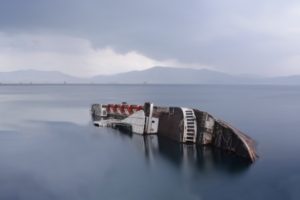
Within two months of each other, the USS Fitzgerald and the USS John S. Mccain had collided with cargo ships. The Fitzgerald, off the southern coast of Japan, the McCain, in between the Malaysian straight.
The Fitzgerald Collision – There are two factors at faulty when considering how the Fitzgerald collided. The ‘Right of Way’ rule which indicates the Fitzgerald should have halted and let the ACX crystal pass. In response to this, there was an investigation to figure out why the Fitzgerald couldn’t detect the ACX crystal, possibly there was an error with the sensors onboard.
The McCain Collision – The primary faults were that the primary steering system had failed and that miscommunication among the crew caused a delay in the proper rate of response.
How did these Collisions happen, and how can they be avoided?
There are three cited problems for these incidents. How these can be improved is currently a problem for the U.S. Navy, and multiple investigations and reviews are being performed to remedy these problems.
Lane Crowding – Both of these collisions have cited lane crowding. While there is freedom of the seas to sail wherever you wish, there are optimal lanes for maximum fuel efficiency and speed. Both the McCain and the Fitzgerald were on the fastest and thus, the most populated lanes of travel.
Miscommunications – Both ships had fundamental communication errors. The Fitzgerald failed to communicate with the crystal or respect the right of way rules. The McCain had too many on-deck miscommunications to avoid their tragedy.
System Issues – Additionally there are suspected system issues with the ships. Between possibly broken sensors and failing steering systems, there are possibly many poorly maintained aspects of the ship at any given time.
A1WWL
We work to stay up to date on as much information as much as possible. When international cargo and ships collide, it affects everyone personally and our business specifically. If you have any questions, feel free to contact us at any time.
When a hurricane hits, many boats will need to make decisions on where to be when that happens. To keep it short, there are two things you can do: Sail away and Tie it Up.
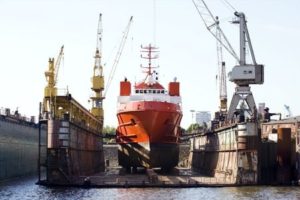
Tying it Up – It’s pretty cut and dry, all that needs to be done is you find a floating dock with high pillings. This lets you tie your boat up so that it can accommodate the higher waves while still keeping it attached to the mainland.
How does Port Miami prepare for a Hurricane?
Port Miami has to prepare in several ways for a hurricane. A port must manage the incoming and outgoing boats as well as ensure the port is properly managed and secured.
Boats Must Re-Route – Every boat must re-route their arrival to a nearby and safer port. For example, many of the carnival cruise lines that were going to Miami for Hurricane Irma instead went to New Orleans to avoid the storm.
Securing the Dock – Next and most important is securing the dock. Most of the docks at Port Miami are floating docks which need to have additional security on land. Additionally, office buildings need hurricane force windows as well as shutters to ensure no intrusions occur in the buildings.
Alerting – Finally, there is typically an issued public statement. During Hurricane Irma, the website produced this webpage for people to know that the terminal is closed until Irma completely passes.
A1WWL
Port of Miami is one of our closest business connections. We are highly invested in keeping our readers and partners up to date with what’s going on during the storms.
We work to stay up to date on as much information as much as possible. If you have any questions, feel free to contact us at any time.
Tesla has recently partnered with the chipset maker AMD to expand the A.I. initiative for their cars. These will be implemented into every one of their new automobile lines to help make the software better faster.
This is a big bonus for both companies since Tesla now has an industry leader helping the division and AMD has a stable market with which they are directly aiding since they are having troubles against Nvidia and Intel in the video card and processor markets currently.
Will this create a spike in the growth and research for the development of autonomous vehicles and onboard A.I.? Only time will tell.
Increased Freight Demands to cause Driver Turnover Rate
National freight is on the rise across the board. More places are requiring more things to become delivered faster and more frequently. This strain is causing to be too much for some of the freight drivers on hand.
The turnover rate has risen to 90% in some areas because the long hauls and the strain will often not be worth the pay. This is a fateful sign for human drivers in the future. This has caused a deficit of anywhere between 200,000 and 300,000 vehicles.
Couple this information with the surge in a push for better A.I. with AMD and the imminent test drive of the new Tesla trucks, how will this affect the future of people driving trucks by themselves?
A1WWL
A1WWL will always push to keep our clients and trade associates up to date with all the latest information when it comes to freight forwarding, customs brokerage, and international trade.
If you have any questions about either of these topics or how we can better serve you and your import business, give us a call today!
The spark that Tesla lit over a decade ago is about going off. It seems that everyone in the world is finally grouping to go green in a big way. Whether or not that means we will ever live in a fuel-free world is a separate question, but it means we will be bringing in less fuel from separate countries, possibly putting strains on their economies.
How Vehicle Manufacturers are Going Green
GM
GM has promised to bring in 20 all-electric vehicles by 2023, including two within the next 18 months. This type of the first-step initiative is sought after, especially since they will be trailing behind Ford’s announcement even thought they are already ebbing them out of the market with the Chevy Bolt and the Chevy volt, which is widely-regarded as the most accessible hybrid and EV right now.
Nissan and Mitsubishi
Nissan is the leader of the all-electric car; the Nissan Leaf can be seen on the road more often than Tesla at this point. However, Nissan, Renault, and Mitsubishi have announced a merger to launch 12 new electric-only vehicles by 2022. This will be an interesting angle to take because Mitsubishi undoubtedly will bring a sports and competitive edge to the electric market.
Volvo
Volvo has made the most drastic initiative into the EV market. They announced that 2018 would be the last year they offer combustion engines. From 2019 on, all of their cars will be electric only or hybrids.
India vs. China
India and China are already in competition to see who can get the most solar panels up by the end of the year and while the race is close, the differential between the two of them is still much more than most other countries are even attempting to put up. But now they are taking their initiative off the forests and onto the roads.
China has commissioned dozens of automotive manufacturers to create EV only vehicles to ensure a stranglehold on the market in the country. Additionally, India is making a push to be an only EV-Country by 2030 to curb emissions completely.
A1WWL
All of these initiatives are doing great things for the world, and they are also bolstering the kind of healthy competition that the world needs for positive trade movement. Expect some industries to starve during these times such as gas stations and gas prices, but now is the time to get into technology and solar power.

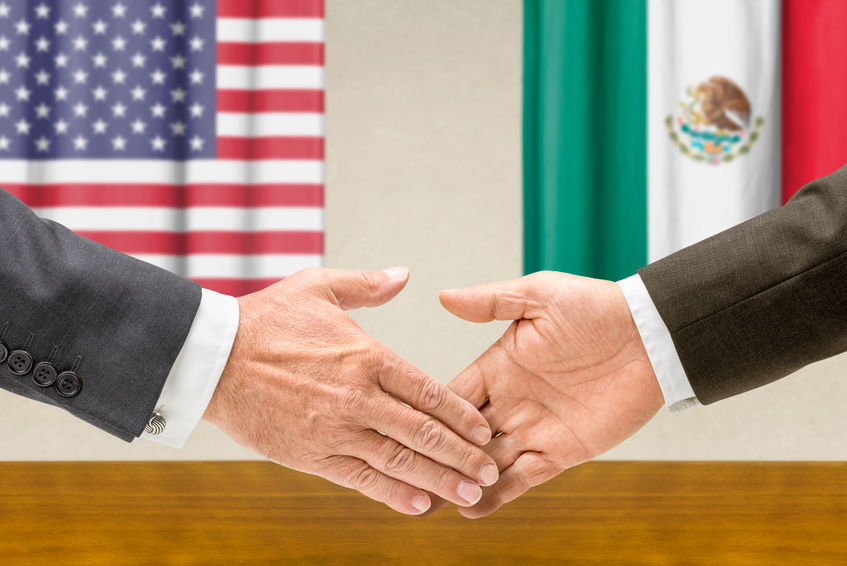
 The NAFTA, like the presence of the E.U; is great for commerce across the nations involved. Most of our information for the following section comes from the extensive study performed by Investopedia.
 The People – Countless existing jobs and established business transactions rely on NAFTA to sustain itself. These people will not simply let their longstanding business relationships wither.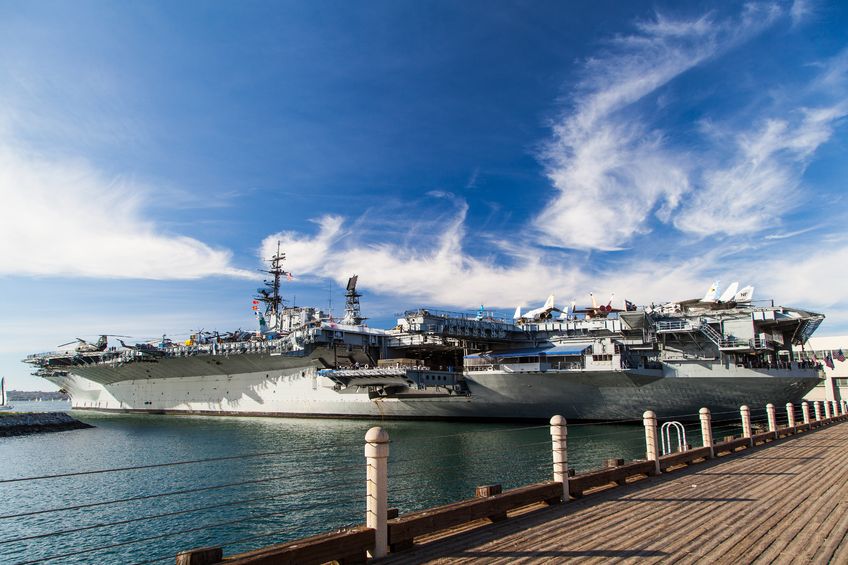
 The Fitzgerald Collision – There are two factors at faulty when considering how the Fitzgerald collided. The ‘Right of Way’ rule which indicates the Fitzgerald should have halted and let the ACX crystal pass. In response to this, there was an investigation to figure out why the Fitzgerald couldn’t detect the ACX crystal, possibly there was an error with the sensors onboard.
 Miscommunications – Both ships had fundamental communication errors. The Fitzgerald failed to communicate with the crystal or respect the right of way rules. The McCain had too many on-deck miscommunications to avoid their tragedy.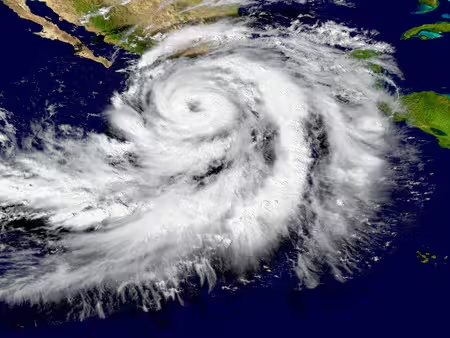
 When a hurricane hits, many boats will need to make decisions on where to be when that happens. To keep it short, there are two things you can do: Sail away and Tie it Up.
 Securing the Dock – Next and most important is securing the dock. Most of the docks at Port Miami are floating docks which need to have additional security on land. Additionally, office buildings need hurricane force windows as well as shutters to ensure no intrusions occur in the buildings.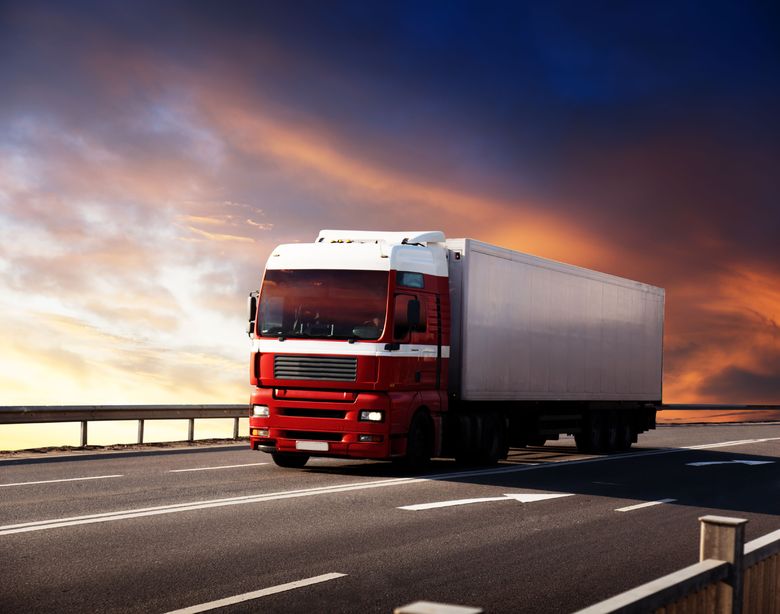
 Tesla has recently partnered with the chipset maker AMD to expand the A.I. initiative for their cars. These will be implemented into every one of their new automobile lines to help make the software better faster.
 The turnover rate has risen to 90% in some areas because the long hauls and the strain will often not be worth the pay. This is a fateful sign for human drivers in the future. This has caused a deficit of anywhere between 200,000 and 300,000 vehicles.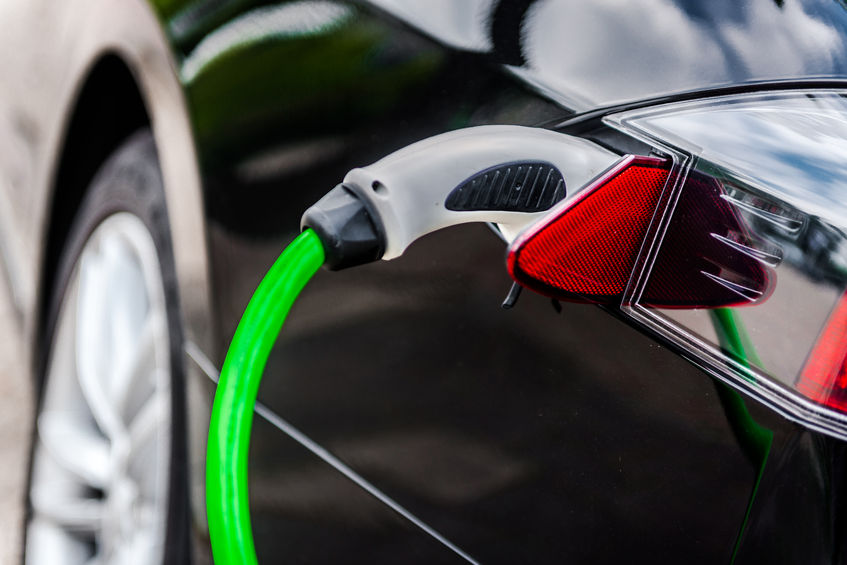
 GM has promised to bring in 20 all-electric vehicles by 2023, including two within the next 18 months. This type of the first-step initiative is sought after, especially since they will be trailing behind Ford’s announcement even thought they are already ebbing them out of the market with the Chevy Bolt and the Chevy volt, which is widely-regarded as the most accessible hybrid and EV right now.
 Volvo has made the most drastic initiative into the EV market. They announced that 2018 would be the last year they offer combustion engines. From 2019 on, all of their cars will be electric only or hybrids.
 1035 NE 125th St Suite #320, North Miami, FL 33161.
 a1worldwidelogistics.com
 (305) 821-8995
 Hours: 8AM - 5PM