by A1 WorldWide Logistics | Oct 31, 2024 | Freight, Shipping Logistics, Transportation
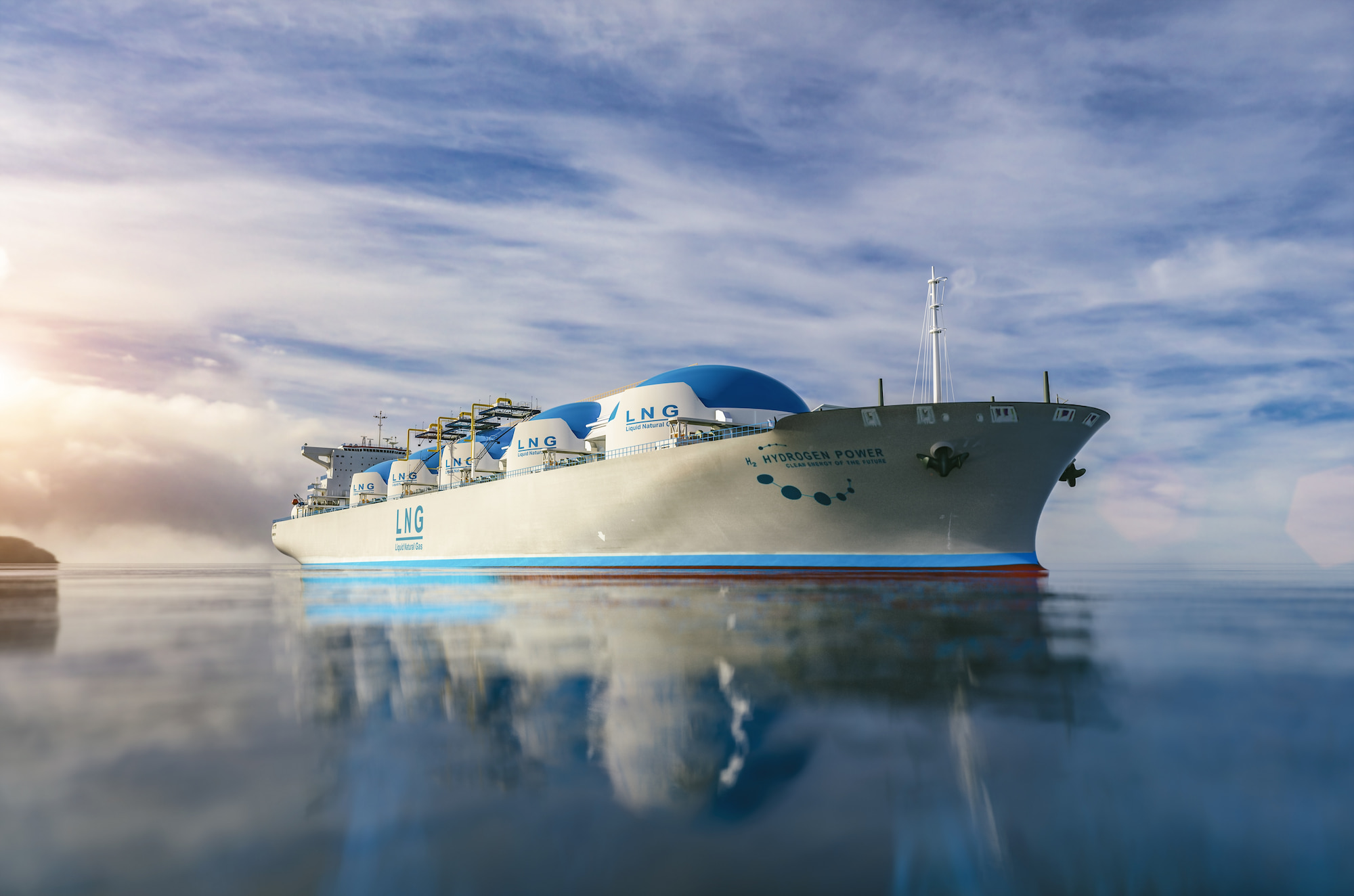
Analysts have recently reported a continuing trend of LNG freight rates plunging to record lows. LNG (Liquified Natural Gas) rates for Atlantic and Pacific basins fell $20,750 and $36,000 daily on Friday, October 25th. For reference, this is the lowest for this period, with rates down 87% in the Atlantic and 78% in the Pacific since 2019. LNG pricing agencies have noted that rates for LNG tankers may remain low until late 2025. Spot prices for the UP World LNG Shipping Index (UPI) fell 3.54% last week. What is causing the sharp decline in rates, and how could this affect international shipping?
Why Are LNG Freight Rates Plunging To Record Lows?
The recent plunge in freight rates is due to the number of new tankers entering the market. By early October, there were 45 newbuild tanker deliveries, with more arriving in the next few months. Approximately 70 new LNG carriers will enter the global fleet of 800 by the end of this year. An LNG pricing agency noted, “We don’t see this pace of additions slowing significantly until mid-2026.” The issue is that manufacturers are producing tankers at a quicker rate than LNG production. As the amount of shipping capacity continues to rise, demand for LNG exports remains stagnant. Milder weather conditions worldwide also contribute to the weaker demand as winter approaches.
LNG production has been growing slowly due to a labor and equipment shortage, causing delays. In 2022, LNG supplies from Russia plunged from a conflict with Ukraine. With Russia being one of the largest producers and shippers of natural gas globally, the market felt the impact. As a result, shippers began looking at other countries like the U.S. for LNG exports. In anticipation of the rise in exports, manufacturers began building tankers rapidly, more than the demand to ship internationally. Instead of an increase in international shipping, customers began sourcing LNG locally, lowering freight rates. Traders also have no incentive to store LNG on vessels, which helps lower tankers on the market.
What Can This Mean For International Trade?
When LNG rates decline, it can significantly impact international trade, including the global energy market. For importers, this can lead to greater savings and make LNG more attractive than other fuels. As a result, price-sensitive markets like Southeast Asia could see a growing demand for this fuel. While lower LNG rates can benefit buyers, producers may feel low profit margins from plunging rates. Ship owners will also feel the impact of lower profits. To compensate, they may delay fleet expansions and invest in LNG infrastructure. Based on market conditions, producers could shift export destinations to high-paying markets or sell more at more competitive prices.
While the LNG market may be cyclical, keeping current with any situation affecting shipping is essential. Along with natural gas, this can include any cargo, and shippers can do this by speaking to a freight forwarder. Forwarders act as the middlemen between the shipper and carrier and coordinate the cargo’s movement. They also give shippers an idea of what to expect during the shipment’s journey and offer other solutions. Contact A1 Worldwide Logistics at 305-440-5156 or info@a1wwl.com for shipping to and from the U.S. Whether you need to ship LNG or any other cargo internationally, our forwarders can guide you through the process.

by A1 WorldWide Logistics | Oct 24, 2024 | Shipping Logistics, Supply Chain, Transportation
When shipping cargo internationally, it can be very beneficial to understand what is multimodal transport. Multimodal transport uses various modes of transportation to move cargo from the origin to the final destination. For example, this can include a shipment moving by vessel to a country before a truck transports it domestically. The conveyance can consist of air, ocean, road, and rail; however, a shipper uses a single contract and house bill. A single Multimodal Transport Operator (MTO) manages the entire journey despite the multiple transportation methods that the transporter can involve. This article will explain the benefits of multimodal transport and how it differs from intermodal transport.
Why Is It Essential To Know What Is Multimodal Transport?
Because of the components involved in moving goods internationally, understanding multimodal transport can benefit the shipper in numerous ways. A significant advantage is the increased flexibility in the overall supply chain. International shipping tends to be volatile with changing circumstances like demand and disruptions influencing cargo movement. Having different modes of transportation allows for adaptability when situations arise. For example, if a shipment becomes time-sensitive, a shipper can quickly switch to a transportation mode like air. Adaptability from various conveyance methods is also effective for timely deliveries since shippers can avoid situations like congestion. This is increasingly essential for businesses that must ship products to their customers.
Another benefit of multimodal transport is that it can decrease the overall costs of the transportation process. Since the shipper uses one contract with multiple methods of transport, the price tends to be less than using various agreements. The MTO can find the least costly solution for the shipper. Reducing the cost of shipping goods internationally becomes beneficial when moving large volumes of shipments constantly. It can simplify the logistics process for companies with complex supply chains that require managing multiple supply chains. Since a single MTO handles the entire process, the responsibility for damages and delays goes to the handler.
How Does Multimodal Differ From Intermodal Transport?
While multimodal and intermodal transport uses multiple conveyance methods, they differ in various ways. Due to the differences, freight forwarders play a different role based on the type of shipping. Intermodal transportation is the movement of goods to their final destination using various modes of transport with multiple contracts. For example, a truck, vessel, and rail carrier have their own contractors and issue separate Bill of Ladings. Due to the differences, these two transportation methods can have separate advantages based on the shipper’s needs. Intermodal transport lets the shipper choose carriers that fit their expenses and goals. Although multimodal transport may lessen choice freedom, it alleviates responsibility and may simplify scheduling.
A1 Worldwide Logistics
Since multimodal transport uses multiple modes of transport to ship, a key aspect is freight forwarding. Forwarders coordinate the movement of goods for the shipper by contracting one or more carriers. They act as intermediaries between shippers and carriers, ensuring the cargo reaches its final destination. A1 Worldwide Logistics has forwarders that can provide multimodal transport services for moving shipments internationally and domestically. For assistance with transporting cargo internationally, reach A1 Worldwide Logistics at info@a1wwl.com or 305-425-9752. We have solutions like freight forwarding, customs clearance, warehousing, and more to ensure the success of your supply chain.

by A1 WorldWide Logistics | Oct 10, 2024 | Customs Broker, Importing, Supply Chain
Recent noncompliance has the CBP enforcing cargo descriptions more strictly. The CBP (U.S. Customs Borders and Protection) is an agency in charge of facilitating lawful international trade in the U.S. One of its responsibilities is managing the flow of goods coming in and out of U.S. borders. Recently, the CBP has become more stringent in how shippers describe the merchandise they are importing. On April 1st, CBP announced implementing cargo messages for vague, noncompliant cargo descriptions for entry filings.
In particular, the CBP notes in the message, “Carriers and other parties electing to file electronic cargo information data to CBP are required to provide a precise description of the cargo.” More recently, the CBP released a list of acceptable and unacceptable import cargo descriptions. The list is on the CBP webpage and will continue to expand as they add more descriptions.
Why is the CHB Enforcing Cargo Descriptions?
The CBP has become stricter on cargo descriptions to ensure precision when describing the cargo. This helps identify the cargo’s physical characteristics like shape, size, and packaging. Proper descriptions ensure compliance with CBP regulations and create a smoother customs clearance process. It also helps find the freight’s correct HTS (harmonized Tariff Schedule) code. The HTS code is a 10-digit number that identifies and classifies goods that importers bring into the U.S. Customs use it to determine the duties and fees associated with the import. Correct descriptions also prevent illegal goods from entering the U.S.
Consequences Of Not Having The Correct Cargo Description
Due to the CBP’s strict nature of monitoring imports and exports, incorrect cargo descriptions have various consequences. Unacceptable or “vague” cargo descriptions can result in the CBP rejecting the submission and pausing shipment movement. If customs hold the shipment, it can result in delays in the supply chain. Delays may look unfavorable for importers that have customers expecting a product. Other consequences include fines, cargo seizures, and, in some cases, criminal penalties.
Unacceptable VS Unacceptable Descriptions
Some of the examples of acceptable vs unacceptable descriptions that the CBP mentions in the list include:
- Just brand names themselves are unacceptable. An example of an acceptable description is “Bubbles Brand” Laundry detergent.
- The word “Appliances” by itself is unacceptable. Describing the appliances like stoves, ovens, or coffee machines is acceptable.
- “Auto Parts” is an unacceptable description. The importer must describe the actual part, such as Automotive Brakes or Automotive Windshield Wipers.
- “Electronic Goods” is an unacceptable description. The importer must specify the goods, for example, Computers, Telephones, Televisions, Video Game Consoles, etc.
- The word “Metal” by itself is an unacceptable description. The importer must describe the metal more specifically. For example, Plates (of metal), Pipes (of metal), Sheets (of metal), and Expanded metal are acceptable descriptions.
To see the complete list, visit the webpage here: https://www.cbp.gov/trade/basic-import-export/e-commerce/examples-unacceptable-vs-acceptable-cargo-descriptions.
While the list explains how to describe imports, specific descriptions may confuse shippers. Contact a customs broker for a clear idea of what to expect when bringing goods into the U.S. Brokers handle the importation process for the shipper while educating them along the way. They offer solutions like preparing documentation, processing payments, and ensuring importers comply with regulations. For assistance clearing your goods through customs, please contact our customs brokers at 305-425-9513 or info@a1wwl.com.

by A1 WorldWide Logistics | Oct 4, 2024 | East Coast Protests, Shipping Logistics, Supply Chain
The ILA port strike ends after days of protests across East and Gulf Coast ports. Since October 1st, nearly 45,000 International Longshoremen’s Association (ILA) dockworkers walked out of ports and protested for better contracts. Their previous six-year contract with the United States Maritime Association (USMX) ended on September 30th with no resolution. Disagreements on wages and use of automation at ports have stalled talks for months. On the days leading up to the deadline, both parties made offers to prevent the strike, but to no success. When the ILA started walking out of their jobs, ports began shutting down. As a result, this significantly impacted the international shipping industry.
On October 3rd, the ILA and USMX reached a tentative agreement to extend the contract until January 15th, 2025. The agreement was a 61.5% pay raise and a $4 an-hour yearly wage increase for the next six years. Despite the ILA’s fight for a 77% wage increase, this is more than the USMX’s previous 50% offer. A final master contract will have to be negotiated by the parties before the extension date. In a statement released by the White House, Biden notes, “I want to applaud the International Longshoremen’s Association and the United States Maritime Alliance for coming together to reopen the East Coast and Gulf ports.”
What Can The Shipping Industry Expect As The ILA Port Strike Ends?
Despite an extension of the contract, the international and domestic shipping industry has already felt the impact of the strike. Once the strike occurred, containerships started piling up at ports without dockworkers there to unload them. As a result, this created congestion that may lead to supply chain delays soon. While the temporary agreement resumed operations, it could take weeks for ports and supply chains to return to normality. To mitigate against delays, shippers rerouted to West Coast ports weeks before the strike occurred. Once ports shut down, importers of perishables like agriculture began fearing food spoilages from delays leading to loss and shortages.
Consumers reacted to the potential shortages by panic buying goods from stores. As the protest ends, the overall monetary loss could be less than anticipated by the shipping industry and the economy. The amount is still significant to the U.S. economy, with analysts reporting that a strike can cause a loss of nearly $5 billion daily. Ports across the East and Gulf Coast have begun opening and resuming operations. North Carolina Ports resumed normal operations at 8 am ET, while Port Houston will reopen at 1 pm CT. The Department of Transportation will work with supply chain stakeholders to ensure an orderly operation for the ports.
Is It Safe To Ship Cargo?
With the protest ending for the time being, shippers may find it safer to move cargo internationally. It is essential to understand that it may take time to clear the complete impact of the strike. When starting, it can be beneficial to use the assistance of a 3PL (Third-Party Logistics) provider. 3PLs help you navigate the world of international shipping by providing services like freight forwarding and customs brokering. They also guide you through the entire process and give you an idea of what to expect. Reach A1 Worldwide Logistics at info@a1wwl.com or 305-425-9752 for assistance with shipping goods in and out of the U.S. We have freight forwarders and customs brokers that ensure the success of your shipment.

by A1 WorldWide Logistics | Oct 3, 2024 | East Coast Protests, Shipping Logistics, Supply Chain
Conflicts between the International Longshoremen’s Association and United States Maritime Alliance are resulting in the East Coast port protest continuing. On midnight, October 1st, ILA dockworkers across East and Gulf Coast ports left work on a strike. Negotiations with the USMX for a new contract have been unsuccessful, and the deadline has passed. The new contract they are fighting for includes fairer wages that reflect the cost of living and less port automation. A push for port automation has been an issue for the ILA since it threatens job security. As the strike continues, the impact on international and domestic shipping and various industries is rapidly growing.
What Is The Impact Of The East Coast Port Protest Continuing?
On Wednesday, 45 container ships were outside east and west coast ports, unable to unload due to port shutdowns. On Sunday, this number was three; however, the 45 vessels could double by the end of the week. The most significant impact of the protests is that global supply chains will feel the disruptions. Some of these goods affected by the strikes are produce products, with the ILA handling nearly 75% of banana imports and 90% of cherries. East and Gulf Coast ports also hold approximately 62% of machinery importers bring. As the backlog of ships continues to rise, delays will have other effects on supply chains, such as scarcity.
Consumers have recently begun buying goods from stores in fear of shortages in the near future. A shortage in everyday products could also cause inflation due to scarcity pushing prices higher. For importers and exporters, shipping costs can increase as shippers look for alternatives for moving their cargo. A popular alternative for moving cargo both domestically and internationally has been rerouting their shipments. This can lead to longer, more costly routes, and the cost goes directly to the customer. While choosing other conveyance has also been an alternative, it has its benefits and drawbacks. For example, switching to air can cut shipping time to a few days but may increase the overall cost.
How Long Could The Strike Continue?
The length of the protest depends on how long the ILA and USMX will take to find a resolution. A strike of one week can cost the U.S. economy over $2 billion, and a strike lasting over three weeks may take until 2025 to clear. Port employers reportedly offered the ILA a 50% wage increase over the next six years; however, they rejected it. The reason is that the union is seeking a contract with a higher yearly wage hike. Although no negotiations are currently in place, the USMX is willing to continue talks. Companies from various industries have been pleading for the Biden administration to intervene.
In response, Biden supported the dockworkers and scolded carrier companies for not paying them fairly. The administration notes that it will not invoke the Taft-Hartley Act to suspend the protests. Due to the severity of the protests, shippers must be up-to-date on the current situation. Importers and exporters should not stop transporting their shipments; however, they should take proper steps to mitigate disruptions. Contact A1 Worldwide Logistics at 305-425-9456 or info@a1wwl for updates and assistance moving your cargo. We educate you on the steps to take while constantly being with you throughout your shipment’s journey.

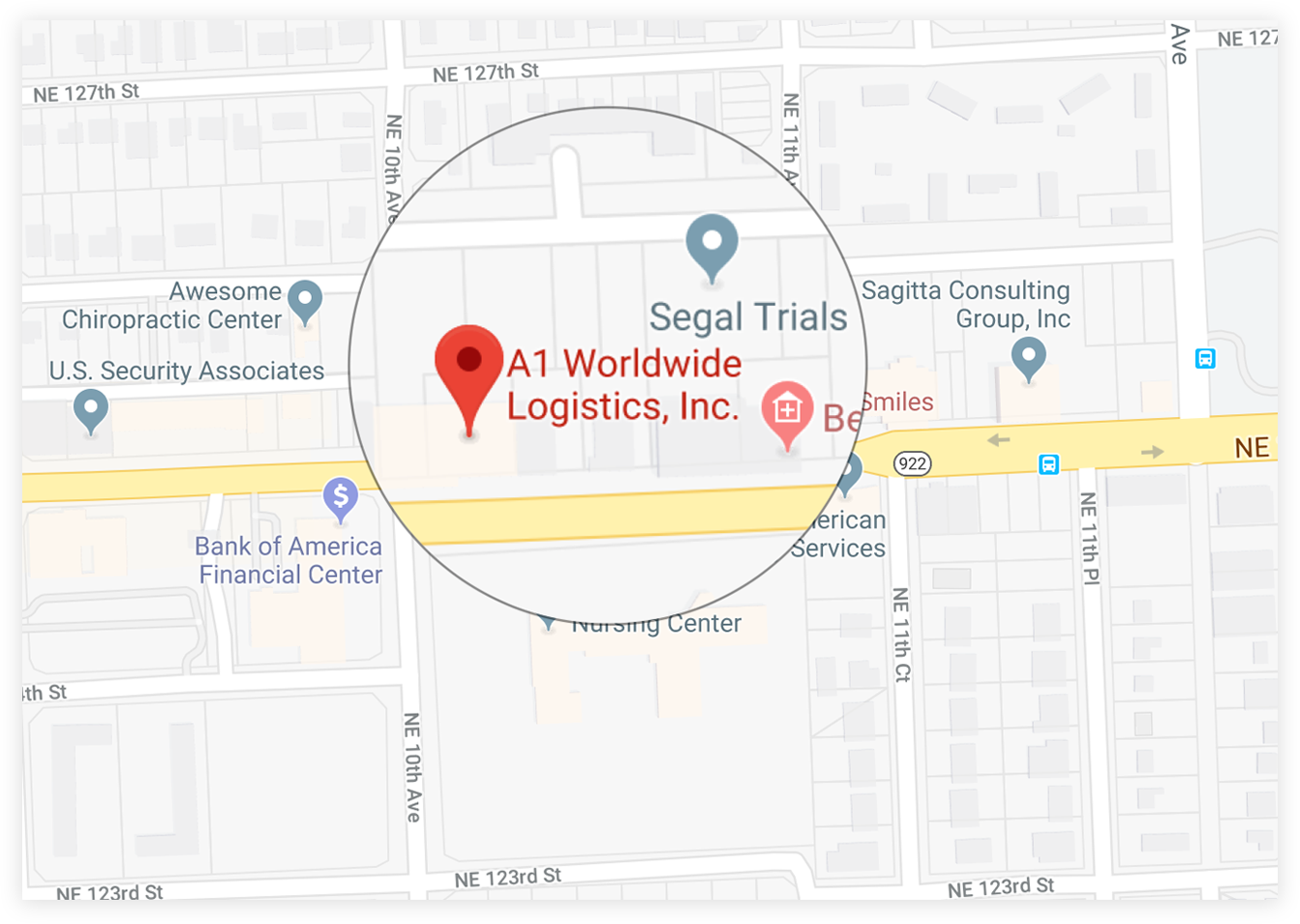
 1035 NE 125th St Suite #320, North Miami, FL 33161.
 a1worldwidelogistics.com
 (305) 821-8995
 Hours: 8AM - 5PM