
by A1 WorldWide Logistics | Jul 18, 2024 | Economic trends, Shipping Logistics, Transportation
Severe weather over the last week has resulted in harsh shipping around Africa. Containerships are halting their journeys around the Cape of Good Hope due to the current conditions. Vessels are currently seeking shelter from more than 30-foot-high waves and high-speed winds. The storms are due to a cyclone that passed through the region over the last few days. Weather reports indicate another hurricane will pass through South Africa later this week. There are reportedly over 600 containerships currently routing around the location that may feel the impact. The amount of traffic, which is still growing, will directly impact international cargo movement.
Why Has The Cape Of Good Hope Increased Traffic?
Since the beginning of 2024, vessels that pass The Cape of Good Hope have been rising. Compared to the 1,800 ships that passed through the location in December of 2023, that number was 2,728 by February. By May 2024, maritime trade around the region increased by over 125%. The reason for the surge is due to the ongoing Israel-Hamas conflict that has been present over the last year. Nearby Houthi attacks around the Red Sea are causing ships to reroute their directions from the Suez Canal. Since approximately 30% of the world’s container volume passes through the Suez Canal, rerouting sends massive traffic to other locations.
One of the central locations that the ships rerouted to is the Cape of Good Hope. While longer and more costly, this route had more significant perceived safety advantages for shippers. Particularly for shipping between ports in Europe, Asia, and the U.S. East Coast. This was before the extreme weather, which had already taken its toll on vessels passing through. Along with ships having to halt, dozens of containers are falling overboard and damaged by the storms. Transits across the cape have returned on July 10th after a three-day pause from July 7th to July 9th.
What Can Harsh Shipping Around Africa Mean For Shippers?
The high volume of cargo vessels has switched to Africa, which can have significant implications for shippers. A primary concern is that shipping delays will persist. When carriers originating rerouted ships from the Suez Canal, they added an extra 14% days to the journey for some shipments. Having to halt due to a storm can add more delays to the cargo transport. Further congestion from vessel stoppage also adds to transportation time. Adding nearly 3,500 nautical miles on a trip also requires almost $1 million in extra fuel, which may lead to higher costs for the shipper. If the exporter is a business with customers, delays and price increases can look unfavorable to the company.
While the current conditions may seem daunting, they should not stop you from shipping your goods. A shipper should take the necessary steps, however, to prevent any issues like delays from arising. It is essential to be current with any situations that can affect your supply chain and act accordingly. An ideal way to ensure the success of your shipment is by using a freight forwarder. They coordinate the transportation process for the shipper while educating them on the best course of action to take. Reach A1 Worldwide Logistics at 305-440-5156 to speak with a freight forwarder and get assistance moving your cargo internationally.
by A1 WorldWide Logistics | Jul 3, 2024 | Agricultural imports, Importing, Supply Chain
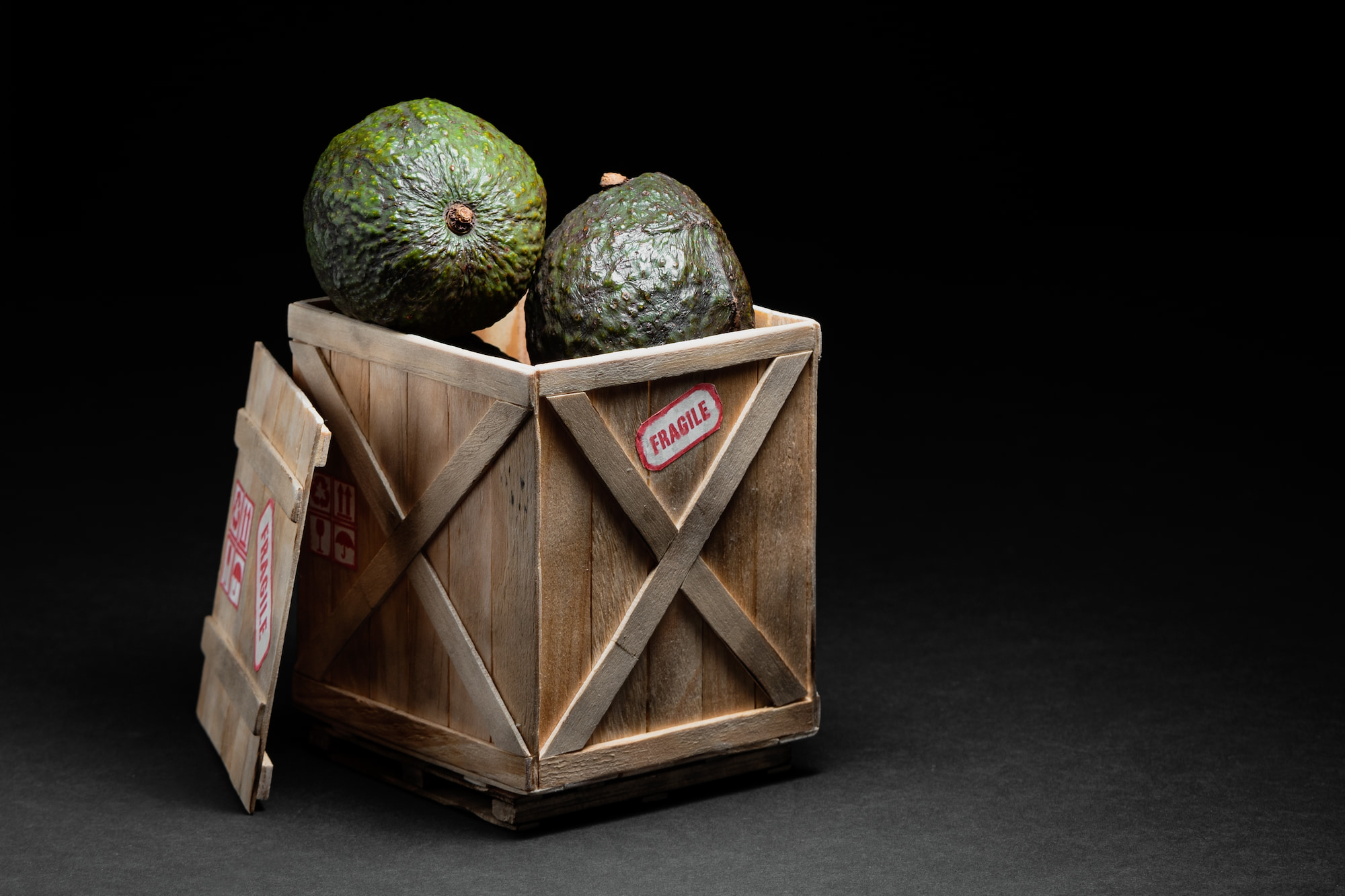
Businesses and individual shippers can benefit from understanding the process for importing avocados into the U.S. Avocados are the most imported fruit in the U.S., making up over 14% of all fruit imports in 2023. Nearly 90% of the avocado imports come from Mexico. However, Peru, Chile, and Colombia are popular alternatives. Approximately 80% of the Mexican avocado imports from the U.S. are from Michoacan. This is because Michoacan is the only region that can export the fruit to the U.S. Despite its popularity, avocados can be challenging to import since they’re perishable. This article will introduce the importation process and what to expect when starting.
What To Know Before Importing Avocados into the U.S.?
Before bringing avocados into the U.S., a shipper must understand that they must follow various rules and regulations. The U.S. Department of Agriculture (USDA) Fruit and Vegetable Division regulates avocado imports and has its smaller departments. For example, the Animal and Plant Health Inspection (APHIS) regulates plant imports to prevent the introduction of diseases and pests. For avocados, they enforce the phytosanitary requirements. All avocado shipments more significant than 55 lbs. must be inspected by the USDA for grade and maturity. The USDA requires that all avocados be grade two before coming in, which has its varietal characteristic. There are also maturity requirements like color, weight, and size to be aware of.
It is essential to understand the risks associated with shipping avocados and how to avoid them. Since avocados are a perishable fruit, they are susceptible to spoiling. Before leaving the place of origin, the exporter should package correctly to prevent exposure to heat or moisture. Packing crates and clean boxes are typically used by shippers to avoid damage and expose them to air. The shipper must set the entire avocado supply chain at a specific temperature before leaving the storage facility and afterward. It is also crucial to understand that there are duties for importing to the U.S. For avocados, the amount is 11.2 cents per kilogram.
What Is The Process?
When the shipper is ready to transport the avocados, they should use a refrigerated carrier to keep them from spoiling. Various methods of conveyance, like air, land, and sea, can bring avocados into the U.S.; however, the temperature must be correct. This is done by using a reefer container for shipping internationally. Paperwork should also be prepared beforehand by the importer. Examples of documentation are:
- Commercial Invoice
- Phytosanitary Certificate
- Bill of Lading or Airway Bill
- Certification of Origin
Once the avocados arrive at the port of entry, CBP and APHIS officials will inspect the shipment to ensure compliance. A customs broker can help in the clearance process by guaranteeing the shipper meets federal requirements. Brokers also provide other services like preparing documentation, paying duties, and classifying products. When customs clears the shipment, the shipper may use a carrier to move the avocados to their final destination.
With all the rules and regulations the U.S. requires for importing avocados, the process can be challenging for inexperienced shippers. Shippers typically use a freight forwarder to handle the shipment. Forwarders are the intermediaries between the shipper and the shipping company coordinating the cargo movement. They make sure that the carrier efficiently transports the avocados. Speak to a freight forwarder and customs broker at 305-425-9456 or info@a1wwl.com to begin importing into the U.S.

by A1 WorldWide Logistics | May 23, 2024 | Economic trends, Importing, Transportation
Recent developments are causing an increase in shipping costs, with container rates still rising since the start of 2024. Carrier companies could soon raise prices to $20,000 for 40ft equivalent units (FEU) by the end of the year. In particular, a surge in Freight All Kind (FAK) rates is not bound to a specific commodity. The Drewry World Container notes an increase of 11% for a 40ft container, bringing the average cost to $3,511. This is a 104% increase compared to the same period last year. The spot rates of specific trade routes’ have also risen by nearly 30% in the past two weeks. With peak season starting in mid-August, the current situation may lead to higher costs and delays in the coming months.
Why Are Container Rates Still Rising?
Different global factors have contributed to the rise in container rates, including the scarcity of available space. Along with the Panama Canal drought and the US-China trade war, the Red Sea crisis significantly adds to the surge. The war near the waterway has caused ships to reroute around the Cape of Good Hope in South Africa. This added nearly 14 days to some shipments, extending transit times and limiting container capacity, raising container costs. Meanwhile, demand for international shipping has reached record levels in Q1 of 2024, nearly up 9.2% compared to Q1 last year. The present market is due to lowering capacity and transit times during the coronavirus pandemic.
Although the international shipping industry has recovered from COVID-19, the impact is still in the minds of shippers. The current scarcity of container space is following the pandemic trend, and many are preparing in advance. Companies are importing more goods now to have inventory and prevent potential delays as the peak season nears. The rise in container rates directly results from the demand and is a GRI (General Rate Increase). GRIs are standardized adjustments by carriers to base rates across shipping routes. With prices rising as the peak season approaches, some may be willing to pay more to secure space.
What Does It Mean For The Shipper?
The hike in rates has a direct impact on shippers that extends beyond having to pay extra costs. Other effects include increasing cancellation of reserved space, new weight limits, and more significant surcharges. While it may be impossible to avoid rising rates, exporters must prepare beforehand to prevent any adverse issues from arising. Shippers have already started looking for alternative methods of conveyance, like air, to prevent delays. They must be current with any news in the international shipping industry. This can include constantly checking news websites or other media sources for information. Understanding your supply chain is also crucial in making informed decisions.
Despite the current rising costs, shippers still must move cargo internationally. However, they must take the proper steps to ensure the transport of their goods. Another way to prepare is by using the assistance of a freight forwarder to move your cargo. Forwarders act as the middleman between the shipper and the carrier transporting the goods. They have various responsibilities, including finding the best rates for exporters. Along with guiding shippers throughout the process, they assist with the duty payments and documentation on their behalf. Call A1 Worldwide Logistics at 305-425-9456 to communicate with our freight forwarders regarding your shipment.

by A1 WorldWide Logistics | May 16, 2024 | Importing, Shipping Logistics, Transportation
A type of import that can be challenging when starting is importing olive oil to the U.S. The reason is due to the various regulations and procedures that the shipper must follow. Organizations like the FDA (Food and Drug Administration) and CBP (Customs and Borders Protection) dictate these policies. Despite this, the U.S. is the 2nd largest importer of olive oil globally. In 2020, the U.S. had a share of 17.9% of all world imports and brought in over 403 thousand tons. Many benefits of olive oil have caused an uptake in the amount brought in recently, especially for restaurants and retail. With the growing push for healthier nutrition, shippers can benefit from importing olive oil.
What Should You Know About Importing Oil To The U.S.
There are numerous things shippers should know before bringing olive oil into the U.S. It is essential to understand the various regulations for importation. The country of origin also has numerous guidelines a shipper must follow before exporting. The FDA is the U.S.’s primary regulatory body and can be very strict on requirements. Examples of FDA prerequisites include a food facility registration, Foreign Supplier Verification Program (FSVP), prior notice of import, etc. The FDA also mandates that olive oil ships from an approved region follow safety standards and be labeled correctly. Failure to follow requirements can result in a delay or rejection of your import.
Along with the FDA, a shipper must adhere to regulations the CBP sets. The CBP is in charge of enforcing trade laws for the U.S., ensuring importers comply. This is to prevent any dangerous or prohibited cargo from entering the country. Additionally, the CBP ensures that import duties are issued and collected upon entry. Duties on olive oil shipments are based on the value of shipments. The blend of olive oil, such as virgin, extra virgin, and certified organic, also determines duties. The CBP may also require that the shipper obtain a customs bond in oil shipments valued at or over $2500.
What Is The Process For Importation
Before leaving the country of origin, the shipper must ensure that the cargo has the proper product labeling. Labeling includes crucial information like expiration dates, specifications, quality certificates, etc. The importer must also prepare the documentation beforehand to prevent holdups and delays. Some of the documents for importation include:
- Bill of Lading or Airway Bill
- Commercial Invoice
- Arrival Notice
- Certificate of Origin
Olive oil also requires other certificates like the Phytosanitary Certificate and the Certificate of Analysis. Two primary ways that olive oil ships internationally are by air and sea. Using the assistance of a freight forwarder can help find a suitable carrier regardless of the conveyance method. Once the shipment reaches the U.S., the CBP (U.S. Customs and Border Protection) will stop and inspect the shipment. When customs releases the shipment, you can move it to the final destination by trucking service.
The process of importing olive oil into the U.S. can be complex and could take more steps than the ones described in the article. Having assistance from a freight forwarder and customs broker can help streamline the process. A1 Worldwide Logistics has both services and more to ensure the success of your shipment. Reach us at 305-821-8995 to begin importing into the U.S. from anywhere internationally. Whether you bring in olive oil or any other commodity, we guide you through the process.
by A1 WorldWide Logistics | May 15, 2024 | Economic trends, Shipping Logistics, Supply Chain
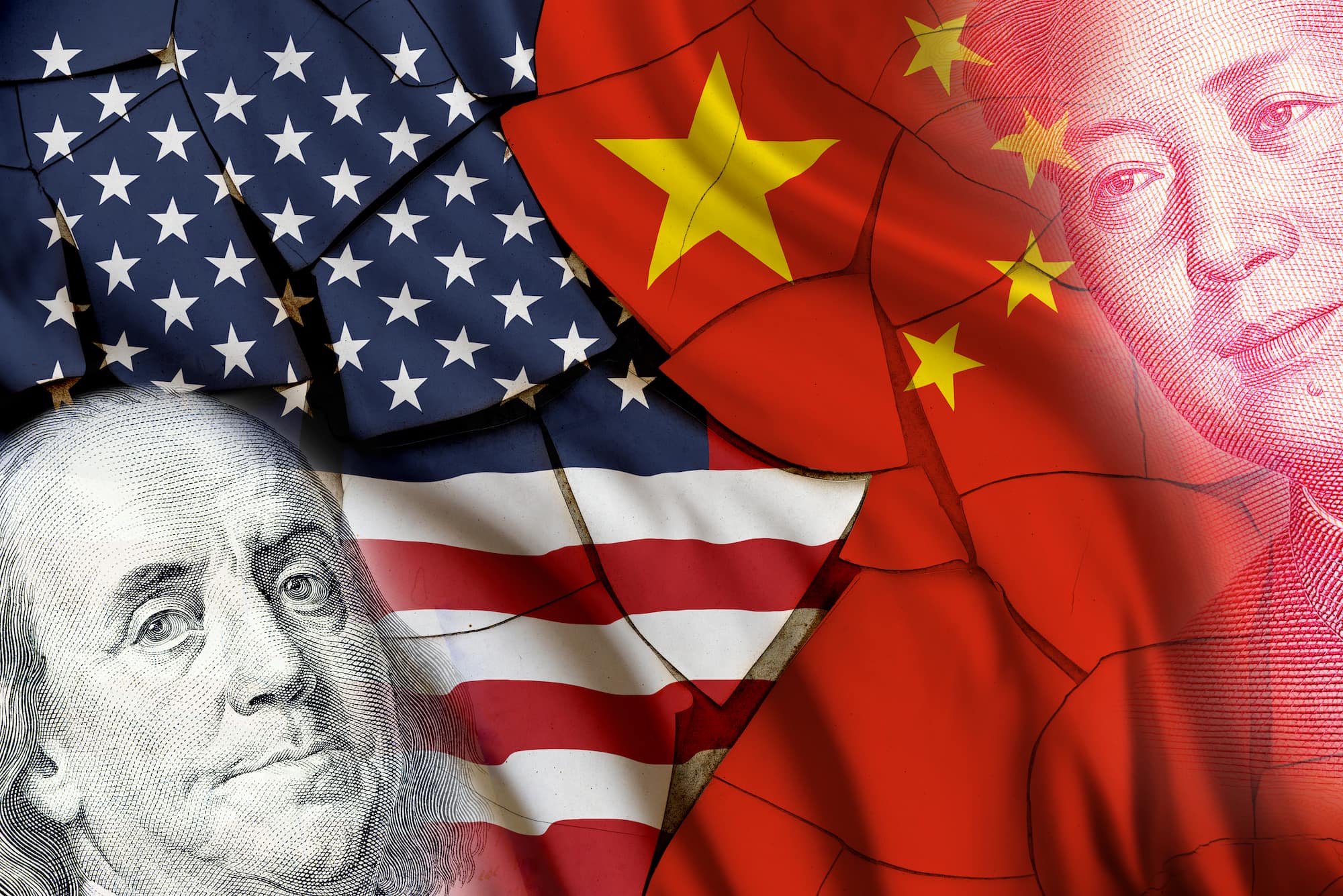
On May 14th, 2024, the USTR Announced strategic adjustments to Section 301 tariffs following a four-year review. U.S. trade representative Katherine Tai initially backed the retention of the Section 301 tariffs for Chinese products. However, there has been a recent strain on U.S. commerce. Due to this, President Biden supervised Tai in either revising or introducing new tariffs. The revisions are a way to counteract the current policy changes introduced by the People’s Republic of China (PRC). China has given signals that it will soon retaliate against the tariff adjustments. The Chinese government stated that the tariff changes will, “seriously affect the atmosphere of bilateral cooperation.”
The key commodities affected by the changes include:
Battery part – Rate increase to 25% in 2024
Electric Vehicles – Rate increase to 100% in 2024
Facemasks – Rate increase to 25% in 2024
Lithium-ion Electrical Vehicle Batteries – Rate increase to 25% in 2024
Lithium-ion Non Electrical Vehicle Batteries – Rate increase to 25% in 2026
Medical Gloves – Rate increase to 25% in 2026
Natural Graphite – Rate increase to 25% in 2026
Other Critical Minerals – Rate increase to 25% in 2026
Permanent Magnets – Rate increase to 25% in 2026
Semiconductors – Rate increase to 50% in 2025
Ship to Shore Cranes – Rate increase to 25% in 2024
Solar Cells (Whether or Not Assembled Into Modules) – Rate increase to 50% in 2024
Steel and Aluminum Products – Rate increase to 25% in 2024
Syringes and Needles – Rate increase to 50% in 2024
The USTR will issue a Federal Register notice regarding the adjustments that will outline the exclusion process and give the protocol for public comments on the tariff adjustments. A1 Worldwide Logistics is closely monitoring the changes and is prepared to guide you through the current situation. We offer solutions for adapting to the tariff increase and ensure the best course of action for the shipment. Contact A1 Worldwide Logistics at 305-425-9456 to navigate the current circumstances and ship your cargo internationally.

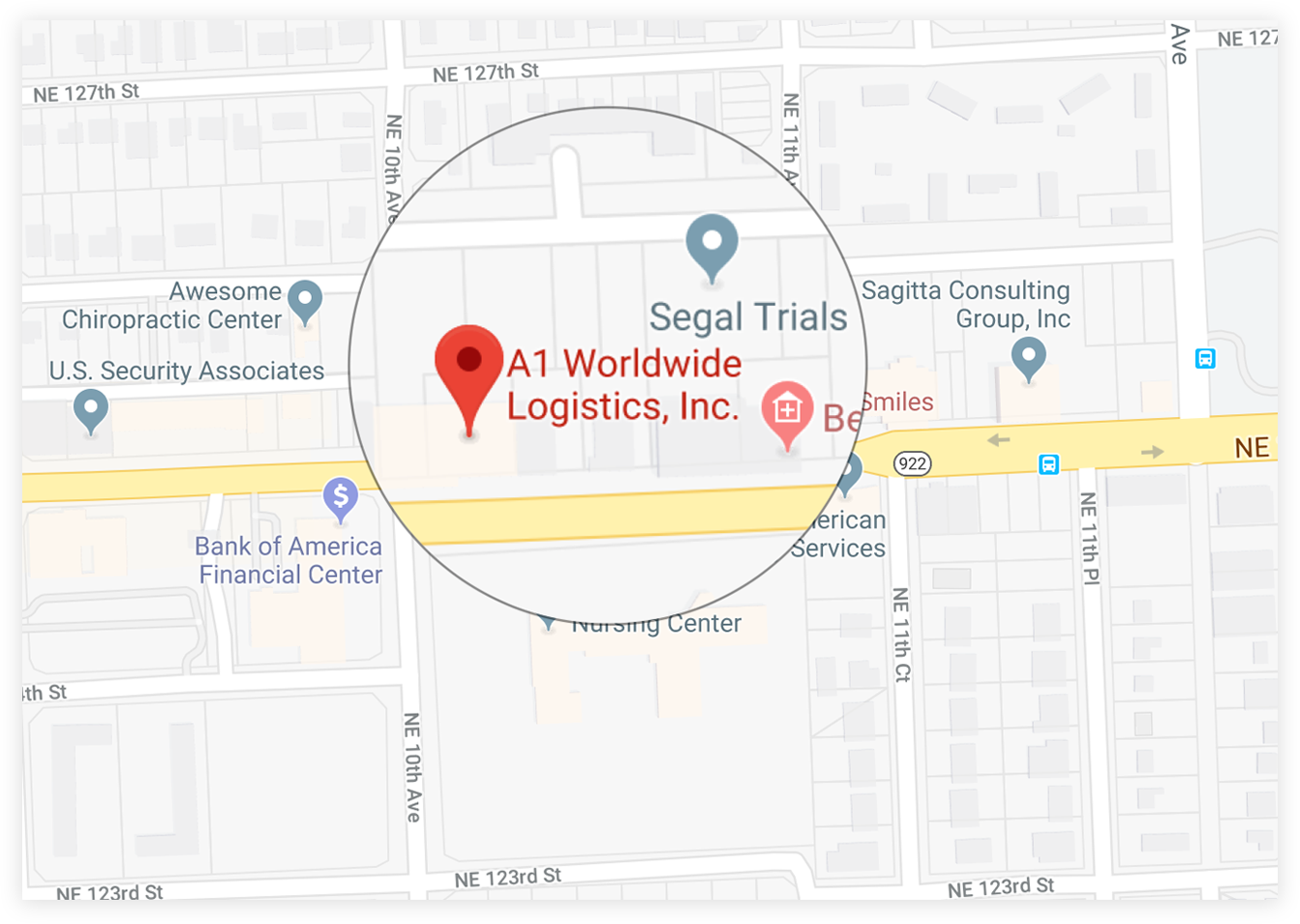
 1035 NE 125th St Suite #320, North Miami, FL 33161.
 a1worldwidelogistics.com
 (305) 821-8995
 Hours: 8AM - 5PM