by A1 WorldWide Logistics | Jul 3, 2025 | Economic trends, Importing, Shipping Logistics
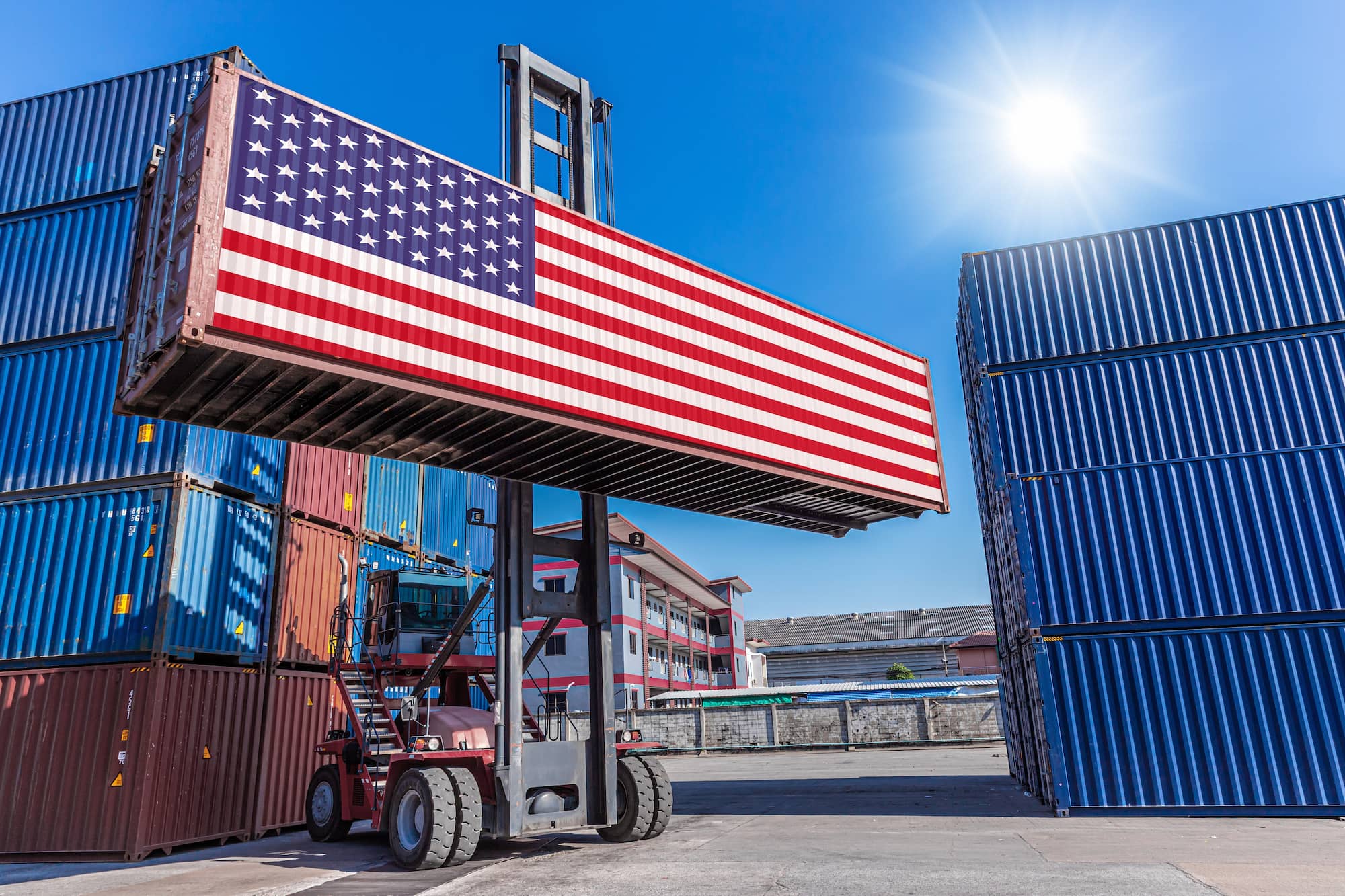
Importers and retailers predict that US imports could soon surge over the next few weeks. Following a 90-day break in the tariff war between the US and China, retailers expect to resume importing. Data from the NRF’s (National Retail Federation) Global Port Tracker recently showed that retailers have been frontloading imports. Along with the temporary reduction on Chinese goods, other scenarios, such as a hold on reciprocal tariffs, have also contributed. Due to the high volume of exports from China, a surge could substantially impact the international shipping industry. This article will explain the reason behind the predicted surge, which could impact importing cargo to the US.
Why Are Retailers Forecasting That US Imports Could Surge Soon?
The potential surge in US imports comes from a slashing of tariffs that would have reached over 100%. In particular, the US lowered taxes on Chinese imports from 145% to 30%, and China reduced tariffs on US imports from 125% to 10%. The reason behind the high levies was due to a trade war between the two countries. When the Trump administration entered office, it began imposing taxes on Chinese goods, citing unfair trade practices. Another goal was to stop the flow of fentanyl into the US. China responded by imposing its taxes, and after several back-and-forth levies, the tariffs rose over 100% for both countries.
The high tariffs resulted in retailers halting and reducing orders. Once President Trump announced an agreement to pause the levies, retailers were motivated to import their paused shipments. With reciprocal tariffs beginning on July 9, shippers have also been importing to avoid the taxes. The surge has also been driven by the peak season for back-to-school shipping and an earlier peak for winter holidays. Despite the potential surge in imports, many believe imports could slow down in the long term. Booking data notes that US imports decreased approximately 22% year-over-year, with Asian lanes falling nearly 44%. The drop in volume could be a response to the reciprocal tariffs.
What Could An Import Surge Mean For The Shipping Industry?
China is the world’s largest shipper and the US’s most significant trading partner. Despite the advantages that an import surge can have for retailers, like avoiding shortages, it can adversely impact international shipping. For example, a higher volume of imports could increase the likelihood of port congestion. Congestion could lead to container backlogs and longer wait times, which increases the chances of demurrage/detention charges. To combat this, importers could begin shipping as soon as possible or switch to land or air conveyance methods. Imports into the US could benefit domestic shipping since there would be a greater need for drayage services.
While lower tariffs can benefit shipping, shippers still must be prepared when moving goods internationally. This can mean looking at news that may impact your shipment and planning beforehand. Failure to prepare can result in delays and financial losses. When importing or exporting from the US, an ideal way to prepare is to contact a freight forwarder. Forwarders are persons or individuals who coordinate freight movement on behalf of the shipper. They achieve this by offering various solutions, including documentation, customs clearance, cargo transport, warehousing, and more. Reach A1 Worldwide Logistics at info@a1wwl.com or 305-425-9752 to speak to a freight forwarder regarding shipping internationally.
by A1 WorldWide Logistics | Jan 8, 2025 | East Coast Protests, Economic trends, Shipping Logistics
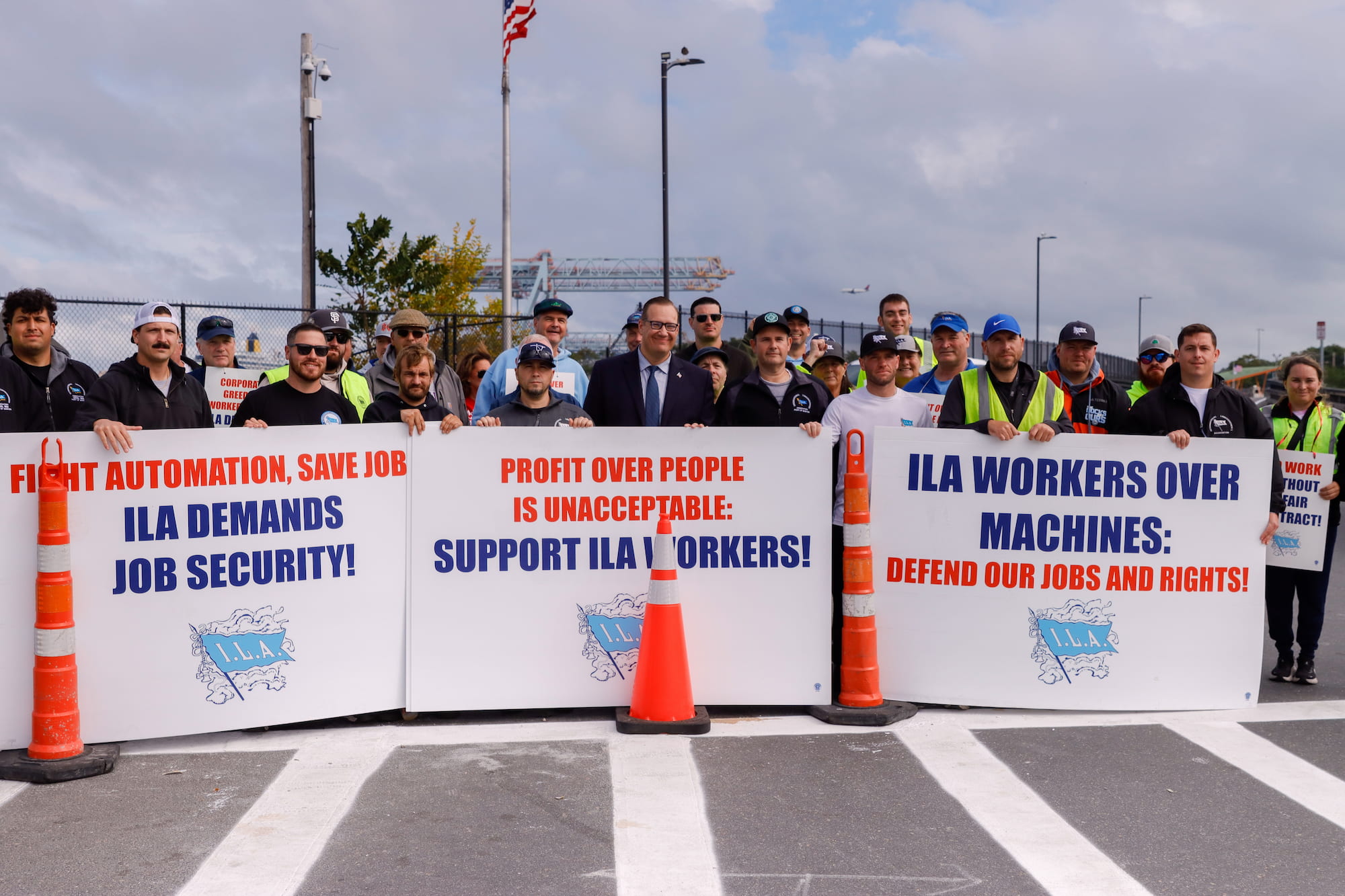
Port labor talks are resuming between employers and dockworkers, with the current contract extension expiring on January 15th. Negotiations between the ILA (International Longshoremen’s Association) and the USMX (United States Maritime Alliance) have stopped since October 2024. The pause was after a strike on October 1st that lasted after three days. A tentative agreement ended the protest by extending the existing contract to January 15th, 2025. The agreement promised an hourly pay increase of 10% in the first year and 62% over the six-year deal. Over the last year, ILA workers have been protesting for higher and against using automation at ports. Specifically, they are fighting for wage hikes like West Coast ILWU dockworkers received in 2022.
During and after the pandemic, international shipping rates surged to incredible amounts. Specific container rates rose from $2,500 to $12,000. From 2020 to 2023, the USMX reportedly made nearly $400 billion. ILA President Harold Daggett noted, “Since COVID, they’re making billions of dollars, but they don’t want to share it.” International shipping companies have already announced container surcharges in the scenario that a strike does occur. They advise customers to retrieve their containers and return empty ones before January 15th. If the parties fail to reach an agreement by the date, associations like the NRF (National Retail Federation) are pushing for another extension.
The Reason Why Port Labor Talks Are Resuming
The reason why negotiations are resuming is to avert a situation similar to October’s port strike. While the October strike only lasted three days, a potentially longer one can have numerous consequences. Analysts approximate that a prolonged strike can result in an economic loss of $0.5 to $5 billion daily. Numerous supply chains rely on the ports, and disruptions can lead to delays and monetary loss. Shippers have already rerouted their shipments to ports away from ports affected by possible protests. The results of the talks are noteworthy, with East and Gulf Coast ports handling significant volumes of U.S. imports.
Automation Is A Primary Concern In The Talks
Although the October 2024 talks ended the strike last year, they did not address the issue of port automation. Automation is a huge concern due to the belief that it threatens the job security of ILA dockworkers. Dennis Daggett, the union’s vice president, stated, “It’s about replacing workers under the guise of progress while maximizing corporate profits.” The ILA also doubts the effectiveness of implementing automated systems and that the cost will outweigh the productive gains. Conversely, the USMX argued that semi-automated cranes are essential for improving efficiency and making U.S. ports competitive globally. Ports in countries like China have increased the volume of cargo movement due to these technologies.
The USMX also believes that automation will create new jobs for handling and maintaining the strategies. President-elect Donald Trump has backed the ILA’s stance against automation, noting that it will hurt American workers. Despite the concern that a potential port strike may cause, it should not stop you from moving your shipment. You should, however, take preventive steps beforehand and be up-to-date with the current situation. Reach A1 Worldwide Logistics at info@a1wwl.com or 305-425-9513 for a quote to move your goods internationally. We find the best action to ensure cargo moves to the final destination.
by A1 WorldWide Logistics | Dec 12, 2024 | East Coast Protests, Importing, Supply Chain
The National Retail Federation (NRF) predicts container imports will increase into the new year and could continue into spring. Data from the NRF’s Global Port Tracker, which tracks America’s biggest importers, notes an increase in the near future. In January 2025, the NRF forecasted 2.2 million TEUs (Twenty-Foot Equivalent) more than January 2024. The surge has already been evident, with imports in October 2024 up approximately 9.3% year-over-year. December projections could see a 14.3% TEU import compared to the previous year. As container imports continue to rise, international shipping could have numerous implications. This article will explain why container importations are increasing and the impact it will have on shippers.
What Are Causing Container Imports To Increase?
Various scenarios, such as threats of port strikes and tariff increases, are leading to a rise in container imports. On October 1st, 2024, approximately 45,000 International Longshoremen’s Association (ILA) dockworkers walked out of ports protesting for better contracts. They are also protesting against the use of automation, which threatens job security. Two days later, the strike ended, with the USMX and ILA agreeing to extend contracts until January 15th, 2025. With the extension date nearly a month away, shippers are importing to avoid any potential protests that could arise. The NRF recently urged the ILA and Port employers to continue negotiations, but there was no response.
Another contributor to the container surge is the new tariff imports that the Trump Administration recently announced. When in office, Trump will impose a 25% tariff increase on all goods entering the U.S. from Canada and Mexico, along with an additional 10% tariff on goods coming from China. Shippers import cargo before the inauguration date to avoid an increase in cost. The NRF advocated that the Trump administration should deploy the tariffs more strategically instead of using a broad-based method. Along with increasing taxes, the hikes could result in higher logistic and customer costs. The new tariffs and the potential of a port strike create a sense of urgency for shippers.
How Will Shippers Be Affected By A Rise In Container Imports?
As container imports into the U.S. continue to rise, international shipping can have numerous implications. A higher volume of containers arriving at a port may increase the chances of port congestion, resulting In delays. In turn, this could lead to supply chain disruptions, with delays leading to potential shortages of products. The cost for shippers, carriers, and customers may also rise as the demand for transportation increases. Despite the possible adverse impact of a rise in imports on shippers, it could benefit domestic shipping. Drayage services for picking up containers from ports could soon see a significant increase in volume.
When shipping internationally, it is essential to understand how a rise in imports can impact your shipment. This allows the shipper to take preventive methods to protect their supply chain from disruptions. Another way that an importer or exporter can prepare is by using the help of a 3PL (third-party logistics.) provider. 3PLs handle various parts of a shipper’s supply chain, including customs clearance, shipping storage, and more. They ensure a shipment’s success by assisting you through the journey and providing the best course of action. Call A1 Worldwide Logistics at 305-425-9513 or email us at info@a1wwl.com to learn about our 3PL solutions.
by A1 WorldWide Logistics | Sep 19, 2024 | East Coast Protests, Shipping Logistics, Supply Chain
As a potential ILA protest approaches on October 1st, a recent impact is the strike lowering spot rates. The International Longshore Association (ILA) Is planning to halt operations next month when their six-year contract terminates on September 30th. Along with higher wages and pensions, the ILA is protesting for better labor conditions and opposing port automation. Ongoing talks between the ILA and the United States Maritime Association (USMX) stopped weeks ago without a contract resolution. A strike could affect international and domestic shipping in various ways, including pausing cargo movement and causing congestion. A potential port stoppage has already impacted shipping with a significant decline in East Coast spot rates.
How Is A potential Strike Lowering Container Rates?
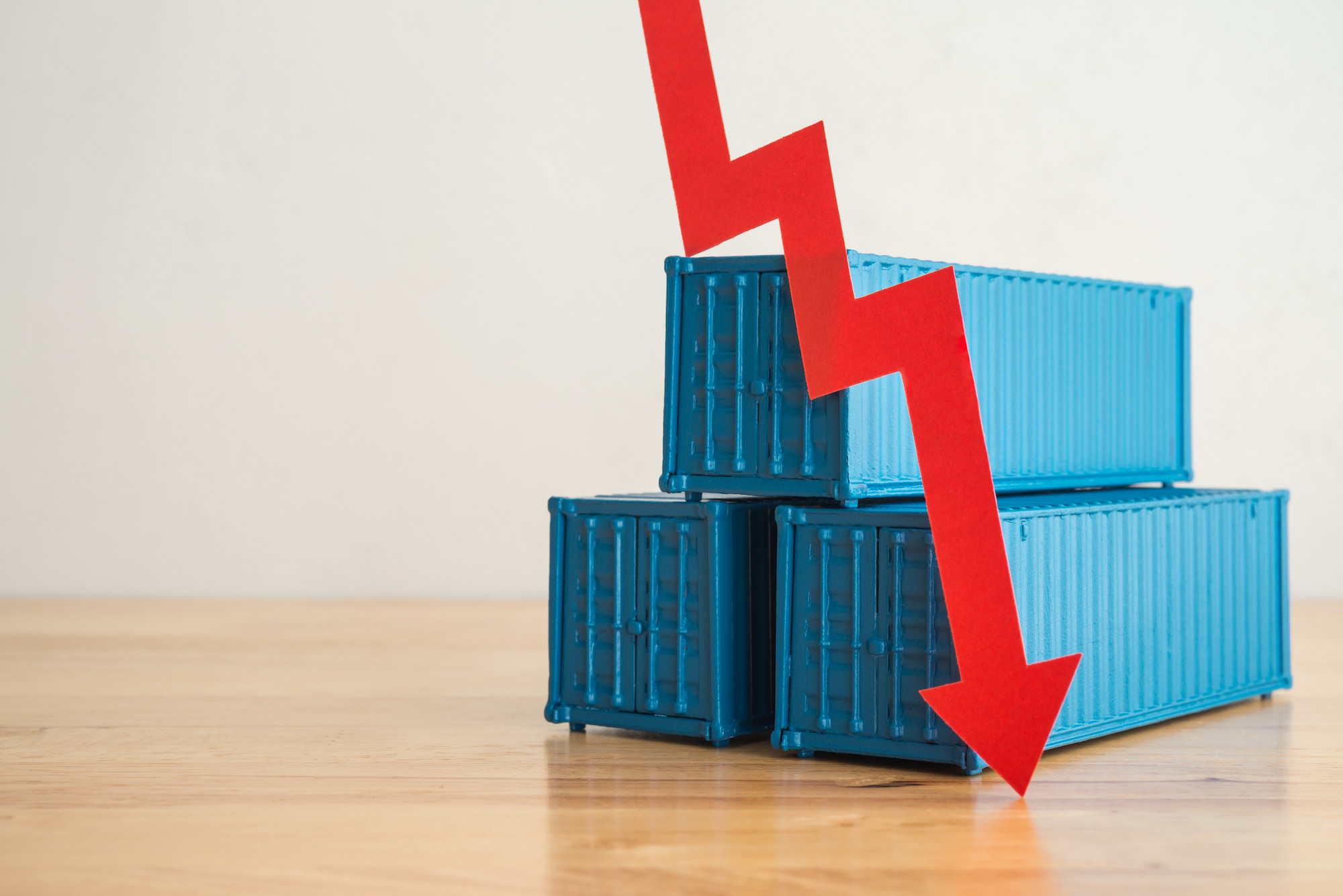
Spot rates for containers going towards East Coast ports have declined due to the potential ILA strike. The Drewry’s World Container Index (WCI) noted a 21% decrease in rates from Shanghai to New York. During the week of September 9-13, the WCI decreased 13% to $4168 per 40ft container. The recent decline is resulting in shippers rerouting to West Coast ports to avoid the strike. As a result, demand for shipping to East Coast ports is decreasing, resulting in lower rates. While this has been the third consecutive week of decline, it is 282% higher than the pre-covid average. The Drewry index expects rates to fall faller in the next few weeks.
Containers going to West Coast ports had the opposite effect, with a one percent increase for 40ft containers. Along with increasing and decreasing rates, rerouting can have other effects, such as congestion due to higher volumes. The Los Angeles and Long Beach Ports are already the busiest in the U.S. regarding volume. An increase in traffic could lead to delays in supply chains for importers and exporters to the U.S. Another way shippers mitigate the impact of a potential strike is by shipping earlier than usual. Some even look for other conveyance methods like air and land to avoid delays.
The White House Will Not Block Potential Strike.
On September 17th, the National Retailers Federation (NRF) sent a letter to the Biden administration regarding stopping the potential strike. The message says, “A strike at this point in time would have a devastating impact on the economy, especially as inflation is on the downward trend.” NRF is a group of 177 trade associates that rely on East and Gulf Coast ports for importing and exporting. Despite the letter from the NRF, the White House replied that it was not intervening in the protest. U.S. presidents may invoke the Taft-Hartley If necessary. This act forces dockworkers back to work for an 80-day cooling-off period if the disputes potentially threaten national security.
Despite not being involved, a White House representative said, “We encourage all parties to remain at the bargaining table and negotiate in good faith.” While lower rates may be attractive to shippers, it is due to a potential protest that can affect international shipping. A way to protect your goods is by using the help of a freight forwarder. A forwarder is the middleman who coordinates cargo movement on behalf of the shipper. They find solutions for navigating situations like port closures. Contact A1 Worldwide Logistics at info@a1wwl.com to speak to a forwarding regarding transporting your shipment internationally.

by A1 WorldWide Logistics | Sep 12, 2024 | East Coast Protests, Economic trends, Shipping Logistics
Threats of an ILA walkout are causing the shipping industry to be concerned with the potential impact of a strike. The International Longshoreman’s Association (ILA) will stop working on October 1st when their six-year contract ends. Along with higher wages, other issues include benefits and automation. Talks with the United States Maritime Alliance (USMX) regarding a new contract addressing these concerns have remained unsuccessful. Despite the ILA’s demands, USMX remains unchanged on their current offer. The ILA’s president, Harold Daggett, recently said in an ILA-released video, “Mark my words, well shut them down.” A strike will impact many supply chains that rely on shipping freight internationally.
What Is The Potential Impact Of A Strike?
Due to the ILA’s size, a potential strike can significantly impact the shipping industry differently. The ILA is a union of 45,000 workers in three dozen ports across the East and West Coast. These ports are responsible for approximately 43% of all imports that come into the U.S. The main effect of a strike will be a halt of cargo movement through the ports. As imports and exports stop moving, containers will begin piling, leading to port congestion. Due to congestion, supply chains transporting cargo internationally could experience massive delays in loading and unloading times. A week-long strike may take over five weeks to clear and may even last until 2025.
The disruption from the strike may also impact shipping costs for importers and exporters. When port closures happen, shipping companies raise freight rates due to limited capacity. As vessels pile up in the ports for unloading, it leads to demurrage and detention fees that goes the shipper. To mitigate the delay, more shippers are rerouting their shipments to West Coast ports. Rerouting may become an issue for West Coast ports since it can cause congestion, leading to delays. Similarly, importers could switch to other conveyance methods like land and air. However, this may lead to other expenditures.
Different Sectors Are Urging the ILA And USMX To Come To An Agreement
Different sectors, like the retail and manufacturing industries, have been mainly concerned with the effect of a strike. These industries are pushing the parties to agree to alleviate a potential multibillion-dollar disruption. With the holiday season quickly approaching, companies have already started taking action. The National Retail Federation (NRF) vice president notes, “Many have taken steps to mitigate the potential impact by bringing in products earlier and frontloading the peak shipping season or by shifting products back to the West Coast.” A fear is that retailers will not be able to stock shelves on time for the holidays. Manufacturers’ assembly lines may also shut down if they do not receive the necessary materials on time.
Other industries, like construction, automotive, and farming, will also feel the impact of a strike. Ports with ILA dockworkers like Houston and Savannah import tons of materials for these industries yearly. On a large scale, the economy will feel the effect, and supply chains globally will also feel the effect. While a potential strike can seem daunting if you are a shipper, it should not stop your cargo’s transport. Reach A1 Worldwide Logistics at info@a1wwl.com or 305-425-9513 for any concerns regarding your shipment. Along with educating you on what to expect, we provide transparency and real-time updates on your cargo’s status.

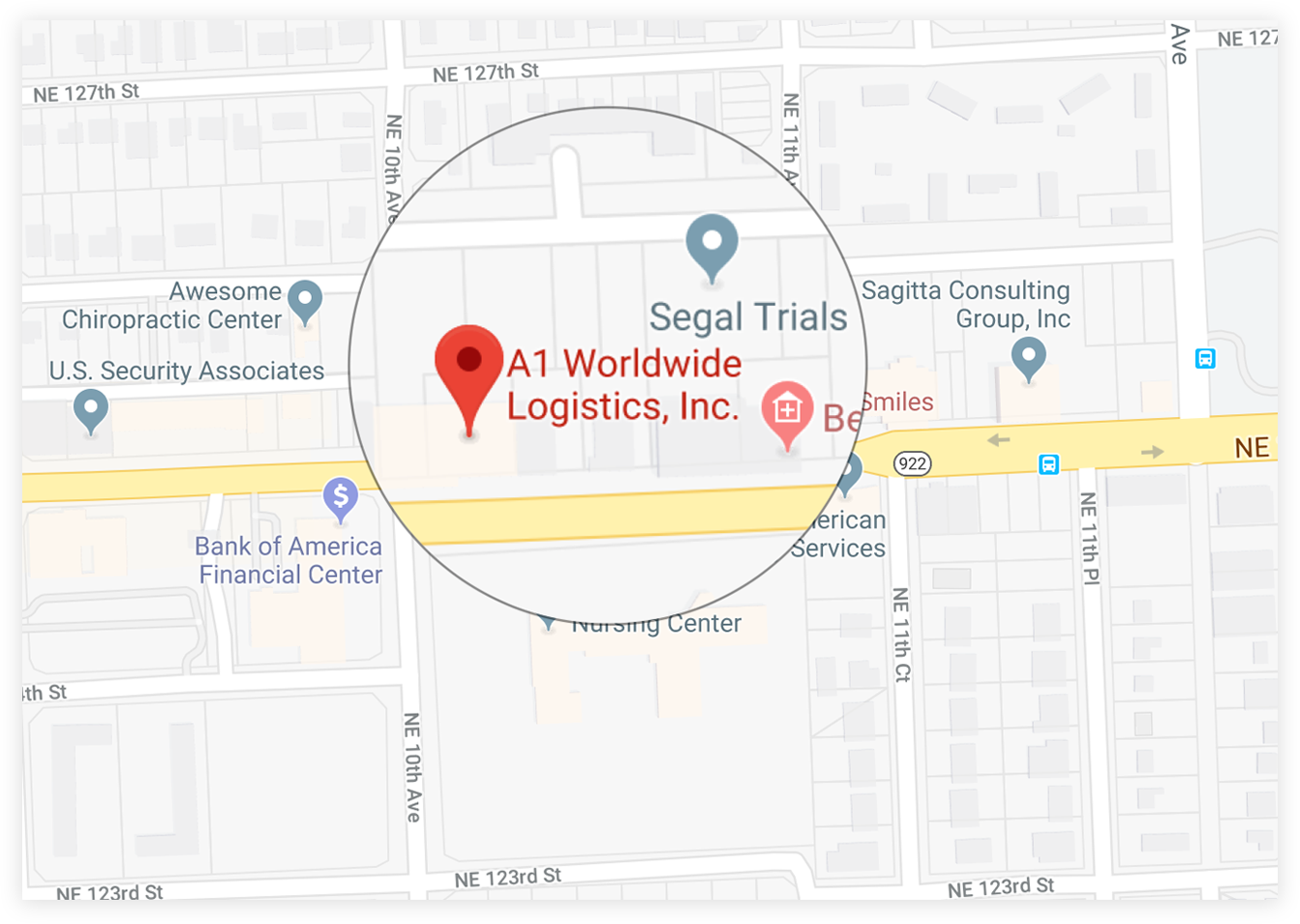
 1035 NE 125th St Suite #320, North Miami, FL 33161.
 a1worldwidelogistics.com
 (305) 821-8995
 Hours: 8AM - 5PM