by A1 WorldWide Logistics | Jan 23, 2026 | Freight, Freight Forwarding, Shipping Logistics
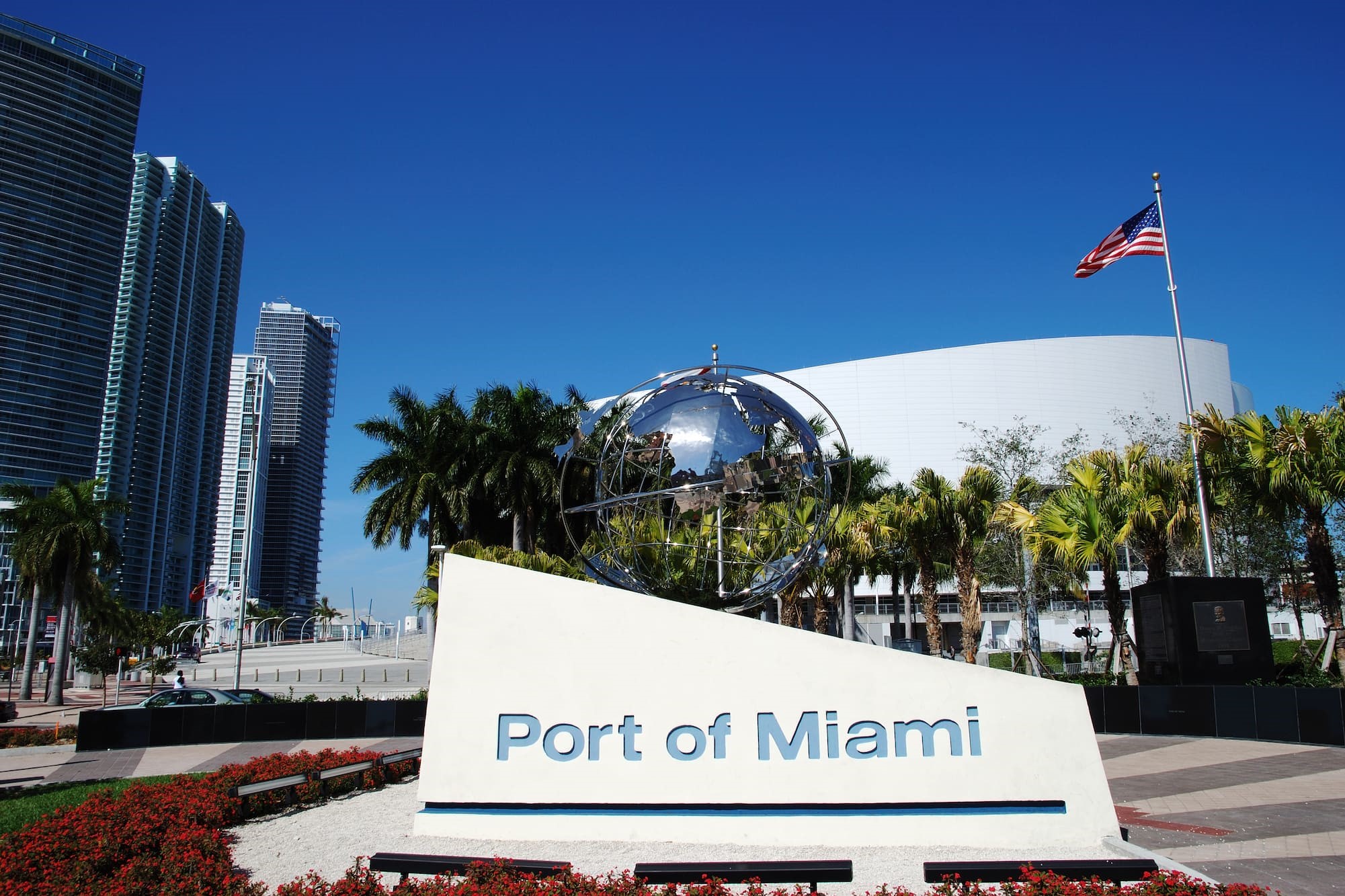
Whether importing into or out of the US, freight forwarding in Miami can be an ideal solution for your shipment. A freight forwarder is a service provider that acts as an intermediary between shippers and carriers. Although they don’t operate the vessel, they handle the shipper’s logistics for transporting the cargo. This can include:
- Assisting with documentation
- Finding carriers to ship domestically and internationally
- Coordinating the customs clearance process
- Providing warehousing services
Forwarders also offer consulting services, guiding shippers through regulations and providing solutions for international shipping.
Why Can Using Freight Forwarding In Miami Be An Excellent Opportunity
As a gateway to the Caribbean and Latin America, Miami is a significant hub for freight forwarding. The Port of Miami is one of the top 10 busiest ports in the US, handling more than 1.1 million TEUs (Twenty-Foot Equivalent Units) annually. Miami is an ideal hub for global shipping due to its proximity to key trade lanes. Its strong logistics infrastructure and multilingual workforce also make it a perfect location for shipping. Both companies and individual shippers benefit from Miami’s location.
A1 Worldwide Logistics
A1 Worldwide Logistics knows the importance of freight forwarding in Miami and is prepared to handle your shipment. We have experts who are committed to going the extra mile to deliver your goods to their final destination. A1 offers services such as customs clearance, domestic shipping, warehousing, and more to ensure a successful shipment. Please speak to our forwarders at info@a1wwl.com or 305-425-9752 to begin moving goods into and out of the US.
by A1 WorldWide Logistics | Feb 7, 2025 | Economic trends, Importing, Transportation
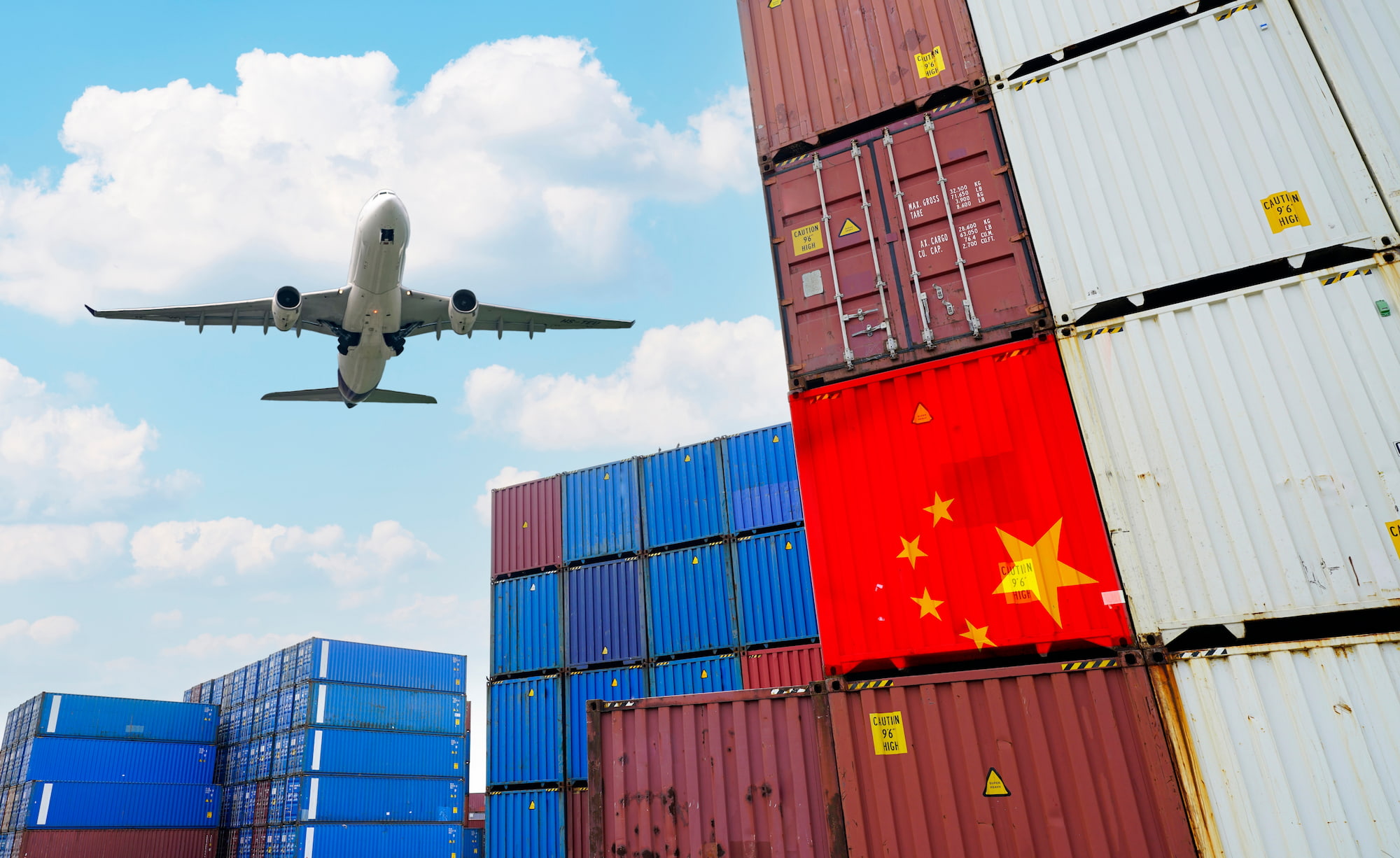
An executive order signed by President Donald Trump could soon see China tariffs impacting air cargo. On February 1st, Trump imposed a 25% tariff on Canada and Mexico imports and a 10% tariff on China imports. The order also eliminated duty-free exemptions for low-value e-commerce goods imported from the countries to the U.S. While Trump has deferred Canada’s and Mexico’s tariffs for a month, China’s hikes will take effect on February 10th. The taxes are to stop illegal immigration and the smuggling of illicit drugs into the U.S. Along with directly affecting international shipping, the tariffs will impact China’s air cargo industry.
How Are the China Tariffs Impacting Air Cargo?
In 2024, China exported approximately $2.62 trillion in goods, making it the largest exporter globally. A significant portion of goods imported into the U.S. are e-commerce shipments from China by air. Nearly 1.3 million tons of e-commerce air imports fall under the duty-free exemption that Trump’s executive order eliminated. The de minimis is a provision that exempts goods $800 or less to a single person per day from taxes. Shippers and online retailers like Temu in China use this to legally avoid import tax on smaller, larger-volume imports. The CBP (Customs Border and Protection) notes that 61% of de minimis entries are from China.
De minimis shipments from China could now have tariffs of up to 35% due to the executive order. Without the de minimis rule, a $50 package bought in Temu may be double the amount due to the fees. Vendors from marketplaces like Temu have built warehouses in the U.S. in the past few years to avoid additional costs. They also have relocated to nearby locations like Vietnam and Thailand to be able to send de minimis shipments. China filed a complaint to the WTO (World Trade Organization) challenging the cancellation of the 10% tariff and duty-free exception. In a country response, China also introduced tariffs of up to 15% on various U.S. goods like coal and oil.
What Can The Tariffs Mean For The Air Cargo Industry?
The tariffs could negatively affect air cargo due to the amount of goods China imports to the U.S. by air. Ending de minimis may significantly reduce airfreight rates as importers decrease the volume of imported goods. Reducing daily de minimis imports could result in overcapacity in the air cargo industry and decline rates. Rates declined during this period due to the Chinese New Year, when demand was lower than usual. A tariff increase will also directly impact customers since sellers could pass on the higher costs.
While the tariffs could impact cargo transport, they should not stop you from importing into the U.S. However, shippers should take the proper steps to mitigate potential disruptions to their supply chains. An ideal way to get started is by speaking to a freight forwarder. Forwarders act as intermediaries between the shipper and the good’s final destination. Along with transporting your cargo, they offer various services like providing documentation, negotiating rates, vetting carriers, warehouses, and more. Contact A1 Worldwide Logistics at 305-425-9752 or info@a1wwl.com to talk to a forwarder regarding moving your goods internationally. Whether you’re shipping by air, sea, or land, we ensure the success of your shipment.
by A1 WorldWide Logistics | Dec 12, 2024 | East Coast Protests, Importing, Supply Chain
The National Retail Federation (NRF) predicts container imports will increase into the new year and could continue into spring. Data from the NRF’s Global Port Tracker, which tracks America’s biggest importers, notes an increase in the near future. In January 2025, the NRF forecasted 2.2 million TEUs (Twenty-Foot Equivalent) more than January 2024. The surge has already been evident, with imports in October 2024 up approximately 9.3% year-over-year. December projections could see a 14.3% TEU import compared to the previous year. As container imports continue to rise, international shipping could have numerous implications. This article will explain why container importations are increasing and the impact it will have on shippers.
What Are Causing Container Imports To Increase?
Various scenarios, such as threats of port strikes and tariff increases, are leading to a rise in container imports. On October 1st, 2024, approximately 45,000 International Longshoremen’s Association (ILA) dockworkers walked out of ports protesting for better contracts. They are also protesting against the use of automation, which threatens job security. Two days later, the strike ended, with the USMX and ILA agreeing to extend contracts until January 15th, 2025. With the extension date nearly a month away, shippers are importing to avoid any potential protests that could arise. The NRF recently urged the ILA and Port employers to continue negotiations, but there was no response.
Another contributor to the container surge is the new tariff imports that the Trump Administration recently announced. When in office, Trump will impose a 25% tariff increase on all goods entering the U.S. from Canada and Mexico, along with an additional 10% tariff on goods coming from China. Shippers import cargo before the inauguration date to avoid an increase in cost. The NRF advocated that the Trump administration should deploy the tariffs more strategically instead of using a broad-based method. Along with increasing taxes, the hikes could result in higher logistic and customer costs. The new tariffs and the potential of a port strike create a sense of urgency for shippers.
How Will Shippers Be Affected By A Rise In Container Imports?
As container imports into the U.S. continue to rise, international shipping can have numerous implications. A higher volume of containers arriving at a port may increase the chances of port congestion, resulting In delays. In turn, this could lead to supply chain disruptions, with delays leading to potential shortages of products. The cost for shippers, carriers, and customers may also rise as the demand for transportation increases. Despite the possible adverse impact of a rise in imports on shippers, it could benefit domestic shipping. Drayage services for picking up containers from ports could soon see a significant increase in volume.
When shipping internationally, it is essential to understand how a rise in imports can impact your shipment. This allows the shipper to take preventive methods to protect their supply chain from disruptions. Another way that an importer or exporter can prepare is by using the help of a 3PL (third-party logistics.) provider. 3PLs handle various parts of a shipper’s supply chain, including customs clearance, shipping storage, and more. They ensure a shipment’s success by assisting you through the journey and providing the best course of action. Call A1 Worldwide Logistics at 305-425-9513 or email us at info@a1wwl.com to learn about our 3PL solutions.

by A1 WorldWide Logistics | Oct 17, 2024 | Economic trends, Shipping Logistics, Supply Chain
Nearly a week after the storm hit Florida, there are numerous reports of Hurricane Milton disrupting supply chains. On Wednesday, October 9th, hurricane Milton landed near Tampa, Florida, resulting in heavy rains and strong winds. Local weather services issued over 125 tornado warnings in various counties nationwide. Along with the damage to infrastructure and economic loss, Milton impacted supply chains for importers and exporters. With Florida being an entry point for supply chains nationwide, the potential ripple effect could be more substantial. While the storm has left Florida, Milton has already done the damage, and shippers are still determining the full impact.
How Is Hurricane Milton Disrupting Supply Chains?
Located between the Gulf of Mexico and the Atlantic Ocean, Florida is known by shippers as a critical freight market. Its strategic location is a gateway for trade between North and South America. An immediate disruption from the storm was the shutdown of ports like Port Tampa. Port Tampa is a significant hub for steel, cement, petroleum, construction aggregates, and foods. As the seaport suspended operations, it created a backlog that could take a while to clear. As a result, ships are diverting to other ports along the Gulf Coast, potentially raising volume and creating congestion. The Gulf Coast ports are still recovering from the aftereffects of the ILA’s (International Longshoremen’s Association) recent strike.
Milton also impacts supply chains in Florida’s agricultural industry by damaging farmlands that produce agriculture. The damage that occurred two weeks ago from Hurricane Helene remains, which may add to it. Importers in other countries could soon experience shortages and price increases from decreased delays in U.S. exports. Perishable cargo imports that are time-sensitive are at risk from port and infrastructure shutdowns resulting from power outages. Along with shipping internationally, Hurricane Milton affected domestic freight movement. Damaged roads and port closures resulted in delays and made it difficult for shippers to move goods by truck. As a result, freight rates may go up from limited capacity.
What Can Shippers Expect When Shipping During a Hurricane?
When importing or exporting during a hurricane, there are many expectations shippers should be aware of. There may be immediate delays in transportation for air, land, and sea cargo from port closures. To avoid potential slowdowns, importers could reroute to alternative ports. However, this can also increase transit times and transport costs. Price increases could come from limited carrier capacity due to paused services. There can also be significant communication challenges between shippers and carriers, such as power outages and telecommunication disruptions. Shippers must plan by staying updated with weather conditions and constantly communicating with the various players in the supply chain.
Understanding what to expect during a hurricane and how to prepare is vital for a shipment’s success. Along with the ways that the article mentions, preparation shippers can also do this by speaking to a 3PL provider. 3PLs (Third-party Logistics) companies handle numerous supply chain functions for the client. Their services include freight forwarding, customs clearance, domestic shipping warehousing, and more. They also provide supply chain consulting to navigate distributions like a hurricane. Contact A1 Worldwide Logistics at info@a1wwl.com or 305-425-9456 for assistance with shipping to and from the U.S. We have ideal solutions for ensuring that your goods reach the final destination regardless of the situation.
by A1 WorldWide Logistics | Sep 12, 2024 | East Coast Protests, Economic trends, Shipping Logistics
Threats of an ILA walkout are causing the shipping industry to be concerned with the potential impact of a strike. The International Longshoreman’s Association (ILA) will stop working on October 1st when their six-year contract ends. Along with higher wages, other issues include benefits and automation. Talks with the United States Maritime Alliance (USMX) regarding a new contract addressing these concerns have remained unsuccessful. Despite the ILA’s demands, USMX remains unchanged on their current offer. The ILA’s president, Harold Daggett, recently said in an ILA-released video, “Mark my words, well shut them down.” A strike will impact many supply chains that rely on shipping freight internationally.
What Is The Potential Impact Of A Strike?
Due to the ILA’s size, a potential strike can significantly impact the shipping industry differently. The ILA is a union of 45,000 workers in three dozen ports across the East and West Coast. These ports are responsible for approximately 43% of all imports that come into the U.S. The main effect of a strike will be a halt of cargo movement through the ports. As imports and exports stop moving, containers will begin piling, leading to port congestion. Due to congestion, supply chains transporting cargo internationally could experience massive delays in loading and unloading times. A week-long strike may take over five weeks to clear and may even last until 2025.
The disruption from the strike may also impact shipping costs for importers and exporters. When port closures happen, shipping companies raise freight rates due to limited capacity. As vessels pile up in the ports for unloading, it leads to demurrage and detention fees that goes the shipper. To mitigate the delay, more shippers are rerouting their shipments to West Coast ports. Rerouting may become an issue for West Coast ports since it can cause congestion, leading to delays. Similarly, importers could switch to other conveyance methods like land and air. However, this may lead to other expenditures.
Different Sectors Are Urging the ILA And USMX To Come To An Agreement
Different sectors, like the retail and manufacturing industries, have been mainly concerned with the effect of a strike. These industries are pushing the parties to agree to alleviate a potential multibillion-dollar disruption. With the holiday season quickly approaching, companies have already started taking action. The National Retail Federation (NRF) vice president notes, “Many have taken steps to mitigate the potential impact by bringing in products earlier and frontloading the peak shipping season or by shifting products back to the West Coast.” A fear is that retailers will not be able to stock shelves on time for the holidays. Manufacturers’ assembly lines may also shut down if they do not receive the necessary materials on time.
Other industries, like construction, automotive, and farming, will also feel the impact of a strike. Ports with ILA dockworkers like Houston and Savannah import tons of materials for these industries yearly. On a large scale, the economy will feel the effect, and supply chains globally will also feel the effect. While a potential strike can seem daunting if you are a shipper, it should not stop your cargo’s transport. Reach A1 Worldwide Logistics at info@a1wwl.com or 305-425-9513 for any concerns regarding your shipment. Along with educating you on what to expect, we provide transparency and real-time updates on your cargo’s status.

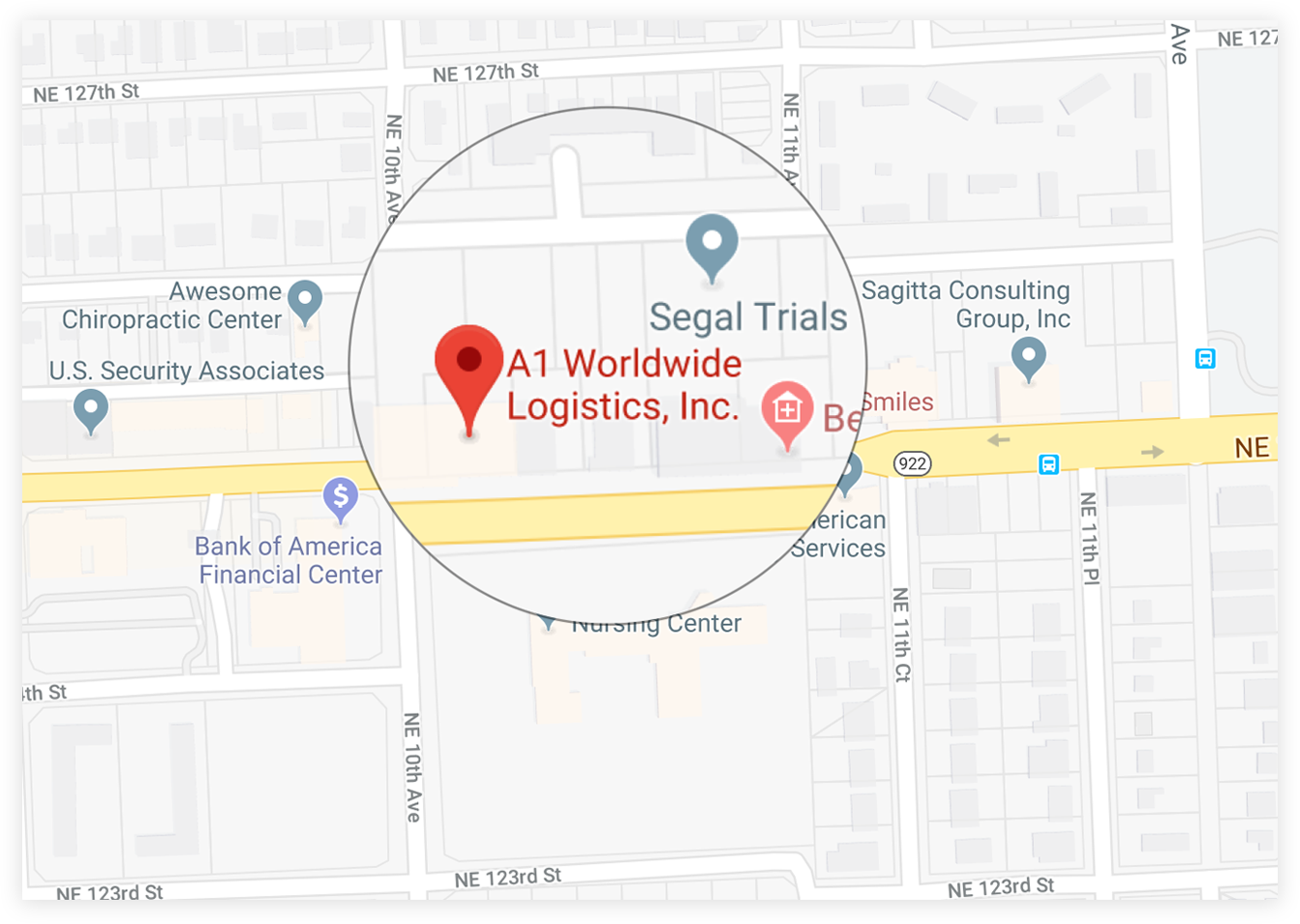
 1035 NE 125th St Suite #320, North Miami, FL 33161.
 a1worldwidelogistics.com
 (305) 821-8995
 Hours: 8AM - 5PM