by A1 WorldWide Logistics | Aug 15, 2024 | 3PL, Economic trends, Supply Chain
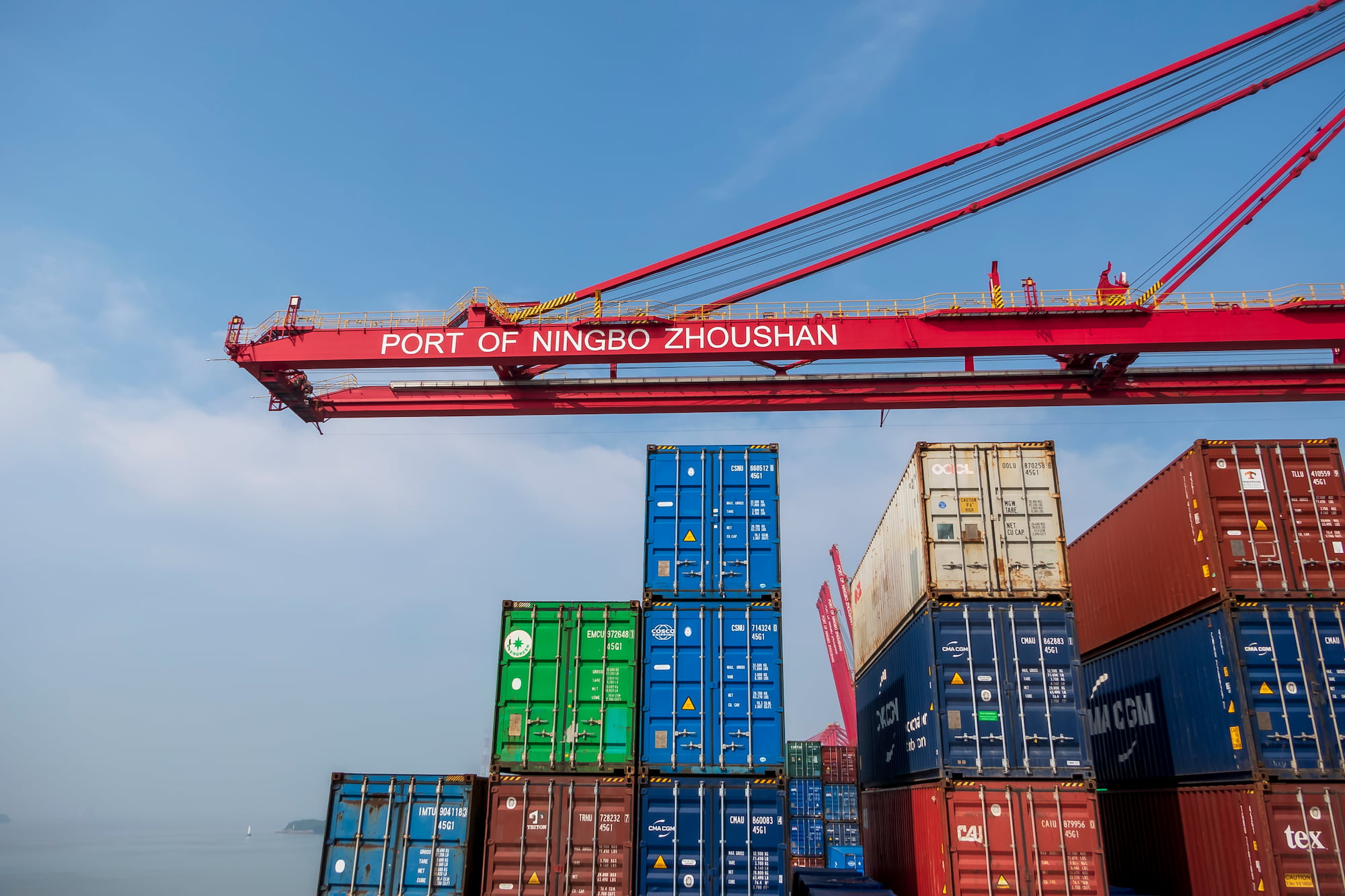
On August 9th, an explosion at Ningbo port halted traffic at the shipping terminal. While a vessel carrying hazardous organic peroxide materials was arriving at Beilun Phase III Terminal, it exploded. The vessel owner has recently reported that the fire is under control, and members on board are safely evacuated. Officials reported no injuries by the blast, but terminal operations are closed until further notice. Ningbo is China’s second largest container port, responsible for more than 100,000 TEUs (twenty-foot equivalents) yearly. In 2023, the port had a volume of 33.35 million TEUs. While the cause of the incident is still under investigation, it may have significant implications for international shipping.
What Does The Explosion At Ningbo Port Mean For Shipping?
Due to the Ningo port’s size, a terminal’s closure may impact many supply chains. The effects could grow with international shipping at the start of the peak season. Peak season is a time of the year when exporters move the most cargo domestically and internationally. A significant consequence of the closure is nearby port congestion resulting from the closed terminal. Port congestion has increased over the past year due to various situations. For example, scenarios like the Iseral-Hamas conflict, the Ukraine-Russia war, and the Baltimore Key bridge collapse grew congestion globally. A typhoon in east China in July 2024 also impacted nearby supply chains.
Another effect of the carrier explosion is that delays in shipments may rise. The delays may not only come from the rerouting of vessels but also from a scarcity of container availability. Trans-Pacific trade lanes moving freight out of Asia may feel most of the impact. Container rates have been rising since the start of 2024 and could continue to surge. Along with the terminal shutdown creating scarcity in available containers, the shipping industry has just entered the peak season. Despite the potential effects, freight analysts believe the situation will not significantly impact the market.
How Can Shippers Prepare?
With the explosion potentially impacting supply chains in international shipping, shippers must be ready. Before deciding to move cargo, exporters must be up to date with any situation that may affect their shipment. Shippers can do this by continuously monitoring news reports for updates. They must prepare for extended delays and deterioration of ocean schedules. Shippers can also prepare by looking for alternative routes or ports to move their cargo. During the Iseral-Hamas conflict, carriers responded to the situation by rerouting through the Cape of Good Hope in South Africa. Another solution is to look for other methods of conveyance, like land or air.
While shipping during disruptions may be daunting, It should not stop you from moving your freight. An ideal way to prepare against any scenario is by getting the assistance of a 3PL (Third Party Logistics) provider. 3PLs offer numerous services for transporting cargo while determining the best course of action for the shipper. They are also with you throughout the shipping process until the goods reach their final destination. Call A1 Worldwide Logistics at 305-440-5156 to speak to a 3PL provider regarding the transport of your cargo. Along with International shipping, we provide solutions like importing, freight forwarding, and more to ensure your supply chain’s success.
by A1 WorldWide Logistics | Aug 1, 2024 | 3PL, Shipping Logistics, Supply Chain
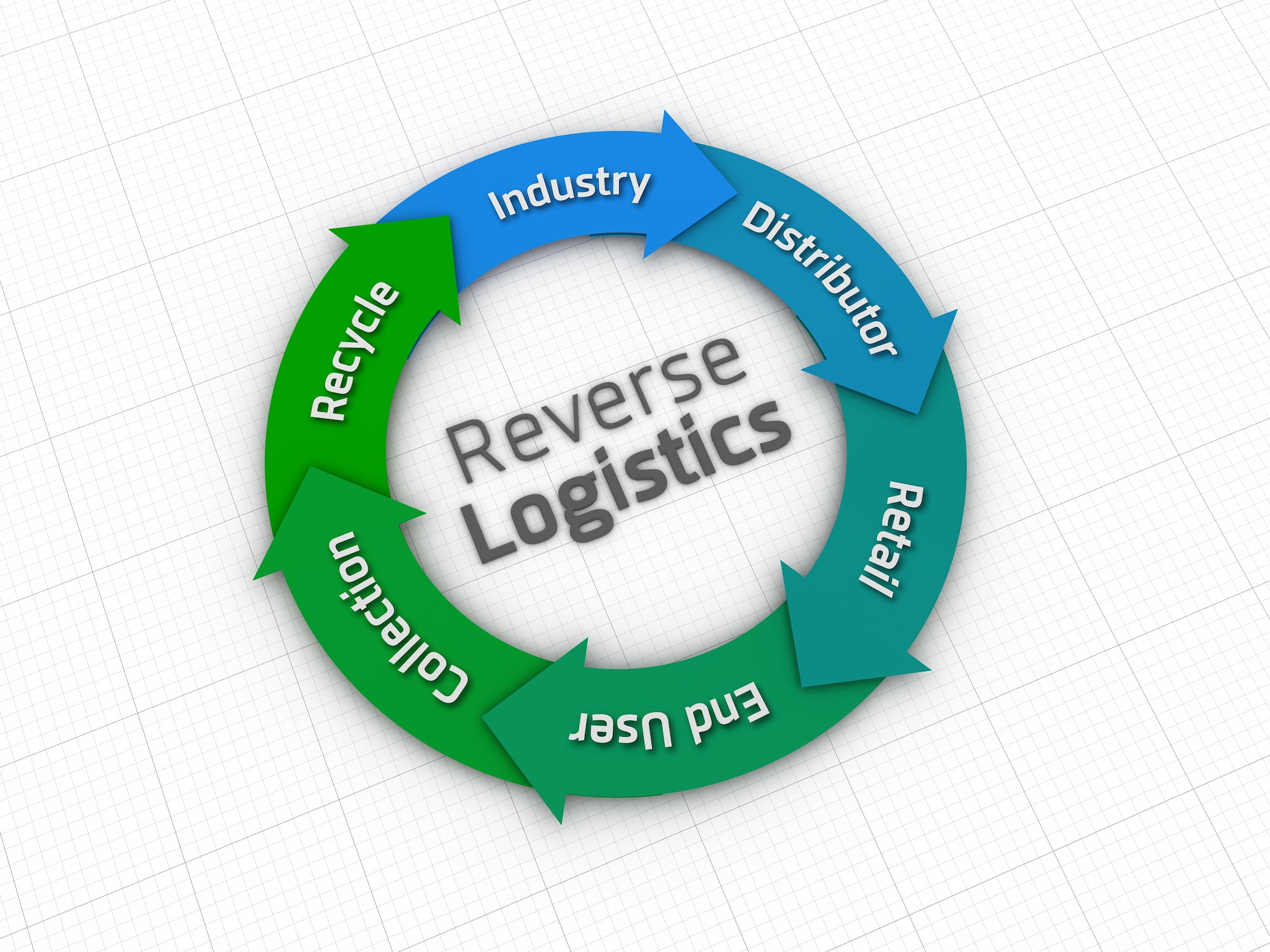
When shipping cargo internationally, it is essential to understand what are reverse logistics. Reverse logistics is the process of returning products from end customers back to the manufacturer or seller. It starts at the end customer and can end at the manufacturer’s warehouse or facility. Similar to the traditional supply chain, it has its challenges and benefits. The recent growth of the e-commerce industry has increased the need for reverse logistics, with product returns becoming more common. Omnichannel retailing, where a business uses multiple connected channels to reach the customer, also increases the importance of returns. Due to its growing popularity, 3PL providers have also adopted reverse logistics in their services.
What Are Reverse Logistics And Why Do Customers Return Cargo?
As previously mentioned, reverse logistics is the supply chain that involves moving the cargo back to the seller. While there are various reasons why reverse logistics occurs, the five primary R’s include:
Returns – One of the most common reasons for reverse logistics is to return cargo. Returns could be for various reasons, including damaged, defective, or goods that fail to meet expectations. The process can involve receiving, testing, inspecting, tracking, etc.
Recalls – A more complex form of return is a cargo recall. Recalls happen when a significant portion of a product is defective or poses a potential hazard. They commonly occur for items like high-tech devices with faulty electronics, and the products may face government regulations.
Repairs – If the damage to the freight the customer is returning is not severe, they may go directly to repairs. The company then identifies the issues, re-manufactures the product, and returns it to stock. For end-of-life products, the company can reuse various functional components.
Replacements – When customers buy an incorrect item, they may want to replace it instead of refunding it. Companies offering this service tend to have advanced fulfillment centers that can quickly pick out and replace the cargo.
Recycling – A more recent use of reverse logistics is for more sustainable practices like recycling. To promote environmental friendliness, customers and companies have placed greater importance on adequately disposing of goods. Various industries have also pushed towards sustainability.
How Is 3PL Used In Reverse Logistics?
Along with the growing importance of reverse logistics, shippers have used 3PL (Third-Party Logistics) providers for these services. Smaller to mid-sized businesses that move goods internationally, in particular, tend to use a 3PL provider for their reverse logistics. The reason is due to the numerous benefits that using a 3PL can offer. For example, they can provide fast and easy returns since 3PLs tend to have a network of carriers and warehouses. This means that the chances of a successful cargo return are high due to the available resources. 3PL providers can also provide expertise and knowledge since their primary purpose is to streamline a supply chain.
Another benefit of 3PLs for reverse logistics services is that it allows for scalability. 3PL providers can scale operations to meet changing demands. Handing reverse logistics services to a 3PL allows a company to focus on other aspects of its business. Contact A1 Worldwide Logistics at 305-425- 9456 or info@a1wwl.com to learn about our logistics services for transporting your shipment. Along with shipping, we provide services like warehousing, importing, trucking, and more to ensure the success of your supply chain.
by A1 WorldWide Logistics | Jul 18, 2024 | Economic trends, Shipping Logistics, Transportation
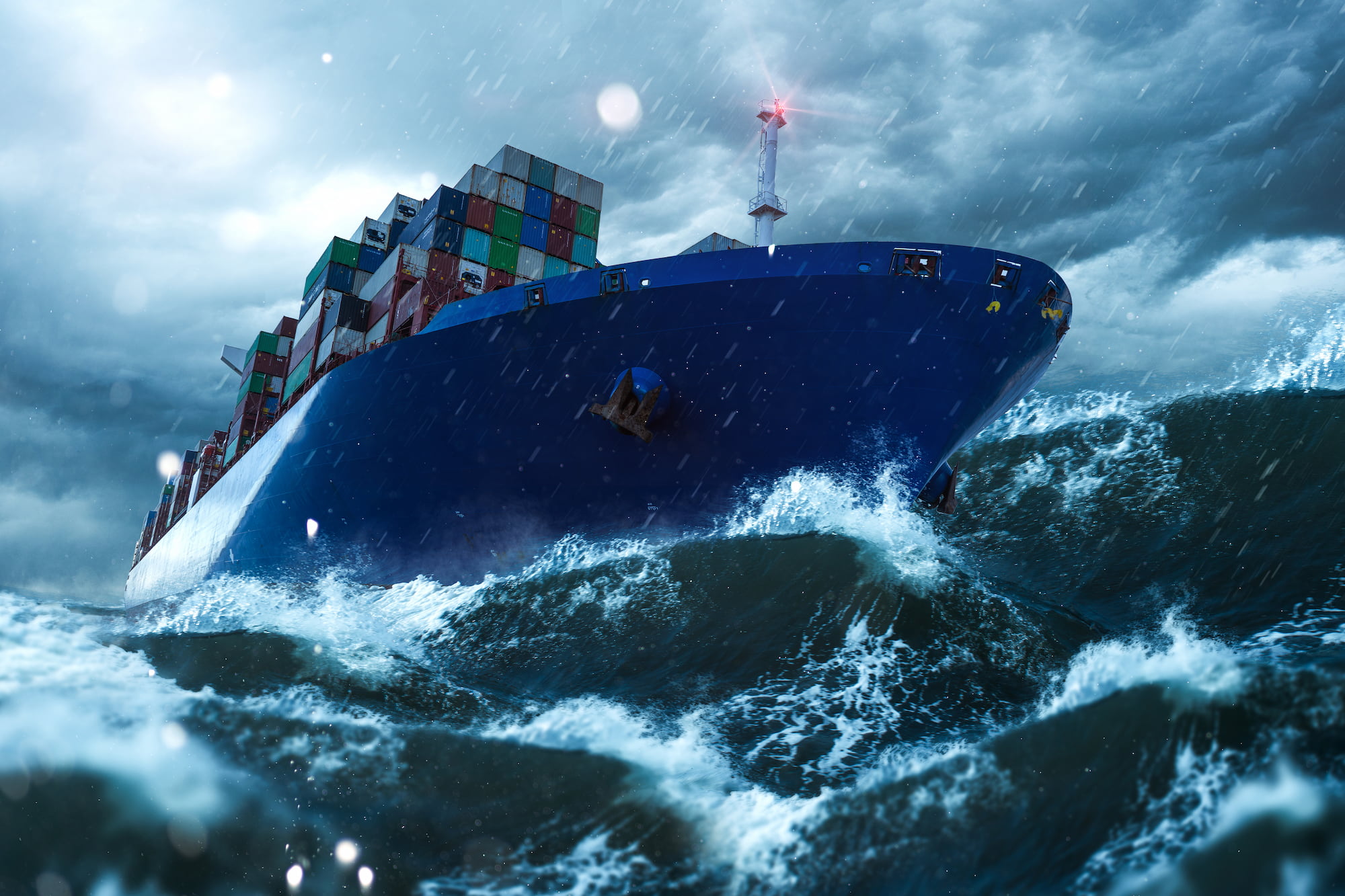
Severe weather over the last week has resulted in harsh shipping around Africa. Containerships are halting their journeys around the Cape of Good Hope due to the current conditions. Vessels are currently seeking shelter from more than 30-foot-high waves and high-speed winds. The storms are due to a cyclone that passed through the region over the last few days. Weather reports indicate another hurricane will pass through South Africa later this week. There are reportedly over 600 containerships currently routing around the location that may feel the impact. The amount of traffic, which is still growing, will directly impact international cargo movement.
Why Has The Cape Of Good Hope Increased Traffic?
Since the beginning of 2024, vessels that pass The Cape of Good Hope have been rising. Compared to the 1,800 ships that passed through the location in December of 2023, that number was 2,728 by February. By May 2024, maritime trade around the region increased by over 125%. The reason for the surge is due to the ongoing Israel-Hamas conflict that has been present over the last year. Nearby Houthi attacks around the Red Sea are causing ships to reroute their directions from the Suez Canal. Since approximately 30% of the world’s container volume passes through the Suez Canal, rerouting sends massive traffic to other locations.
One of the central locations that the ships rerouted to is the Cape of Good Hope. While longer and more costly, this route had more significant perceived safety advantages for shippers. Particularly for shipping between ports in Europe, Asia, and the U.S. East Coast. This was before the extreme weather, which had already taken its toll on vessels passing through. Along with ships having to halt, dozens of containers are falling overboard and damaged by the storms. Transits across the cape have returned on July 10th after a three-day pause from July 7th to July 9th.
What Can Harsh Shipping Around Africa Mean For Shippers?
The high volume of cargo vessels has switched to Africa, which can have significant implications for shippers. A primary concern is that shipping delays will persist. When carriers originating rerouted ships from the Suez Canal, they added an extra 14% days to the journey for some shipments. Having to halt due to a storm can add more delays to the cargo transport. Further congestion from vessel stoppage also adds to transportation time. Adding nearly 3,500 nautical miles on a trip also requires almost $1 million in extra fuel, which may lead to higher costs for the shipper. If the exporter is a business with customers, delays and price increases can look unfavorable to the company.
While the current conditions may seem daunting, they should not stop you from shipping your goods. A shipper should take the necessary steps, however, to prevent any issues like delays from arising. It is essential to be current with any situations that can affect your supply chain and act accordingly. An ideal way to ensure the success of your shipment is by using a freight forwarder. They coordinate the transportation process for the shipper while educating them on the best course of action to take. Reach A1 Worldwide Logistics at 305-440-5156 to speak with a freight forwarder and get assistance moving your cargo internationally.
by A1 WorldWide Logistics | Jul 11, 2024 | 3PL, Supply Chain, Transportation
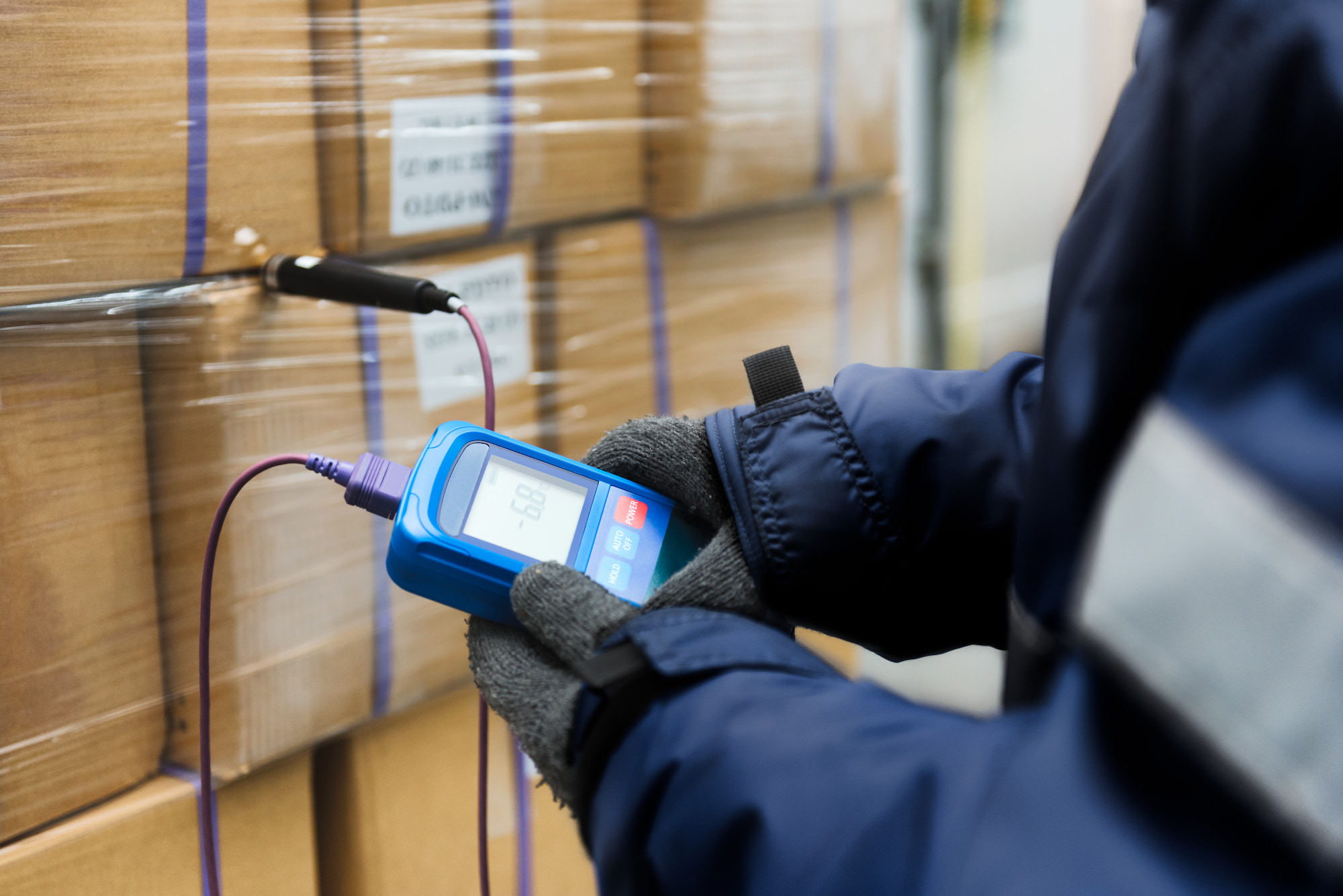
An essential consideration a shipper should make when moving temperature-sensitive cargo is understanding cold chain shipping logistics. A cold chain is a supply chain for transporting freight that has to remain under a specific temperature to prevent damage. These goods include perishable foods, beverages, pharmaceuticals, flowers, chemicals, cosmetics, etc. The process has the parts of a regular supply chain, like transportation and warehousing, but the temperature must remain constant. Cold chains have existed for hundreds of years, but technological advancements helped streamline the potential for more capabilities. While this article will focus on moving shipments internationally, the cold chain can also include domestic cargo transport.
What Are The Main Challenges To Cold Chain Shipping Logistics?
There can be various challenges and things that shippers should be aware of when starting a cold chain. This is due to the numerous components involved in the process. A common challenge is that the cargo has to remain at the same temperature throughout the journey. Even a tiny decimal point fluctuation in temperature can result in spoilage. Fluctuations can be the result of human error or equipment failure. Another challenge is that there are multiple standards and regulations that shippers have to adhere to in a cold chain. Regulators like the Federal Drug and Food Administration (FDA), the Department of Transportation (DOT), the International Air Transport Association, and U.S. Customs set the requirements.
Some regularity requirements include packaging, product stability, temperature transportation, and more. A lack of proper documentation is another issue that the shipper should be aware of. Depending on the type of shipment, the shipper must document data like storage temperature and conditions to prevent errors. Documents also include the paperwork needed for import and export. Failure to provide the correct papers can lead to delays in the shipping process due to holdups at customs. Delays are unfavorable for cold chains, with technologies like dry ice being temperature-sensitive.
What Is The Cold Chain Supply Chain Process?
The cold chain process starts long before the cargo leaves the location of origin. Before exportation, the cargo may be stored in a warehouse facility at the correct temperature to prevent spoilage. The same rule applies to the packaging, which should maintain the quality and prevent contamination before going on the carrier. Refrigerants can include dry ice, gel packs, EPS (expanded polystyrene) panels, and more. Shippers can use various methods of conveyance, like ships, airplanes, and trucks, to move the shipment. However, the transportation method has temperature-controlled systems. Examples include reefers (refrigerated containers) that keep the goods at the correct coldness during the journey.
When the cargo enters the destination port, the paperwork must be correct to prevent holdups. Once customs releases the shipment, a carrier delivers it to a warehouse or another location at the appropriate temperature. Despite the multiple components involved with transporting cold cargo, there can be numerous benefits for businesses and individual shippers. You can ensure the success of your cold chain by starting with the help of a 3PL (Third-party logistics) provider. 3PLs handle various parts of a supply chain, such as transporting, warehousing, and brokering, on behalf of the shipper. Contact A1 Worldwide Logistics at 305-821-8995 or info@a1wwl.com to speak to a 3PL provider regarding your cargo shipment.
by A1 WorldWide Logistics | Jun 20, 2024 | 3PL, Economic trends, Shipping Logistics
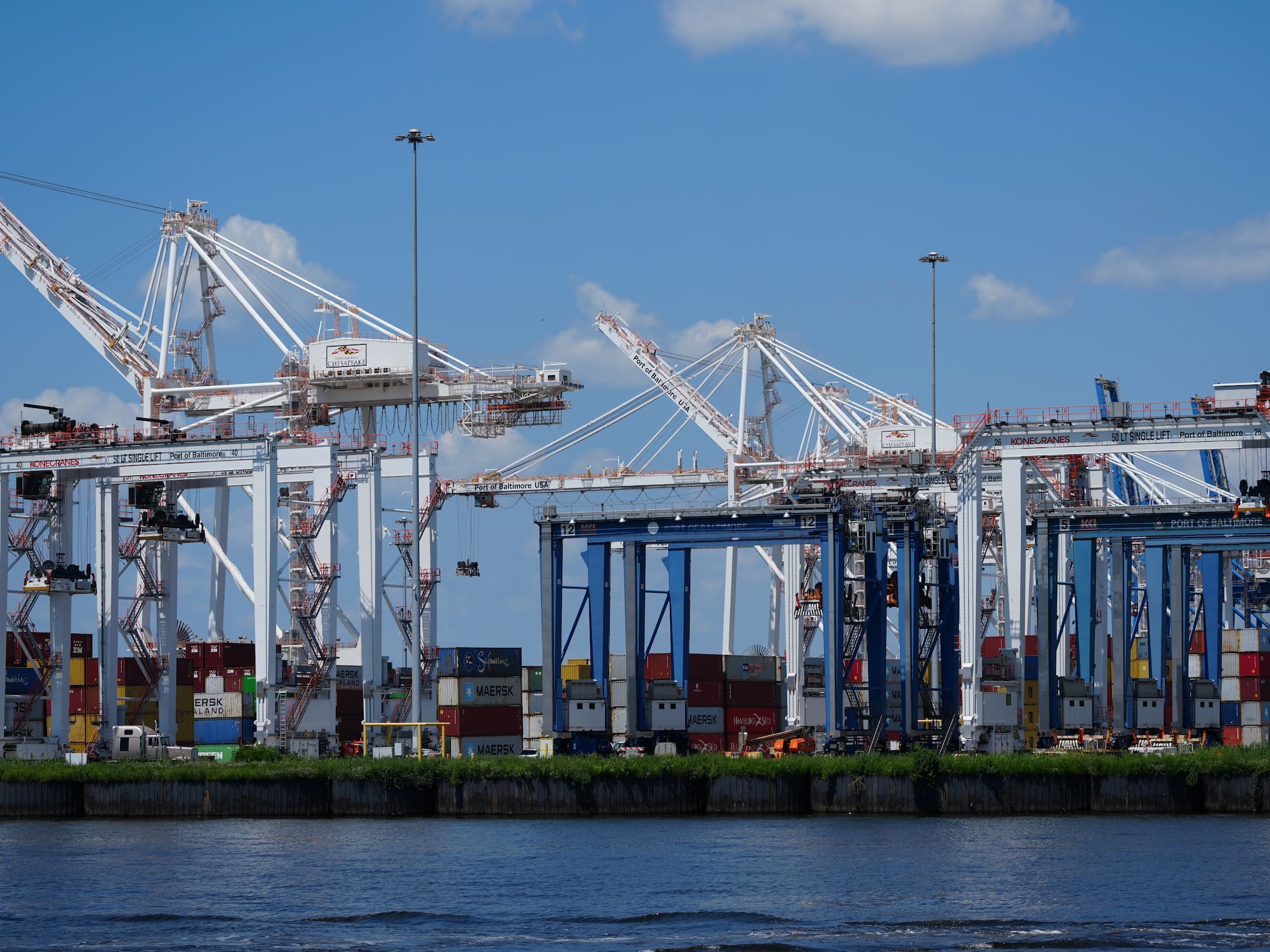
On Wednesday, June 12th, the Port of Baltimore reopened after nearly three months of working at limited capacity. A containership struck the Francis Scott Key Bridge on March 26th, collapsing into the Patapsco River. The bridge collapse resulted in the deaths of six workers and cut off vessel access to the port. Port officials responded by opening temporary alternative channels only for essential vessels and direct responders. Traffic in and out of the main channel was put on halt. The closure of the port led to logistics disruptions for many supply chains. Eleven weeks after the accident, the Fort McHenry channel is now back in regular operations.
How Did The Closing of The Port Affect Shipping?
The Port of Baltimore is known in international shipping as the busiest port in the U.S. in terms of vehicle imports. Along with automobiles, the port is famous for handling sugar, gypsum, construction machinery, and other commodities. Importers and exporters immediately began rerouting their cargo to nearby ports, causing bottlenecks in supply chains. Redirecting shipments also increased delivery time, which was unfavorable for shippers who had to move goods promptly. Congestion in the nearby ports like Savannah, Charleston, and Norfolk also increased due to the traffic moving their way. Some importers have also switched their shipments to West Coast ports, which has posed logistics challenges.
Domestic shipping was also affected by the collapse, with the port being a significant location for RoRo (Roll-On/Roll-Off) operations. Before the accident, approximately 3600 trucks crossed the Francis Scott Key Bridge daily, nearly 1.3 million yearly. Land congestion grew, with the area around the bridge being a significant trade region. This created delays for domestic shipping as well. Along with the cargo movement, the halting of operations also affected the regional economy. Thousands of longshoremen and small businesses have felt the impact of the port closure and bridge collapse. With the port opening up, longshore workers will return to their jobs as operations pick up.
Are Shippers Returning With The Port Of Baltimore Reopened?
When the Baltimore port closed, many regular shippers sought alternative seaports to import their cargo. The monthly general cargo went from almost one million tons in January 2024 to 1,822 tons in April. No importers have reported plans to modify their supply long-term from the closure. The rerouting was more of a short-term plan until operations returned to normal. Shippers that used the Port of Baltimore did so due to its many advantages. Along with its capability to handle numerous cargo types, it’s one of the closest East Coast seaports to Midwestern markets. Traffic has already started to pick up with vessels returning to the port.
Shippers should be aware of many considerations when beginning to move goods internationally. Situations like port closures and other scenarios can deter the shipping process and be unfavorable for the shipper. An ideal way to prepare against any scenario is by getting the assistance of a 3PL (Third Party Logistics) provider. 3PLs offer numerous services for transporting cargo while determining the best course of action for the shipper. Contact A1 Worldwide Logistics at 305-425-9456 or info@a1wwl.com to get started on your shipping journey. Whether it’s the Port of Baltimore or any other port, we help import and export your shipment anywhere globally.

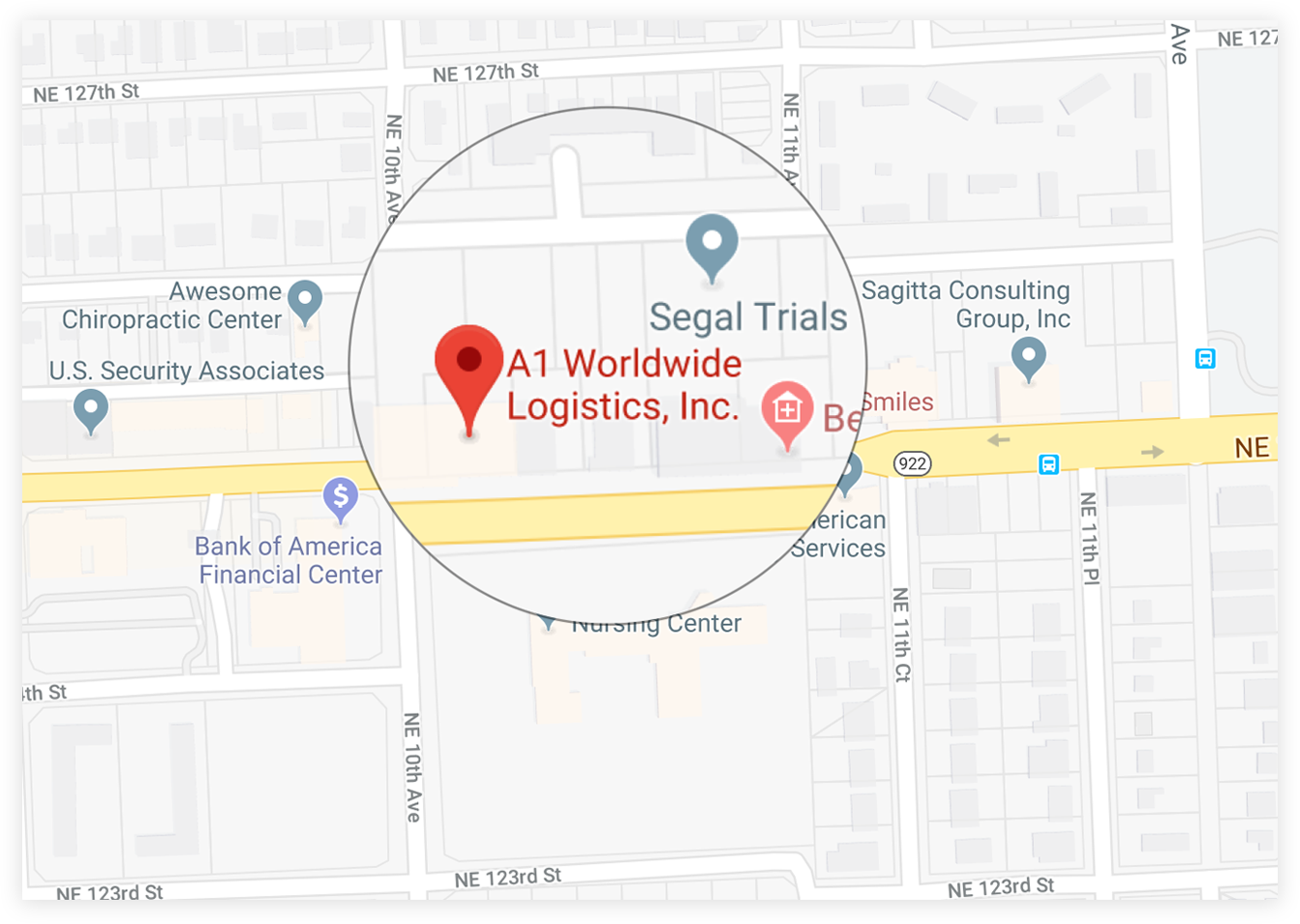
 1035 NE 125th St Suite #320, North Miami, FL 33161.
 a1worldwidelogistics.com
 (305) 821-8995
 Hours: 8AM - 5PM