
by A1 WorldWide Logistics | May 1, 2025 | Economic trends, Importing, Supply Chain
The White House released plans for Trump to ease auto tariffs on U.S. car imports. On April 3, President Trump imposed a 25% tariff on cars and light-duty trucks entering the U.S. The automobile tariff was separate from the 10% duty that the president enforced on all U.S. trading partners. Trump then paused tariffs on automobile imports from Mexico and Canada for one month. The pausing was to give automakers time to prepare before the duties took effect on May 3. President Trump is now announcing plans to provide tariff relief for carmakers. This article will explain the policy changes and how they could impact importers bringing foreign-made cars into the U.S.
How Is Trump Easing Auto Tariffs?
Beginning on May 3, a portion of the automobile and auto part tariff will see a reimbursement of the costs. The new policy states that automakers assembling their vehicles domestically can apply to offset up to 3.75% of tariff fees. Trump’s offset rate was calculated by applying the 25% import duty to 15% of the value of U.S.-assembled vehicles. These costs will be for auto imports that automakers use to assemble cars in the U.S. for one year. The offset rate will fall to 2.5% in the second year before the Trump administration phases it out completely. The Commerce Department will have 30 days to create a process for automakers to provide documentation to obtain the offset.
Trump’s new policy will not conflict with the 25% auto tariff the administration enacted earlier this month. It will also prevent tariffs from stacking on each other, including those on aluminum and steel imports. The goal behind easing the levies is to bring manufacturing back to the U.S. Trump said, “We just wanted to help them during this little transition. If they can’t get parts, we didn’t want to penalize them.” He believes bringing production to the U.S. will stimulate the economy by creating jobs. Analysts predict the opposite effect will happen, and manufacturing costs will rise, hurting the economy.
The Response Of Automakers And Shippers To The Tariffs
Despite the new policy easing auto tariffs for importers, there have been concerns about the long-term impact of the tariffs. Automakers believe bringing business back to the U.S. will be timely and costly. The higher costs could fall on customers purchasing vehicles. Job cuts have already started for automaker companies, bringing production back to the U.S. Companies in the automaking industry have been pushing for leniency from Trump’s tariffs for months. Trump’s policy changes are a response to the concerns of automakers and shippers. While tariffs could negatively impact international shipping, many believe that production may potentially positively affect the movement of goods domestically.
When importing into the U.S., it is essential that you are aware of anything that can affect your shipment. Failure to prepare can result in delays, monetary loss, and cargo loss. One of the best ways to ensure successful importation is by speaking to a customs broker. Customs Brokers are individuals or corporations that facilitate cargo movement through international borders. They do this by ensuring that the shipment complies with the laws and regulations of the country of import. Brokers also provide other services like documentation, calculating duties, filing ISFs, etc. Contact A1 Worldwide Logistics at 305-425-9513 or info@a1wwl.com to speak to a broker regarding the importation of your goods.
by A1 WorldWide Logistics | Apr 24, 2025 | Economic trends, Importing, Shipping Logistics
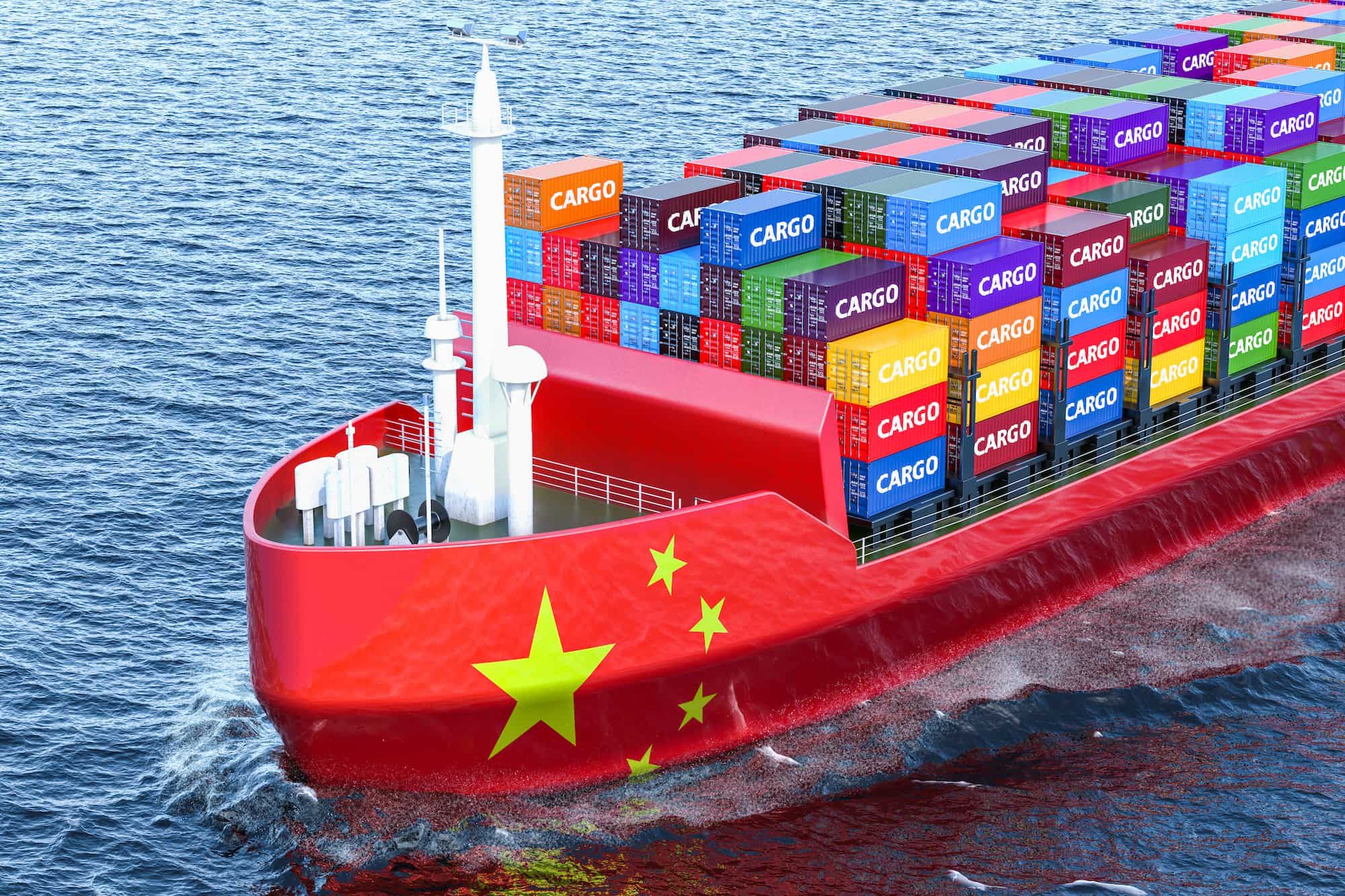
An ongoing trade war remains, with the U.S. imposing fees on Chinese ships docked at U.S. ports. On April 17, the Trump administration announced a long-term multi-phase plan to increase charges on China-built vessels. The USTR (United States Trade Representative) gave a guideline that will start in 180 days from April 17. Afterward, the charge will be $50 per net ton per U.S. voyage. The charge will increase incrementally to five times yearly and be $140 by April 17, 2028. More specifically, Chinese-built carriers will see:
- A fee of $50% per net ton on October 14, 2025.
- A fee of $80% per net ton on April 17, 2026.
- A fee of $110% per net ton on April 17, 2027.
- A fee of $140% per net ton on April 17, 2028.
Why Is the U.S. Imposing Fees on Chinese Ships?
The proposed fees aim to address China’s dominance in global shipbuilding and boost the U.S. maritime industry. While China builds approximately 1,700 commercial ships yearly, the U.S. only builds around five. USTR Ambassador Jamieson Greer noted, “The Trump administration’s actions will begin to reverse Chinese dominance, address threats to the U.S. supply chain, and send a demand signal for U.S.-built ships.” The increase in U.S. vessel building is part of a bigger goal to bring manufacturing back domestically. Similarly, Trump recently released various tariffs to bring production to the U.S. and boost the economy. Similar to the tariffs, the Chinese ship fees have had a backlash from major players in the international shipping industry.
U.S. shippers and importers expressed concerns that the Chinese ship fees would have devastating consequences. Vice president of the AAFA (American Apparel and Footwear Association), Nate Herman, stated, “These measures are driving up shipping costs, shrinking GDP, and reducing U.S. exports.” Initially, the proposal was up to $1.5 million per port call for China-built vessels; however, industry backlash resulted in adjustments. The USTR will phase in these changes over time and consider concerns from shippers and port operators. Specific China-built ships, including ones carrying U.S. government cargo, will be exempted from the fees.
What Can This Mean For International Shipping?
The fees will significantly impact international shipping due to the goods imported into the U.S. from China-built carriers. In 2024, the U.S. imported approximately 13.4% of all imports from China, totaling $438.9 billion. As previously mentioned, shippers could soon see the U.S. import cost rise from the vessel fees. The cost of importing goods into the U.S. has risen due to the tariffs enforced by the Trump administration. Shippers may begin rerouting their supply chains and importing from less costly countries like Japan and Taiwan. Players in the domestic shipping industry believe these fees could disrupt freight markets and lead to operational challenges for trucking.
When shipping cargo internationally, different scenarios can arise that can affect your shipment’s success. Situations like cost increases and tariffs may impact several parts of a supply chain and cause other problems. An ideal way for a shipper to protect their cargo is by speaking to a 3PL (third-party logistics) provider. 3PLs are service providers that offer various services like freight forwarding, customs clearance, domestic shipping, warehousing, and more. They also stay with you throughout the transportation journey until the goods reach their destination. Reach A1 Worldwide Logistics at info@a1wwl.com or 305-425-9513 to learn about our numerous 3PL solutions for your supply chain.
by A1 WorldWide Logistics | Apr 17, 2025 | Economic trends, Importing, Supply Chain
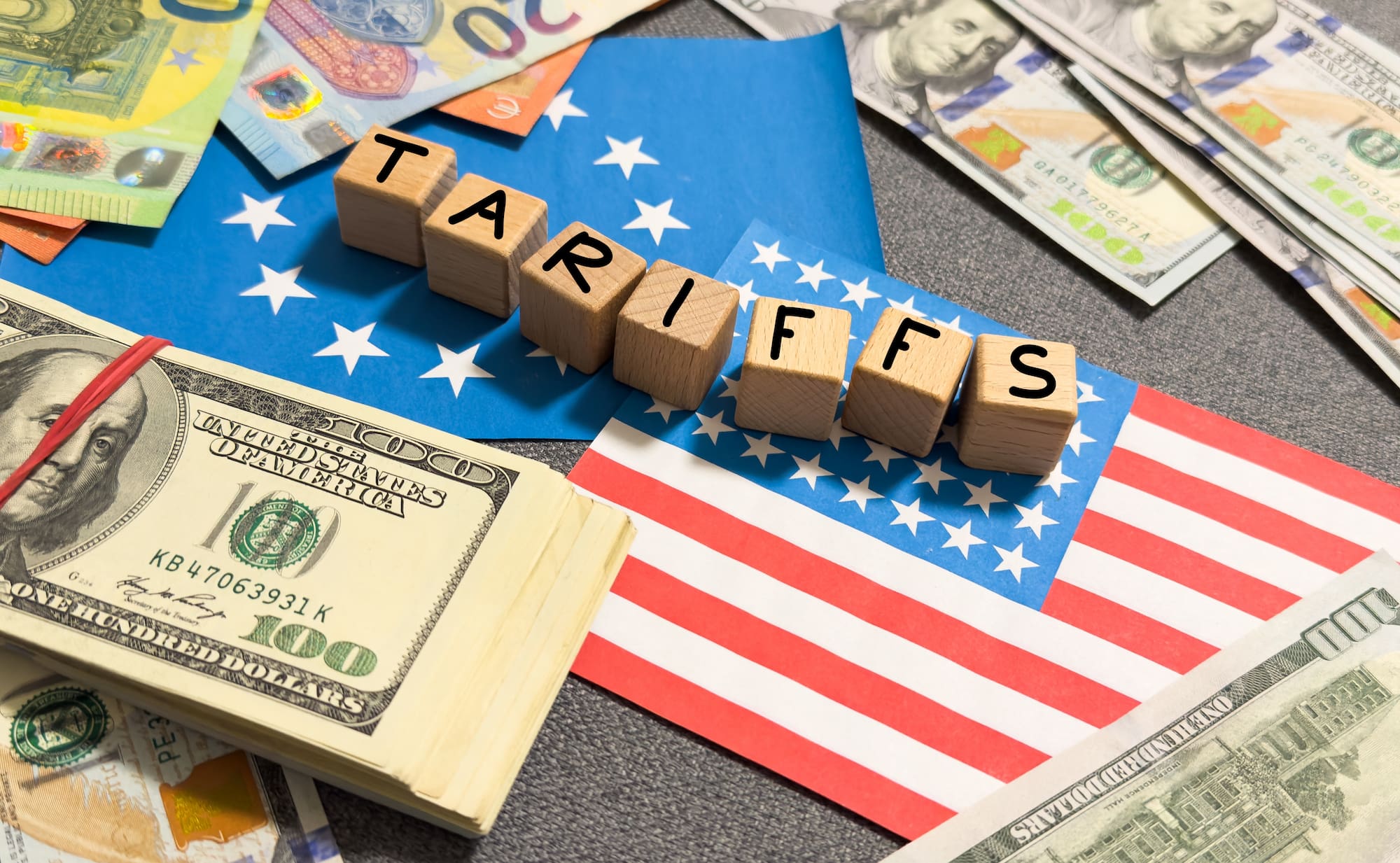
The tariff war continues between the U.S. and its trade partners as President Trump continues announcing threats. For the last few months, Trump has released, paused, or increased tariffs on goods coming into the U.S. Along with levies specific importations like aluminum, it includes country-specific tariffs for the largest trade partners. China, in particular, has been in a trade war with the U.S., leading to tax hikes of over 100% for both countries. More recently, Trump released a fact sheet stating that China “now faces up to a 245% tariff”. With the amount of cargo that comes into the U.S., a trade war could have numerous consequences for international shipping.
Trump Continues Issuing Tariff Threats and Investigations?
Recently, the Trump administration has announced a Section 232 investigation for semiconductor technology imports into the U.S. Section 232 is an examination done by the government to determine the effects of an import on national security. If successful, goods that fall under the semiconductor category, like smartphones, laptops, and other electronics, could soon face tariffs. It is essential to note that Trump has recently temporarily exempted taxes on the electronics the article mentions. Trump has also launched a similar investigation into pharmaceutical imports, which could result in more levies in the near future. Tariffs on pharmaceuticals may lead to higher costs for everyday drugs and potential drug shortages.
President Trump has imposed tariffs over the last few months with numerous aims, including reducing trade imbalances. He recently noted, “We’ve been ripped off for years, and we’re not going to be ripped off anymore.” Trump also wants to bring manufacturing and business back to the U.S., which he believes will boost the economy. Economists think it will have the opposite effect and hurt the economy, potentially leading to a recession. The reasons behind the tariffs are also country-specific. For example, Trump imposed tariffs on Mexican and Canadian imports over a month ago to address illegal immigration. Likewise, taxes were placed on Chinese goods to stop the flow of fentanyl into the U.S.
What Can Shippers Expect As The Tariff War Continues?
When countries issue tariffs on each other rapidly, it can directly impact international shipping. The most significant concern is that costs to import could skyrocket and will be felt on various supply chain parts. Along with impacting the shipper, the prices will fall on the customer, who could soon pay extra for everyday products. For imports from China, shippers may begin looking for other countries to import from like Japan and Vietnam. Global trade could also see a decline in cargo shippers moving internationally. Currently, importers are bringing in a higher cargo volume as many tariffs are on pause to a further date.
As tariffs continue to impact international and domestic shipping, knowing what to expect is increasingly vital. Being current with news that can affect your cargo’s movement is essential in protecting your supply chain. Another way that a shipper can avoid disruptions is by speaking to a freight forwarder. A forwarder is a person or company that coordinates a shipment’s movement on behalf of the shipper. They do this by offering numerous supply chain solutions like transportation, customs clearance, documentation, warehousing, etc. Contact A1 Worldwide Logistics at info@a1wwl.com to speak to a forwarder regarding importing and exporting from the U.S.
by A1 WorldWide Logistics | Apr 10, 2025 | Economic trends, Importing, Shipping Logistics
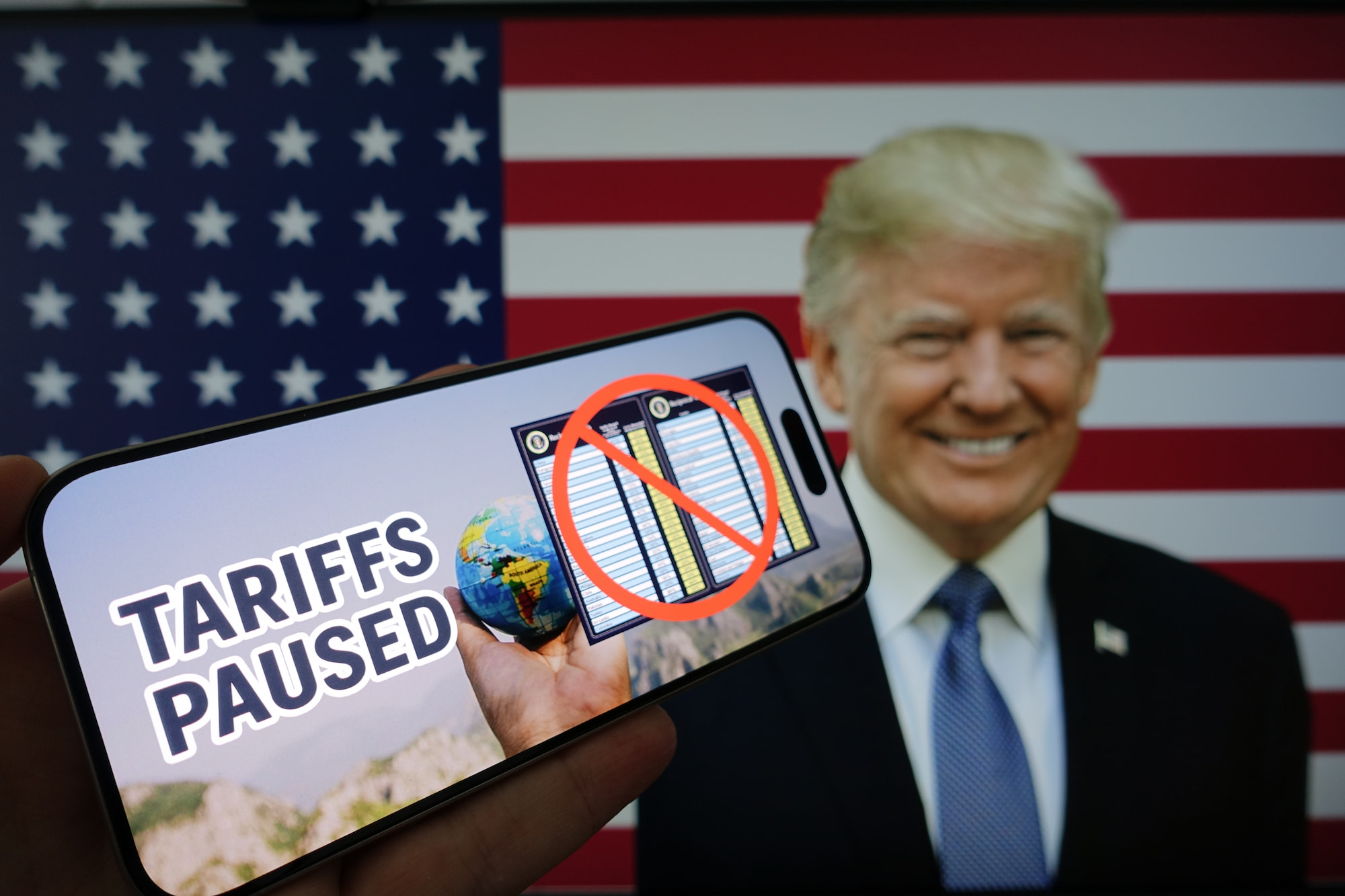
A global market meltdown has resulted in President Trump pausing reciprocal tariffs for 90 days. Country-specific levies against U.S. trade partners that began on April 9th will temporarily halt as countries reach out to negotiate. More than 75 countries, including Japan, Vietnam, South Korea, and India, have contacted the U.S. to strike new trade deals. This differs from the 10% baseline tariff that Trump imposed on April 5th, which will still be in place. Spector-specific tariffs like a 25% tax on steel, aluminum, and auto parts are still in effect. As the trade war continues, pauses and increases in tariffs will significantly impact international shipping.
China Still Being Hit Harder
Despite Trump pausing tariffs for most U.S. trade partners, he continues raising levies on Chinese Imports. On April 9th, Trump announced that he would increase a 104% tariff on China to 125%. In a social media post, Trump wrote, “Based on the lack of respect that China has shown to the World’s Markets, I am raising the Tariff charged to China by the U.S. to 125%, effective immediately.” The hike is part of a back-and-forth between the two countries, starting with a 10% tariff on Chinese imports. China responded with a 10% to 15% tax on specific U.S. goods, causing the U.S. to retaliate with higher tariffs.
As tensions escalated, so did the tariff hikes, leading to the current 125% tariff. The goal behind the levies on Chinese imports is to address unfair imbalances and trading practices between the countries. Trump plans to “level the field” by reducing the trade deficit with the U.S.’s largest trading partners. Another goal behind the tariffs is to bring manufacturing and Jobs back to the U.S. to strengthen the economy. Economists believe the back-and-forth will have the opposite effect and hurt the economy by creating inflation. On a larger scale, this will significantly impact international trade, with China and the U.S. being the biggest exporters globally.
What Can Shippers Expect With Trump Pausing Reciprocal Tariffs?
The main reaction to Trump pausing the levies was a temporary relief for shippers and companies shipping cargo internationally. A possible stop in cargo movement from the tariffs would have halted the U.S. economy, possibly leading to a recession. Despite the pause easing shipping fears, it does not eliminate them, especially with other tariffs still in place. The most significant impact will be higher shipping costs, affecting the entire supply chain, including the customer. While Trump believes domestic shipping will benefit from the tariffs, some think it will hurt it. Less imports could mean less business for truckers that receive shipments from ports and move them to the final destination.
While country-specific tariffs will pause, the international shipping industry is still in a trade war that could potentially escalate. Shippers must be ready to navigate any disruptions that could affect their shipments. An ideal way to prepare for importation to the U.S. is by speaking to a customs broker. Brokers are individuals or companies that coordinate customs clearance on behalf of the shipper. They offer various services like documentation, filing entries, paying duties, etc. Brokers also educate the shipper on the best action to protect their shipment. Reach A1 Worldwide Logistics at info@a1wwl.com or 305-440-5156 to talk to a broker regarding shipping your cargo internationally.
by A1 WorldWide Logistics | Apr 9, 2025 | Economic trends, Shipping Logistics, Supply Chain
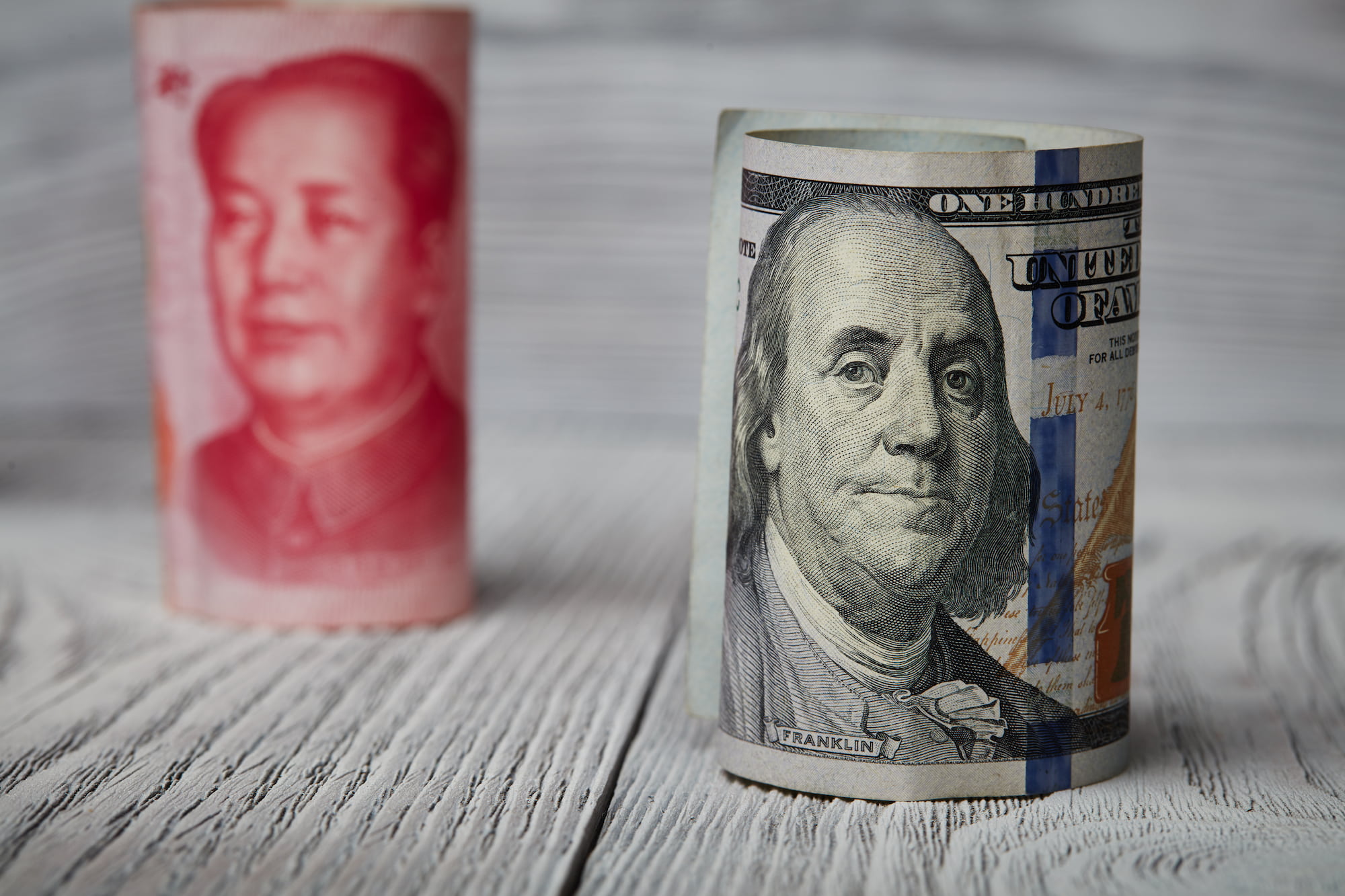
A trade war continues with Trump Imposing a 104% tariff on Chinese imports. Starting today, April 9th, all goods coming into the U.S. from China will see a 104% tax hike. The components of the tariff include:
- A 20% tariff that Trump recently placed on Chinese imports.
- A 34% extra reciprocal tax mirroring China’s current tax on U.S. imports.
- A new 50% retaliatory tariff in response to China’s reciprocal 34% tariff on the U.S.
In response to the tariff, China announced an 84% tax on U.S. goods and accused the U.S. of “bullying practices.” These tariffs could significantly impact international shipping due to the amount of goods shippers import from China to the U.S.
Why Is Trump Imposing A 104% Tariff?
The goal behind Trump imposing a 104% tariff is part of a broader strategy to reduce trade imbalances. Trump recently affirmed, “We’ve been ripped off for years, and we’re not going to be ripped off anymore.” On April 2nd, President Trump declared “Liberation Day,” announcing tax hikes on nearly all of the U.S.’s trading partners. Starting on April 5th, all importations into the U.S. saw a 10% tax increase. Country-specific levies began on April 9th, including China, which responded by enforcing a 34% tax on U.S. goods. In response, the U.S. released a 50% tariff on China, pressuring them to remove their tariff. China further escalated by stating that tariffs on U.S. goods will rise from 34% to 84% on April 10th.
Another reason behind the tariffs is to bring manufacturing and businesses back to the U.S. from other countries. Trump believes this will stimulate the U.S. economy by creating jobs; however, economists note this would have the opposite effect. Shippers who import and export from the U.S. feel this will significantly impact supply chains. With tariffs potentially raising the cost of shipping internationally, the costs could fall on the customer. It would also be challenging, costly, and time consuming to restructure supply chains back to the U.S. President Trump expressed a willingness to negotiate the tariffs but said that thy will remain for the time being.
Will the Tariff Lead To A Larger Trade War?
As countries like China respond to U.S. tariffs, there is a fear that a larger trade war could soon happen. The EU responded to Trump’s “Liberation Day” by warning of possible counter-measures including $28 billion in tariffs on U.S. goods. Countries like Canada and Mexico announced potential duties on U.S. exports like agriculture, dairy, and steel. As other countries begin to retaliate, it could further escalate the trade war and disrupt global supply chains. Along with driving up costs for customers and businesses, it will have greater industry-specific impacts.
While an import tariff will have significant implications for international shipping, it should not stop you from importing. However shippers should take steps to avoid potential disruptions in their supply chains. Along with being current with news that may affect your shipment this can be done by contacting a 3PL provider. 3PL’s (third-party logistics) are service providers that assist with various aspects of supply chain. Some of the solutions they offer include freight forwarding, customs clearance, trucking, warehousing and more. They are also with you throughout the shipping process until the goods reach their final destination. To speak to a 3PL provider about shipping to and from the U.S., contact A1 Worldwide Logistics at info@a1wwl.com or 305-440-5156.


 1035 NE 125th St Suite #320, North Miami, FL 33161.
 a1worldwidelogistics.com
 (305) 821-8995
 Hours: 8AM - 5PM