Tariffs Affecting The Food Industry
A trade war between the U.S. and other countries is starting to see Trump’s tariffs affecting the food industry. Over the last few months, President Trump has announced various tariffs on imports into the U.S. Along with taxes on different goods, such as steel and aluminum imports, cargo from multiple countries is also being taxed. In particular, Canada and Mexico imports face a 25% tariff, while China faces a 20% tax. Trump is also planning reciprocal tariffs for all of the U.S. trade partners. Along with the taxes impacting various U.S. sectors, it will directly impact the food industry. This article will explain how tariffs affect food imports and how you can protect your supply chain.
How Are Trump’s Tariffs Affecting The Food Industry?
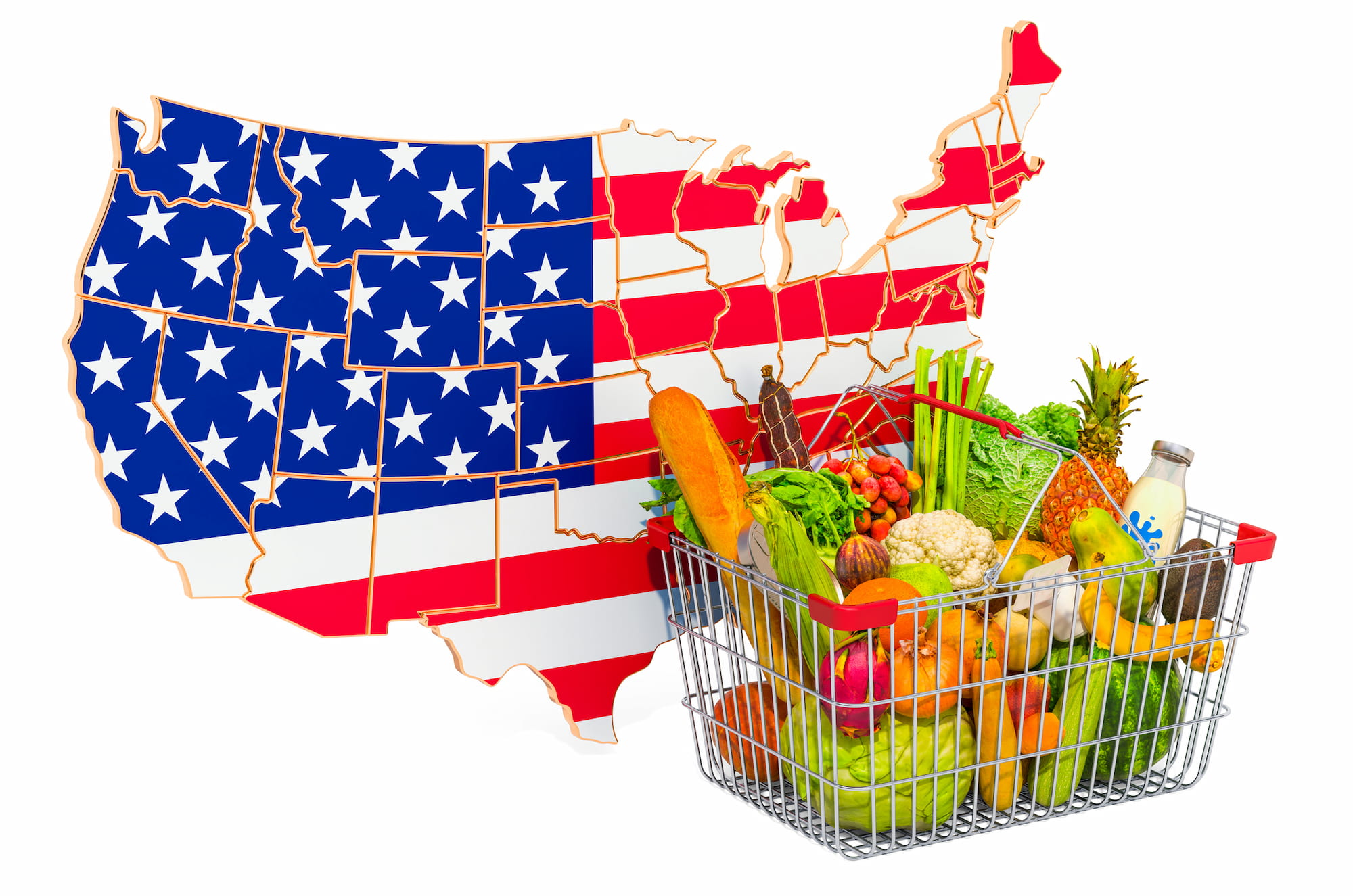
In 2023, the U.S. imported nearly $194 billion in food and agricultural goods from various countries. The primary countries facing the tariffs include Mexico, Canada, and China, the most significant importers. Since the U.S. imports nearly 15% of its food supply abroad, taxes can lead to higher costs. The higher costs for manufacturers could fall on consumers who purchase the products from stores. Products like soup that use cans as packaging may already see higher prices due to Trump enforcing steel tariffs. Similarly, soda can imports made with aluminum will experience the same effect. Manufacturers like Coca-Cola are considering switching to more plastic bottles to avoid higher costs.
Along with the tariffs the Trump administration is enforcing, issues can come from countries potentially setting their retaliatory tariffs. A week ago, China announced a 15% retaliatory tax on various U.S. agricultural products, including soybeans, pork, chicken, and beef. As a result, U.S. farmers who bring in goods like chicken from China may lose market share. Farmers will also feel the strain of higher production costs, with Canada recently announcing retaliatory tariffs on $29.8 billion worth of U.S. goods. Canada is the largest U.S. supplier of fertilizer and potash, a substance farmers use to stimulate plant growth.
What Will The Tariff Mean For International Shipping?
The tariffs will affect numerous supply chains, including shippers importing food from various countries. Along with higher costs, supply chain disruptions can come from importers having to reassess sourcing and inventory strategies. Having to reevaluate a supply chain may result in delays in the importation process due to the time it takes. Shippers and manufacturing companies could begin looking at countries other than Mexico and Canada for importing to the U.S. Trump’s goal in imposing tariffs is to bring production back to the U.S., stimulating the economy and creating jobs. This may also benefit domestic shipping for moving the finished product to the final location.
As tariffs begin on U.S. imports, shippers should be ready to protect their shipments from potential disruptions. While alarming, it should not stop you from shipping internationally. However, you should take proper steps to prevent disturbances. An ideal step to get started is to speak to a freight forwarder. A forwarder is a person or company that coordinates cargo movement on behalf of the shipper. They offer various services like transportation, warehousing, preparing documents, customs clearance, and more. Forwarders also educate shippers on what to expect during the shipping process. Contact A1 Worldwide Logistics at 305-425-9513 or info@a1wwl.com to speak to a forwarder regarding moving your shipment internationally.