by A1 WorldWide Logistics | Sep 6, 2024 | Economic trends, Importing, Supply Chain
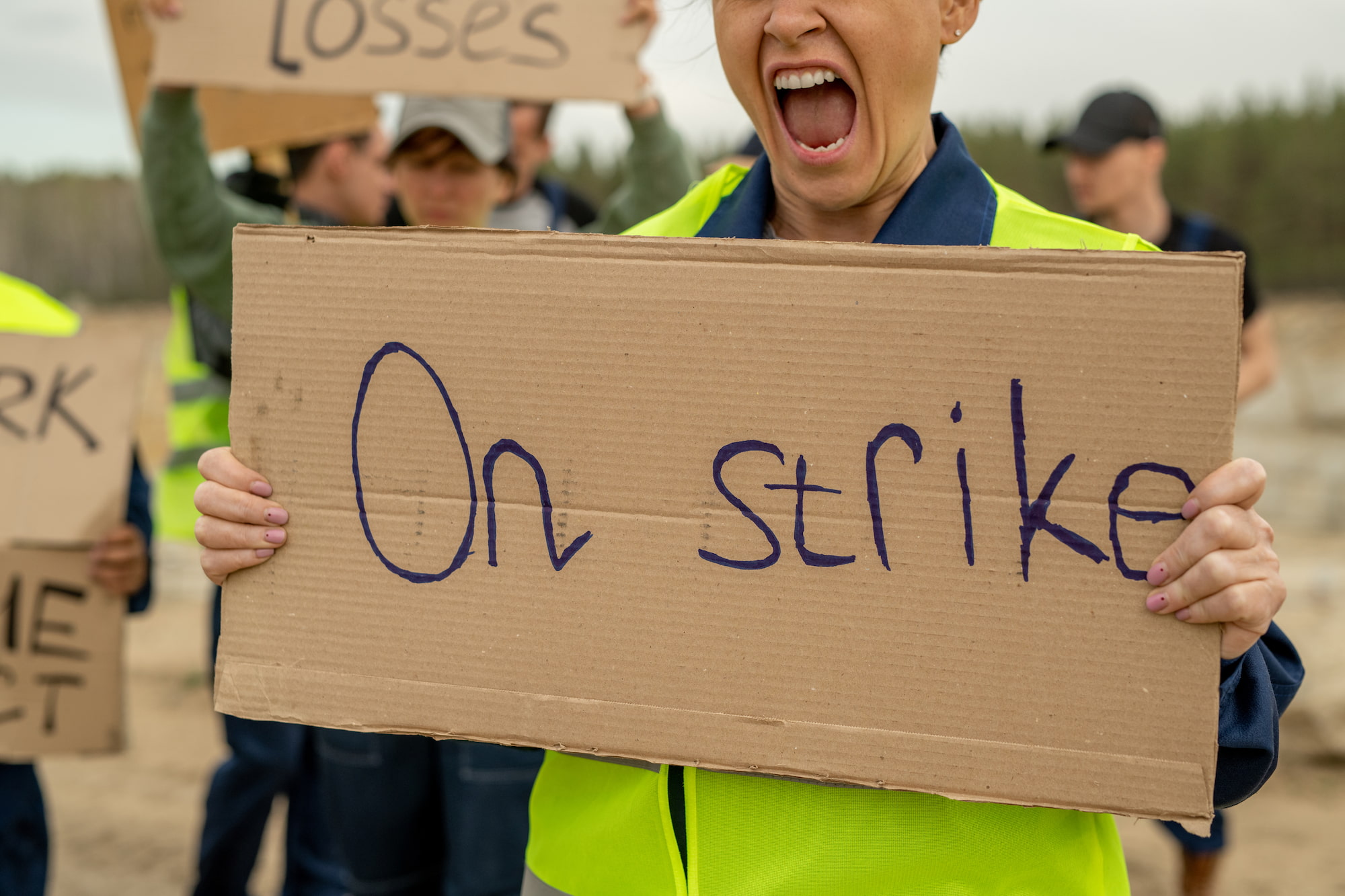
Unresolved negotiations are resulting in ILA strike threats continuing as the October 1st deadline is quickly approaching. The International Longshoreman’s Association (ILA) have been discussing a new contract with the United States Maritime Alliance (USMX). These talks have been unsuccessful as the current six-year contract ends on September 30th. A potential strike will shut down East and Gulf Coast ports and significantly impact international trade. It may also have a disastrous ripple effect through the U.S. economy, as numerous supply chains rely on these ports. With the U.S. import industry worth trillions of dollars, the pressure to find a deal before October 1st is rising.
Why Are The ILA Strike Threats Continuing?
The continuing threats are due to the unresolved resolutions between the ILA and USMX. A primary reason behind the negotiations is for a contract with a higher wage increase similar to the ILWU. In 2023, the ILWU (International Longshore and Warehouse Union) received a 32% hike after weeks of protests. Like their West Coast counterparts, the ILA is fighting for a similar wage increase. The ILA president, Harold Daggett, recently took to social media in a video expressing their displeasure. He notes, “If the employers don’t understand what his members are seeking, I have to go into the street, and we have to fight for what we deserve.”
Harold also believes that the USMX should adequately compensate the ILA for working continuously during the pandemic. Along with better pay, a significant issue has been pensions. While the ILWU has a single coast-wide retirement, part of the ILA does not have one. The workers that do have lower pensions compared to the ILWU. Terminals at the Port of Mobile in Alabama have also used an Auto Gate system that automatically processes trucks. The ILA notes that this system violates the current contract by removing the dockworker’s jobs. Vice President Dennis Daggett says, “We’re not going to allow that cancer to come here on the East Coast”.
Cargo Shifting To The West Coast?
East and Gulf Coast ports are responsible for nearly 43% of all U.S. imports and are critical for trade. With strike threats affecting many supply chains, shipments have already begun moving to West Coast ports. This is similar to the 2022 ILWU protests, where West Coast port imports switched to East Coast ports. The fear is that a potential strike can lead to port congestion due to a volume increase. Imports that come into the U.S. already tend to rise during this period because of the holiday season. Analysis reports that a two-week walkout could result in a slowdown that will take until 2025 to clear.
Port congestion can have numerous other challenges in shipping. Volume increases that come from strikes lead to delays that disrupt supply chains. Delays also look unfavorable for companies with customers that rely on imports. Along with supply chain disruptions, congestion can increase overall costs to ship cargo, such as demurrage. Demurrage is a fee the shipper must pay for containers that remain at the port past the allotted time. Container rates may continue to rise further from the protests since they rose over the last year. Various importers and exporters relying on East Coast ports are urging both sides to continue negotiations. Reach A1 Worldwide Logistics at 305-440-5156 or visit our website to keep up to with the current situation.
by A1 WorldWide Logistics | Aug 30, 2024 | Economic trends, Shipping Logistics, Supply Chain
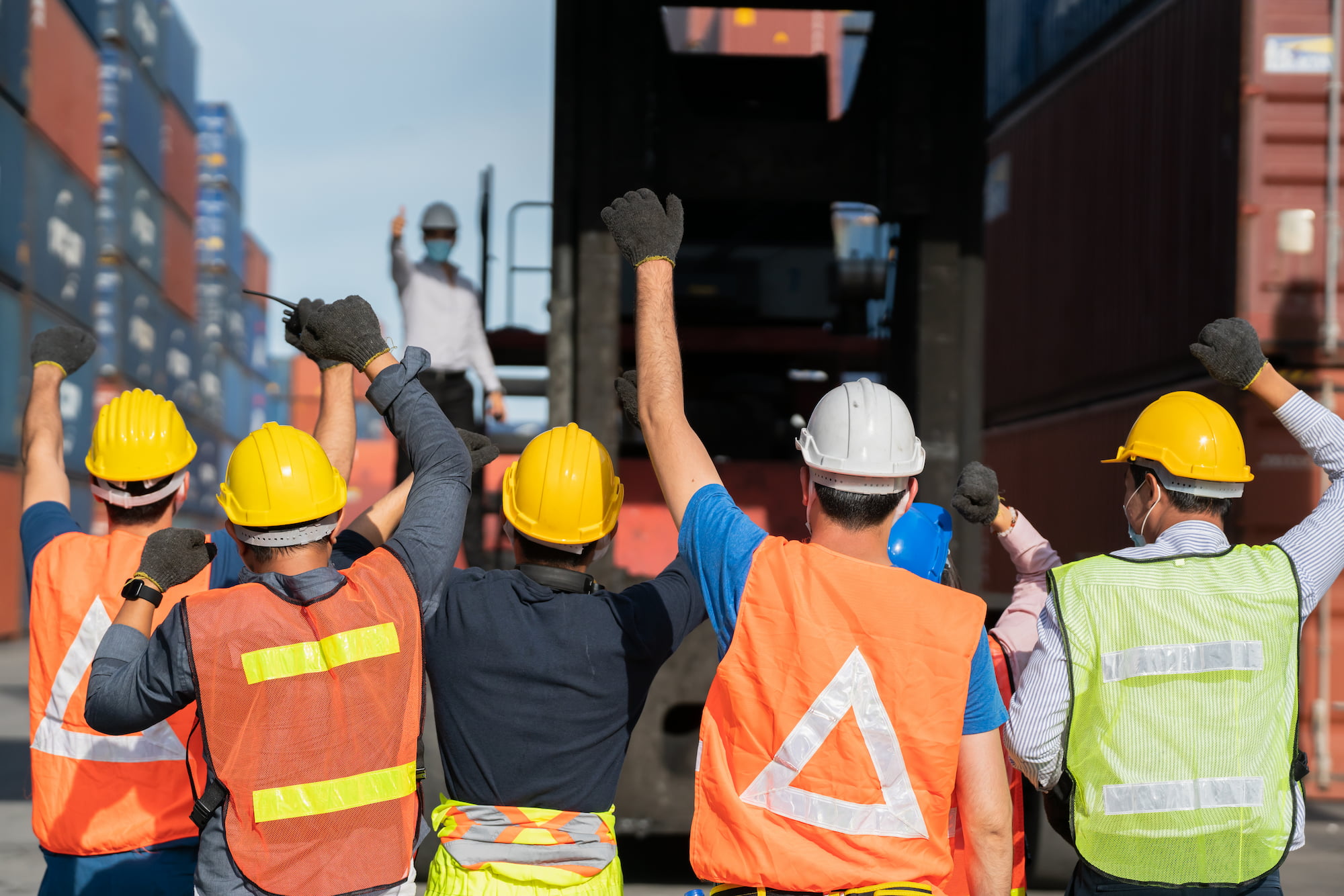
Union contracts for East and Gulf Coast port dockworkers are ending, potentially resulting in ILA workers going on strike. On September 30th, the current six-year contract between the International Longshoreman Association (ILA) and United States Maritime Alliance (USMX) expires. ILA is a union of 85,000 longshore workers spread out amongst 56 ports in the U.S., including Puerto Rico. The ILA president recently noted that its members are fully onboard with going on strike on October 1st if the USMX does not meet their demands. In the last strike that happened in 1977, workers walked off for almost seven weeks.
Over the last year, East and Gulf Coast port workers of the ILA have pushed for a new master contract when their current one finishes. In particular, one with a wage increase above the 32% hike West Coast ILWU dockworkers received in 2022. They are also pushing for higher pensions, with the ILWU having a higher single coast-wide pension. Negotiations paused in early June because of a dispute regarding automation at the Port of Mobile. Terminals at the port used an Auto Gate system that autonomously processes trucks, replacing ILA jobs. The ILA’s Wage Scale Committee will meet on September 4th and 5th to review contract demands when negotiations do return.
What Do ILA Workers Going On Strike Mean For International Shipping?
A strike by ILA dockworkers may significantly impact shippers who must move cargo internationally. Especially with more than half of the U.S. imports going through East and Gulf Coast ports. Market research company Sea-Intelligence reported that a strike lasting one day could take approximately three days to clear. They also note that a strike of two weeks could result in slowdowns to 2025. Despite the two largest ports by TEU being on the West Coast, the East Coast has the following five busiest. Companies are already diverting shipments from East Coast ports or shipping early to avoid potential delays. Along with congestion and delays, a strike can affect shippers in other ways.
For supply chains, this can lead to inventory disruptions, which can be unfavorable if the shipper has customers. Closed ports also may cause traffic for domestic shipping, with carriers having to reroute to other locations. Another concern is that supply chain issues from protests will contribute to the current inflation crisis. With rising prices already being an area of concern in the U.S., a strike will also grow shipping costs. Container rates have increased since the beginning of the year, which may add to the rise. Situations like the Panama Canal drought and the Red Sea crisis have already contributed to surging rates.
A1 Worldwide Logistics
Although situations like a potential port strike can be stressful, it should not stop you from shipping internationally. A shipper should, however, take steps to protect their supply chain. They must prepare for delays and disruptions in their shipping schedule and stay current with news reports and updates. You can also get help from a 3PL (third-party logistics) provider like A1 Worldwide Logistics. 3PLs offer various transportation services while determining your cargo’s best course of action. Reach A1 Worldwide Logistics at 305-425-9456 or info@a1wwl.com for assistance with your shipping journey. We help your global supply chain by providing transparency and solutions regardless of the situation.

by A1 WorldWide Logistics | Feb 29, 2024 | 3PL, Shipping Logistics, Supply Chain
There have been growing talks of strikes in East Coast ports, with labor contracts expiring later this year. Near the end of September, agreements between the International Longshoremen’s Association (ILA) and the United States Maritime Alliance (USMX) expire. The ILA is an alliance of nearly 70,000 port workers, and the USMX represents 36 coastal port employers. Out of the dozens of ports, USMX workers are at the three busiest East and Gulf Coast ports. The last East Coast port strikes happened in 1977, which led to a labor action that lasted for two months. With recent talks of potential strikes rising, what can this mean for international shipping, and how can you prepare?
Why Have Talks Of Strikes In East Coast Ports Increased?
Since the strike in 1977, the USMX and ILA have negotiated ten contracts lasting several years. The parties signed the last six-year contract in September of 2018. Talks of strikes later this year have increased due to issues with current agreements. ILA workers noted that they are pushing for wage increases of nearly 30% or higher, plus benefits. Another issue has been the growing use of automation at ports, threatening the jobs of ILA workers. The ILA also has a $300 million lawsuit against USMX and two carriers over a hybrid labor model. The argument is that the model at the Port of Charleston violates the existing agreement.
On November 7th, 2023, the ILA president Harold Daggett told ILA members to prepare for a strike in October 2024. In 2023, Pacific Maritime Association (PMA) West Coast port workers reached a long-term contract agreement after 11 months of uncertainty. This was during the post-Covid import boom, and traffic coming into the U.S. shifted to East and Gulf coast ports. Unlike the expired PMA contract, the current ILA situation may result in protests once the contract ends later this year. Associations like the National Retail Federation (NRF) have expressed their desire to facilitate talks between the ILA and USMX.
What Does This Mean For Shipping?
Along with the strike’s impact on the ILA and USMX, international shipping will feel the ramifications. Various situations, like a conflict in Gaza and a drought in the Panama Canal, have already affected global cargo movement. If workers are on strike, it can lead to cargo congestion, which causes shipment delays. It is crucial to note that East and Gulf Coast ports have more diverse import locations than West Coast ports. While West Coast ports mainly get cargo from Asia, East Coast ports get cargo from Europe, Asia, and South America. Protests may also cause importers from different countries to switch to West Coast ports.
While moving goods internationally can sometimes be complex, there are ways to ensure the success of a shipment. Along with staying up-to-date with current news, importers and exporters should act early to prevent delays or extra costs. A standard method that shippers use is using the assistance of a third-party logistics (3PL) provider. In addition to shipping, 3PLs have various services to streamline your supply chain while educating you through the process. Reach A1 Worldwide Logistics at 305-821-8995 or info@a1wwl.com for a quote to begin your shipping journey. We help your global supply chain by providing transparency and solutions for you to reach your goals.

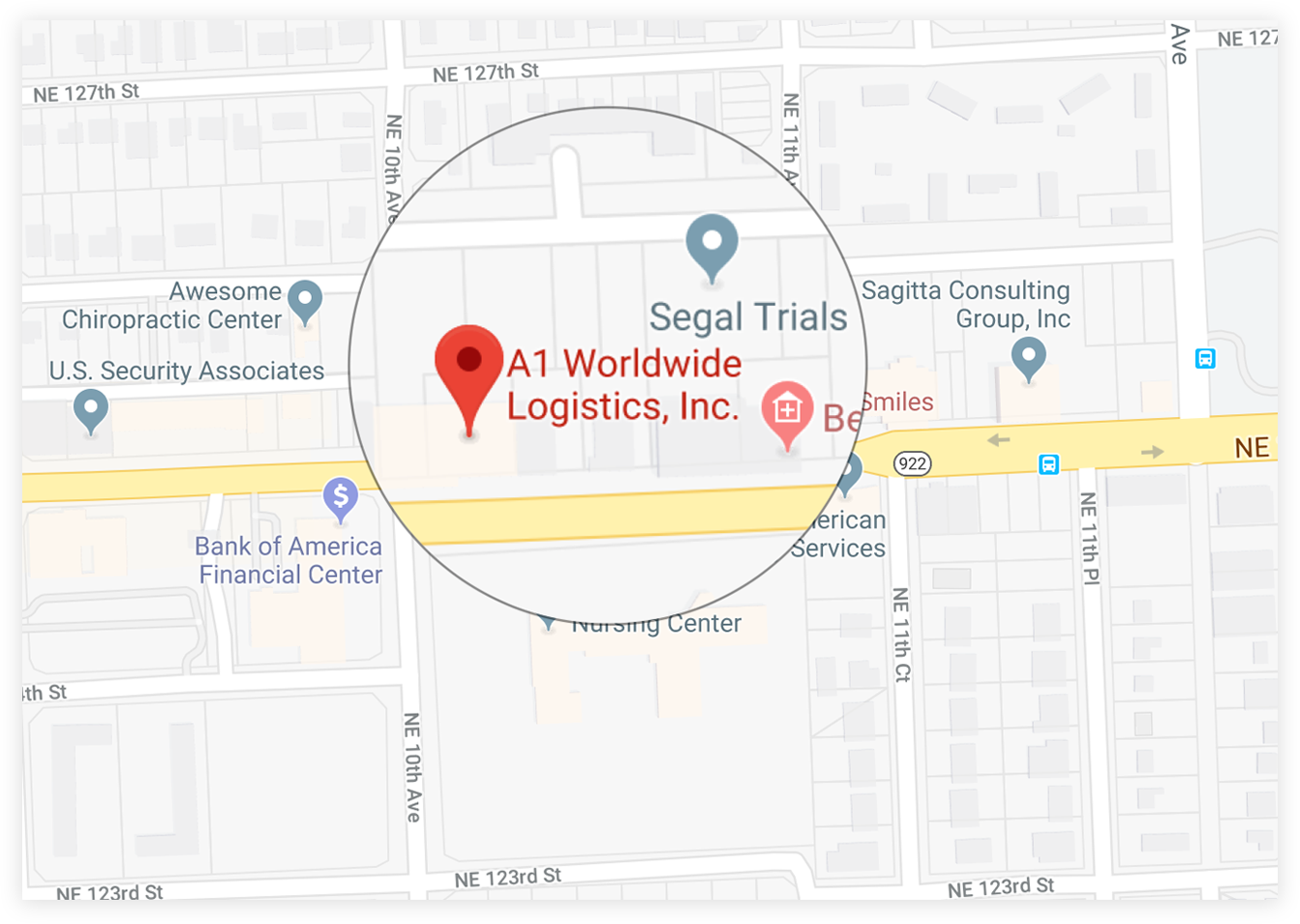
 1035 NE 125th St Suite #320, North Miami, FL 33161.
 a1worldwidelogistics.com
 (305) 821-8995
 Hours: 8AM - 5PM