The Chinese New Year isn’t just a celebration — it’s a major moment for global supply chains 🌏🚢 With factories and families celebrate, international shipping can slow dramatically.


The Chinese New Year isn’t just a celebration — it’s a major moment for global supply chains 🌏🚢 With factories and families celebrate, international shipping can slow dramatically.
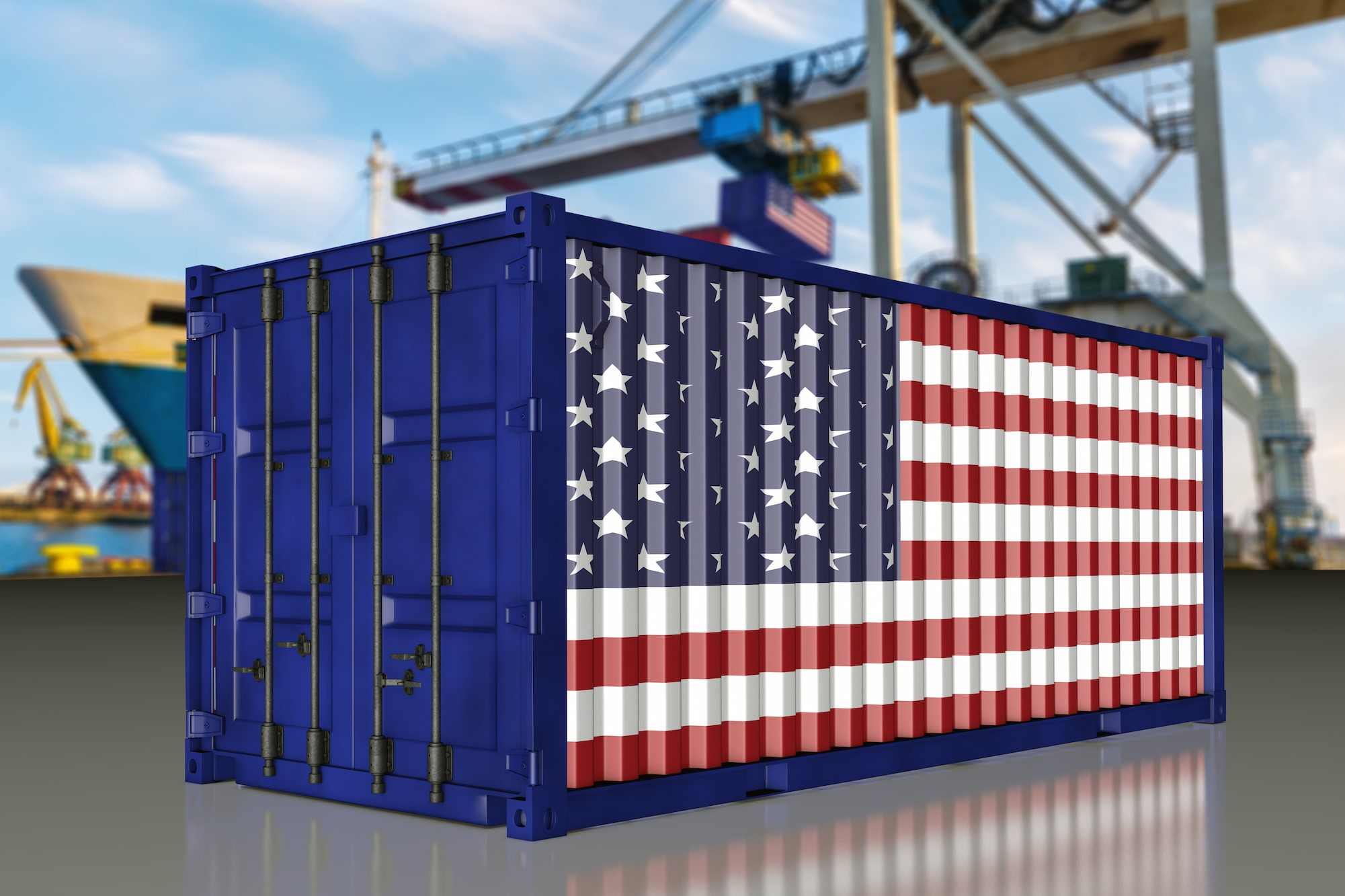
Exportar desde Estados Unidos ofrece acceso a mercados globales y grandes oportunidades de crecimiento. Sin embargo, el proceso también implica desafíos importantes que pueden afectar tanto a exportadores nuevos como experimentados. La falta de preparación puede generar retrasos, costos adicionales e incluso la pérdida de la carga.
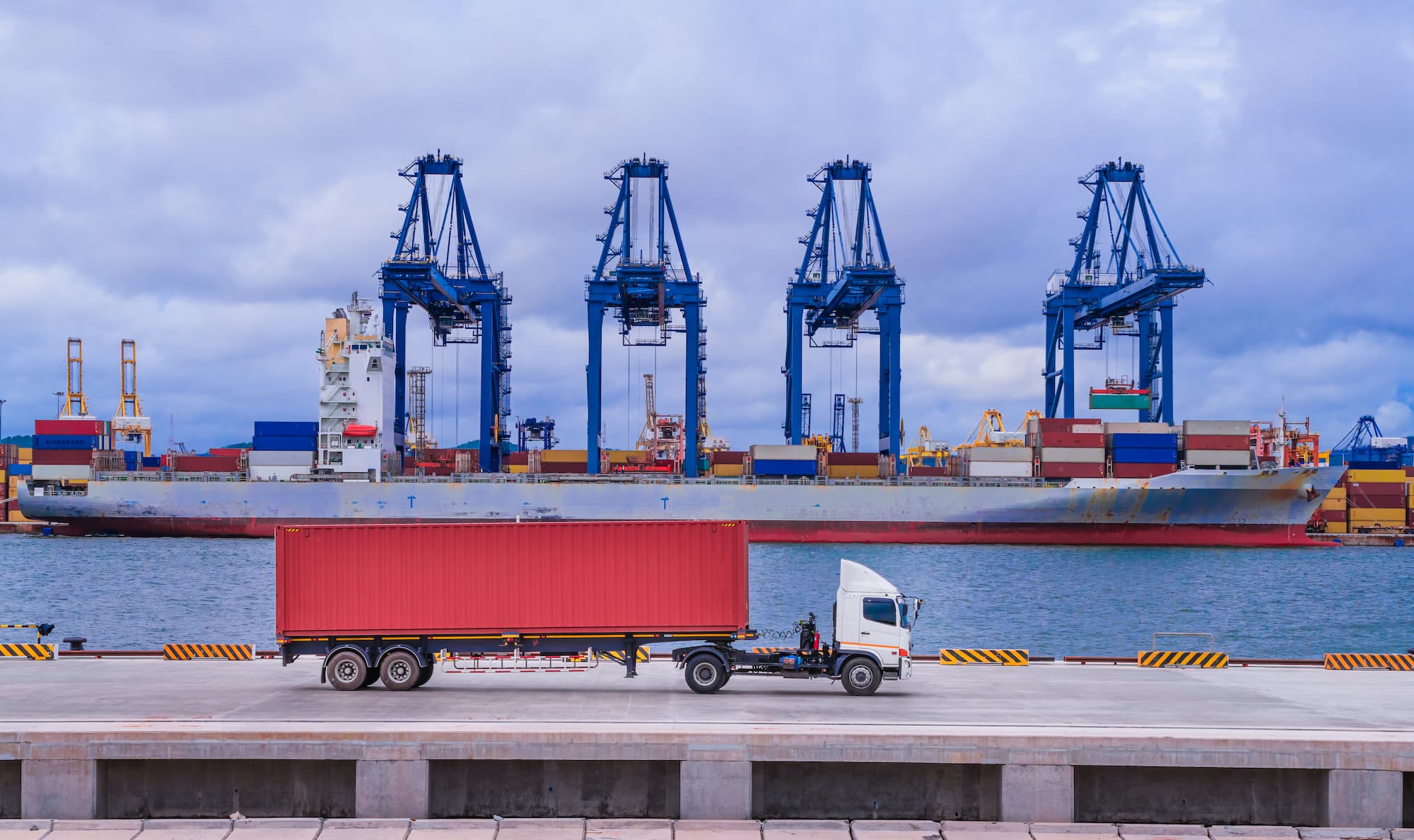
As the times change, so too does our technologies advance as well, where once there were wagons pulled by horses, now we have automobiles. Where there was coal powered trains, now many trains run on a combination of diesel and electricity. Everything changes, so the question examined, what is the future of transporting goods? We’ve seen an advance in trains and planes, but what about automobiles? Well, let’s take a look and answer “What is the future of truckload transportation?”
There have been a lot of reasons rising lately as to what the future of shipping holds. Here are a few of the more substantial reasons as to why so much thought and concern brought to this discussion.
Because of many carriers going bankrupt during the recession and others downsizing their fleets, there has been a reduction in capacity. This has not been an issue as of yet, but judging from the potential economic pickup, many shippers are concerned that truckload capacity will significantly tighten.
With the constant shifts in the price of diesel, it is quite hard to judge if the fuel prices will benefit from hinder the transportation companies. As last reported, there appears to be an increase in the cost of diesel fuel as of this month.
Many companies are showing renewed interest in sustainability these days, and they are taking action on various fronts to improve the sustainability of supply chains.
Due to these issues, many shippers have moved a significant volume to intermodal, rail, and private fleets, and are making changes to packaging and investing in load optimization software to fit more products per case, pallet, and trailer, which results in fewer truckload shipments.
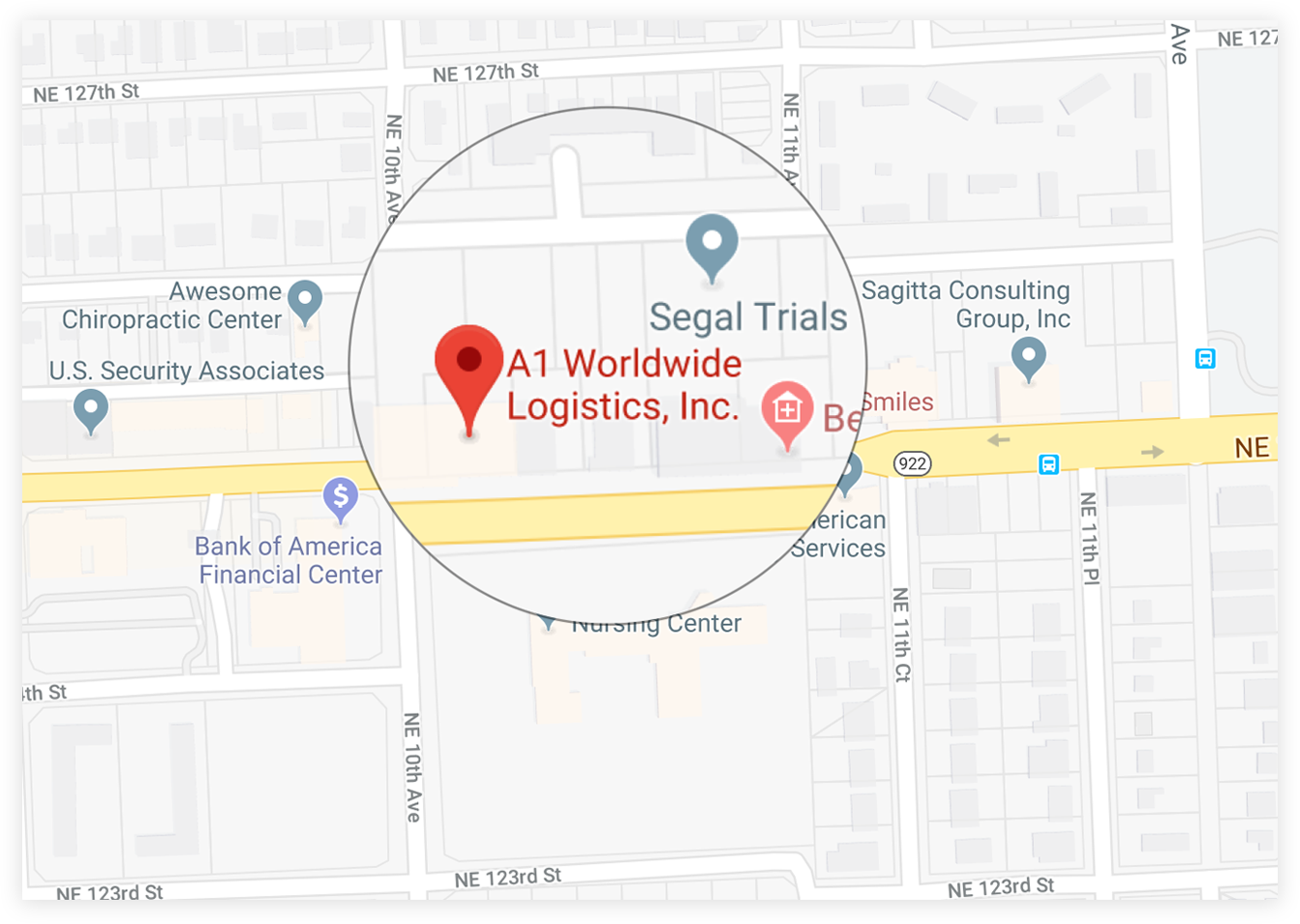
 1035 NE 125th St Suite #320, North Miami, FL 33161.
 a1worldwidelogistics.com
 (305) 821-8995
 Hours: 8AM - 5PM