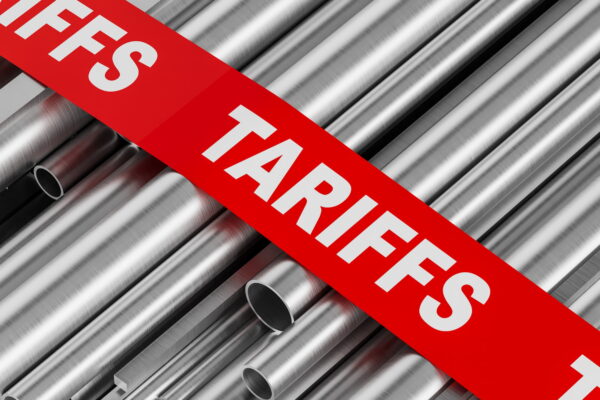
Importers could soon be affected as President Trump adjusts Section 232 tariffs on specific metal imports. Following an announcement on April 2, steel, aluminum, and copper entering the US will face new duties starting April 6. Originally, tariffs on most metals entering the US were 50%. However, the Trump administration changed duties for various reasons, including to address “excessive imports” and to boost US manufacturing. Another goal is to close loopholes that allow importers to underreport the total percentage of metal to reduce tax amounts. This article will break down the adjustments and explain how the levies could potentially impact shippers.
How Did The Trump Administration Adjust Section 232 Tariffs On Metal?
Beginning April 6, specific imports of steel, aluminum, and copper will be subject to duties ranging from 10% to 50%. This is different from the 50% tariff that Trump imposed on all goods with metal content in 2025. The metal content in the import will now determine the percentage. Under the new adjustments:
- Imports entirely of steel, aluminum, and copper will face a 50% levy on the item’s value
- Imports or derivatives “substantially made” of similar metal content copper will face a 25% levy.
- Imports made with less than 15% metal will no longer face Section 232 tariffs.
- Specific metal-insensitive and electrical grid equipment will be subject to a 15% levy.
- Imports of steel, aluminum, and copper from the US will be subject to a 10% levy.
Imports from the United Kingdom will also face lower tariffs, with steel, aluminum, and copper products facing a 25% tariff. Derivatives from the United Kingdom will be subject to a 15% tariff.
What Will Be the Impact As Trump Adjusts Section 232 Tariffs
The impact of the adjustment will depend on various factors, including the volume of metal shippers’ imports. Importers bringing in goods made entirely of aluminum, steel, or copper won’t see any change under the new adjustments. Conversely, shippers bringing in imports with less than 15% metal will not have to pay Section 232 duties. It is essential to note that importers may still incur higher overall costs, as tariffs will apply to the full product value. Shippers that outsource metal goods may look towards domestic production due to costs. For a list of goods affected by the adjustments released by the White House, click here.
When shipping cargo internationally, it is essential to stay up to date with regulations that may affect your shipment. Failure to prepare can result in delays and monetary loss. An ideal way to begin is to speak with a freight forwarder. Forwarders are companies or individuals who act as intermediaries between shippers and carriers, transporting goods on behalf of shippers. They do this by offering a range of services, including international and domestic shipping, customs clearance, warehousing, documentation, and more. Speak to our forwarders at info@a1wwl.com or 305-423-9456 for a quote to move your shipment anywhere in the world. We also have customs brokers who can clear your goods upon entry into the US.