In a Landmark decision, the Supreme Court ruled against Trump’s tariffs imposed under the International Emergency Powers Act (IEEPA).


In a Landmark decision, the Supreme Court ruled against Trump’s tariffs imposed under the International Emergency Powers Act (IEEPA).

The Chinese New Year isn’t just a celebration — it’s a major moment for global supply chains 🌏🚢 With factories and families celebrate, international shipping can slow dramatically.
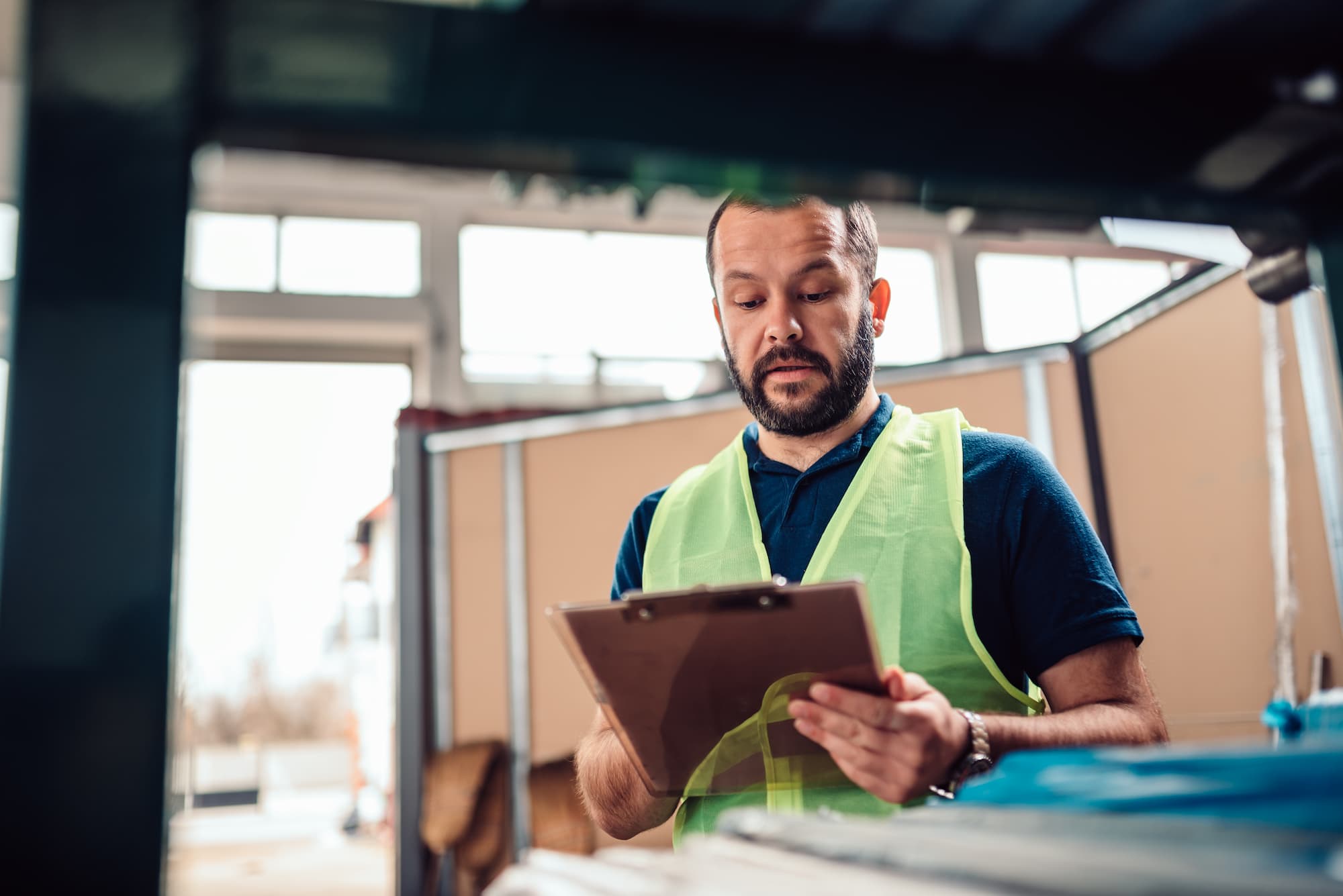
In the logistics of transporting products to clients, there are two common steps that nearly all businesses go through. These steps are picking and packing, and most companies that own or rent a warehouse do them. While the customer may not be familiar with these two processes, one mistake can affect the whole delivery unfavorably. Picking is when a warehouse worker takes a product from storage and transfers it for packing. Packing is when the picked item is sealed and labeled to be shipped by the warehouse to the client. An example to demonstrate when these processes take place is shopping in an e-commerce business.
After searching through a website, customers find something they like and buy the product. The website then sends the order to a warehouse or fulfillment center, usually in the form of a packing list. A warehouse worker then searches for the order in the inventory and brings it to a packing station. The order is packed and labeled in the station and then delivered to the customer. A different type of packing is crating, when workers pack goods into wooden crates. Crating is typically done for valuable goods that damage easily; the crates can also be metal or plastic.
Due to countless companies’ need for picking and packing, errors may sometimes occur. Since these processes are estimated at 45% of warehouse operating costs, a small mistake may broadly impact the supply chain. One of the more common mistakes is incorrect inventory. For example, an order is sent to a warehouse, and the warehouse’s stock records are inaccurate. The picking, packing, and delivery process can delay if the demand exceeds the stock. Missing details on inventory, such as weight and size, can also lead to unsecure packaging and damages.
A shipper usually outsources packing and picking to a third-party logistics warehouse due to the training and equipment purchasing involved. Contact A1 Worldwide Logistics at 305-821-8995 to find out how our warehousing solutions can streamline your supply chain. Along with packing and picking, we offer many other services like public warehousing, cross-docking, and trans-loading. Our warehouse is also insured and secured, meaning you can store your shipment for five years without paying taxes.
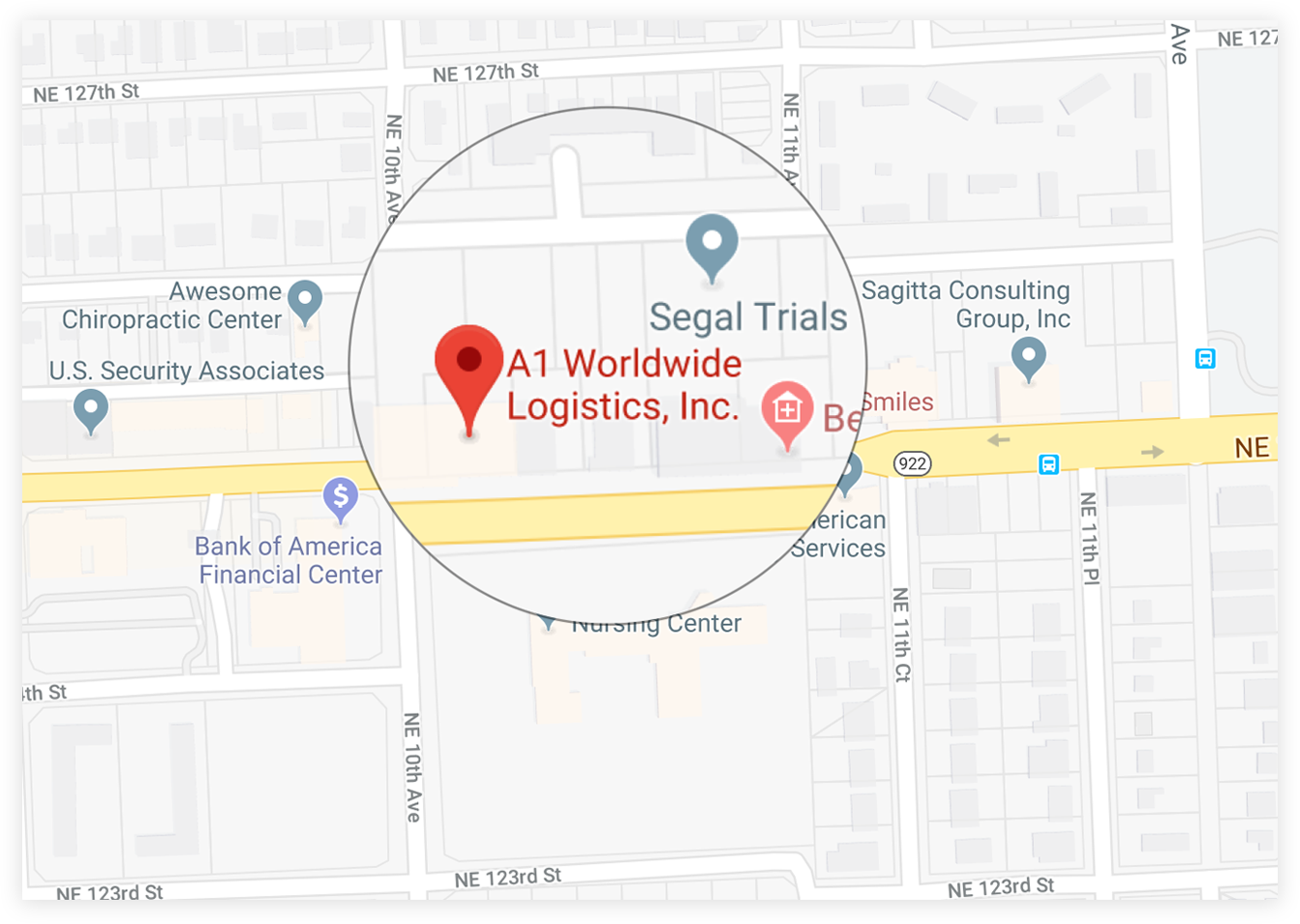
 1035 NE 125th St Suite #320, North Miami, FL 33161.
 a1worldwidelogistics.com
 (305) 821-8995
 Hours: 8AM - 5PM