Known as a confusing import in the international shipping industry, this article explains how to import acidified foods. Acidic foods are foods with a pH level of 4.6 or below. Some examples include vinegar, fermented pickles, lemons, artichokes, pickled vegetables,...
International and domestic shipping could soon see new regulations reshaping logistics industry compliance. In the last few months, two regulatory decisions have impacted five major sectors of the logistics industry. These include freight brokers, freight forwarders,...
Due to the complexities of importing into the US, there are numerous benefits to working with a Miami customs broker. A Customs Broker is a licensed professional who coordinates the release of goods from customs upon entry into a country. In the US, brokers ensure...
While not common for someone who has never imported before, a shipper must understand what an ISF filing is. An Importer Security Filing (ISF), also known as a 10+2, is a form that has important information about a shipment. On the filing, importers must have...
What happens to Decommissioned Container ships?
Share This Article
How are Container Ships Commissioned?
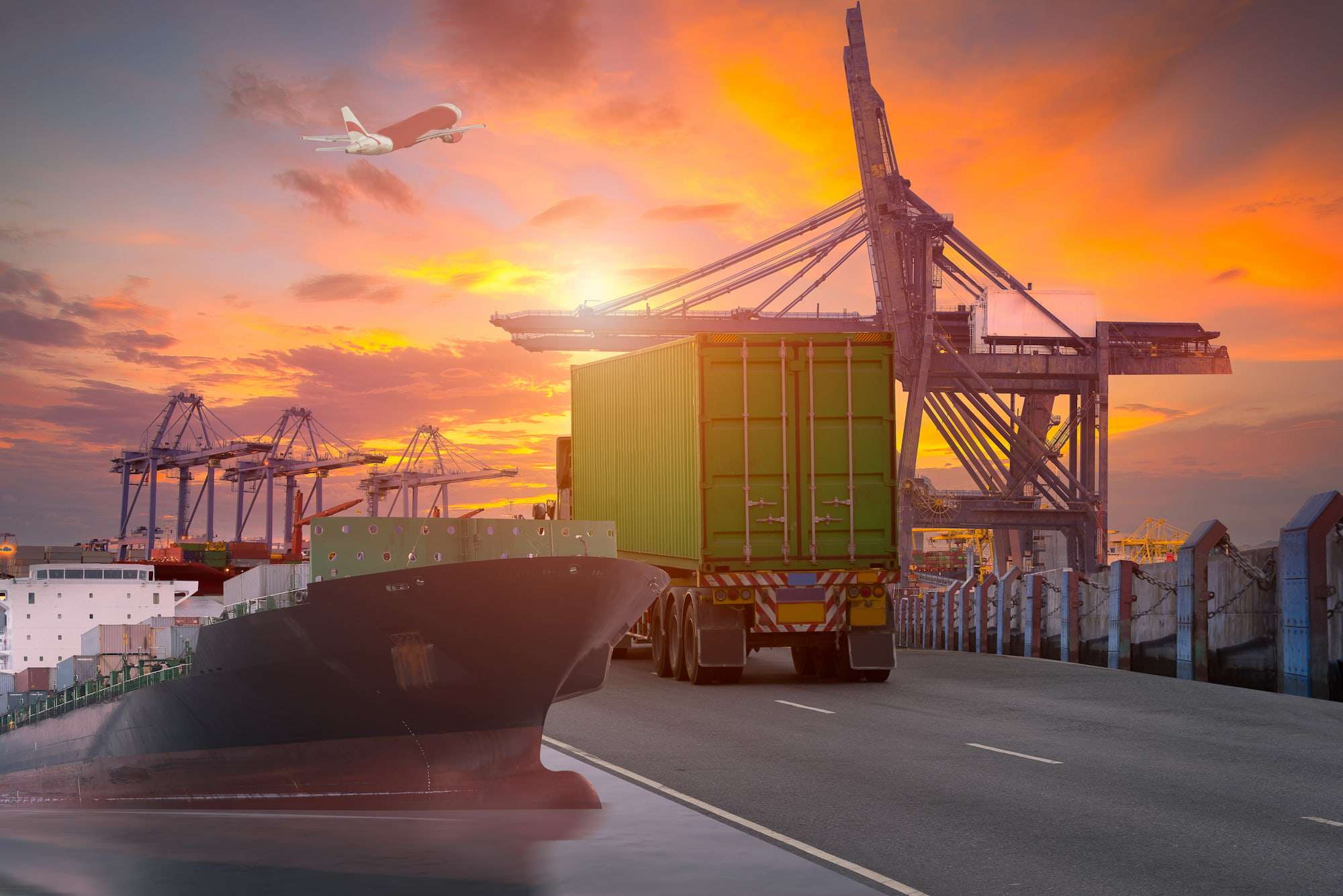
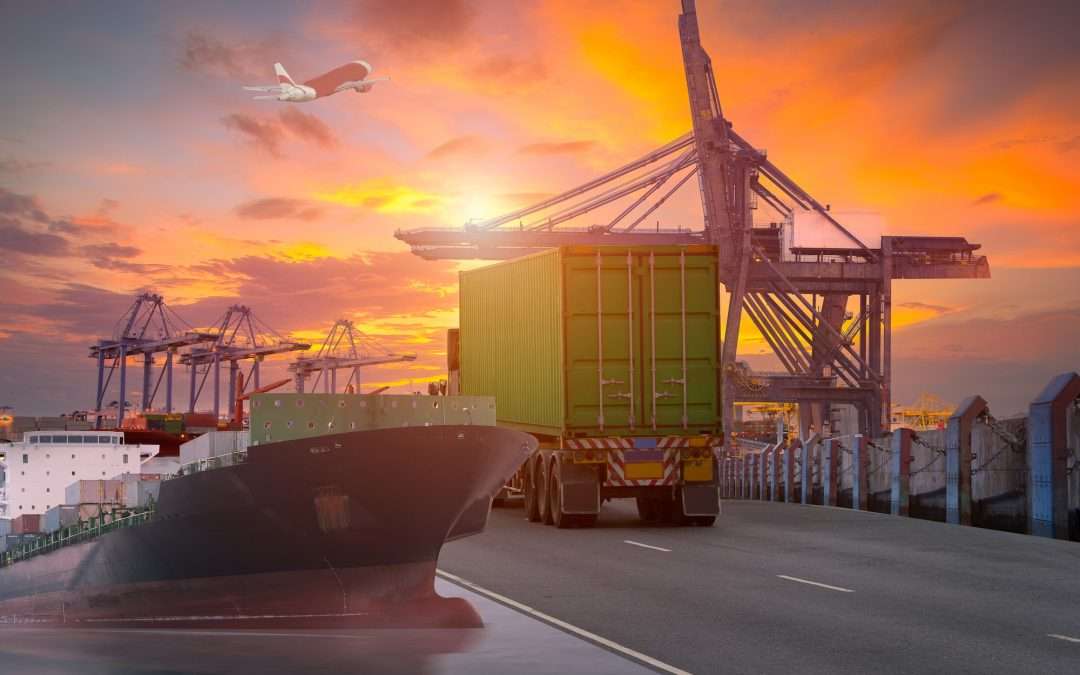
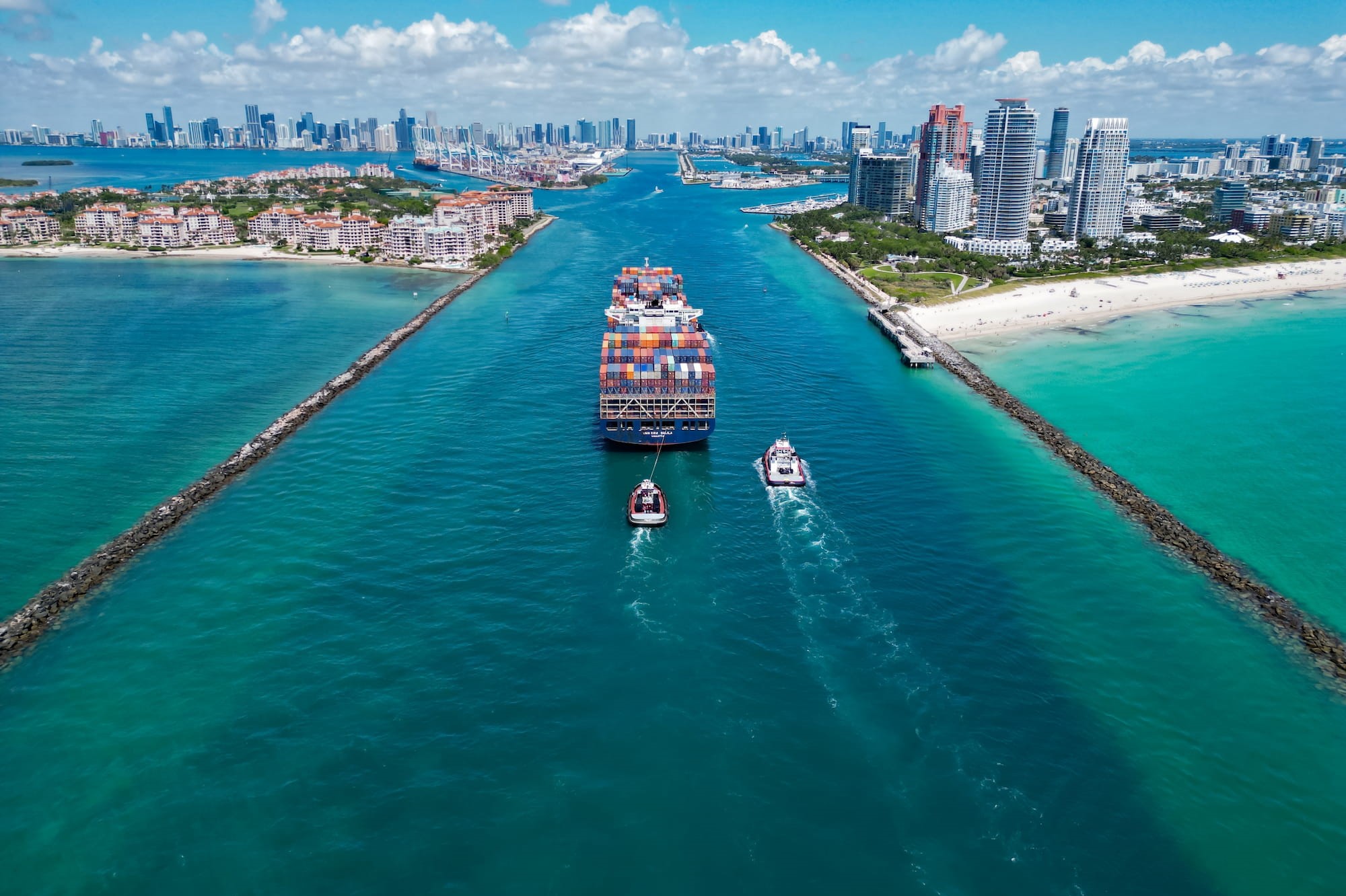
Ships are commissioned for work after they have been rigorously tested and inspected. This can be anything from warships being dubbed battle ready or cargo ships shown to be structurally sound. These tests are known as sea trials and are used to identify deficiencies that would need to be fixed beforehand.
How do they become decommissioned?
Ships become decommissioned over time because the sea takes a heavy toll on the structure. This is usually determined when they come to port, and they are inspected. Think of it as a pit stop during a high-speed race, they will see how long it takes to bring the ship back to working order and eventually those repairs will become too costly and thus cargo ships are considered decommissioned.
What happens to them?
There are a few creative ways that cargo ships become decommissioned.
Cargo Reefs – In Texas, it is incredibly common to take old cargo ships and sink them so they may become artificial reefs that sealife can go and live in. The most famous one of these have been known as the Kraken and was featured in a video dubbed ‘Release the Kraken.’
Watch Video
Ship Graveyards – When people don’t want to deal with converting ships to reefs, they are sent to ship graveyards to disintegrate over time. In the United States, there are countless such as the phantom fleet in San Francisco, the Staten Island Boat Graveyard, and the Mallows Bay in Maryland.
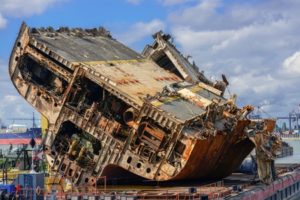
Ship Breaking – The final result of what happens to cargo ships is called ship breaking. When you have countless ships being dubbed ‘unfit for waters’ every year, what you are essentially doing is creating 20 billion tons of sheet metal. Ships are broken down top to bottom and scraped for parts that can be used in other ships or residential developments.
A1WWL
A1WWL loves being part of this global community and learning what happens to cargo ships we’ve worked with in the past. IF you would like to learn more about our trade or services, please give us a call today!
From warehousing and inventory management to order fulfillment, shipping, and returns, 3PLs help e-commerce businesses streamline operations, and reduce costs.
The logistics industry could be entering a new era of compliance including recent developments the Montgomery v. Caribe Transport II ruling and a new White House Executive Order targeting forced labor, and misclassification.
The tariff battle is far from over. The Court of International Trade (CIT) has denied the government’s request to pause enforcement of its ruling striking down President Trump’s Section 122 tariffs.
Big news for importers! The first wave of tariff refunds is set to begin May 12, giving businesses a long-awaited opportunity to recover funds paid under the now-overturned IEEPA tariffs.



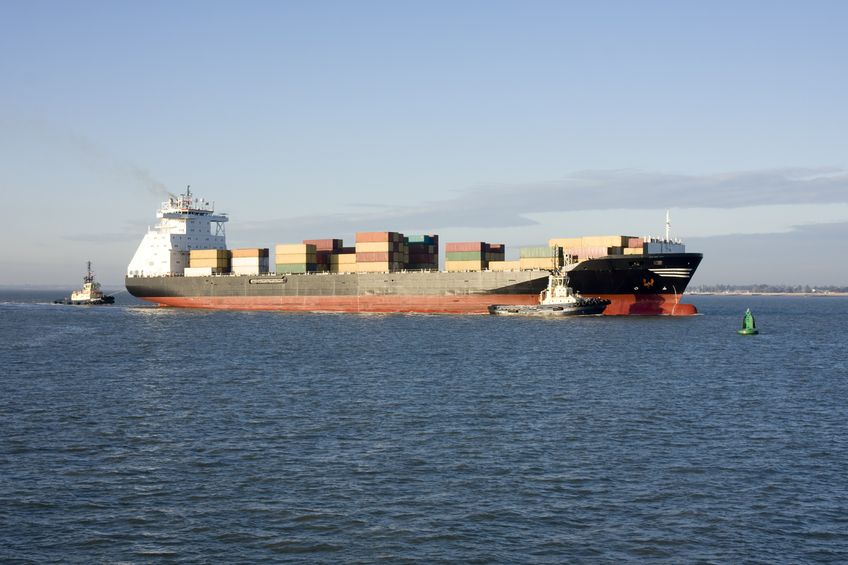
 Ships are commissioned for work after they have been rigorously tested and inspected. This can be anything from warships being dubbed battle ready or cargo ships shown to be structurally sound. These tests are known as sea trials and are used to identify deficiencies that would need to be fixed beforehand.
 Cargo Reefs – In Texas, it is incredibly common to take old cargo ships and sink them so they may become artificial reefs that sealife can go and live in. The most famous one of these have been known as the Kraken and was featured in a video dubbed ‘Release the Kraken.’