In a Landmark decision, the Supreme Court ruled against Trump’s tariffs imposed under the International Emergency Powers Act (IEEPA).

In a Landmark decision, the Supreme Court ruled against Trump’s tariffs imposed under the International Emergency Powers Act (IEEPA).

The Chinese New Year isn’t just a celebration — it’s a major moment for global supply chains 🌏🚢 With factories and families celebrate, international shipping can slow dramatically.
The international shipping industry could still feel the effects of levies, with President Trump imposing Section 122 tariffs. On February 20, the Supreme Court ruled against Trump’s tariffs imposed under the International Emergency Powers Act (IEEPA). Following the ruling, the president announced levies under Section 122 of the Trade Act of 1974. Section 122 allows for the temporary levies of up to 15% for a period of 150 days. Trump originally announced he would raise tariffs to 15%; however, they began at 10% on February 24. This article explains Trump’s goal in imposing Section 122 tariffs and what they could mean for the shipping industry.
Along with the issuing of Section 122 tariffs as a response to the Supreme Court’s decision, President Trump’s goal is to address trade imbalances. Imposing a 10% tariff is Trump’s way of “level the field” to reduce trade deficits. The Trump Administration argued that rising imports and growing trade gaps justify the levies to boost the economy. Another reason for the Section 122 tariffs is to be used as temporary leverage in trade talks. Similar to the IEEPA levies, Trump is pressuring trading partners to revisit trading terms and create more favorable US deals. The tariffs are part of an economic strategy to bring manufacturing back to the US and boost the economy.
With levies continuing, shippers may expect certain US imports to remain more expensive. Certain levies, including a Section 232 tariff on imports such as steel, aluminum, and vehicles, also remain in effect. With the court ruling that IEEPA tariffs are unlawful, importers could be entitled to refunds. However, the Supreme Court has yet to provide any guidelines. It is essential to understand that specific goods imported during the transition window will be exempt from the 10% surcharge. More specifically, the exemption applies to goods loaded on a vessel or in transit before 12:01 on February 24. Goods that entered the US for consumption before February 28 will also be exempt from Section 122 tariffs.
With tariffs for importing still in place, shippers should take precautions when importing into the US. Failure to take precautions can result in delays, financial losses, and cargo loss. Disruptions can be especially unfavorable if the importer is a business with customers. In addition to staying current with tariffs and regulations, speaking with a 3PL (third-party logistics) provider is ideal before starting. 3PL’s are service providers that assist with various aspects of the supply chain. These can include customs clearance, freight forwarding, domestic shipping, warehousing, and more. 3PLs also provide consultation services to navigate issues such as tariffs. Contact A1 Worldwide Logistics at info@a1wwl.com or 305-425-9456 to begin moving your cargo to the final destination.
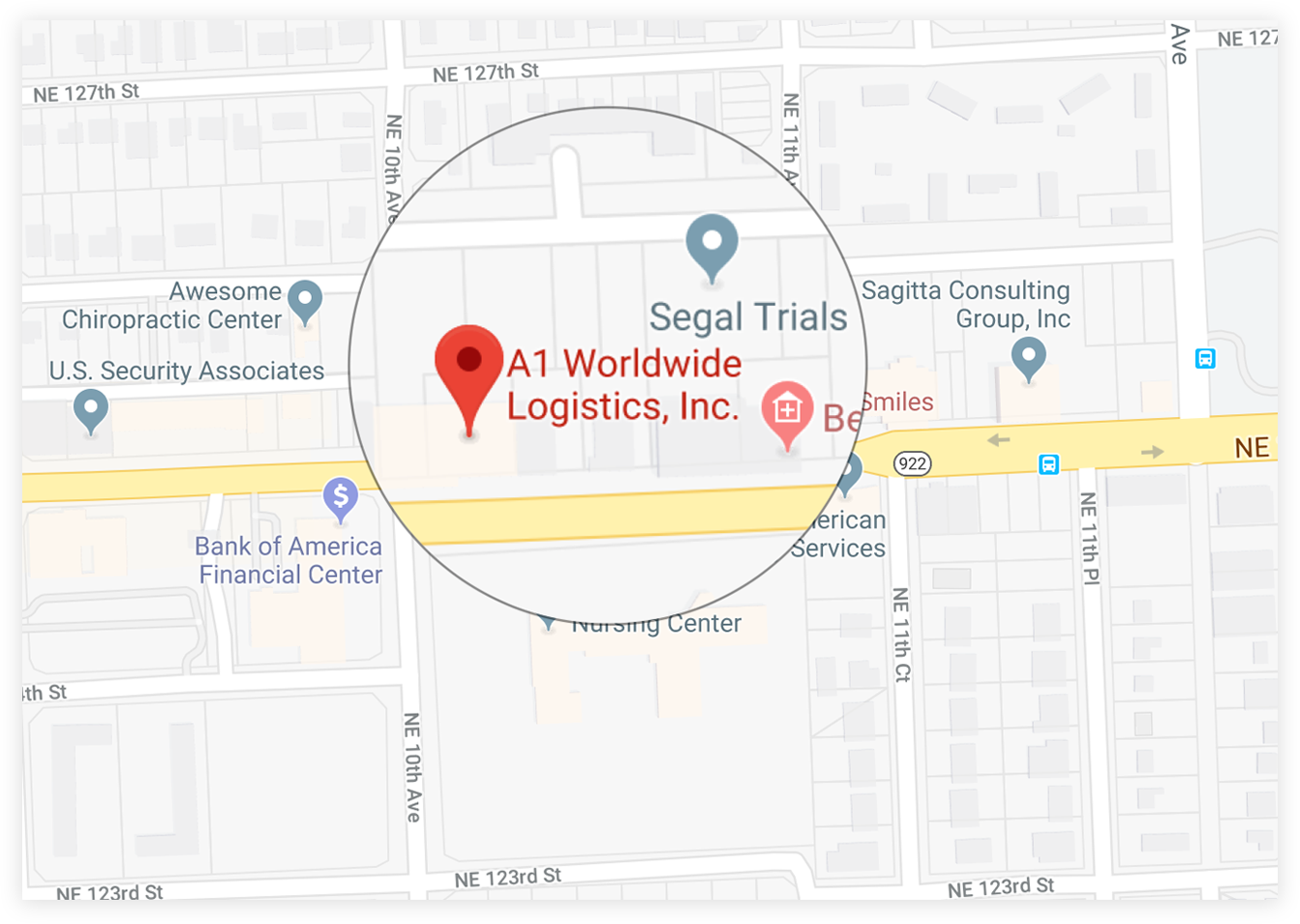
 1035 NE 125th St Suite #320, North Miami, FL 33161.
 a1worldwidelogistics.com
 (305) 821-8995
 Hours: 8AM - 5PM