Importing commercial goods from China into the United States involves more than arranging transportation. Before the supplier ships the cargo, the importer should understand whether the product is admissible, how it will be classified under the U.S. Harmonized Tariff Schedule, whether additional tariffs apply, what documents are needed, and how the shipment will clear Customs after arrival.
This guide covers the main steps involved in importing from China to the U.S., including product requirements, duties, air and ocean freight, Importer Security Filing for applicable ocean shipments, and customs clearance.
Before placing an order, establish whether the product can legally enter the United States and whether another government agency regulates it. The requirements depend on the merchandise. Food, electronics, machinery, toys, chemicals, medical devices, and other regulated products can require information or approvals beyond the normal customs entry.
China-origin goods can also require additional supply-chain checks. Under the Uyghur Forced Labor Prevention Act, goods mined, produced, or manufactured wholly or partly in Xinjiang, or by an entity on the UFLPA Entity List, are subject to a rebuttable presumption that they are prohibited from U.S. importation. The issue can extend beyond the supplier’s address because raw materials and components may come from elsewhere in the supply chain.
There is no general U.S. import license simply because goods are coming from China. Product-specific permits, registrations, or agency requirements need to be checked before the supplier ships the cargo.
While you do not need a permit to import from China, certain commodities require an import license.
Check the HTS Code and Duties Before the Goods Ship from China
There is no single duty rate that applies to everything imported from China.
The starting point is the product’s U.S. HTS classification. That classification determines the ordinary duty rate and helps identify whether additional trade measures apply.
Many products of Chinese origin are also subject to additional Section 301 duties. Whether those duties apply, and at what rate, depends on the specific HTS classification. Other additional duties and trade measures may also apply and can change over time, so the current treatment should be checked against the specific HTS classification before the goods ship.
Country of origin is important here. Section 301 duties are based on the origin of the goods rather than simply the country they are shipped from.
Before placing a large order, confirm the U.S. classification and current duty treatment rather than relying only on the tariff code or duty estimate supplied by the manufacturer.
Antidumping and countervailing duties need a separate check where the product falls within the scope of an active order. An HTS number can help identify a possible issue, but the Department of Commerce states that the written scope of an AD/CVD order controls whether the merchandise is covered.
Section 301 exclusions should also be checked against the exact product and entry date. USTR has extended 178 existing exclusions through November 10, 2026. An exclusion is not a general reduction for Chinese goods; the merchandise has to meet the terms of the particular exclusion.
What Does It Really Cost to Import From China?
The supplier’s price is only one part of the landed cost.
A commercial importer may also need to budget for international freight, ordinary customs duties, additional China tariffs, the Merchandise Processing Fee, Harbor Maintenance Fee for qualifying ocean cargo, customs brokerage, a customs bond, destination charges, and delivery within the United States.
Ask for the broker’s fee and estimated government charges to appear separately when comparing quotes. If the product has not yet been classified, treat any duty estimate from the supplier as provisional.
Our customs clearance cost guide explains these charges in more detail.
Do China Imports Under $800 Still Enter Duty-Free?
No. Businesses should not assume that a low-value shipment from China qualifies for the old $800 duty-free treatment.
Products of China lost eligibility for the de minimis administrative exemption on May 2, 2025. For qualifying non-postal shipments that previously would have entered under that exemption, an appropriate customs entry and the applicable duties, taxes, and fees are now required.
This is particularly relevant when comparing courier, air freight, and ecommerce shipping options. A low invoice value does not by itself mean the shipment will enter free of duty.
What Documents Do You Need to Import From China?
The exact documents depend on the product and method of transportation, but commercial imports commonly involve a Commercial Invoice, Packing List, and Bill of Lading or Air Waybill.
For ocean cargo subject to Importer Security Filing, eight of the ten ISF data elements are generally due no later than 24 hours before the cargo is loaded aboard the vessel destined for the United States. The container-stuffing location and consolidator have a later deadline.
The Commercial Invoice should clearly describe the goods, quantity, value, buyer, and seller. The product description needs to be specific enough for the customs broker to identify and classify what is actually being imported.
Commercial merchandise valued at more than $2,500 generally requires a formal customs entry and a customs bond. Certain goods regulated by another federal agency can require a bond even at a lower value.
A customs bond guarantees payment of duties, taxes, and fees to CBP; it is not cargo insurance. Importers that ship infrequently may use a single-entry bond, while businesses importing regularly can consider a continuous bond.
How Are Goods Shipped From China to the United States?
Once the goods are ready, the next step is arranging transportation from the supplier in China to the United States.
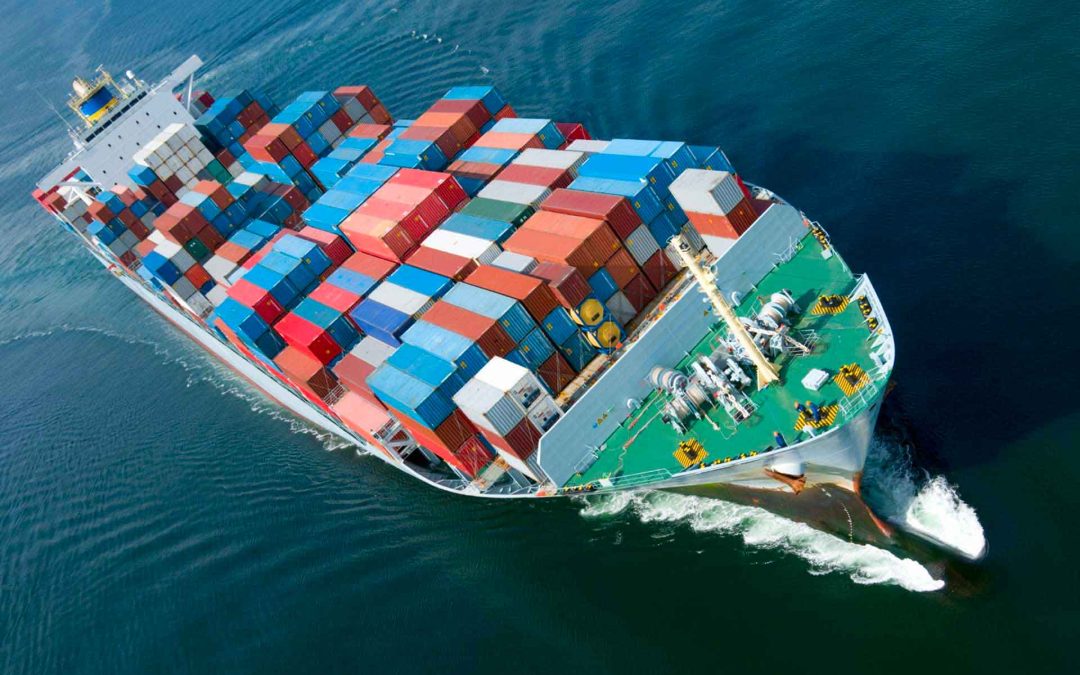
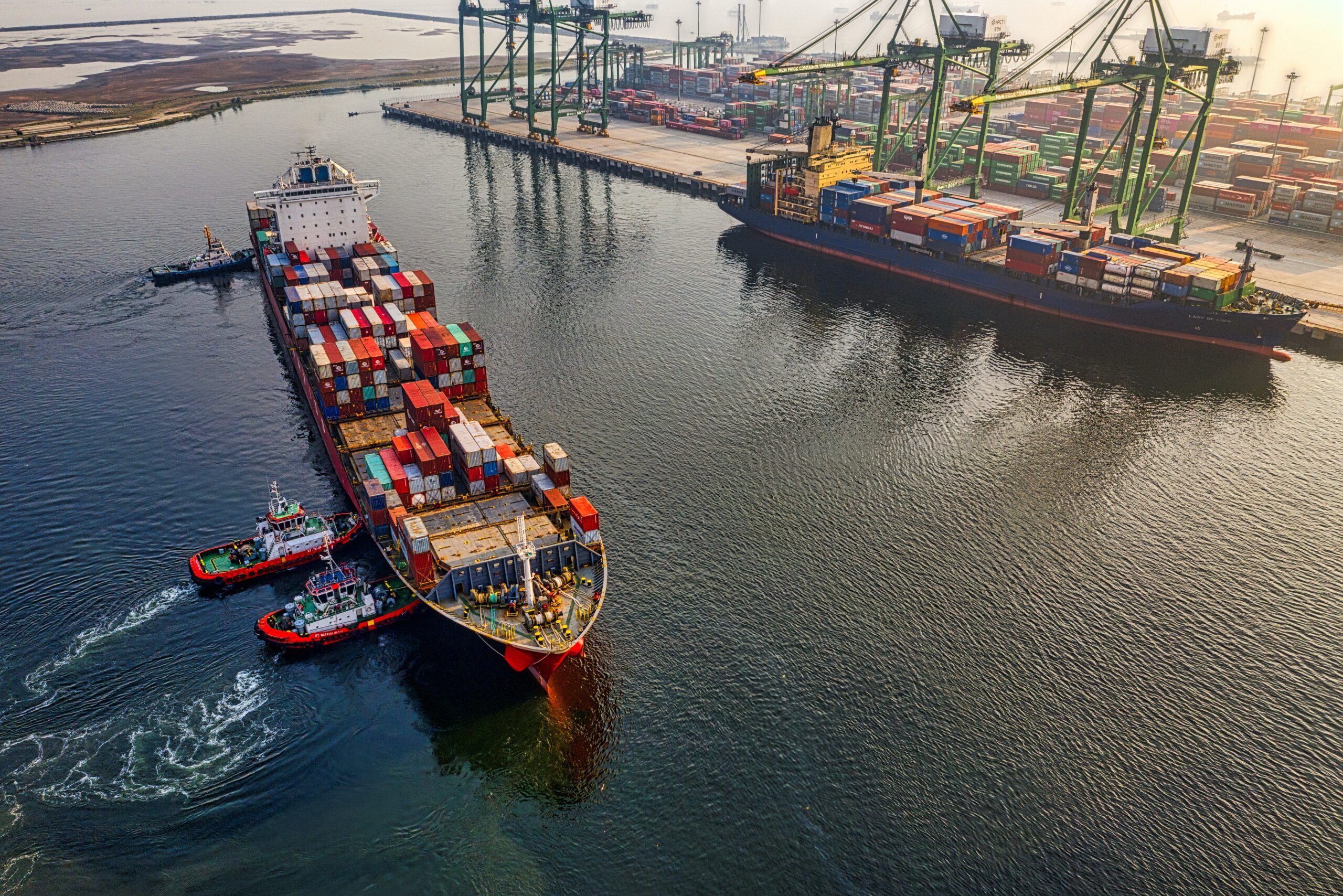
Commercial imports generally move by air or ocean freight. Air freight may suit smaller, high-value, or time-sensitive cargo, while ocean freight is commonly used for larger, heavier shipments.
Ocean cargo can move as a Full Container Load (FCL) or Less than Container Load (LCL) when an importer does not need an entire container. Machinery or other cargo that exceeds standard container dimensions may require specialist equipment such as flat racks or open-top containers.
Before booking the shipment, also confirm the shipping terms agreed with the supplier so that it is clear who is responsible for pickup, origin charges, international freight, and delivery.
FOB, EXW, and DDP When Importing From China
The shipping term changes which part of the journey the buyer needs to arrange.
With EXW, the buyer takes responsibility from the supplier’s premises, which can leave more origin-side transport and export work to arrange. FOB is common for ocean shipments and gives the buyer control of the main international freight after the supplier has delivered the goods on board at the named Chinese port.
DDP puts much more responsibility on the seller, including import clearance under the Incoterms® rule. If a Chinese supplier offers DDP, do not assume that settles the U.S. customs setup. Establish which company will act as Importer of Record, which broker will file the entry, and whose importer number and customs bond will be used.
Our Importer of Record guide explains this in more detail.
A freight forwarder can coordinate pickup in China, carrier booking, air or ocean transportation, and destination services.
If you are deciding between the two main modes, see our guide to shipping by air or ocean.
Common Problems When Importing From China
Several expensive customs problems begin before the shipment leaves China.
One is using the manufacturer’s full tariff code without checking the U.S. HTS classification. Another is budgeting only for the ordinary duty rate and discovering later that Section 301 or an AD/CVD order applies.
DDP shipments can also create confusion if nobody has established who will act as the U.S. Importer of Record. On regulated products, a factory’s ability to manufacture and export the goods does not establish that the product meets FDA, FCC, CPSC, EPA, or other U.S. requirements.
Supply-chain records also matter where UFLPA is a concern. CBP’s presumption can apply when Xinjiang materials appear further back in the production chain, even if the finished goods were assembled elsewhere in China.
These are better questions to resolve while the supplier still has the goods than after the cargo has been loaded.
What Happens When the Shipment from China Reaches the U.S.?
Customs clearance can often begin before the shipment physically arrives in the United States if the importer and broker have provided the necessary information in advance.
The customs broker prepares the entry using the shipment documents, product classification, value, and country of origin. CBP or another government agency determines duties and other applicable charges and may request additional information or select the cargo for examination.
No single clearance time applies to every import. The time depends on the entry, documents, agency requirements, and whether CBP selects the shipment for additional review.
Once the necessary requirements are satisfied and the shipment is released, the cargo can be collected from the port or airport and transported to its final destination.
Requirements can vary considerably by commodity. See A1’s U.S. import guides for more detailed guidance on machinery, food products, vehicles, construction materials, and other imports.
A1 provides customs clearance, freight forwarding, and trucking, so you can coordinate international transportation, entry, and final delivery as needed.
Importing Goods From China with A1 Worldwide Logistics
Importing from China is much easier to plan when you check product requirements, classification, duties, and shipping arrangements before the cargo leaves the supplier.
A1 Worldwide Logistics provides customs brokerage and international freight forwarding for commercial imports from China to the United States. If you have goods ready to ship, contact us at 305-821-8995 or info@a1wwl.com to begin your import journey. We guide you through each step of the shipping process to provide transparency in our services. Whether you need to speak to a customs broker or a freight forwarder, A1WWL has you covered.
Because of China’s ability to manufacture products on a large scale, importing from the country can present many opportunities.
Regulatory note: This guide provides general information and is not legal advice. U.S. import rules and agency requirements can change and may vary by product, country of origin, and shipment. Importers should confirm current requirements with the relevant U.S. agency and, where appropriate, a licensed customs broker or legal adviser before shipping.