How to Ship Goods Internationally: A Guide for Businesses

How to Ship Goods Internationally: A Guide for Businesses

Shipping goods internationally can mean very different things depending on what you are moving. Sending a box overseas with a parcel carrier is one process. Moving pallets, machinery, a full container, or commercial inventory between countries involves freight...

How to Choose a Freight Forwarder

How to Choose a Freight Forwarder

Choosing a freight forwarder should involve more than comparing freight rates. The company you choose may be responsible for coordinating carrier bookings, shipping documents, international transportation, customs clearance, and final delivery. When everything goes...

New Regulations Reshaping Logistics

New Regulations Reshaping Logistics

International and domestic shipping could soon see new regulations reshaping logistics industry compliance. In the last few months, two regulatory decisions have impacted five major sectors of the logistics industry. These include freight brokers, freight forwarders,...

Freight Forwarding In Miami

Freight Forwarding In Miami

Whether importing into or out of the US, freight forwarding in Miami can be an ideal solution for your shipment. A freight forwarder is a service provider that acts as an intermediary between shippers and carriers. Although they don’t operate the vessel, they handle...

Florida’s Importance to the Freight Forwarding Industry

Share This Article


While being known for beautiful beaches and warm weather, Florida is also known as a gateway to international markets. Florida’s location is not only ideal for trade with South America and the Caribbean but for Asia as well. The Panama Canal is situated at a distance that shortcuts the time that global shipments reach Florida. In 2016 the Neopanamax locks opened, meaning that larger ships and vessels from distant locations like Asia could pass through. China, being the world’s biggest exporting country, has also benefited from Florida’s location. An estimated $55.5 billion in cargo was shipped out of the state in 2021.

The freight forwarding industry in Florida has thrived due to the many conveyance methods available for moving shipments. Florida boasts 19 commercial airports, 21 foreign trade zones, 15 seaports, and various railroads located throughout the state. In 2019, Florida moved 912 million tons of freight valued at over $1.1 trillion in its freight system. The state’s positioning benefits freight forwarders and shippers by allowing solutions to streamline supply chains. Florida’s growing population has increased the volume of cargo moved in and out every year.

The Port of Miami and Miami International Airport

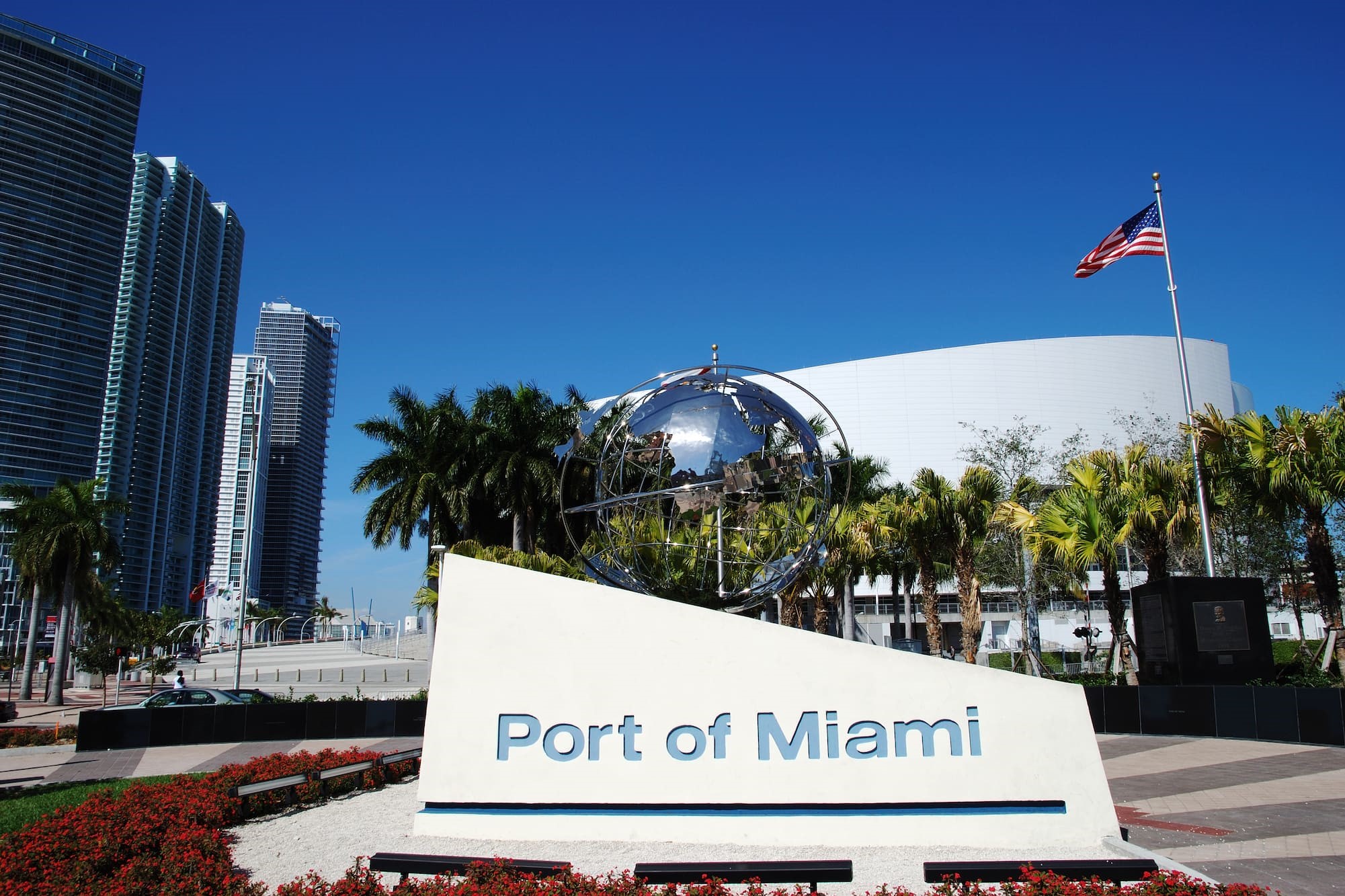
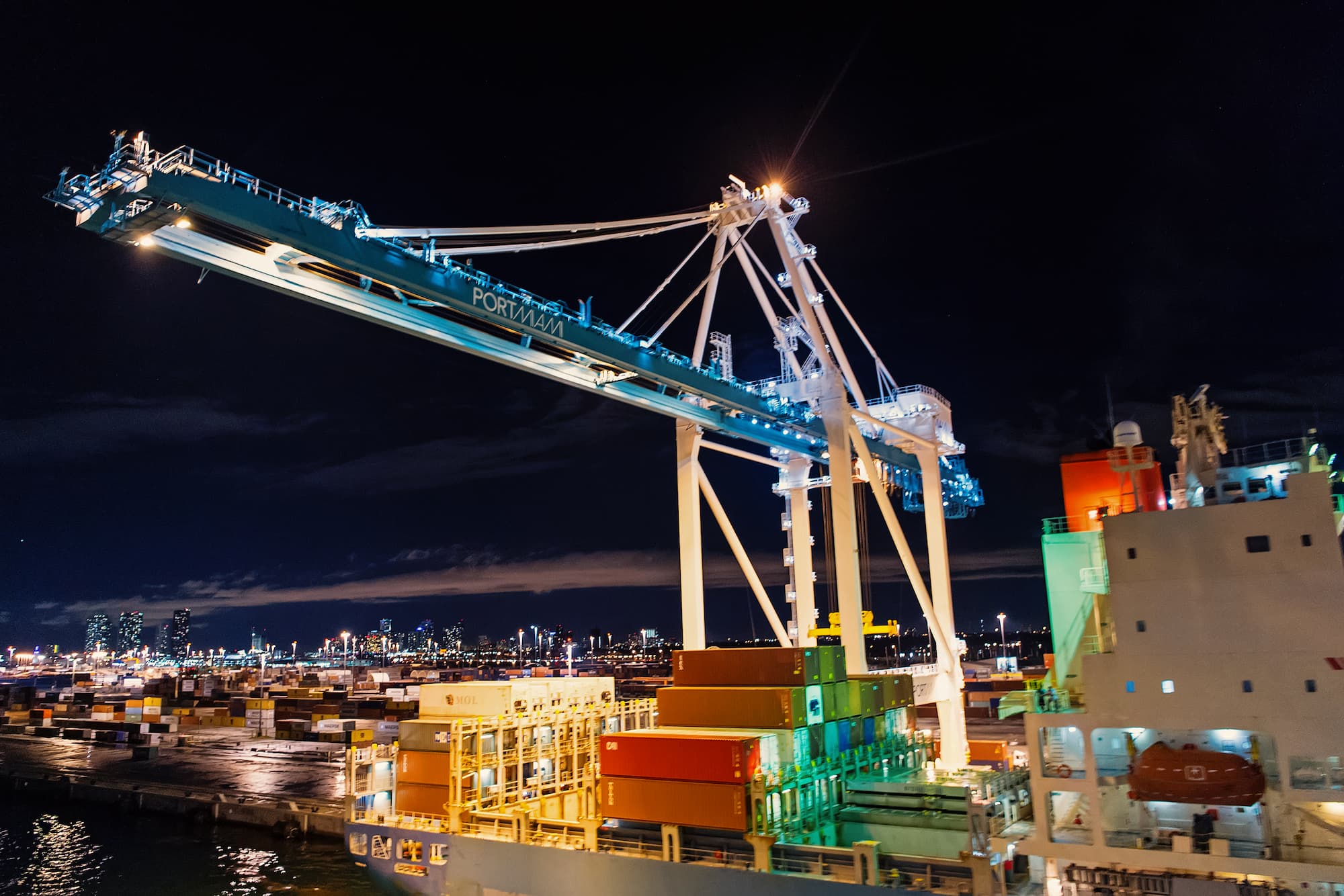
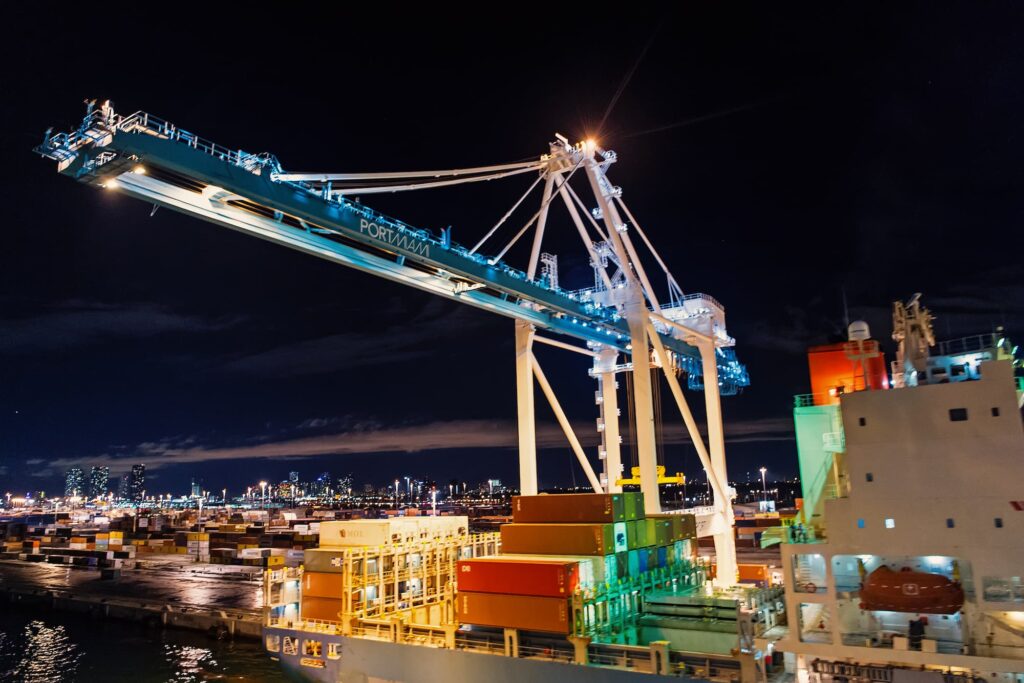
Miami is one of the most significant cities in Florida for shipping freight by air and sea. Two powerhouses contributing to Miami’s freight forwarding success are the Port of Miami and the Miami International Airport. With a TEU capacity of 1,220,000, the Port of Miami is one of the ten largest ports in the U.S. For reference, a TEU (twenty-foot equivalent) is a unit of measurement for the cargo capacity of a twenty-foot container. The Port of Miami is also the only southern-eastern port that allows post-Neopanamax vessels to pass through. The most common types of freight exported include citrus fruit juices, grapefruit, dairy products, and cognac brandy.

Miami moving imports and exports

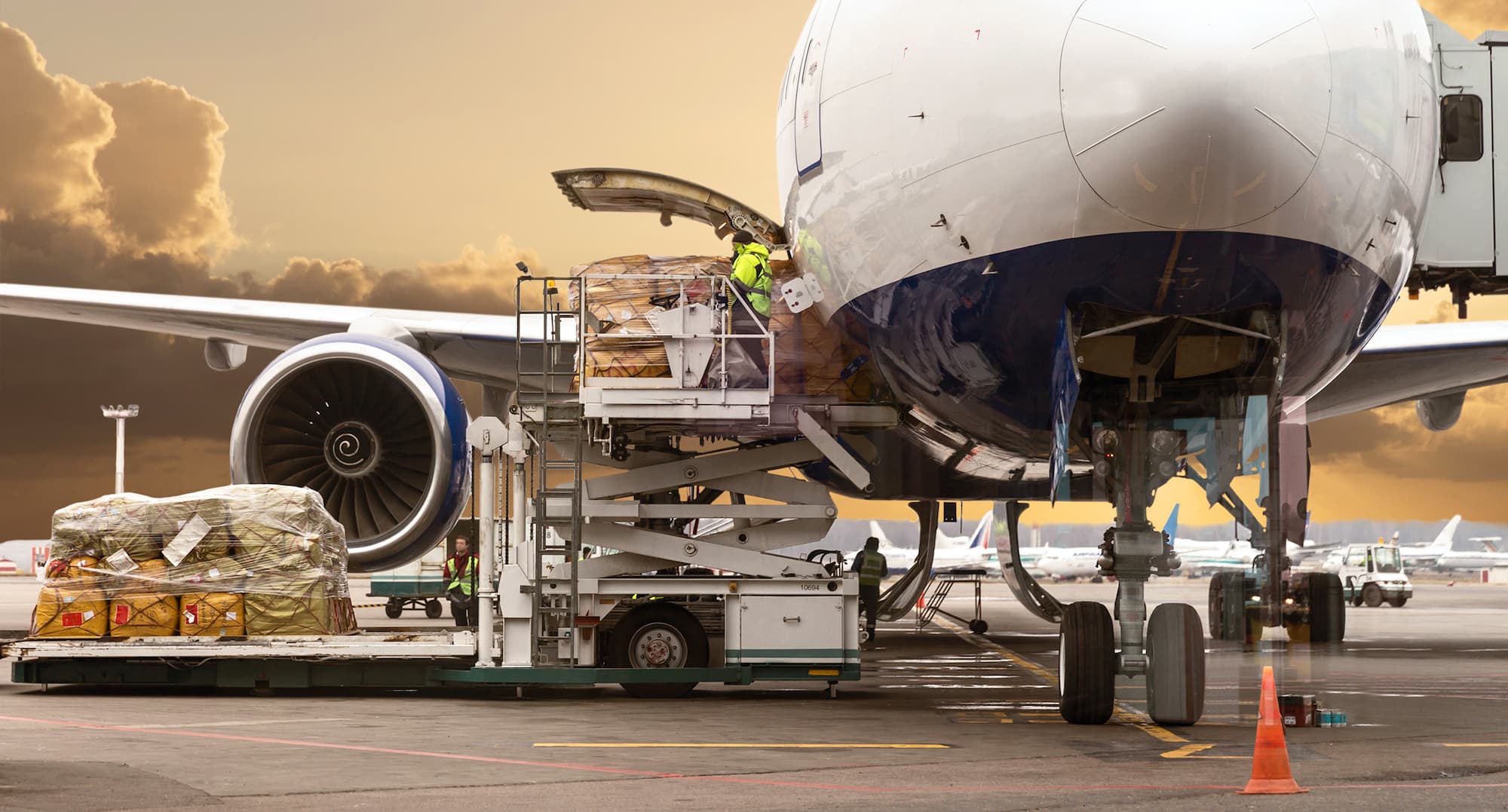
The Miami International Airport is one of the busiest airports in the U.S. in terms of cargo movement. In 2021 the airport moved over 11 billion pounds of cargo. Nearly 70% of all perishable airfreight entering the U.S. comes through the Miami International Airport. This includes over 90% of flower imports. Once passed through the airport, the goods are transported throughout the U.S. Items such as computers, cellphones, and aircraft components are standard exports out of the facility. The high volume of cargo results from the port’s location, making it a perfect gateway to Latin America and the rest of the world.

Shipping internationally can be beneficial for the growth of a business. However, the actual process may be complex, especially for first-time shippers. Each country has its own rules and guidelines; not understanding the regulations can result in the loss of your shipment. It is highly beneficial to contact a freight forwarder to coordinate the movement of your cargo. If you are looking for a Freight Forwarder in Florida, contact A1 Worldwide Logistics at 305-821-8995 or info@a1wwl.com. We also have customs clearance services to clear your goods when they arrive in the U.S.


ASSISTANCE ALSO IN SPANISH!
 

A1 Worldwide Logistics, Inc.

📍1035 NE 125th St #320, North Miami, FL 33161, USA

🌍 a1worldwidelogistics.com

📞 305-821-8995

🕒 Hours: 8AM – 5PM

Send your request

This is a guide on how to ship goods internationally.

How to Ship Goods Internationally: A Guide for Businesses

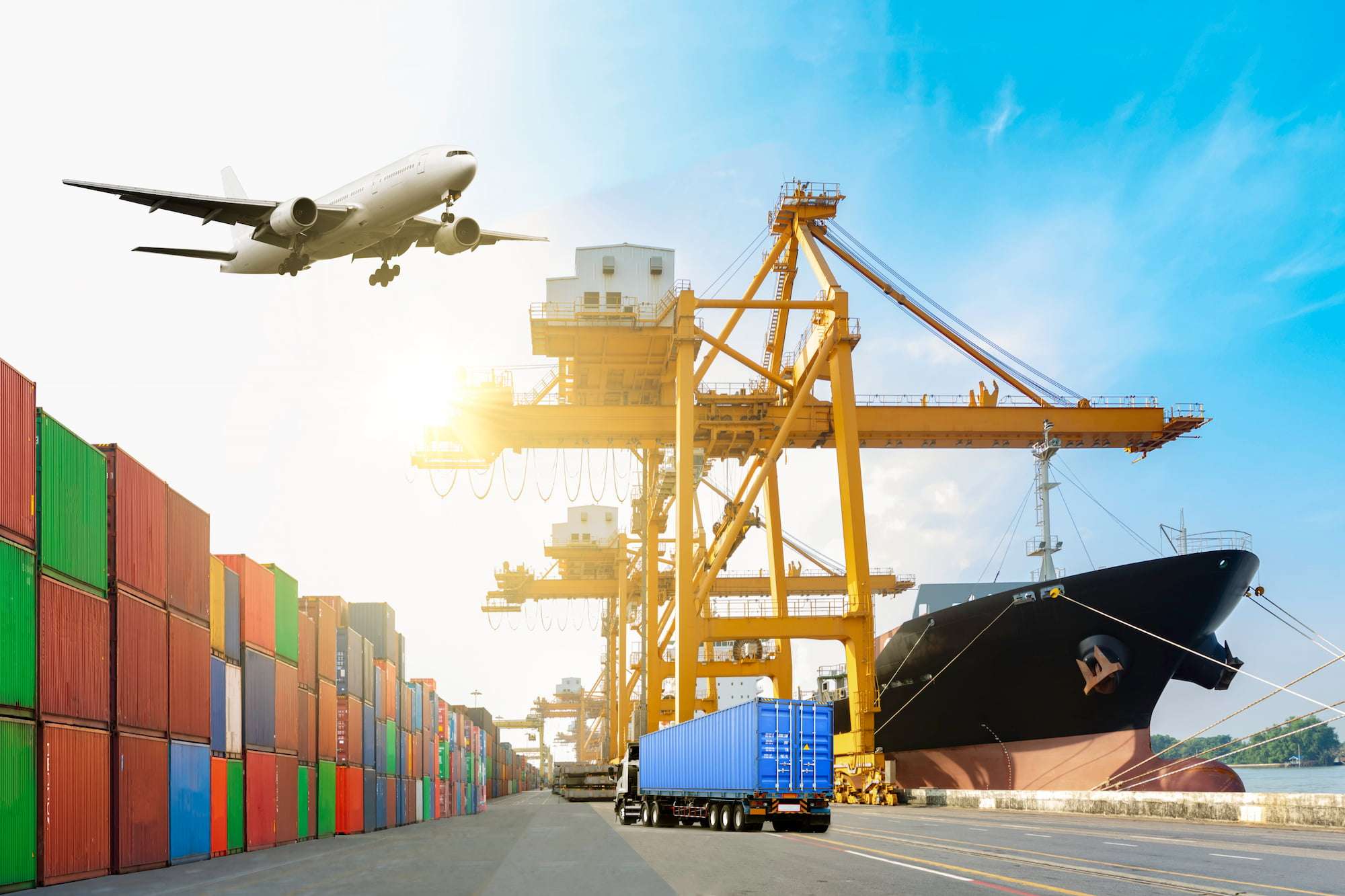
Commercial international shipping can involve freight transportation, carrier bookings, complex documentation, customs requirements, and much more. 🚢✈️ Understanding these steps can help you avoid delays, unexpected costs, and compliance issues.

There are many qualities to look for when choosing a freight forwarder, this will be a guide for making a decision.

How to Choose a Freight Forwarder

Choosing a freight forwarder should involve more than simply comparing rates. The right company can help coordinate bookings, manage documents, arrange international transport, assist with clearance, and move your cargo toward its final destination.

There are numerous qualities to look for when choosing a customs broker.

How to Choose the Right Customs Broker

Choosing the right customs broker can make a major difference when importing goods into the U.S. From classifying and calculating duties to managing documentation and communicating with CBP, a knowledgeable broker can prevent costly surprises.

What can shippers expect as as the fees to cross the Panama Canal continue to rise.

Panama Canal Fees Continue To Rise

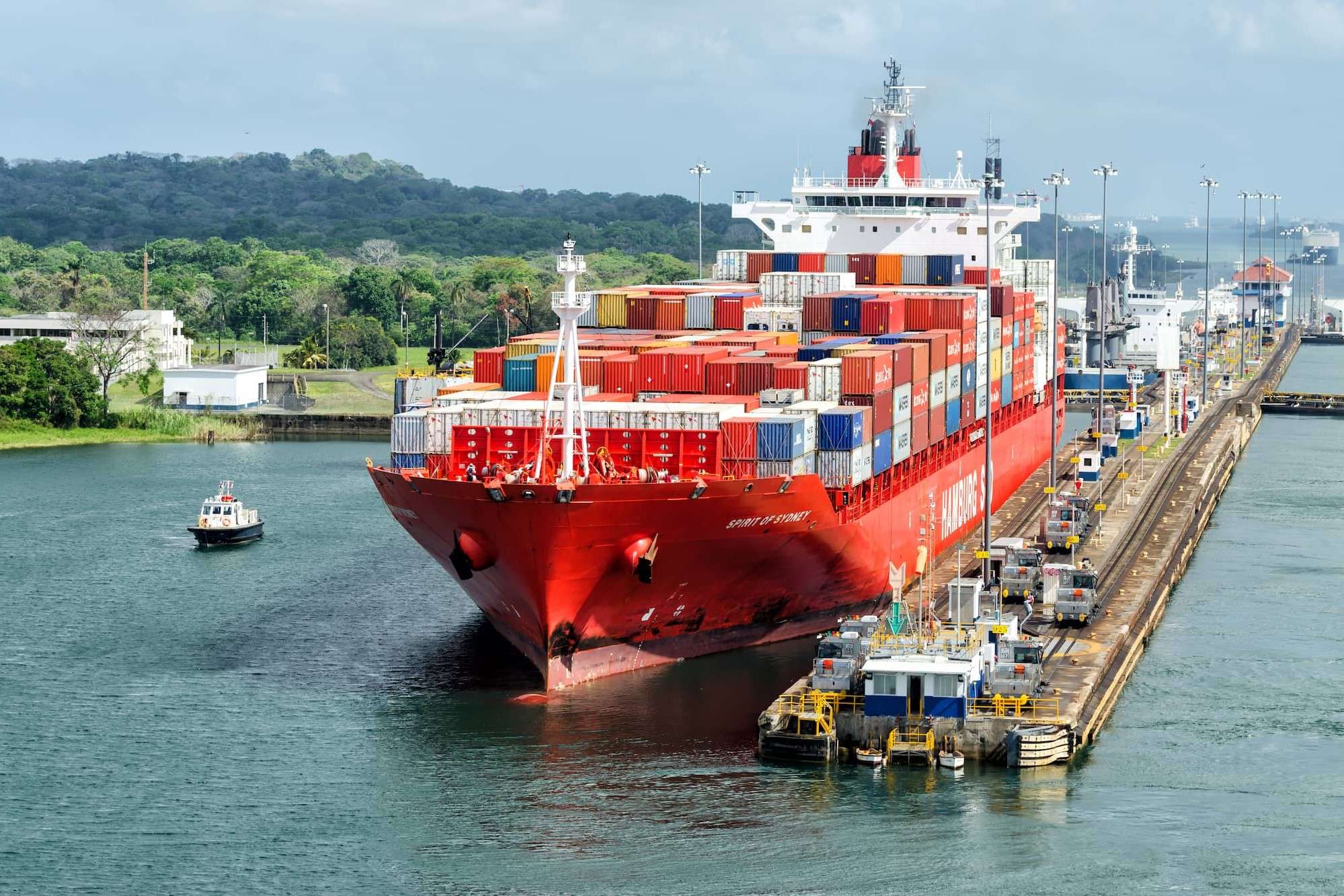
Panama Canal costs are rising—and shippers may soon feel the impact. Higher transit fees, carrier surcharges climbing from $100 to nearly $150, and auction prices exceeding $2 million for a single crossing are putting pressure on shipping costs.

President Trump is continuing to impose tariffs on various nations.

Trump Continuing To Impose Tariffs

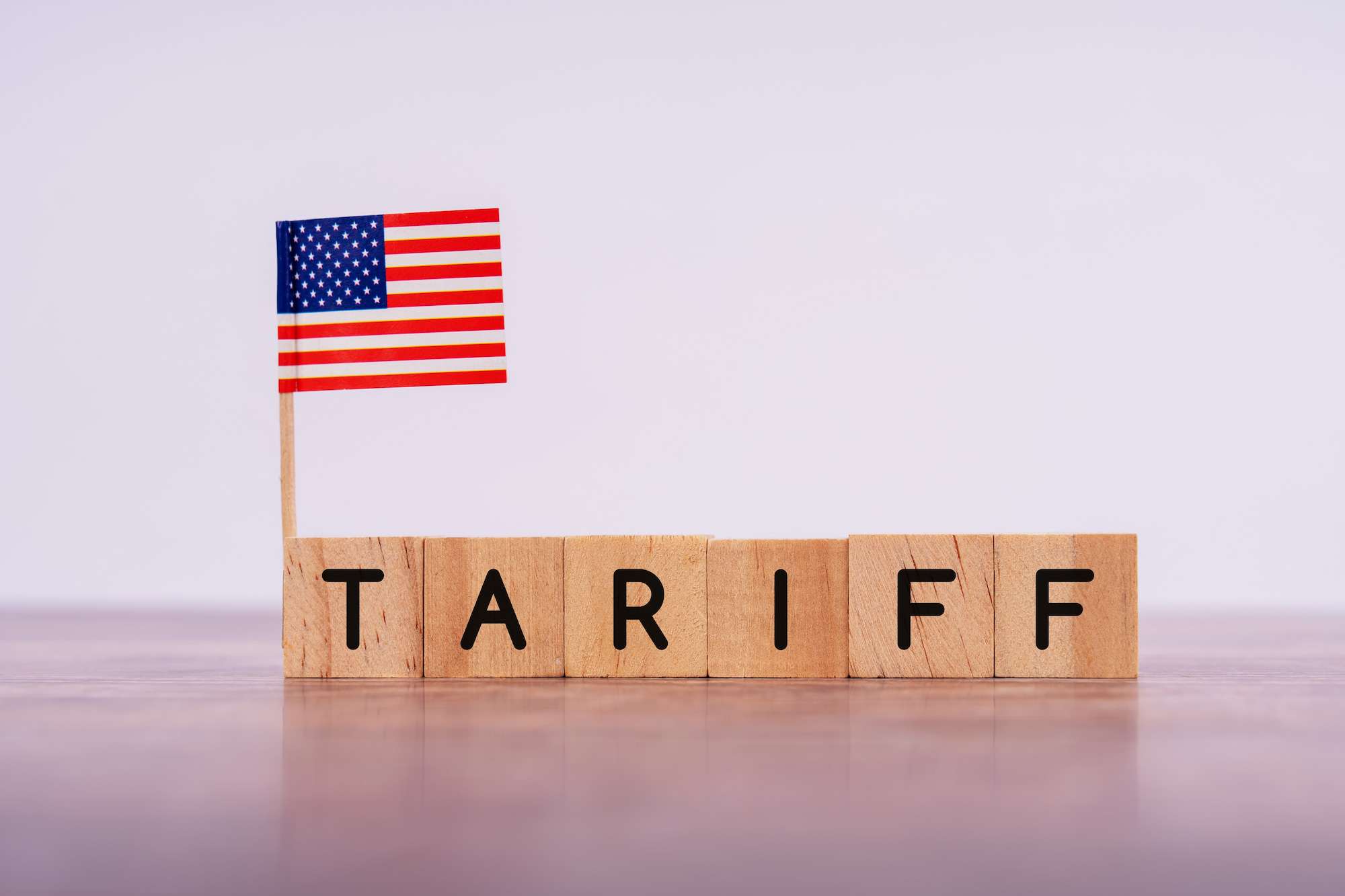
Global trade is facing another wave of tariff changes. The Trump Administration has announced new 25% tariffs on numerous imports from Brazil and 50% tariffs on certain Canadian imports.