The Ongoing Red Sea Attacks
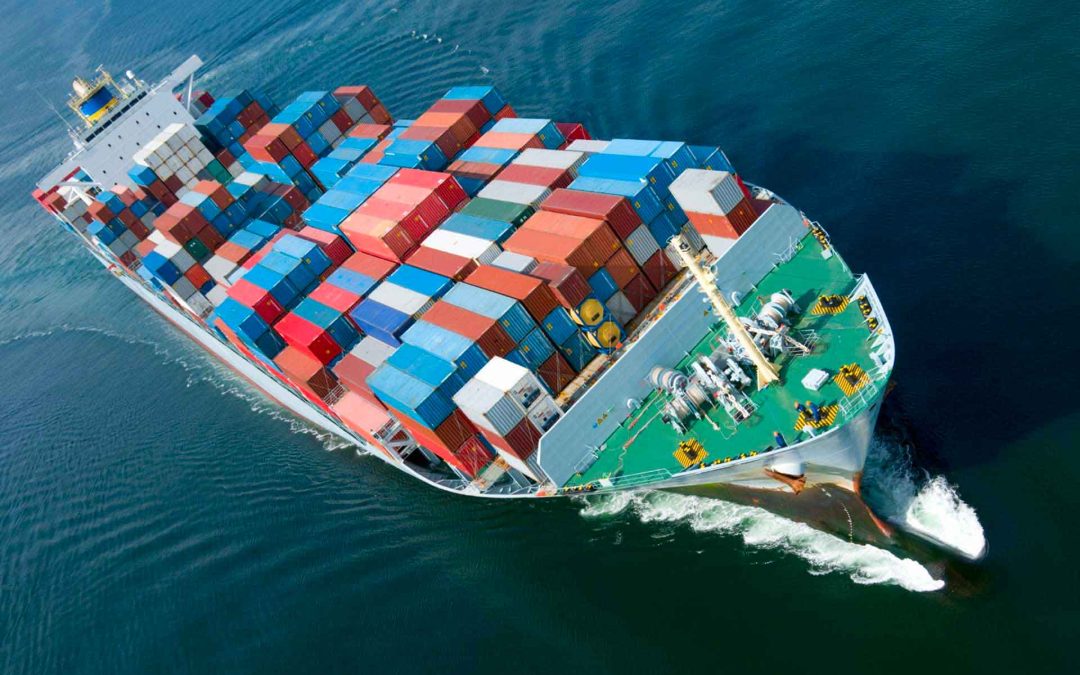
After months of turmoil, the ongoing Red Sea attacks are continuing on containerships passing through. On December 26th, 2023, Houthi militants attacked a containership of one of the biggest shipping companies in the world. Over the next month, and into February, the militants struck multiple ships moving through the waterway. The reason that the disruptions are happening is the Israel-Hamas conflict that has been ongoing over the last year. Initially the war was primarily in Gaza but has escalated to other parts of the region, like the Red Sea. The attacks are at a point where shippers exporting their goods globally are starting to feel the effect.
What Do The Ongoing Red Sea Attacks Mean For International Shipping
The Red Sea is one of the most significant waterways in international trade. It connects to the Suez Canal, one of the most crucial artificial passages for shipping. Nearly 30% of container volume and 12-15% of global shipping traffic passes through the Suez Canal. Due to the number of carriers that pass through, the attacks significantly affect cargo moving globally. The reason behind the strikes is to cause trade disruptions, which will potentially push Western governments to force Israel to a ceasefire in Gaza. International trade has begun to feel the impact of higher transit times, shipment delays, and more emissions.
International shipping has already felt the strain from the Ukraine-Russia war and the Panama Canal drought. One of the main effects is that delays and congestion in certain ports could continue to surge. Another effect is increased shipping rates, particularly in shipments from China to the U.S. West Coast. The China-West Coast FBX rate of $2,713 on January 3rd, 2024, was over 95% higher than in January 2020. Many believe the congestion will increase in the next few weeks, specifically in West Coast ports. This is due to U.S. West Coast ports like the Port of Los Angeles becoming a more attractive transportation route.
How Are Shippers Responding To The Attacks
With the conflict continuing, shippers are finding numerous ways to navigate the disruption. As mentioned, some of the biggest shipping companies have rerouted their carriers to various locations away from the Suez Canal. By January 2024, freight passing through the Suez Canal reportedly dropped nearly 45% in two months. A frequent route has been the Cape of Good Hope in South Africa, which has pros and cons. Although exporters avoid the disruptions, this journey adds up to 14 days to the shipment. Another solution that shippers are looking at is using other methods of conveyance, like air and land. Transporting cargo by air reduces the transport time to nearly one or two days, which is crucial for time-sensitive cargo.
When situations like the current conflict arise, you must take measures to ensure your shipment’s success. Although disruptions in a canal may not be avoidable, there are ways to avoid feeling the damage to your shipment. Coordinating with a freight forwarder is a primary factor in preventing delays and impediments to the supply chain process. Freight forwarders are logistics professionals with years of experience in shipping. Contact A1 Worldwide Logistics at 305-821-8995 to speak to our export forwarders and begin moving your cargo globally.