Container Rates Still Rising
Recent developments are causing an increase in shipping costs, with container rates still rising since the start of 2024. Carrier companies could soon raise prices to $20,000 for 40ft equivalent units (FEU) by the end of the year. In particular, a surge in Freight All Kind (FAK) rates is not bound to a specific commodity. The Drewry World Container notes an increase of 11% for a 40ft container, bringing the average cost to $3,511. This is a 104% increase compared to the same period last year. The spot rates of specific trade routes’ have also risen by nearly 30% in the past two weeks. With peak season starting in mid-August, the current situation may lead to higher costs and delays in the coming months.
Why Are Container Rates Still Rising?
Different global factors have contributed to the rise in container rates, including the scarcity of available space. Along with the Panama Canal drought and the US-China trade war, the Red Sea crisis significantly adds to the surge. The war near the waterway has caused ships to reroute around the Cape of Good Hope in South Africa. This added nearly 14 days to some shipments, extending transit times and limiting container capacity, raising container costs. Meanwhile, demand for international shipping has reached record levels in Q1 of 2024, nearly up 9.2% compared to Q1 last year. The present market is due to lowering capacity and transit times during the coronavirus pandemic.
Although the international shipping industry has recovered from COVID-19, the impact is still in the minds of shippers. The current scarcity of container space is following the pandemic trend, and many are preparing in advance. Companies are importing more goods now to have inventory and prevent potential delays as the peak season nears. The rise in container rates directly results from the demand and is a GRI (General Rate Increase). GRIs are standardized adjustments by carriers to base rates across shipping routes. With prices rising as the peak season approaches, some may be willing to pay more to secure space.
What Does It Mean For The Shipper?
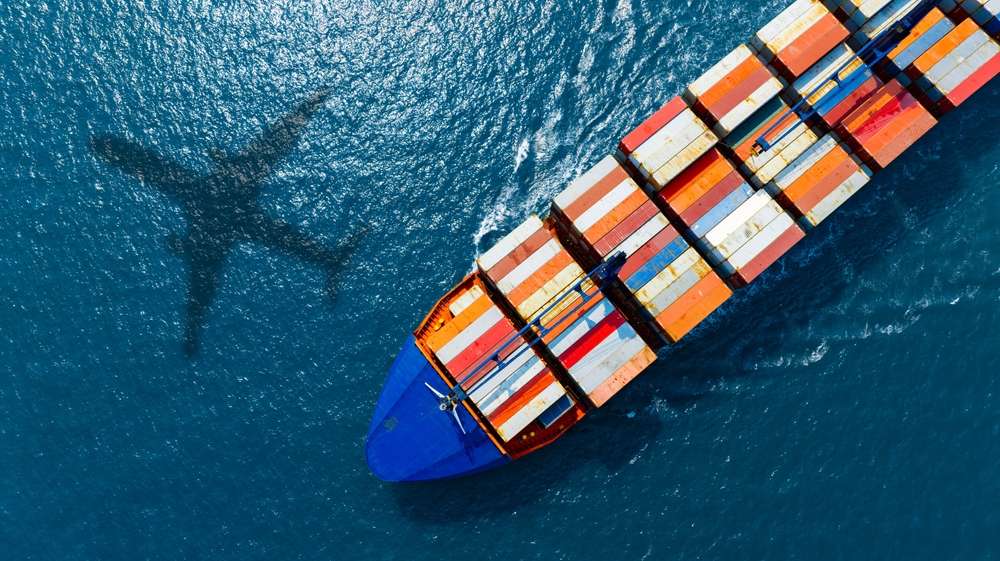
The hike in rates has a direct impact on shippers that extends beyond having to pay extra costs. Other effects include increasing cancellation of reserved space, new weight limits, and more significant surcharges. While it may be impossible to avoid rising rates, exporters must prepare beforehand to prevent any adverse issues from arising. Shippers have already started looking for alternative methods of conveyance, like air, to prevent delays. They must be current with any news in the international shipping industry. This can include constantly checking news websites or other media sources for information. Understanding your supply chain is also crucial in making informed decisions.
Despite the current rising costs, shippers still must move cargo internationally. However, they must take the proper steps to ensure the transport of their goods. Another way to prepare is by using the assistance of a freight forwarder to move your cargo. Forwarders act as the middleman between the shipper and the carrier transporting the goods. They have various responsibilities, including finding the best rates for exporters. Along with guiding shippers throughout the process, they assist with the duty payments and documentation on their behalf. Call A1 Worldwide Logistics at 305-425-9456 to communicate with our freight forwarders regarding your shipment.