Court Ruled Trump’s Tariffs Illegal
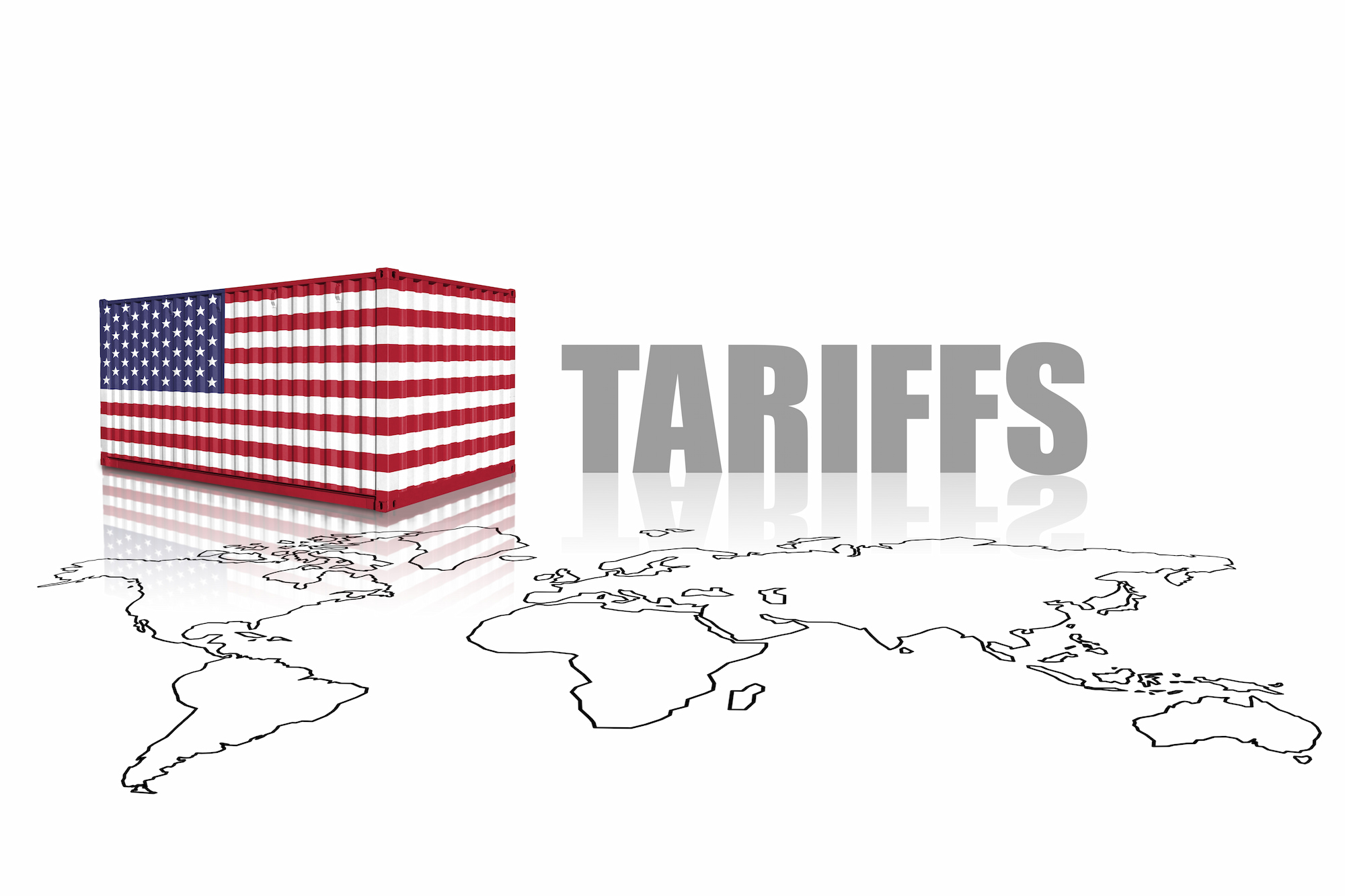
An appeals court ruled Trump’s tariffs illegal after a 7-4 decision on August 29. In the ruling, the Court of Appeals sided with the Court of International Trade. Along with reciprocal tariffs, this decision could also affect separate levies that Trump placed on Canada, Mexico, and China imports. Despite the ruling, the appeals court will delay issuing a mandate against Trump’s levies until October 14. The purpose is to allow the Trump administration time to appeal to the Supreme Court. If the Supreme Court grants certiorari, the court will make a final ruling by June 2026. This article will explain the reason behind the ruling and what it could mean for international shipping.
Why the Appeals Court Ruled Trump’s Tariffs Illegal
The primary reason behind the ruling is Trump’s unlawful use of the IEEPA (International Emergency Economic Powers Act). Under the IEEPA, the president can allow or block specific international transactions during a declared emergency. However, the president cannot impose broad tariffs without definite congressional approval. In a statement, the justices noted, “It seems unlikely that Congress intended, in enacting IEEPA, to depart from its past practice and grant the President unlimited authority to impose tariffs.” The court did note that the tariffs Trump imposed under statutes are still valid. Examples include levies on steel and aluminum (Section 232) and levies targeting unfair trade practices (Section 201).
In the 7-4 decision, the judges against the majority argued that the president’s right to “regulate importation” should include tariffs. They also argued that the ruling reduces presidential emergency powers. Along with the decision, the appeals court pushed the Court of International Trade to revisit certain parts of the verdict based on the Supreme Court’s decision. Some aspects include whether an injunction against Trump’s levies will affect the tariff payers or the plaintiffs involved. The Trump administration responded to the ruling by stating it would seek an immediate hearing from the Supreme Court. If the Supreme Court maintains the verdict, the government may have to refund importers billions of dollars.
How Could Your Shipment Be Impacted From The Decision?
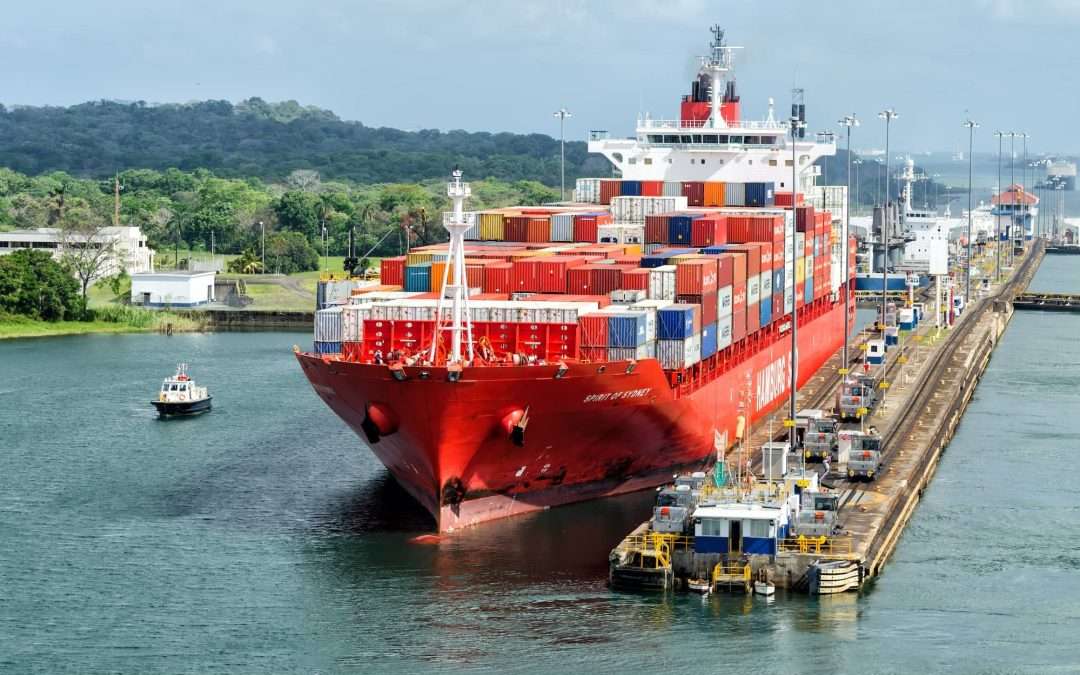
The ruling could significantly impact shippers, given the volume of cargo imported into the US after Trump started imposing tariffs. Along with reciprocal tariffs, this could include country-specific levies placed on countries like China to curb the inflow of fentanyl. If the Court of Appeal’s ruling stands, importers may be entitled to refunds totaling hundreds of billions. Legal experts expect either class-action lawsuits or trade associations to lead repayment efforts. Shippers could also see a surge in import volumes if Trump’s reciprocal tariff ends permanently. Despite the decision, there is still short-term uncertainty as the case heads to the Supreme Court.
When shipping cargo internationally, different scenarios may arise that can impact your shipment’s success. Failure to prepare can lead to delays, monetary loss, and cargo loss. Along with being up-to-date with regulations like tariffs, another way to prepare before starting is by contacting a freight forwarder. Forwarders are intermediaries between the shipper and the carrier and coordinate freight movement globally. They do this by offering various services, including customs clearance, international and domestic transportation, warehousing consulting, and more. Forwards also guide the shippers on the best steps for ensuring a successful shipment. Reach A1 Worldwide Logistics at info@a1wwl.com or 305-425-9456 to speak to a forwarder about importing or exporting internationally.