US And China Reach A Trade Deal
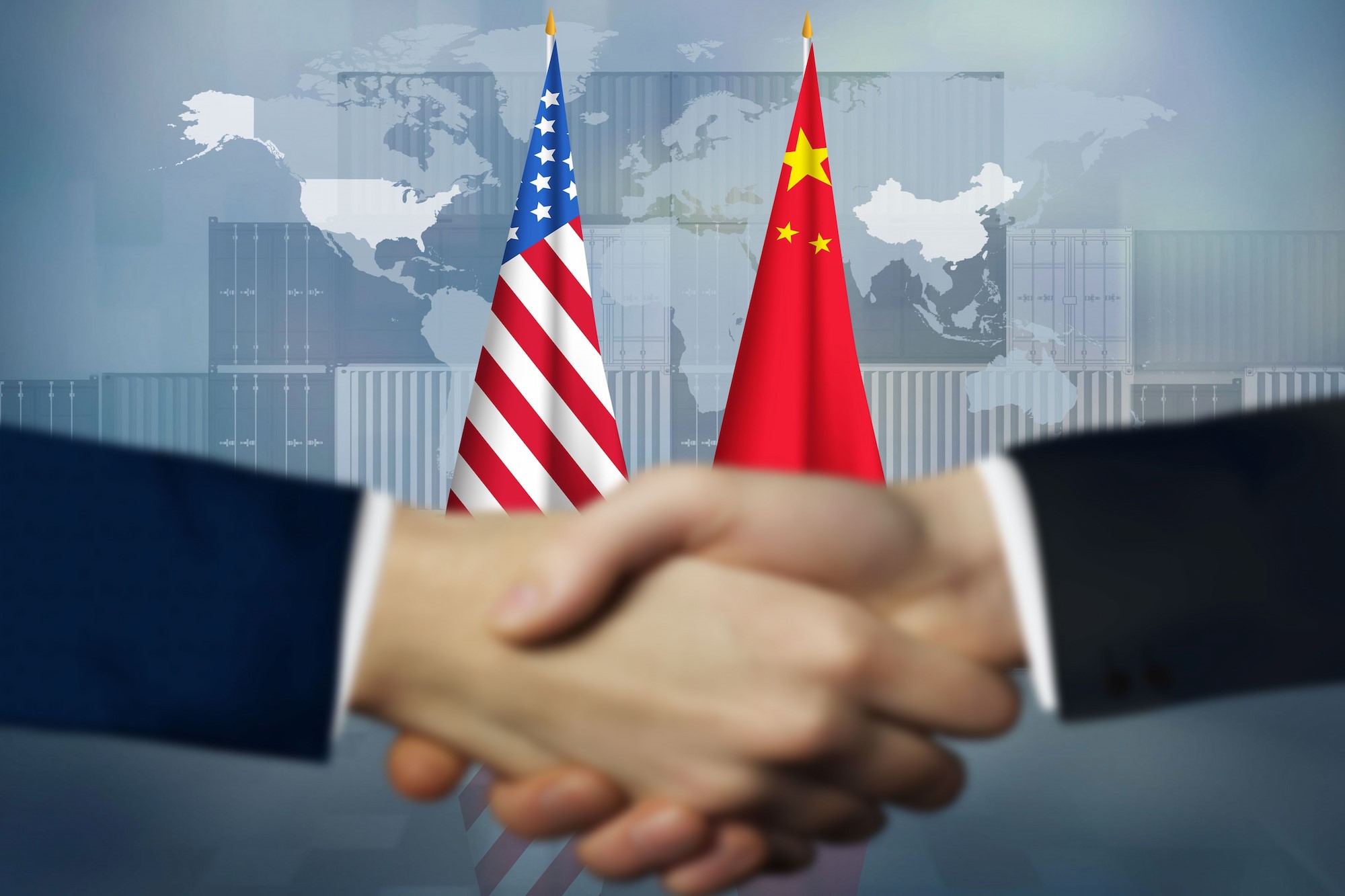
The US and China reach a trade deal after months of escalation between the two countries. Both nations agreed on various trade issues during a meeting between US President Trump and Chinese President Xi Jinping. The agreement comes days after the Chinese government began charging fees on US-owned ships docking at Chinese ports. President Trump responded by announcing a 100% tariff on Chinese imports, which he has since reversed. Since Trump has reentered the office, he has released, paused, and increased imports into the US, hitting China the hardest. China retaliated by imposing its own levies, and after a few back-and-forths, the tariffs reached over 100% for both countries. The taxes were then reduced, and the recent truce further de-escalated the trade war.
What Will The New Trade Deal Entail?
Trump’s and Xi Jinping’s new deal covers various aspects of international trade, including tariffs. Under the agreement, the US will lower the average tax rate for Chinese imports from 57% to 47%. Trump will do this by reducing all of the tariffs related to fentanyl from 20% to 10%. One of the primary reasons that the US placed levies on China is to address the inflow of fentanyl. Trump has also removed the 100% tariff he recently announced on China. US duties on Chinese goods will remain around 30%, while China’s duties on US products will stay near 10%.
China has agreed to relax its planned controls on exporting goods like rare earth materials for one year. The US typically imports them for manufacturing technology and automobiles. Trump noted that the rare earth agreement is a one-year deal, stating, “Now, every year we’ll renegotiate the deal, but I think the deal will go on for a long time, long beyond the year. But all of the rare earth has been settled, and that’s for the world.” China has also agreed to increase US agricultural and energy product purchases. The Chinese government will also take stronger measures against the export of chemicals that can be used to make fentanyl.
How Will International Shipping Be Impacted As The US and China reach A Trade Deal?
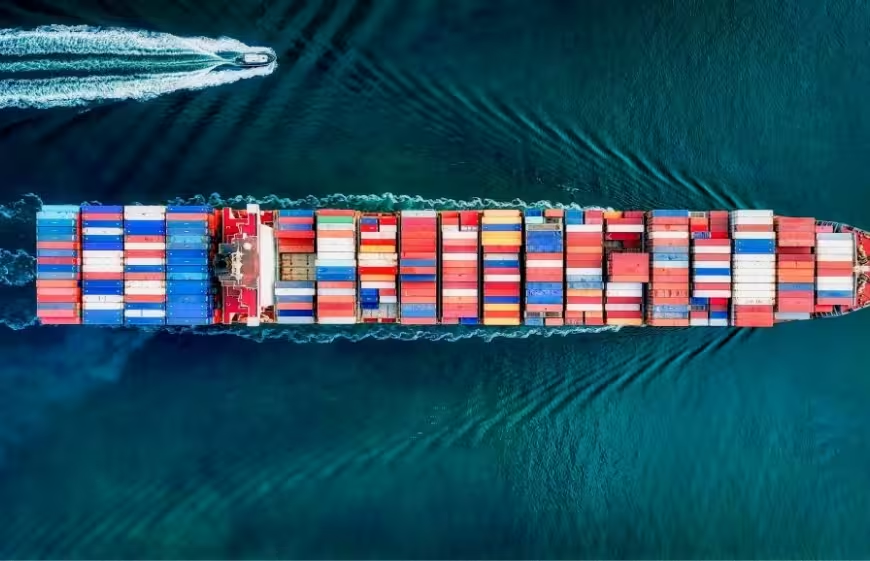
China and the US are the largest shippers globally, so a trade deal will significantly benefit international shipping. Higher tariffs may have raised costs for shippers that move goods between the two countries. Different supply chain parts, including the cargo’s shipper, carrier, and receiver, would have felt the impact. Lower importation costs can increase the volume of goods imported into both countries, potentially boosting the economies. The increase in imports could also benefit domestic shipping. Trump described the deal as a one-year framework, and further negotiations will happen for a long-term roadmap.
Although a trade deal may make importing and exporting from the US more attractive, shippers should still prepare beforehand. Not being prepared can lead to supply chain disruptions that result in monetary loss. When shipping cargo internationally, shippers can prepare by speaking to a 3PL (Third-Party Logistics) provider like A1 Worldwide Logistics. 3PLs are service providers that offer various services for a shipper’s supply chain. These services include freight forwarding, customs clearance, warehousing, and more. They also explain what to expect and give the best action to ensure a successful shipment. Reach A1 Worldwide Logistics at info@a1wwl.com or 305-425-9456 to learn about our 3PL solutions for your supply chain.