Shutdown Impacting Air Imports
With the holiday season rapidly approaching, shippers could soon see the government shutdown impacting air imports. Since October 1, the US has been in a government shutdown that has currently reached 41 days. The shutdown occurred after Congress failed to pass the required appropriations bill for funding government operations. In particular, Senate Republicans blocked Democratic proposals for extending healthcare, while Democrats have rejected the GOP’s funding plan. Along with impacting sectors like the CBP (Customs and Border Protection), international shipping has also felt the shutdown. In addition to affecting various modes of transportation, such as sea and land, the shutdown has directly impacted air imports.
How Is The Government Shutdown Impacting Air Imports?
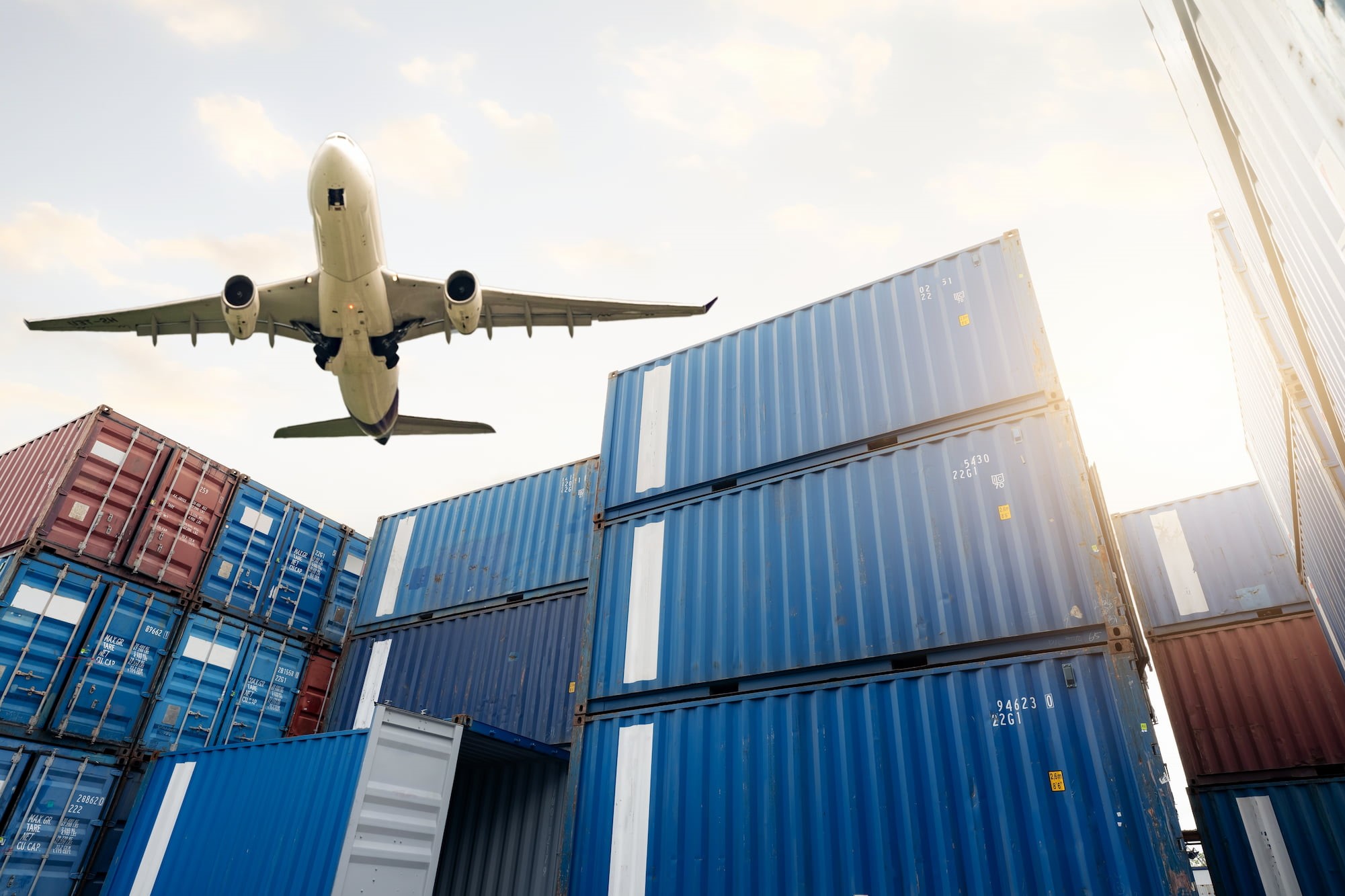
Soon after the government shutdown began, federal workers were furloughed and sent home without pay. Key partner agencies, including the CBP (Customs and Border Protection), EPA (Environmental Protection Agency), and the FDA (Food and Drug Administration), employed some of the workers. As a result of the agencies operating with limited staff, operations are also restricted. Inspections and certifications for imports arriving by air could be delayed, resulting in longer customs clearance times. On Friday, October 7, the FAA (Federal Aviation Administration) reduced travel capacity by 10% at 40 of the busiest airports. The reason was due to controller staffing shortages, which may soon intensify with the approaching holiday season.
A significant effect that the government shutdown could soon have on air cargo imports is longer lead times. This can be especially problematic if the goods are perishables or cargo that must be transported on an expedited schedule. The overall cost could also increase due to delays and potential rerouting to other airports. Demurrage costs resulting from an excessive backlog can further increase expenditures, which are spread across various supply chain components. In addition to impacting the shipper and carrier, the customer may also directly feel the effects of higher prices. In addition to having a ripple effect on supply chains, the shutdown could also strain economic growth.
How Can Shippers Protect Their Shipments?
Since the holiday season is a time of pressure for shippers, the government shutdown can add greater stress. Due to this, importers should take greater steps to protect their cargo during this time. To start, it is essential to book air cargo space in advance to avoid delays. Holidays like Christmas tend to lead to increased imports over usual, resulting in limited capacity. For less urgent freight, using alternative conveyance methods, such as ocean and land, can be beneficial. For potential delays, shippers can build buffers and plan for various scenarios, factoring them into their supply chain timelines. It is also essential that all documentation is correct to prevent delays during the customs clearance process.
Transporting freight during a government shutdown can seem daunting, but it should not stop the flow of goods. The shipper should, however, take the proper steps to prevent disruptions to their supply chains. Another way to protect your shipment during this time is by reaching out to a freight forwarder. Forwarders are individuals or companies that organize cargo movement on behalf of the shipper. They achieve this by offering a range of services, including international and domestic shipping, customs clearance, warehousing, document preparation, and additional support. A1 Worldwide Logistics offers forwarders and other solutions to ensure the success of your shipment. Speak to our forwarders at info@a1wwl.com or 305-425-9752 to begin moving goods into and out of the US.