The Court of International Trade (CIT) has recently announced a class action for IEEPA refunds. On October 8, the CIT said the class action will allow refunds to importers who imported cargo under the now-illegal International Emergency Economic Powers Act (IEEPA)...
Elegir el agente de aduanas adecuado es una decisión importante para cualquier empresa o persona que importe mercancías a Estados Unidos. Su agente de aduanas puede ayudarle a preparar su declaración de aduanas, clasificar sus productos, calcular los aranceles,...
Choosing a customs broker is an important decision for any business or individual importing goods into the United States. Your broker can help prepare your customs entry, classify your goods, calculate duties, manage documentation, and communicate with U.S. Customs...
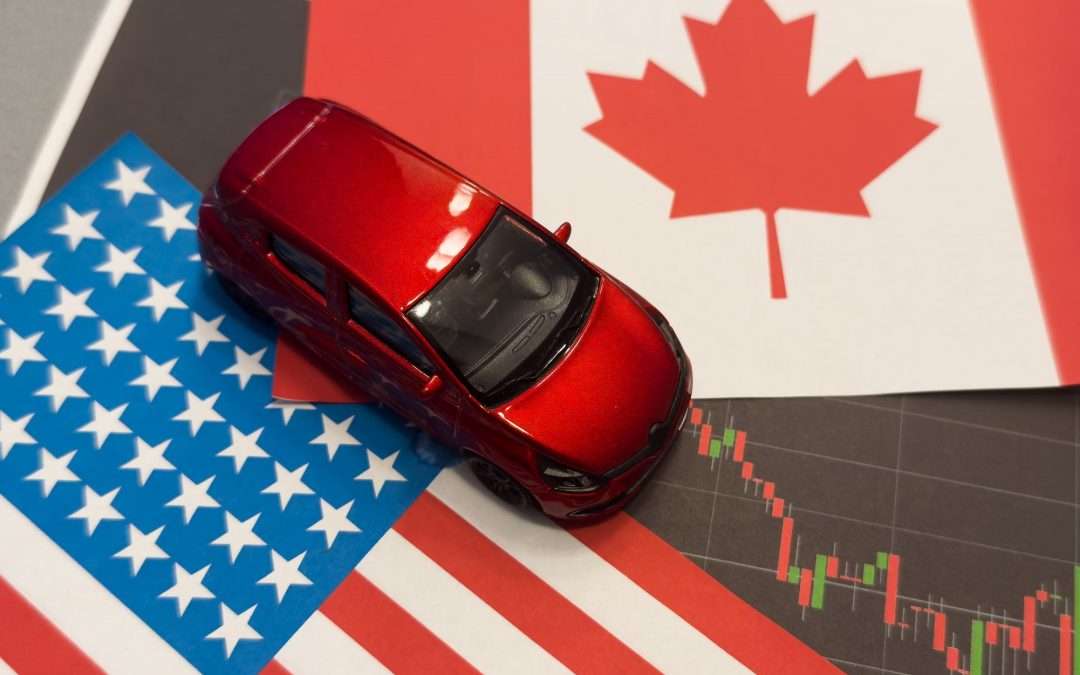
Although importing cars from Canada can benefit importers and businesses, it can be confusing for the average shipper. Canada’s proximity to the US makes cross-border vehicle transportation relatively accessible. In addition to offering easy access, Canada is an...
How to Prepare for FSVP Inspections
Share This Article
What needs to be done to be FSVP Compliant
When you are working to be FSVP Compliant, you need to follow these three steps.
1) You need to talk to your customer and supplier to protect your assets and relationships.
2) Register with the FDA to expand your relationship with the government and formulate a food safety program
3) Register to be GSFI certified.
Communicate with your Supplier and Customer – Most people are still unaware of the fact that FSVP is already taking effect. There will be slowdowns, and there will be hiccups as we are all adjusting to this new system. The sooner you convey this to them, the easier the transition will be.
Register with the FDA – Next you will want to register with the FDA. By joining the system, it shows that you are making the positive steps to represent these changes.
Formulate a Food Safety Program (GSFI) – Next you will want to develop food safety routines based on existing protocols. Contact local supermarkets and ask them how they handle their warehouses. Next, you need to be certified by the Global Food Safety Initiative. Becoming Certified will prepare you for any question asked during an inspection.
What to do During Inspections
When an inspector arrives at your warehouse, it is important that you understand the inspector’s intention. Their job is to examine and report to their superiors, but more importantly, they are there to inform you.
Take Notes – Take notes of everything they do. They are going to be giving you all of the answers so take this information and apply it to your existing program.
Ask Questions – Whether you are questioning the process or looking for tips to improve your plan, asking questions is a great way to get better information and possibly save you money.
A1WWL
If you are finding it difficult trying to determine if you need to be FSVP compliant or if you are having trouble becoming FSVP compliant, give us a call. We are working closely with the government to ensure that your imports are affected as little as possible, and we can help you out! Call us today!
Descubra cómo elegir una empresa de transporte internacional de mercancías, comparar opciones aéreas y marítimas, preparar documentos y calcular costos logísticos.
DDP stands for Delivered Duty Paid. Under this shipping term, the seller arranges transportation to the agreed destination and handles export and import clearance, including the applicable import duties and taxes. The goods are delivered to the buyer ready for...
CIF and FOB are shipping terms that define the buyer’s and seller’s responsibilities. Under CIF, the seller arranges and pays for ocean freight and cargo insurance to the named destination port. Under FOB, the buyer arranges and pays for the main ocean journey, and...
Ocean freight, also called sea freight, is the transportation of goods by ship. Businesses use it to move commercial cargo between countries, from a few pallets in a shared container to full-container orders and oversized equipment. For a U.S. import, the shipment...
LCL shipping, short for less than container load, lets your business move ocean freight in a container shared with other shippers. You book space for your cargo instead of reserving a whole container. For a business importing a few pallets at a time, that can make...



 1) You need to talk to your customer and supplier to protect your assets and relationships.
 Take Notes – Take notes of everything they do. They are going to be giving you all of the answers so take this information and apply it to your existing program.