Are you worried about your goods going through the Panama Canal? We specialize in Commercial Customs Brokerage in the Miami area. The Panama Canal expansion was based on 6 years of research. This included studies on the market demand, the economic feasibility, the environmental impact it will have on the location along with other technical engineering elements. The cost: $5.2 billion (US dollars) which began in September of 2007. Panama Canal is open for world wide business.
Panama; Services for the US Commercial Market
The United States Commercial services has helped thousands of companies in the U.S. with over $6 billion to Panama.
The best opportunities are in the US for those who plan on utilizing the various Ports across the States. Our network of professionals located at various points throughout the US can offer lucrative business opportunities when dealing with the importing of goods, as well as exporting of goods.
There are various finance and insurance strategies which we can customize to your benefit. This will help ease the process for you or your company’s goods being shipped via Panama Canal. In addition, we will help you to develop trade finance and insurance strategies which can help your specific business needs, this also can help you successfully get your export or import transactions completed.
Panama Canal Expansion: The Facts
With the Panama Canal Expansion there are many policies and rules that will delegate who and what will be going through and from the Ports. Customs Broker company in Miami, A 1 World Wide knows the Panama Canal Expansion laws when it comes to exporting to the USA and from the USA.
The Panama Canal Expansion which is the largest project the Canal which has taken place since its original construction. Customs Broker in Miami know how to handle inbound and outbound freight documentation especially coming in or going from the Panama Canal. Since the canal will allow more room for passing vessels, it will have a direct impact on the economies. This includes the international maritime trade that will become effected because of the expansion.
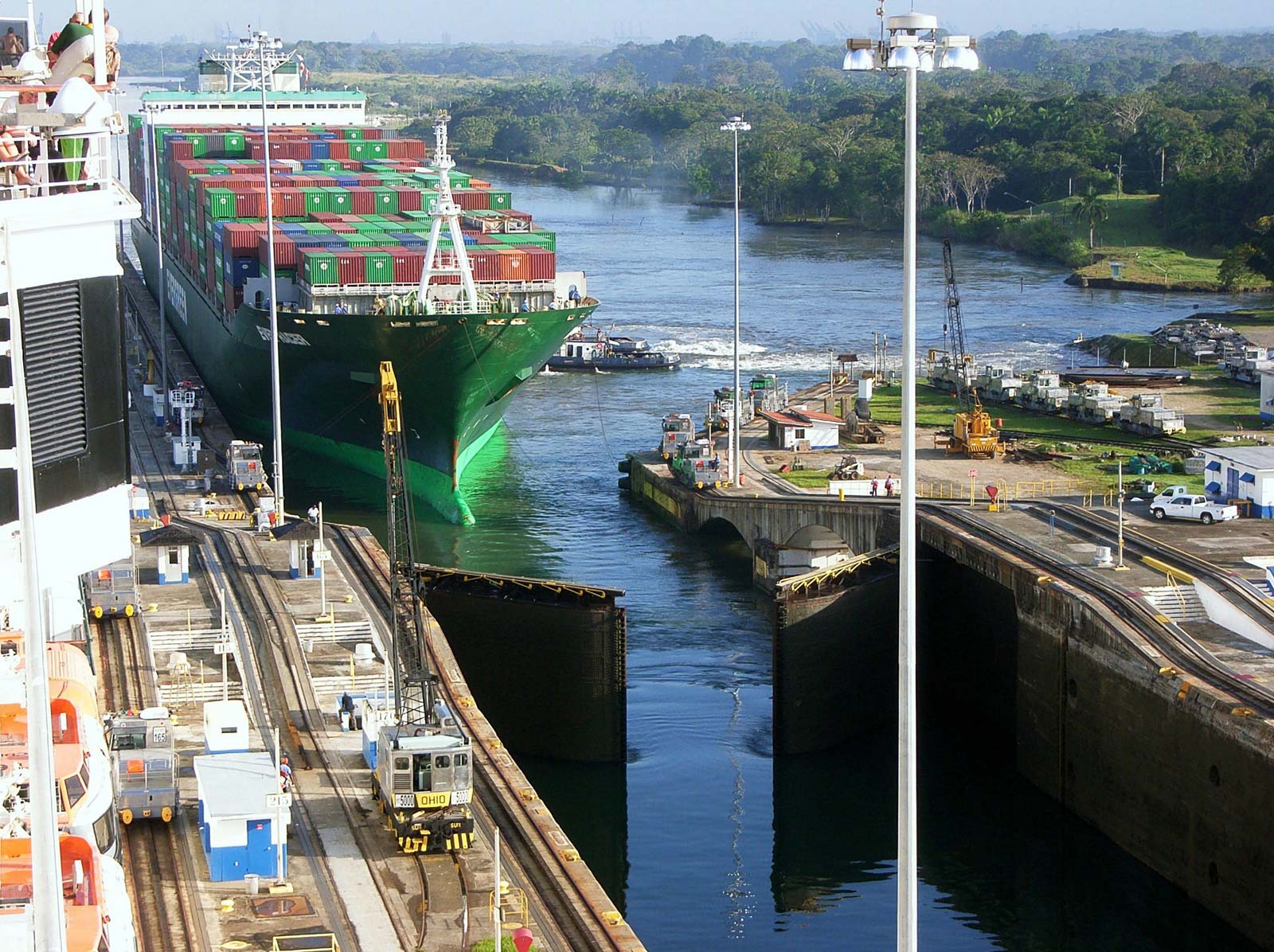
First, the Canal will have a new lane of traffic which will go through the Canal. With the construction doubling the waterway, the existing “locks” will allow vessels to pass through carrying up to 5,000 TEUs. The Post-Panamax vessels will transit through the Canal; cargo can exceed between 13,000/14,000 TEUs.
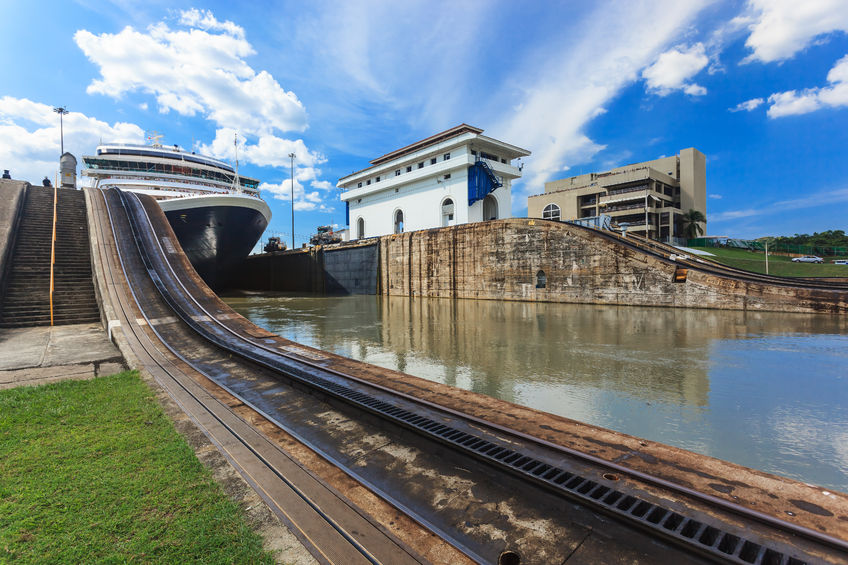
There are several elements that are important for anyone considering importing or exporting via the Panama Canal. It consists of two new set of locks, the deepening and the widening of the the first on the Pacific side is called Cocoli Locks and the second set of locks are on the Atlantic side which is named Agua Clara Locks. Vessels must comply to obtain passage, but those who do comply will benefit from the Expansion. (See http://micanaldepanama.com/expansion/press-releases/ for a better understanding of the procedure of the new Panama Canal Expansion.) Here are main phases of the Expansion construction:
New Locks (Third Set of Locks)
• Pacific Access Channel
• Improvement of Navigational Channels (Dredging)
• Improvements to Water Supply
Customs Broker Services in Miami are well adjusted to the fast paced Port of Miami. There are certain documents that are needed to get through a safe passage with your cargo or goods via the Panama Canal.
The Panama Canal: The Process
The vessel will be inspected by certain inspectors; the boarding pilot, the industrial hygienist, the transit vessel inspector, and the sanitary inspector in order to guarantee a safe transit for the vessel including all documentation that is needed to properly document according to the shipping/receiving protocol.
Miami Customs Broker can assist with your goods being received at the Port of Miami as well as exports going out from the Port of Miami.
Some of the documentation that will be needed by the Master of the Vessels entering or exiting the Panama Canal are the following: ITC -69 International Tonnage Certificate, PC/UMS Documentation of Total Volume, Load Line Certificate, Fitness Certificate and Notice to Shipping for instance.
Customs Broker Services in Miami: Panama Canal and the Imports for the US
A 1 World Wide will take care of this documentation so as to have a smooth shipping and delivery of your goods. Customs Broker in Miami, Fl will have a direct impact on how the security of your goods will be imported or exported. The knowledge of protocol regarding your goods passing through the Panama Canal can be determined by those who oversee your imported or exported goods.
Contact
Ask about our services that can be set up on an inbound or outbound via the Panama Canal. Visit our website to contact us, our customer representatives are waiting, Need a Customs Broker?1.305.821.8995.
The Panama Canal has been vital for international trade since it’s creation in the early 1900’s. While it has been incredibly useful, it has since needed an upgrade. Between the increase in international trade and the development of larger ships, the Panama canal needs to keep up. This is why the Panama Canal expansion project began.
What changed during the Panama Canal Expansion?
Dredging helps deepen the canal, allowing larger ships to pass through easily.
The Third Lane – Perhaps the biggest change in the Panama Canal has been the addition of a third lane. This lets more ships pass through the canal at any given time, drastically increasing traffic through the port.
The Third Set of Locks – The third lane means a third set of locks to balance the flow of water and prevent flooding or bottom scraping. This had to be completed after the third lane had been cleared and formed.
The Deepening – For the other lanes, dredging was done to make larger ships such as Neopanamax vessels clear through easier and with no risk of taking damage from the low levels.
One year Later, what has changed?
So far, the Panama Canal has had their third set of locks open now since June of last year, and so far 13,000 ships have passed through the third lane, including the largest cargo ship in the world. While this has increased overall traffic so far, can it be heralded as a success?
Time points to yes, but if you want to show what a true achievement this is you need to look at the competitors of the Panama Canal during the construction.
The Nicaraguan Canal – The Nicaraguan Canal was the first big opponent to the Nicaraguan Canal and was supposed to open up trade through the earthquake-prone country. But as investors fell through, so did the prospect of a South American competitor.
The Suez Canal – The Suez Canal was the other major canal that was also undergoing radical changes. While it was completed sooner, it also cost 3 billion more than the Panama Canal. These are both great advances for international trade.
A1WWL
A1WWL has been in the business of freight forwarding for many years, and when we read about how the Panama canal has grown, we get excited for the future of our profession. If you would like to learn more about the canal or freight forwarding, please give us a call today!
“The FDA Food Safety Modernization Act (FSMA), the most sweeping reform of our food safety laws in more than 70 years, was signed into law by President Obama on January 4, 2011. It aims to ensure the U.S. food supply is safe by shifting the focus from responding to contamination to preventing it.” – FDA.Gov
How will the FSMA reform Food Safety?
To take a more proactive stance against food safety risks, several programs are broken up into “rules.” These rules are taken as in rules of law.
Final Rule for Foreign Supplier Verification Programs (FSVP) – FSVP is the most important rule for importers out of all the ones on this list. This mandates that Importers be food safety certified and can vouch for the quality of the food arriving per their trade route.
Final Rule for Preventative Controls for Human Food – This ruling is declared for food processing farms and plants across America to ensure there are proper preventative measures in places such as Hazard analysis and oversight management/prevention.
Final Rule for Produce Safety – The ruling that standardizes proper produce procurement and management. This is in place to ensure that all domestic vegetables are safely grown, harvested, packed, and safe for human consumption.
Final Rule on Accredited Third-Party Certification – This ruling is created for those who wish to pursue careers and employment opportunities in enforcing and auditing these standards.
How do these Affect me?
As importers and customs brokers, it is necessary to know everything you can about FSVP. This is a large reform meant to make food consumption healthier for Americans. This means widespread reform for the industry and world trade in general.
If you are a producer of American food, then odds are you’ve already adhered to the ruling because the only ruling here that is not yet fully implemented is FSVP.
A1WWL
If you are finding it difficult trying to determine if you need to be FSVP compliant or if you are having trouble becoming FSVP compliant, give us a call. We are working closely with the government to ensure that your imports are affected as little as possible, and we can help you out! Call us today!
FSVP is the international trade law that has been passed under the Food Safety Modernization Act (FSMA, read more about it here.) FSVP is known as the Foreign Supplier Verification Program. This is a set of programs that are in place to validate and verify that our food safety standards are being upheld.
The purpose of FSMA is to put as many preventative measures between infected food and consumers as possible. With expansions already in place for food production and food growers, the next focus is on importers, which is where FSVP comes in.
What Kind of Imports are Affected?
Food exclusively. If you are a food importer with the intention of reselling the products, you will have to abide by FSVP standards.
How does it affect my Job?
As an Importer, the rules of your job are now expanded. You now have two additional tasks that need to be obeyed.
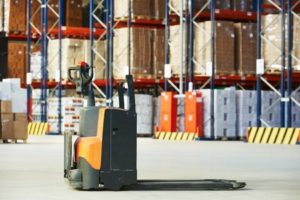
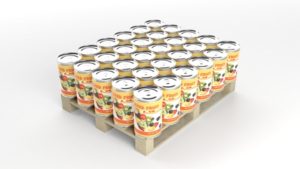
You must be Food Safety Ready – The concept behind FSVP is that warehouses, where food comes in, should be held to the same standards as restaurants and supermarkets. You must now follow similar food safety rules. For Example, in New York, it is required that all food surfaces and storage spaces be at least 6 inches off the ground at all times, New York Warehouses must now abide by this law as well.
Your Overseas Partners are Food Safe – Once you have declared your warehouse ‘food, safe, and ready,’ you must now begin vouching for your importers. You are required to inspect the delivery methods and the state of the food when it enters your warehouse and communicate this information to the FDA and your trade partners.
A1WWL
If you are finding it difficult trying to determine if you need to be FSVP compliant or if you are having trouble becoming FSVP compliant, give us a call. We are working closely with the government to ensure that your imports are affected as little as possible, and we can help you out! Call us today!
When you are working to be FSVP Compliant, you need to follow these three steps.
1) You need to talk to your customer and supplier to protect your assets and relationships.
2) Register with the FDA to expand your relationship with the government and formulate a food safety program
3) Register to be GSFI certified.
Communicate with your Supplier and Customer – Most people are still unaware of the fact that FSVP is already taking effect. There will be slowdowns, and there will be hiccups as we are all adjusting to this new system. The sooner you convey this to them, the easier the transition will be.
Register with the FDA – Next you will want to register with the FDA. By joining the system, it shows that you are making the positive steps to represent these changes.
Formulate a Food Safety Program (GSFI) – Next you will want to develop food safety routines based on existing protocols. Contact local supermarkets and ask them how they handle their warehouses. Next, you need to be certified by the Global Food Safety Initiative. Becoming Certified will prepare you for any question asked during an inspection.
What to do During Inspections
When an inspector arrives at your warehouse, it is important that you understand the inspector’s intention. Their job is to examine and report to their superiors, but more importantly, they are there to inform you.
Take Notes – Take notes of everything they do. They are going to be giving you all of the answers so take this information and apply it to your existing program.
Ask Questions – Whether you are questioning the process or looking for tips to improve your plan, asking questions is a great way to get better information and possibly save you money.
A1WWL
If you are finding it difficult trying to determine if you need to be FSVP compliant or if you are having trouble becoming FSVP compliant, give us a call. We are working closely with the government to ensure that your imports are affected as little as possible, and we can help you out! Call us today!

 The Nicaraguan Canal – The Nicaraguan Canal was the first big opponent to the Nicaraguan Canal and was supposed to open up trade through the earthquake-prone country. But as investors fell through, so did the prospect of a South American competitor.
 “The FDA Food Safety Modernization Act (FSMA), the most sweeping reform of our food safety laws in more than 70 years, was signed into law by President Obama on January 4, 2011. It aims to ensure the U.S. food supply is safe by shifting the focus from responding to contamination to preventing it.” – FDA.Gov
 Final Rule for Preventative Controls for Human Food – This ruling is declared for food processing farms and plants across America to ensure there are proper preventative measures in places such as Hazard analysis and oversight management/prevention.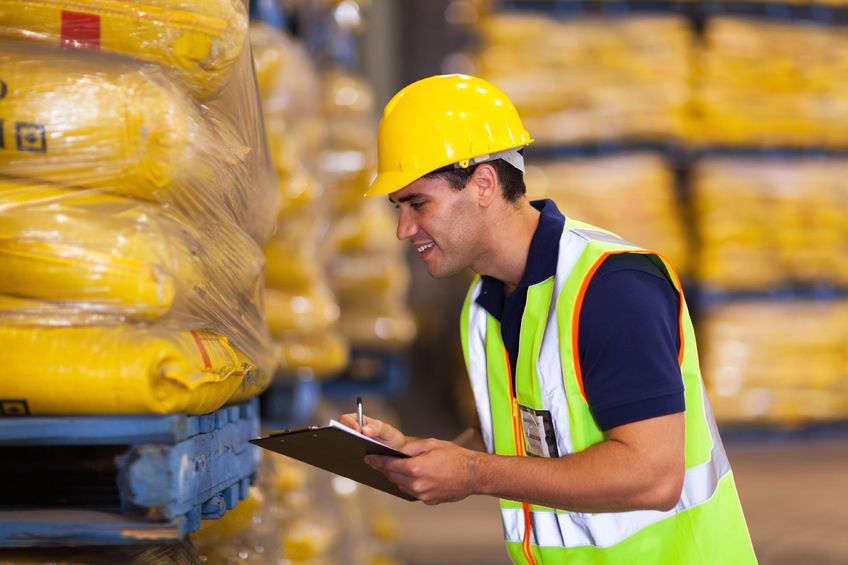
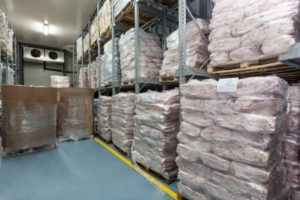 FSVP is the international trade law that has been passed under the Food Safety Modernization Act (FSMA, read more about it here.) FSVP is known as the Foreign Supplier Verification Program. This is a set of programs that are in place to validate and verify that our food safety standards are being upheld.
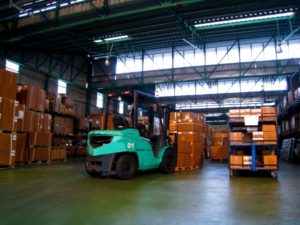 You must be Food Safety Ready – The concept behind FSVP is that warehouses, where food comes in, should be held to the same standards as restaurants and supermarkets. You must now follow similar food safety rules. For Example, in New York, it is required that all food surfaces and storage spaces be at least 6 inches off the ground at all times, New York Warehouses must now abide by this law as well.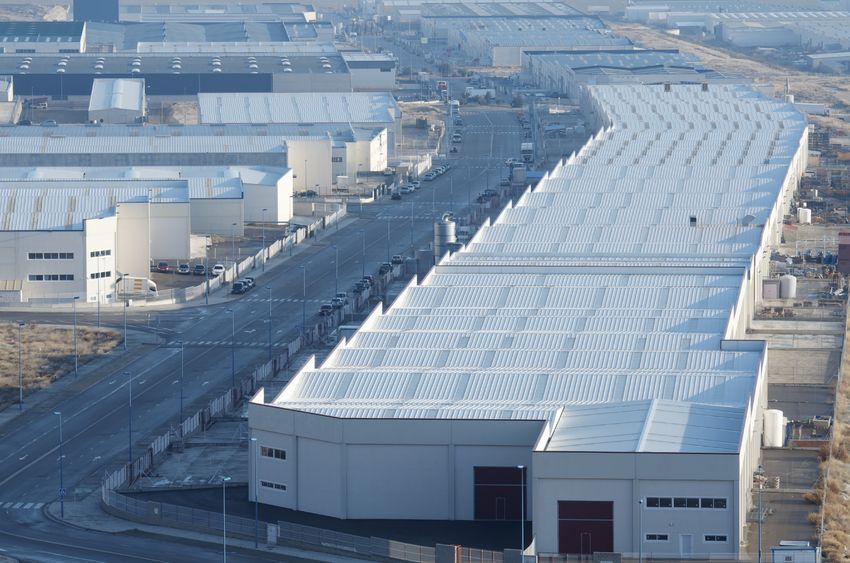
 1) You need to talk to your customer and supplier to protect your assets and relationships.
 Take Notes – Take notes of everything they do. They are going to be giving you all of the answers so take this information and apply it to your existing program.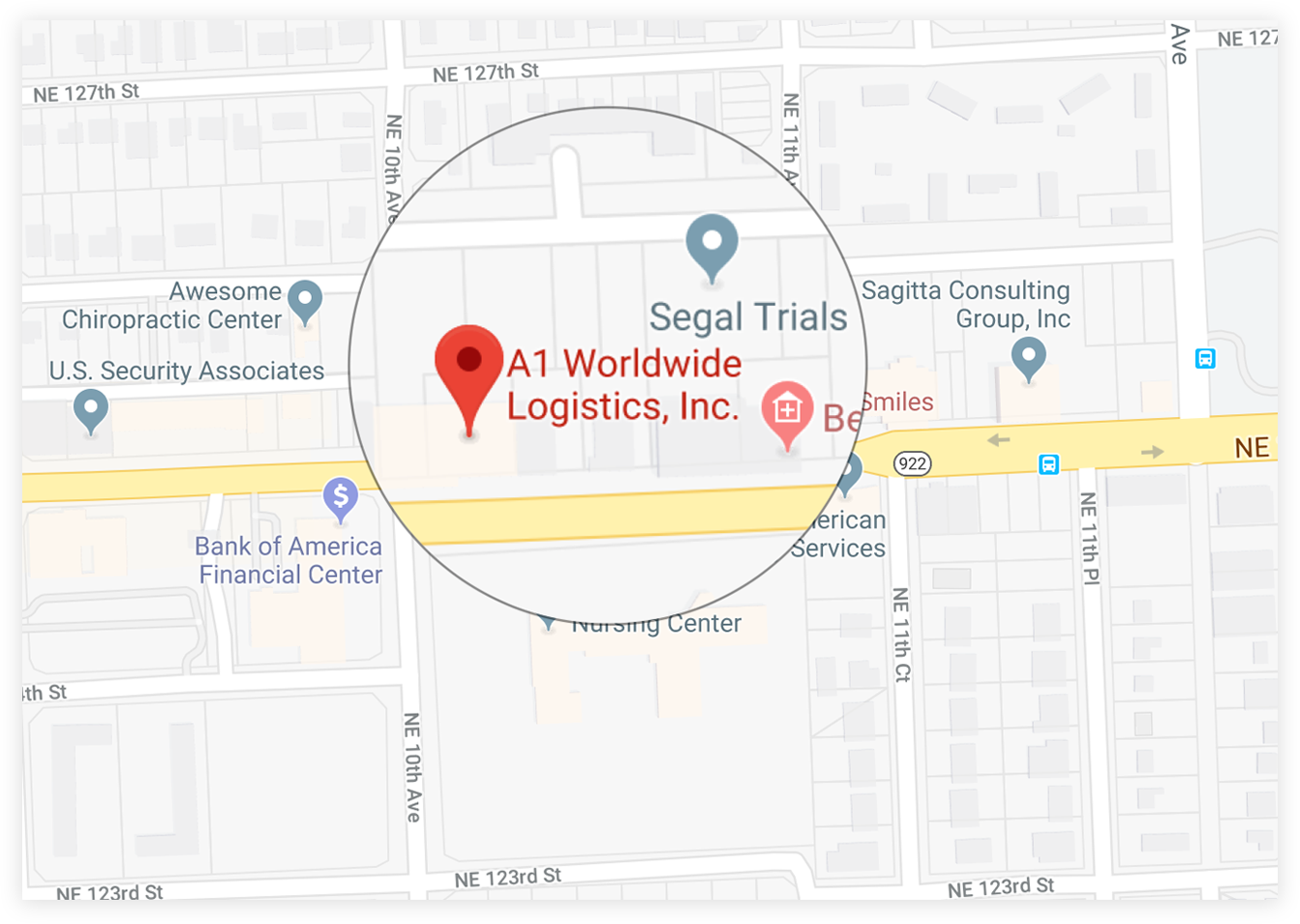
 1035 NE 125th St Suite #320, North Miami, FL 33161.
 a1worldwidelogistics.com
 (305) 821-8995
 Hours: 8AM - 5PM