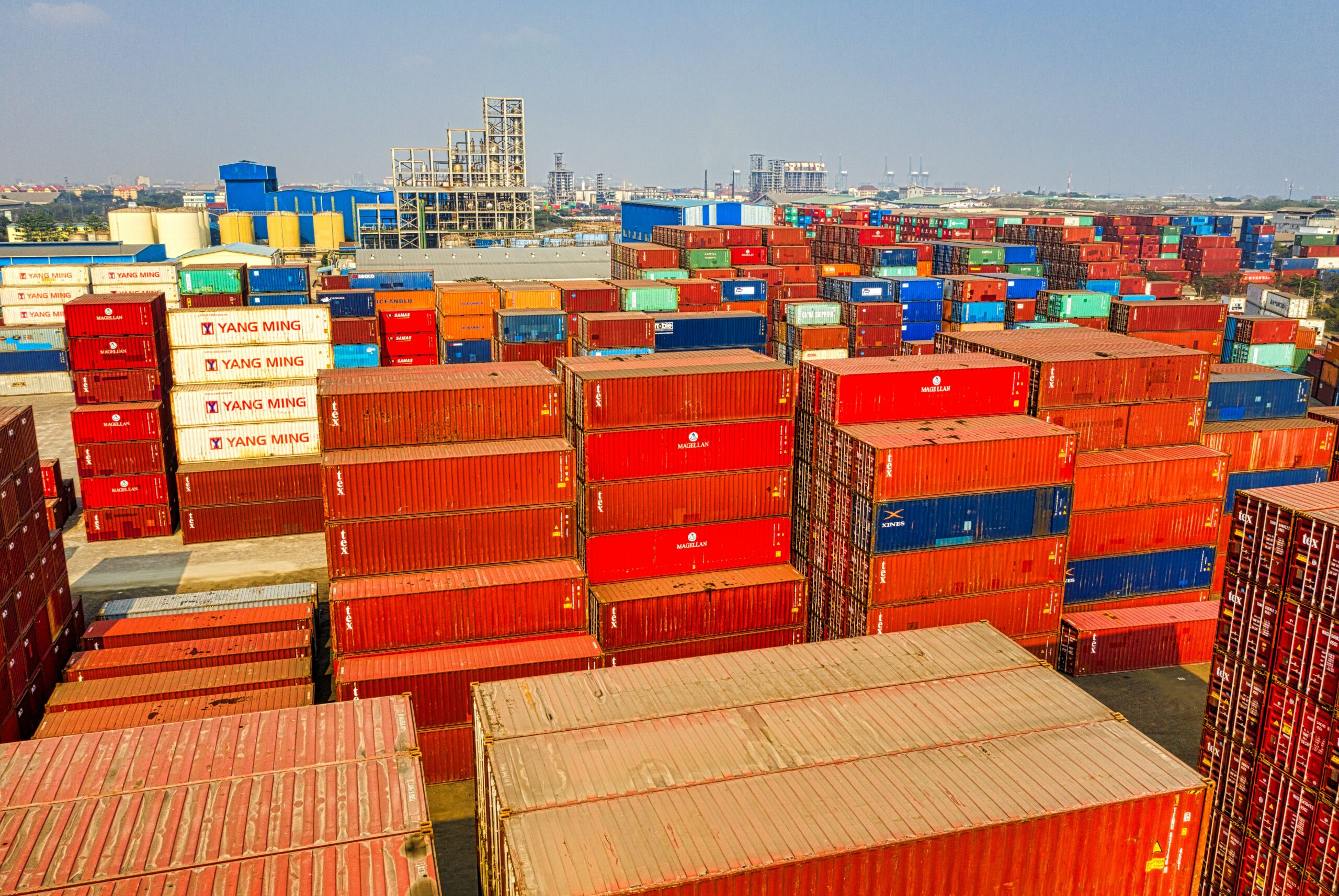
Over the last few months, Ports in the U.S have reached record import volumes. The ports of California, in particular, have seen an unprecedented amount of congestion due to the number of imports. While this started around September of 2020, it may continue through February of this year. The reason for this overcrowding traces back to various of different causes that directly relate to each other.
Coronavirus – The effect of COVID-19 was felt on separate parts of supply chains globally, including the arrival of goods to their designated ports. The port facilities have seen a decrease in the number of workers available due to the virus and with a large number of imports, the delivery and pick-up time is prolonged.
E-Commerce – A direct effect of the coronavirus is that instead of going directly to the merchandise store to pick up goods, people realize that it is safer to shop at their own homes. This, in turn, may lead to goods being bought online and imported from different countries. In California’s case, many goods that customers bought were imported from China. This, in turn, created a buildup at the ports.
Equipment Shortages – Lately, there has been a decline in the amount of chassis available for truckers, likely due to the economic downturn in 2020. A chassis is the frame of an automotive vehicle to where the body is attached to. Trucks use the chassis to load containers and drive them to the warehouse.
Trucker Shortages – Over the past few years, the amount of truck drivers on the highways has gone down. The recent Covid-19 pandemic also impacted this situation because with the increase of freight being imported, the number of truckers is not enough to keep up with the load. This leads to the piling up of containers at the port which may create certain surcharges on your freight.
Demurrage and Detention – When a container stays in a port after a certain period of time without being picked up, demurrage fees can occur. This may also lead to detention charges, which is the use of equipment such as containers and chassis for an extended period of time.
A1 Worldwide Logistics
Navigating your supply chain may not always be a simple process. We help ease this by giving customized one on one assistance to our clients. Our services range from freight forwarding to customs clearance and more. Call us at 305-821-8995 or email us at info@a1wwl.com for more information.
A convenient way to move your cargo around the world is by air. It is a dependable and quick method of transportation that is favorable in the eyes of the receiver of the shipment. While transporting your freight by air is advantageous, there is a cost rate associated with this method of conveyance. This rate varies depending on different factors that are important to be aware of when getting your air freight to its destination.
Chargeable Rate
This is basically the weight of the cargo and there are two methods used for calculation. The first method is the dimensional weight, which is is the total volume of the freight calculated by multiplying the length, width, and height then dividing it by the total volumetric factor. The other method use is the actual weight of the freight. When calculating, carriers use the higher of these two methods to determine the rate.
Extra charges
The base charge can be one component in determining the total cost of your shipment. There are more fees to be aware of:
Fuel Charges – This is a charge that different means of conveyance charge for gasoline fuel prices. Gas prices tend to fluctuate due to availability and demand, to defend themselves from a loss in profit the carriers add a fuel charge to the base rate of the cargo journey.
Airport Security Charges – Before the freight is loaded on the aircraft it must go through cargo screening requirements to determine any potential threats. Security surcharges are administered to cover the cargo screening This process happens both before the freight leaves the departing airport and once it reaches the landing airport.
Cargo Insurance – During the journey damages and losses can sometimes occur to the cargo unexpectedly. When this happens, the shippers of the cargo are accountable and not the air carrier responsible for the damage. To protect against the monetary loss, shippers pay for insurance before the journey. Cargo insurance may not be required but is recommended.
Customs Clearance Charges– In international trade there are charges for having your cargo exported/imported into a country. The charges come from the documentation that is given to the CBP before the shipment can be processed. If you are looking for a Customs broker to give you an understanding of the customs clearance charges or have freight that needs clearing call us at 305-821-8995 or you could send us an email at info@a1wwl.com.
2020 has been one of the more interesting years in recent times, the coronavirus has left an impact on the logistics of different supply chains globally. Many companies had to adapt their distribution and freight forwarding methods to accommodate the pandemic and the economic downturn. Despite this, an opportunity for learning also arose.
Preparation
This year came as a surprise to many companies that had to suddenly stop or limit their production due to lockdown. With no production, revenue will not be generated, and companies may close due to bankruptcy. Numerous businesses closed various stores across the nation because they were not ready to handle such a situation. Planning means having a contingency plan in case a catastrophic event like the coronavirus occurred.
Using More Digital Supply Chain Technologies
Being up to date with the current happenings of your supply chain can save time and capital loss. With employers in quarantine, this task became more demanding than before. The solution was to have workers do their jobs remotely. The current progress in working remotely may lead to a greater reliance on overseeing and communicating with the supply chain digitally in the future.
Being Creative Amidst the Chaos
One of the biggest lessons that can be learned from the pandemic is how to be innovative during uncertain times. Many different techniques were used to keep the supply chain processes running, here are a few examples:
Diversification: The economic downturn created a scenario where jobs had to expand their services to combat the current situation. Restaurants started to sell take-home meals for the first time and breweries started making hand sanitizer from ethanol.
Reshoring: When a supply chain is spread out across different countries or continents, the time it takes to allocate the goods to the required destination may be longer than if the goods were in-sourced from the same area. Especially with the current shortage of production, reshoring can help speed the process.
Navigating the logistics of a supply chain may sometimes be difficult and confusing to do without proper guidance. A1 Worldwide Logistics is a customs brokerage that is here to make that process easier. Call us at 305-821-8995 for your freight forwarding or customs brokerage needs.
In response to COVID-19, the U.S Food and Drug Administration released new guidelines on March 24, 2020 for manufacturers importing personal protective equipment and other apparatuses. FDA’s priority is to facilitate access to personal protective equipment to gain an upper hand on COVID-19. The U.S Food and Drug Administration stated
“We are engaging with importers and others involved in the import trade community during this pandemic to facilitate the entry of needed products, including PPE, into the U.S. These instructions to importers clarify the types of PPE that can be imported without engaging with FDA. They also include information about the type of information importers can submit to facilitate their entries. We have adjusted our import screening to further expedite imports of legitimate products and are continually monitoring our import systems to prevent and mitigate any potential issues.”
The FDA is allowing the use of personal protective equipment (PPE) for general or commercial use even if it’s not regulated by the FDA. For PPE items, import information will not be required to be transmitted to the FDA. At the time of entry, Importers must transmit the entry information to US Customs and Border Protection services using an appropriate Harmonized Tariff Schedule (HTS) code. The HTS codes are flagged with indicators to help guide whether FDA data is required.
If you have questions about the FD flag on an FDA regulated commodity, please contact the Division of Import Operations: by phone 301-796-0356 or email FDAImportsInquiry@fda.hhs.gov
FD Flags
The HTS code for your product will most likely be associated with an FD flag. This flag acts as an indicator to the customs broker/entry filer that your product needs to be transmitted to FDA for review.
Flag
Meaning
Examples
FD1
May or may not be regulated by FDA: If regulated by FDA, submit entry information; if not regulated by FDA, disclaim
Certain chemicals used in manufacturing drug products vs. industrial use; safety goggles for medical use vs. non-medical use
FD2
Regulated by FDA, but is not food: Submit entry information
Medical Devices, Drugs, Tobacco, and Cosmetics
FD3
May or may not be a food product: If yes, submit Prior Notice (PN) and entry information; if no, disclaim
Salt used for flavoring food vs salt used for treating road surfaces
FD4
Food product: Submit PN and entry information
Fish and seafood, live food animals, dairy products, shell eggs, fruits, vegetables, food and feed ingredients, food and feed additives, infant formula, beverages (including alcoholic beverages and bottled water), bakery goods, snack foods, candy, canned foods, and dietary supplements and dietary ingredients
When importing items for “medical” or “hospital” use, entry information is still required to be submitted for FDA review. Products covered by an emergency use authorization (EUA)—such as diagnostics, masks, and respirators—should be transmitted by importers by an Intended Use Code of 940.000: Compassionate Use/Emergency Use and the appropriate product code for the device.
As manufacturers are working hard to provide these products, importers are going through great lengths to get these essentials in the hands of hospitals and the public. The FDA is working with importers and provide maximum flexibility for PPE products seeking entry into the United States.
Contact
If you any import or exporting questions, give us a call at: (305) 821-8995
Since President Obama signed into law the FDA Food Safety Modernization Act (FSMA) on January 4th of 2016; there is better protection enforced for the public’s health. This is by way of “strengthening the food safety system” for the USA and its entire community.
According to the Centers for Disease Control and Prevention, 3,000 people die annually, 128,000 are hospitalized and approximately 1 in 6 Americans get sick…all from foodborne diseases. This can be prevented; a critical element to the public health of the USA. (FDA:2016, Jan.)
Miami freight forwarding utilizes regulatory experiences which we’ve from our past experiences working with the Port of Miami, including working with the latest technology. The fact is, policies and laws change drastically, daily, so to ensure your supply chain remains a the ordinance, we’ll make sure you and your business comply with the transporting of your goods.
Knowing the laws and policies regarding freight forwarding in Miami, Fl can assist with the processing and transporting of goods that must comply with the Food and Drug Administration. With all the food and drugs that get transported through the Miami port and Miami airlines, you don’t want to be the one individual or company to be denied, or delayed. Miami freight forwarders know the Food Safety Modernization Act (FSMA) from the FDA and all its policies that can change from time to time.
What is the Food Safety Modernationization Act (FSMA)?
The FSMA is an Obama-enacted law that protects the US public’s health.
Enabling the FDA to create more preventative maintenance on the health of the public by focusing on food safety problems. Instead of reacting to the problems which occur from domestic and foreign foods, instead of “how to react” to the problems after they already have occurred, is the main underlying reason for the FSMA.
This law also enforces authorities to successfully “achieve higher rates of compliance with prevention…” This includes the establishment of critical new tools for imported food standards as domestic foods. Also, by directing the FDA to partner with local and state authorities, the FSMA can help with the process of the importation of foods and drugs that are legally able to get through and from the Port of Miami.
The FSMA which helps the food facilities to have an implementation of the written preventative controls plan should take all precautions.
We can help you do that by assisting your business whether sole or with a company by evaluating the hazards which could affect food safety policies protocol. Also, including specifying what preventive steps, or controls, maybe in place to reduce any hazards. Another element that can minimize or prevent hazards regarding your freight being forwarded by Miami freight forwarders, A 1 World Wide, is the records not being monitored, one way we are routinely able to maintain since everything is digital. We’ll also detail how we intend to monitor your goods to ensure quality services.
Prevention
The authority of the FDA can deny entry of any foods entering the States and by refusing entrance of a company’s goods from a foreign facility. If the FDA is in fact authorized to deny food from a foreign country; the bottom line. We can create the mandatory preventive controls plan for the food facilities that it is destined for or from.
This involves evaluating the hazards which can affect food safety, detailing the preventive controls or steps which will be put in place so as to prevent future hazards, detail how the facility will monitor these controls to ensure they are working, and also filing and maintaining records which are routinely going to be monitored, including the detail actions to correct any problems if any arise. (Final rule due 18 months following enactment)
Another mandatory standard that freight forwarders must keep an eye out for is produced. This becomes effective towards food being imported or exported. It is the criteria of a “science-based, minimum standards for the safe production and harvesting of fruits and vegetables.” This includes naturally occurring hazards that can be introduced either unintentionally or intentionally, and this means addressing soil amendments. Soil amendments are, yet, another element of this mandatory standard (i.e. materials that may have been added to the soil as compost). Such standards include hygiene, temperature controls, area animals that are in the growing area, and the water which play a huge part in the entire process. (Final regulation due about 2 years following enactment)
Miami freight forwarders, A 1 World Wide, will overlook that this is done effectively with your product being imported (or exported). Another prevention that is highly critical to the FDA is placing authority to prevent intentional contamination. “FDA must issue regulations to protect against the intentional adulteration of food, including the establishment of science-based mitigation strategies to prepare and protect the food supply chain at specific vulnerable points (Final rule due 18 months following enactment).”
All in all, complying with the FDA means that paperwork or certifications and permits must all be in compliance. Take, for example, the FDA “Certification for High-Risk Foods.” We will make sure that any “high-risk imported foods will be accompanied by a credible third party certification” or any other assurance of compliance so as to gain entrance into the US.
Contact
Contact us here at A1 World Wide, let us help your business imports or exports; 1.305.821.8995, we are located at 14100 Palmetto Frontage Rd. #116, Miami Lakes, FL 33016 or Email us at info@a1ww1.com
Are you worried about your goods going through the Panama Canal? We specialize in Commercial Customs Brokerage in the Miami area. The Panama Canal expansion was based on 6 years of research. This included studies on the market demand, the economic feasibility, the environmental impact it will have on the location along with other technical engineering elements. The cost: $5.2 billion (US dollars) which began in September of 2007. Panama Canal is open for world wide business.
Panama; Services for the US Commercial Market
The United States Commercial services has helped thousands of companies in the U.S. with over $6 billion to Panama.
The best opportunities are in the US for those who plan on utilizing the various Ports across the States. Our network of professionals located at various points throughout the US can offer lucrative business opportunities when dealing with the importing of goods, as well as exporting of goods.
There are various finance and insurance strategies which we can customize to your benefit. This will help ease the process for you or your company’s goods being shipped via Panama Canal. In addition, we will help you to develop trade finance and insurance strategies which can help your specific business needs, this also can help you successfully get your export or import transactions completed.
Panama Canal Expansion: The Facts
With the Panama Canal Expansion there are many policies and rules that will delegate who and what will be going through and from the Ports. Customs Broker company in Miami, A 1 World Wide knows the Panama Canal Expansion laws when it comes to exporting to the USA and from the USA.
The Panama Canal Expansion which is the largest project the Canal which has taken place since its original construction. Customs Broker in Miami know how to handle inbound and outbound freight documentation especially coming in or going from the Panama Canal. Since the canal will allow more room for passing vessels, it will have a direct impact on the economies. This includes the international maritime trade that will become effected because of the expansion.
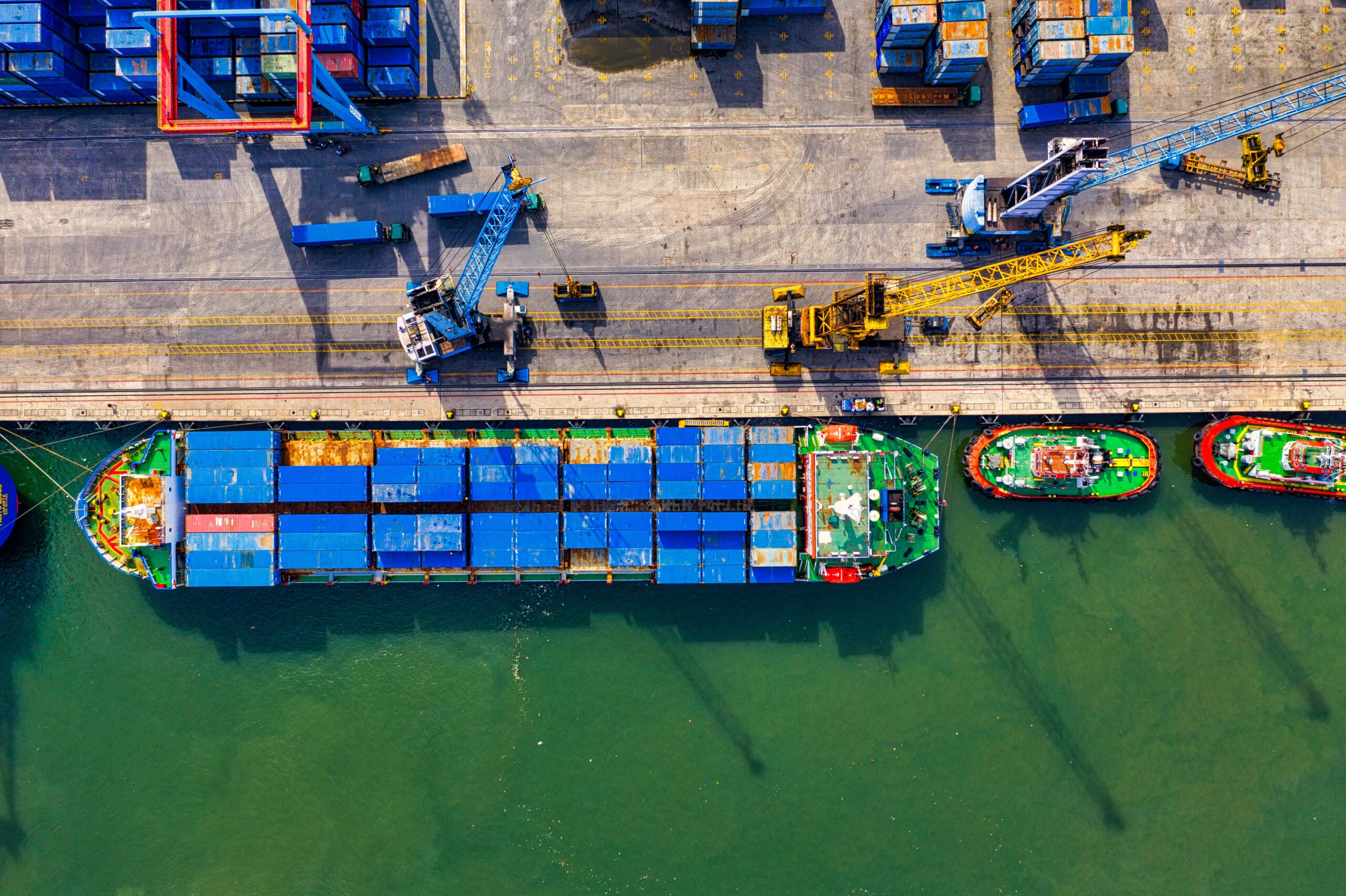
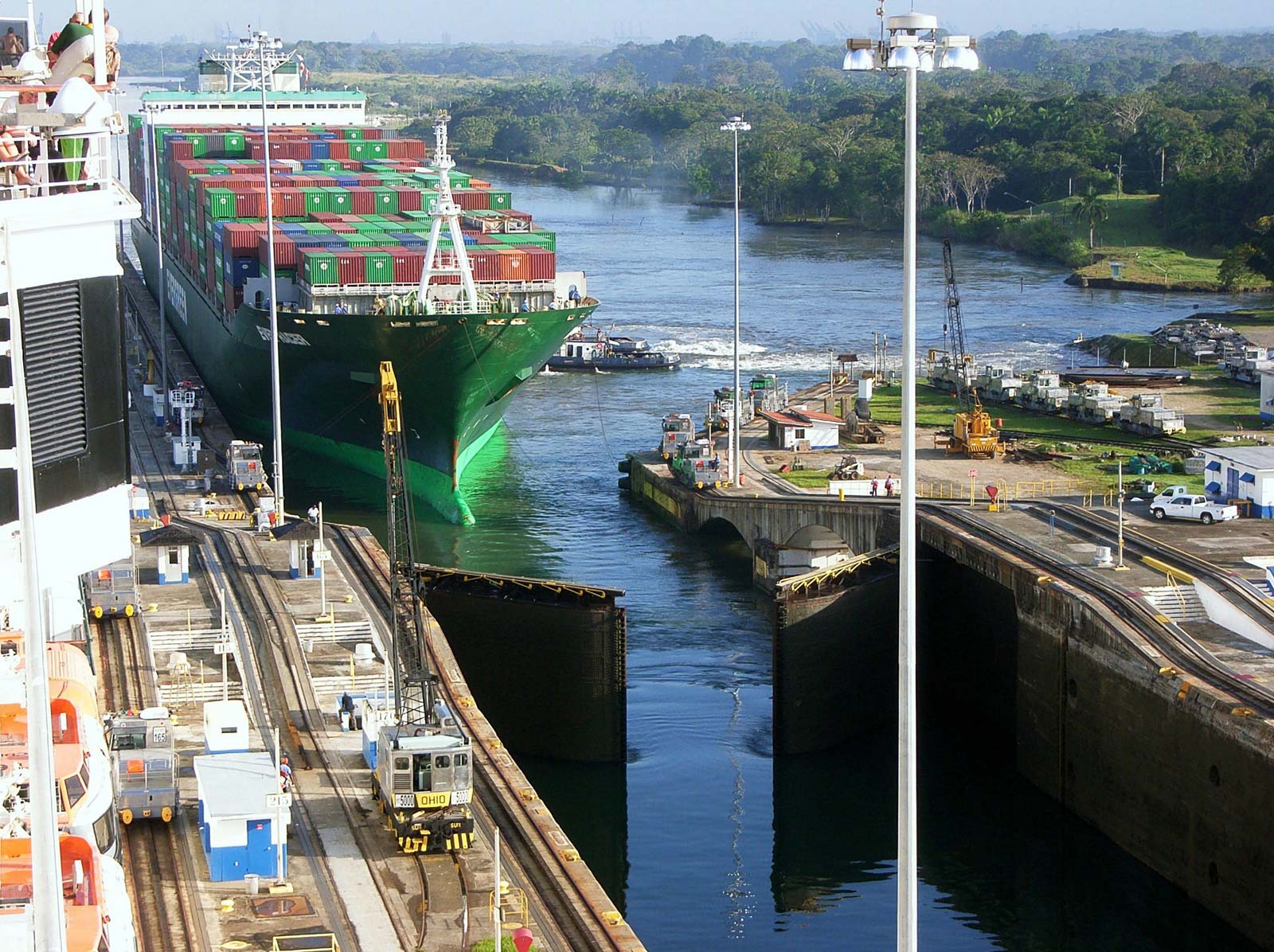
First, the Canal will have a new lane of traffic which will go through the Canal. With the construction doubling the waterway, the existing “locks” will allow vessels to pass through carrying up to 5,000 TEUs. The Post-Panamax vessels will transit through the Canal; cargo can exceed between 13,000/14,000 TEUs.
There are several elements that are important for anyone considering importing or exporting via the Panama Canal. It consists of two new set of locks, the deepening and the widening of the the first on the Pacific side is called Cocoli Locks and the second set of locks are on the Atlantic side which is named Agua Clara Locks. Vessels must comply to obtain passage, but those who do comply will benefit from the Expansion. (See http://micanaldepanama.com/expansion/press-releases/ for a better understanding of the procedure of the new Panama Canal Expansion.) Here are main phases of the Expansion construction:
New Locks (Third Set of Locks)
• Pacific Access Channel
• Improvement of Navigational Channels (Dredging)
• Improvements to Water Supply
Customs Broker Services in Miami are well adjusted to the fast paced Port of Miami. There are certain documents that are needed to get through a safe passage with your cargo or goods via the Panama Canal.
The Panama Canal: The Process
The vessel will be inspected by certain inspectors; the boarding pilot, the industrial hygienist, the transit vessel inspector, and the sanitary inspector in order to guarantee a safe transit for the vessel including all documentation that is needed to properly document according to the shipping/receiving protocol.
Miami Customs Broker can assist with your goods being received at the Port of Miami as well as exports going out from the Port of Miami.
Some of the documentation that will be needed by the Master of the Vessels entering or exiting the Panama Canal are the following: ITC -69 International Tonnage Certificate, PC/UMS Documentation of Total Volume, Load Line Certificate, Fitness Certificate and Notice to Shipping for instance.
Customs Broker Services in Miami: Panama Canal and the Imports for the US
A 1 World Wide will take care of this documentation so as to have a smooth shipping and delivery of your goods. Customs Broker in Miami, Fl will have a direct impact on how the security of your goods will be imported or exported. The knowledge of protocol regarding your goods passing through the Panama Canal can be determined by those who oversee your imported or exported goods.
Contact
Ask about our services that can be set up on an inbound or outbound via the Panama Canal. Visit our website to contact us, our customer representatives are waiting, Need a Customs Broker?1.305.821.8995.


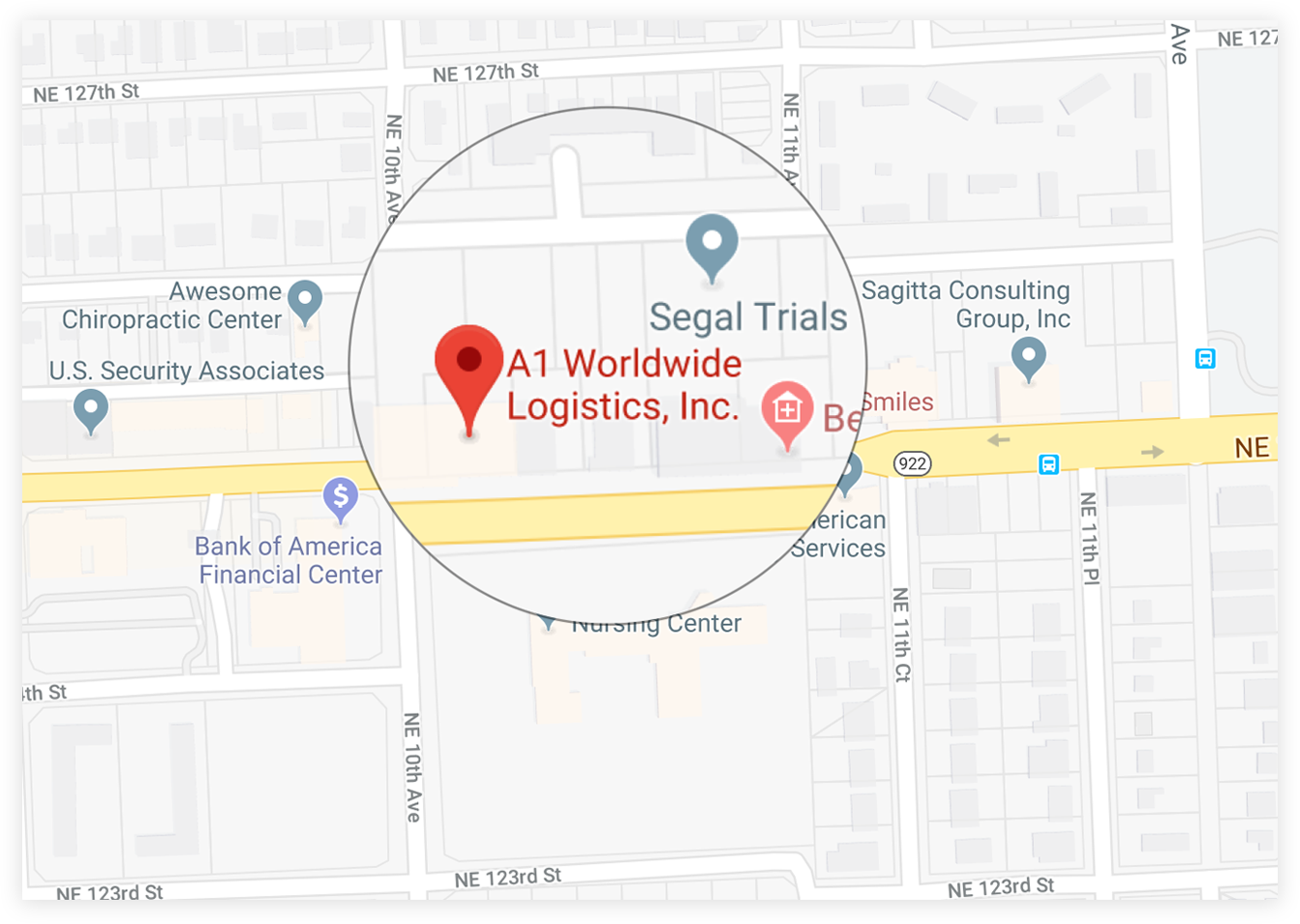
 1035 NE 125th St Suite #320, North Miami, FL 33161.
 a1worldwidelogistics.com
 (305) 821-8995
 Hours: 8AM - 5PM